






















For decades, traditional corporate culture viewed long, uninterrupted desk hours from 9 AM to 6 PM as the ultimate benchmark of employee dedication. Sitting in a chair for an entire shift without stepping away was celebrated as a virtue. Today, that conventional mindset is encountering a significant shift across contemporary workplaces. Stepping into modern corporate environments reveals a transformed energy and a distinct work philosophy driven by the latest generation entering the workforce, sparking fresh debates between senior management and junior team members regarding the true meaning of productivity.
Refusing to Trade Peace of Mind for Paychecks
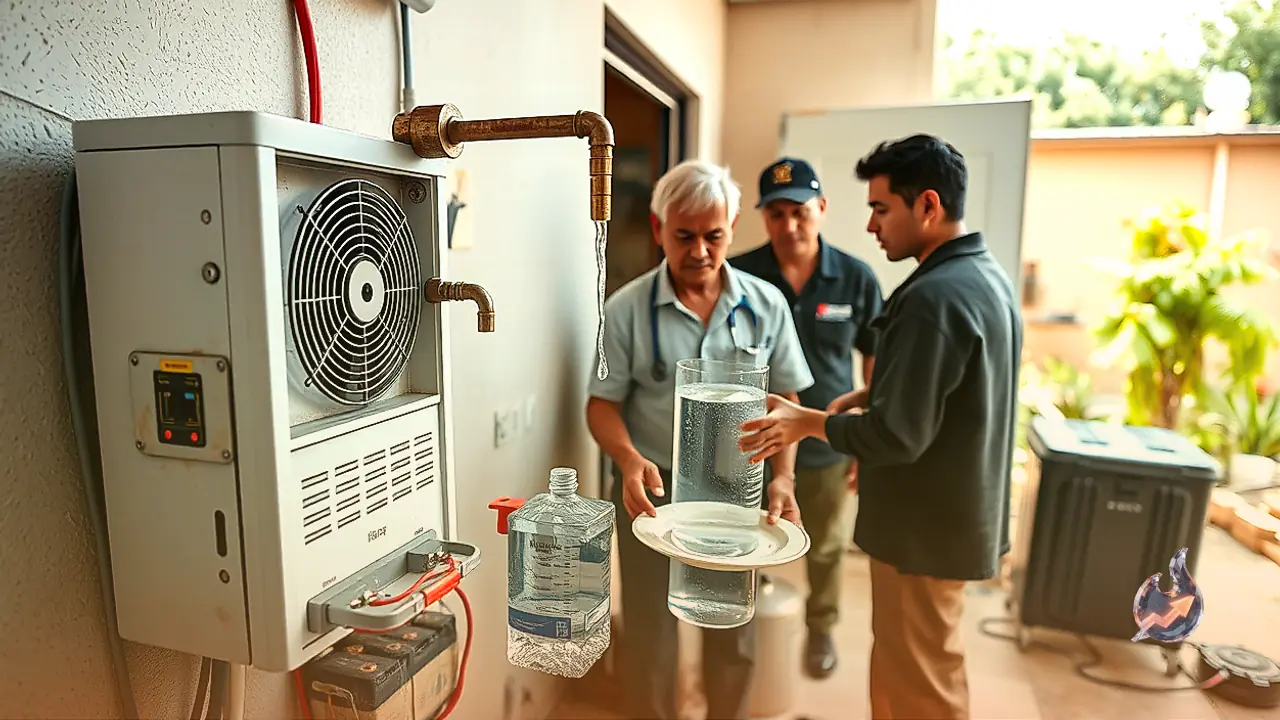
Younger professionals are increasingly unwilling to sacrifice their mental peace or personal space purely for a monthly paycheck. They view employment as one component of life rather than their entire existence. While delivering high quality output remains essential, preserving personal equilibrium carries equal weight. Where older managers often interpreted continuous screen time as dedication and brief pauses as slacking, modern staff rely on frequent micro breaks to recharge. Stepping away for a quick stroll, stretching, refilling water, or sharing a brief coffee chat with peers is viewed as a necessary reset to sustain sharp focus.
Core Habits Redefining the Daily Workplace
The contemporary office environment has absorbed a distinct set of operational habits that challenge rigid traditional structures. Across industries, these practices are reshaping how daily tasks are approached
- Structured Micro Breaks: Instead of remaining glued to chairs for hours, younger workers take brief pauses every 45 to 60 minutes. Moving around or drinking water at regular intervals is treated as a practical method to restore creative thinking and mental sharpness.
- Noise Isolating Headphone Routines: Wearing large over-ear headphones at workstations has become an everyday sight. This setup allows employees to block out background office noise, minimize unnecessary casual interruptions, and immerse themselves fully in deep focus.
- Strict Boundaries After Office Hours: Unlike earlier cohorts who felt compelled to answer late night supervisor calls, modern professionals draw a firm line once their shift concludes. Evenings are reserved for hobbies, rest, and personal lives rather than replying to work messages.
- Open Advocacy for Mental Health: Younger employees do not hesitate to step forward and request leave when experiencing burnout or high stress. Time off for mental recovery, once dismissed by older generations as an excuse, is now openly claimed as an essential necessity.
- Candid and Transparent Dialogue: Rather than engaging in workplace politics or guarded exchanges, the incoming workforce leans toward direct, transparent communication. Speaking up in group meetings and asking candid questions of leadership is part of their daily interaction.
- Comfortable and Casual Dress Codes: Formal suits, ties, and stiff footwear are steadily fading from routine office spaces. Employees favor relaxed, modern, and comfortable clothing that allows them to navigate their workday without physical discomfort.
- Personalized Workstations: Work desks are no longer restricted to just a company laptop and notepad. Staff members personalize their tables with indoor plants, favorite coffee mugs, motivational cards, and minimalist decor to cultivate a welcoming desk environment.
- Close Circles of Workplace Friends: To alleviate everyday professional stress, employees build tight circles of trusted colleagues. Sharing lunch and engaging in lighthearted conversations during the day serves as a vital buffer against burnout.
- Requirement for Rapid Feedback: Young professionals look for immediate feedback and recognition upon finishing assignments. Constructive acknowledgment of strong performance noticeably doubles their morale and day to day engagement.
- Preference for Flexible Working Models: Organizations offering hybrid schedules or remote work options hold a decisive advantage. Younger workers actively resist squandering productive energy and valuable hours sitting in long transit traffic.
A Focus on Smarter Delivery Over Empty Hours
The evolving workplace reflects a deeper transformation in corporate values. The emphasis has shifted decisively from merely clocking hours toward delivering smart, outcome focused results. By asserting clear boundaries between work and personal life, the newer workforce is steering organizations toward a more adaptable, empathetic, and sustainable professional landscape.