























The geopolitical landscape of West Asia has plunged into a state of severe crisis as direct military confrontations between the United States and Iran have expanded into a broader regional war. The latest escalation was triggered after US President Donald Trump ordered decisive retaliatory actions following Iranian strikes on maritime vessels in the highly strategic Strait of Hormuz. President Trump warned that the US military would hit back hard to preserve international security and the freedom of navigation. Despite the scale of the American offensive, Tehran has refused to back down, prompting the Islamic Revolutionary Guard Corps to target US military assets located across several neighboring Gulf nations, including Bahrain, Kuwait, and Qatar, using one-way attack drones.
Donald Trump’s Warnings and the Scale of US Air Strikes
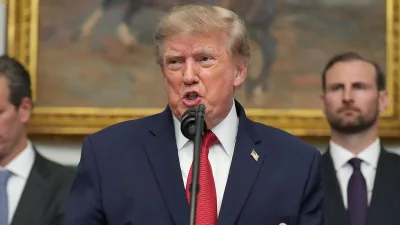
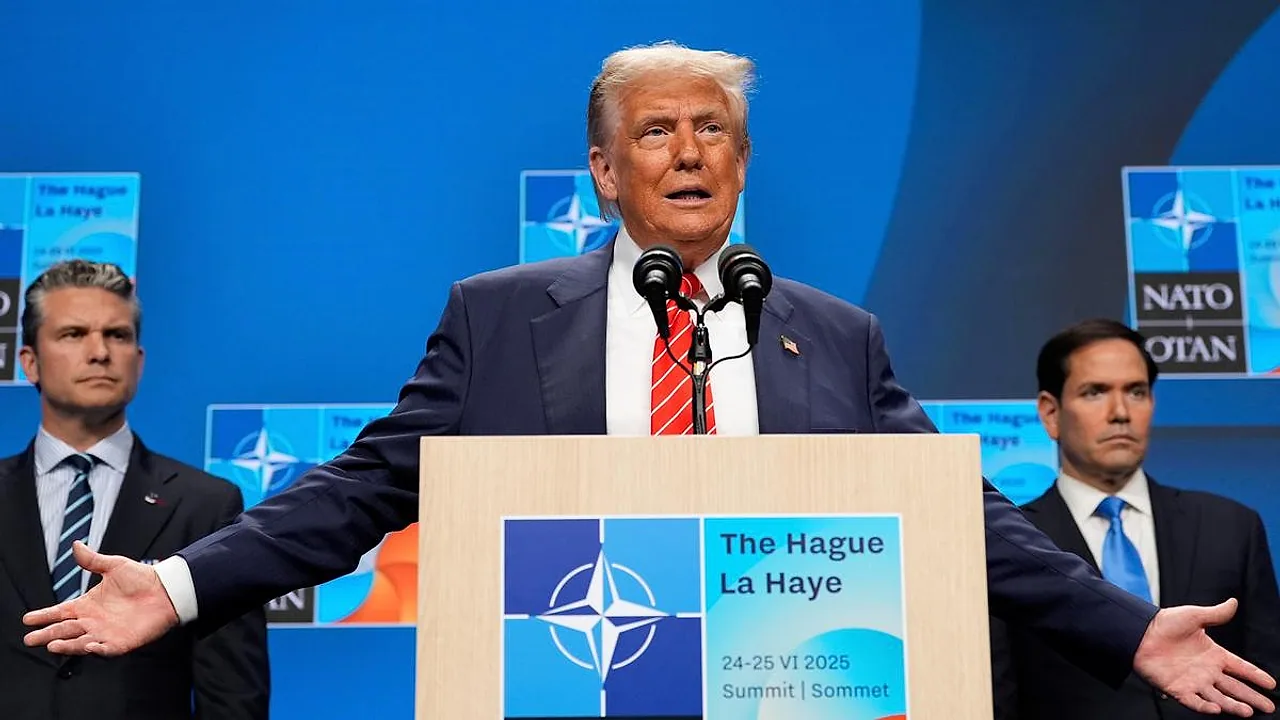
Declaring that the previously established ceasefire with Tehran is officially over, US President Donald Trump authorized a new wave of heavy military operations starting Wednesday, July 8, 2026. While ordering these severe countermeasures, President Trump expressed his hope that this renewed military flare-up would be short-lived, while explicitly keeping the doors open for future diplomatic discussions. Nevertheless, the immediate priority of the US armed forces remains the systematic degradation of Iran's offensive capacities to prevent further disruption of commercial shipping lanes in the region.
According to US military officials, the extensive air strikes successfully targeted approximately 90 distinct military positions throughout Iran. The operation focused heavily on neutralizing Iranian air defense networks, missile storage facilities, drone launch sites, and associated logistical infrastructure. In an official communication shared on the social media platform X, the United States Central Command (CENTCOM) confirmed that the July 8 operations were aimed at crippling Iran's ability to wage asymmetric warfare against commercial transport vessels and innocent civilian mariners operating within the Persian Gulf corridor.
The Strait of Hormuz: A Battleground for Global Energy Routes
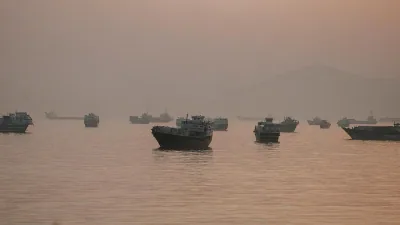
At the very heart of the conflict between Washington and Tehran is the control over the Strait of Hormuz, a critical maritime chokepoint through which a significant portion of the world's petroleum passes daily. Iran's chief negotiator recently asserted that the Strait of Hormuz would only remain operational under an "Iranian system" of administration, signaling Tehran’s intent to impose sovereign control over the passage. This represents a major departure from the free transit status that existed prior to the US-Israeli joint strikes carried out in February, which originally triggered the current cycle of escalation.
With President Trump declaring the collapse of the ceasefire, the US military has doubled down on its mission to enforce maritime safety. Strategic planners emphasize that any prolonged blockage of this shipping lane would result in catastrophic consequences for the global economy, driving up fuel prices and disrupting supply chains worldwide. Consequently, the targeting of coastal military bases is designed to prevent Iranian forces from deploying anti-ship missiles or executing boarding operations against commercial tankers.
Tehran's Retaliatory Wave: Striking US Installations in Neighboring Gulf States
In response to the devastating US bombardment, the Islamic Revolutionary Guard Corps issued a stern warning of a crushing retaliation against American interests in the region. Fulfilling this promise, Iranian forces executed a series of coordinated drone and missile strikes targeting US military installations in neighboring countries on Thursday, July 9, 2026. The Iranian military confirmed that its offensive operations utilized a significant number of specialized military suicide drones to strike a Patriot missile interceptor system in Kuwait, an early warning radar installation in Qatar, and vital fuel storage tanks in Bahrain.
This retaliatory wave triggered immense panic in the Bahraini capital of Manama, where air raid sirens wailed multiple times throughout Thursday. Residents and expatriates reported hearing loud explosions overhead as defensive interceptor systems engaged incoming aerial threats. The Ministry of Interior of Bahrain urged the public via its official account on X to remain calm, follow safety protocols, and immediately seek shelter in secure underground facilities to avoid falling debris.
Meanwhile, the Kuwaiti Ministry of Defense reported that a separate Iranian strike on Tuesday, July 7, 2026, had already resulted in civilian casualties. According to Colonel Staff Saud Abdulaziz Al-Atwan, the spokesperson for the Ministry, at least one individual was wounded in the morning strike but is currently receiving medical attention and remains in stable condition. Kuwaiti air defenses managed to successfully intercept and destroy 4 incoming missiles and 10 hostile drones during that engagement, preventing widespread destruction at the targeted facility.
Civilian Toll and Infrastructure Damage Inside Iran
While military targets were the primary focus of the US operation, the humanitarian and infrastructural impact inside Iran has been substantial. Iran's Ministry of Health released its first comprehensive casualty report following the two days of heavy bombardment. Hossein Kermanpour, the spokesperson for the ministry, announced on X that at least 14 people had lost their lives and another 78 had sustained injuries of varying severity. In Western Iran, Valiullah Hayati, the deputy governor of Khuzestan province for security and law enforcement, confirmed that a specific US strike on the outskirts of the city of Ahvaz resulted in the deaths of three citizens and injured several others.
The bombardment has also severely disrupted the country's transport network. High-precision strikes targeted and destroyed two key railway bridges located in the eastern provinces, which form a critical link on the main rail line connecting Tehran with the eastern holy city of Mashhad. Following the incident, the Islamic Republic of Iran Railways suspended all train operations along this route, attributing the destruction to a criminal strike executed by US and Israeli forces. Technical teams have been deployed to repair the structural damage, while regional authorities have arranged emergency road transport to assist thousands of stranded passengers. The Iranian Ministry of Foreign Affairs strongly condemned the destruction of civilian transport links, calling the US administration "wicked and psychopathic" and labeling the act a grave war crime.
Funeral of Ali Khamenei and the Strategic Hub of Bandar Abbas
The military escalation coincides with a period of national mourning in Iran for the deceased Supreme Leader Ali Khamenei. His coffin, along with those of his family members who perished during the US-Israeli air strikes in February, was flown from Iraq to the eastern holy city of Mashhad on a Mahan Air flight. The transport plane was escorted by Iranian fighter jets throughout its journey. Prior to its arrival in Mashhad, large-scale public mourning ceremonies were held in the Iraqi holy cities of Najaf and Karbala. Massive crowds have already begun gathering in Mashhad to participate in the funeral procession, despite the ongoing threat of further air strikes.
Amid these developments, the port city of Bandar Abbas has emerged as a central focus of the geopolitical standoff. Situated at the entrance of the Strait of Hormuz, Bandar Abbas serves as the primary base for Iran's naval forces and a vital gateway for its commercial trade. The high concentration of naval assets in this harbor makes it both a major launchpad for Iranian operations and a prime target for US containment strategies, illustrating why control over this coastal hub is so fiercely contested.
Amnesty Accuses Israel of War Crimes in Lebanon, While Qatar Urges Diplomacy
The conflict has also had a devastating impact on the northern front in Lebanon, where hostilities between Israel and the Iranian-backed group Hezbollah continue to rage. Amnesty International issued a strong condemnation of Israeli military actions in Lebanon, accusing Israeli forces of wiping out entire families through indiscriminate air strikes on residential structures, calling for a formal war crimes investigation. Hezbollah had initially dragged Lebanon into the wider regional war on March 2 by firing rocket barrages at Israel in support of Iran. The subsequent Israeli air and ground campaign has resulted in over 4,300 deaths in Lebanon, including more than 250 children. Amnesty’s investigation focused specifically on three separate strikes carried out between March 6 and March 13 on residential buildings, which killed 24 civilians, half of whom were children.
As the regional crisis threatens to spiral out of control, Qatar has stepped forward to initiate diplomatic mediation. Qatari Prime Minister Sheikh Mohammed bin Abdulrahman Al-Thani held an urgent telephone call with Iranian Foreign Minister Abbas Araghchi, urging both Iran and the United States to exercise maximum restraint and return to diplomatic channels. The Qatari Prime Minister emphasized the necessity of implementing the previously signed Memorandum of Understanding (MoU) aimed at ending active hostilities. However, during the discussion, Al-Thani also strongly condemned the recent Iranian drone strike targeting a facility in Qatar, as well as an earlier attack on a Qatari-flagged oil tanker in the Strait of Hormuz, underscoring the delicate balance Doha must maintain as a mediator in the volatile Gulf region.