

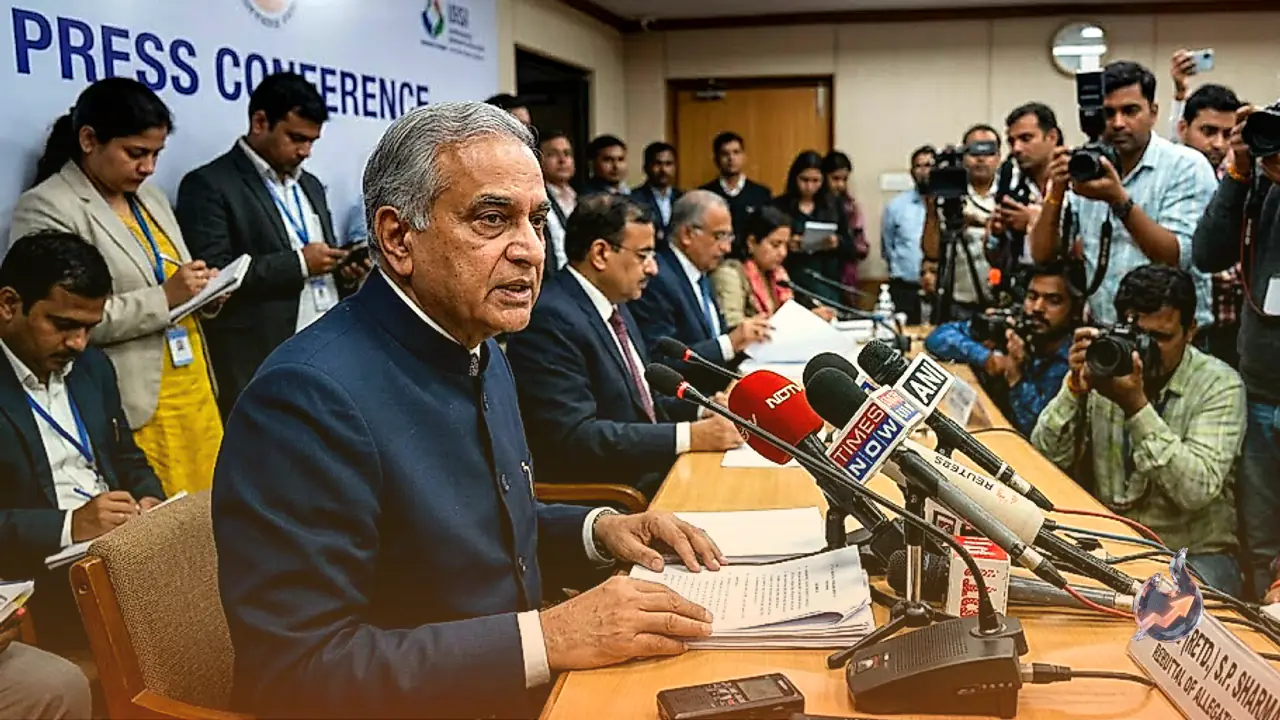

















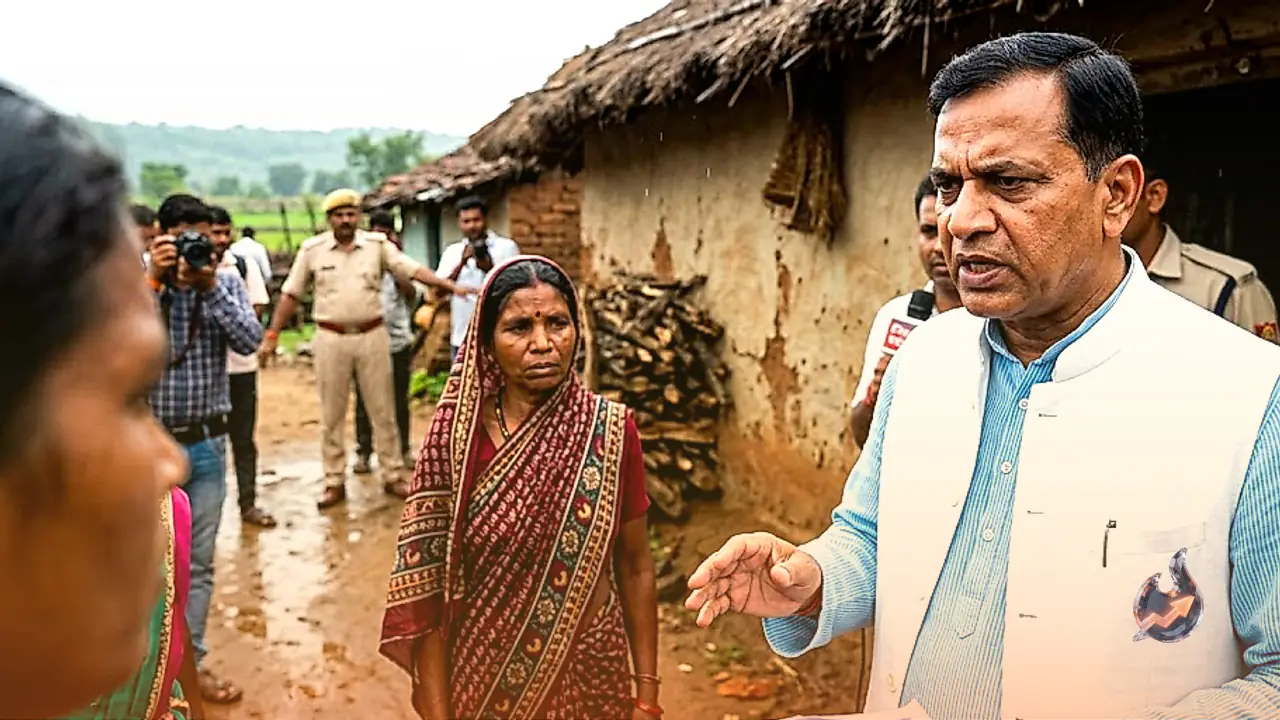

A sharp political confrontation has broken out in Madhya Pradesh as Congress MP and Leader of the Opposition in the Lok Sabha Rahul Gandhi arrived in Balaghat district to meet the grief-stricken families of Baiga tribal children who died due to malaria and other illnesses. The state's ruling Bharatiya Janata Party government quickly pushed back against the outreach, characterizing the visit as an opportunistic political maneuver. The state's Deputy Chief Minister and Health Minister asserted that the opposition leader is attempting to generate public confusion and extract political mileage from a sensitive situation after neglecting the region during its most turbulent periods.
State Government Questions Opposition Leader's Motives
Taking direct aim at the visit, Deputy Chief Minister and Health Minister Rajendra Shukla asserted that Rahul Gandhi's arrival in Balaghat comes after a long period of absence. He stated that an official holding the constitutional responsibility of Leader of the Opposition should have displayed genuine sensitivity years ago, when the local population was contending with the brutal impact of Left-Wing Extremism and severe isolation. Shukla maintained that arriving in the area today, after law and order and civil administration have been firmly restored, represents a calculated attempt to secure political advantage rather than a sincere effort to support marginalized communities.
Rollback of Extremism and Rebuilding of Public Services
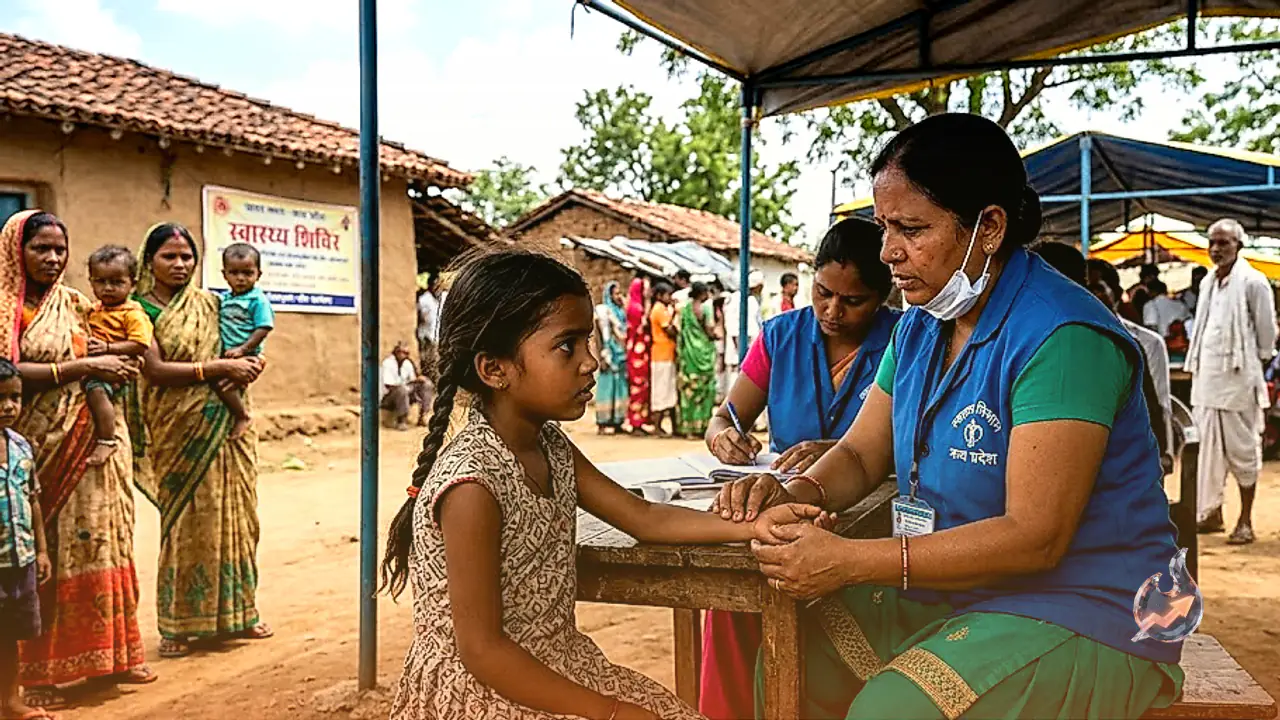
Highlighting the historical transition of the district, Shukla noted that Balaghat remained heavily impacted by Naxalite violence for decades. He stated that decisive initiatives under the leadership of Prime Minister Narendra Modi, Union Home Minister Amit Shah, and Chief Minister Mohan Yadav successfully eliminated the longstanding security threat. With the suppression of insurgent influence, the administration directed intensive efforts toward integrating local populations into mainstream developmental networks. Grassroots health outreach was expanded by mobilizing Anganwadi and ASHA workers, achieving comprehensive coverage for immunization programs, distributing ORS and zinc supplies, and deploying additional CDPOs to reinforce field monitoring.
Deployment of Over 3,100 Doctors to Rural Health Facilities
Addressing persistent shortages of medical personnel in rural pockets, the state health administration highlighted its extensive recruitment drive. More than 3,100 doctors have been formally posted across primary health centers situated in remote corners of the state. Out of these appointments, over 2,600 medical professionals have already assumed duty at their respective stations. This influx of qualified staff is aimed at resolving chronic physician deficits and ensuring that primary health centers can provide continuous outpatient services, medical evaluations, and vital care to tribal and forest communities without administrative delay.
Reinforcing Primary and Tertiary Healthcare Channels
Each primary health center serves an estimated population of 25,000 to 30,000 residents, providing a critical safety net for rural healthcare delivery. Beyond supplying cost-free diagnostic investigations and essential medicines, these facilities are tasked with strengthening maternal and child healthcare, early diagnosis and management of conditions like diabetes and high blood pressure, and managing seasonal infections. Patients presenting with complicated or critical conditions are systematically referred upstream to district hospitals and tertiary medical colleges. The administration emphasized that building resilience at the primary level is vital to preventing preventable disease outbreaks from overwhelming regional hospitals.
Stabilization Across 50 Villages in Two Blocks
Reviewing recent containment measures, Shukla confirmed that conditions across 50 vulnerable villages situated in two blocks of Balaghat are now entirely under administrative control. The curtailment of violent extremism made regular medical reporting, daily administrative surveillance, and field access viable in these remote settlements. The health minister noted that institutional births in Madhya Pradesh, which stood at a meager 21 percent prior to 2003, have surged to 92 percent in the present day. Chief Minister Mohan Yadav is personally conducting continuous monitoring of these healthcare frameworks to guarantee operational efficiency and supplies.
Accusations of Past Neglect Directed at Opposition
Delivering a broader critique of the opposition's historical governance, Shukla remarked that left-wing extremism had hollowed out national progress like a termite before current decisive measures were implemented. He argued that policies under previous Congress regimes allowed extremist networks to take root, depriving forest hamlets of roads, clinics, and clean water. The health minister asserted that political figures whose past decisions contributed to regional backwardness are now posturing as champions of empathy, accusing Rahul Gandhi of repeating misleading narratives to misinform the electorate.