















A large scale medical intervention has been activated across rural pockets of Madhya Pradesh's Balaghat district to suppress an unexpected disease surge that primarily affected young children. The regional administration immediately set the District Rapid Response Team (DRRT) into motion to prevent further spread. High level expert squads comprising paediatricians, epidemiologists, and entomologists were dispatched directly to the affected villages to evaluate the outbreak. A dedicated central team also visited the vulnerable locations to assist local medical personnel. Taking immediate cognisance of the situation, Chief Minister Dr. Mohan Yadav issued necessary instructions to senior officials, emphasising that the administration remains deeply sensitive to public health needs and is addressing the matter with complete urgency.
Extensive Door to Door Medical Screenings and Interventions
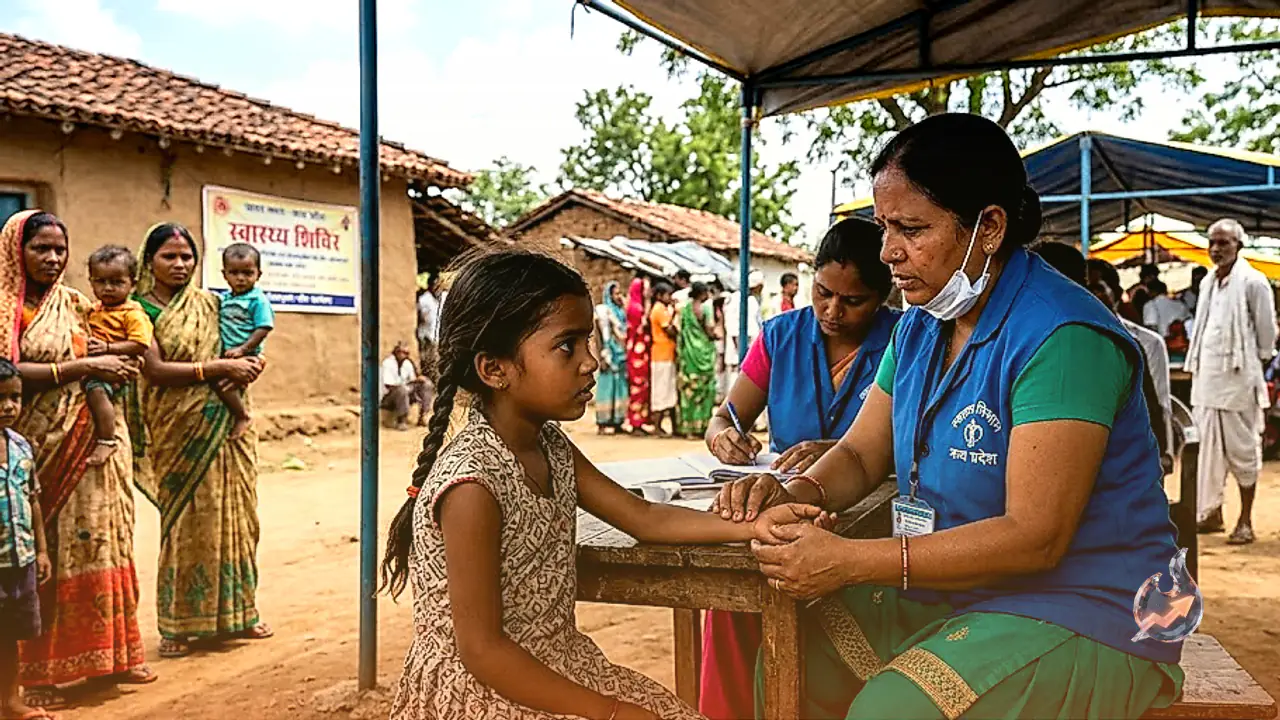
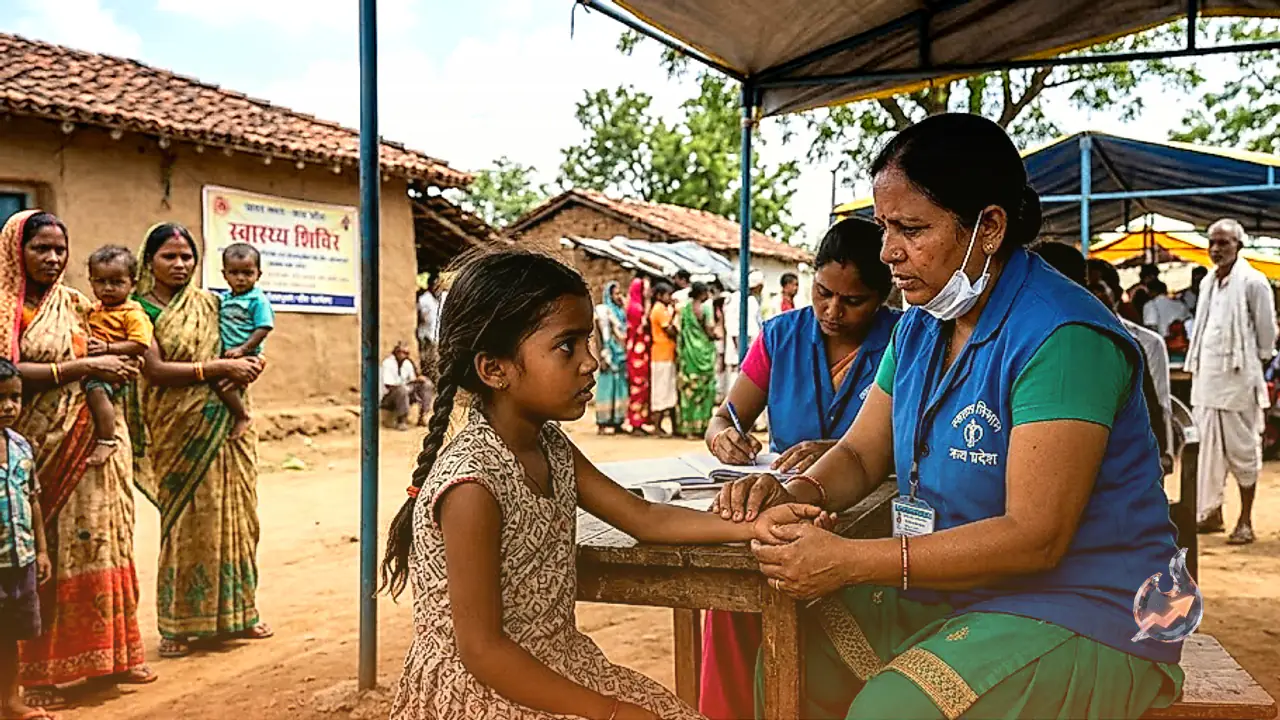
To identify patients and prevent complications, 57 specialised healthcare squads were deployed across 50 villages. These teams carried out medical screenings of 43,451 individuals on the ground. Among those examined, 6,537 patients showing mild symptoms were provided required medications and managed at their homes. However, 647 children suffering from severe illness were immediately admitted to hospitals for intensive medical attention.
As part of preventive measures, a focused immunisation initiative was carried out in Birsa block, where 35,827 children received the measles-rubella vaccine. To counter diarrhoeal complications, health workers distributed oral rehydration salts and zinc supplements to 163,902 households. Anti-vector interventions were also executed rigorously, with chemical spray and fogging completed in 8,610 houses. Diagnostic drives identified 980 positive malaria cases out of 26,865 individuals tested, and immediate treatment was started for all infected patients. Additionally, authorities distributed 3,600 mosquito nets across vulnerable hamlets.
Infrastructure Expansion and Budget Allocation for Rural Clinics
Alongside containment measures, significant financial sanctions and administrative steps were approved to reinforce rural healthcare infrastructure. To ensure safe and immediate transit for critically sick expectant mothers and children, Rs 3.60 lakh was allocated across Baihar, Birsa, and Katangi development blocks. An additional sum of Rs 3.40 lakh was granted specifically for the secure transportation of vaccines to distant outposts.
Financial approval of Rs 1.93 crore was granted for repairing 22 sub-health centres across the district, alongside Rs 24 lakh sanctioned to procure necessary medical diagnostic tools. A formal proposal requiring Rs 66 lakh has been placed before the cabinet to upgrade the Ghommur sub-health centre into a full-fledged Primary Health Centre (PHC). To meet the staffing demands of rural facilities, 54 new doctors were posted to the district. Malaria prevention was further strengthened by deploying 1 consultant and 4 technical supervisors. The Women and Child Development Department also posted 4 new CDPOs and recruited 52 workers and helpers to fill vacant anganwadi positions.
Rapid Response Despite Severe Weather and Difficult Terrain
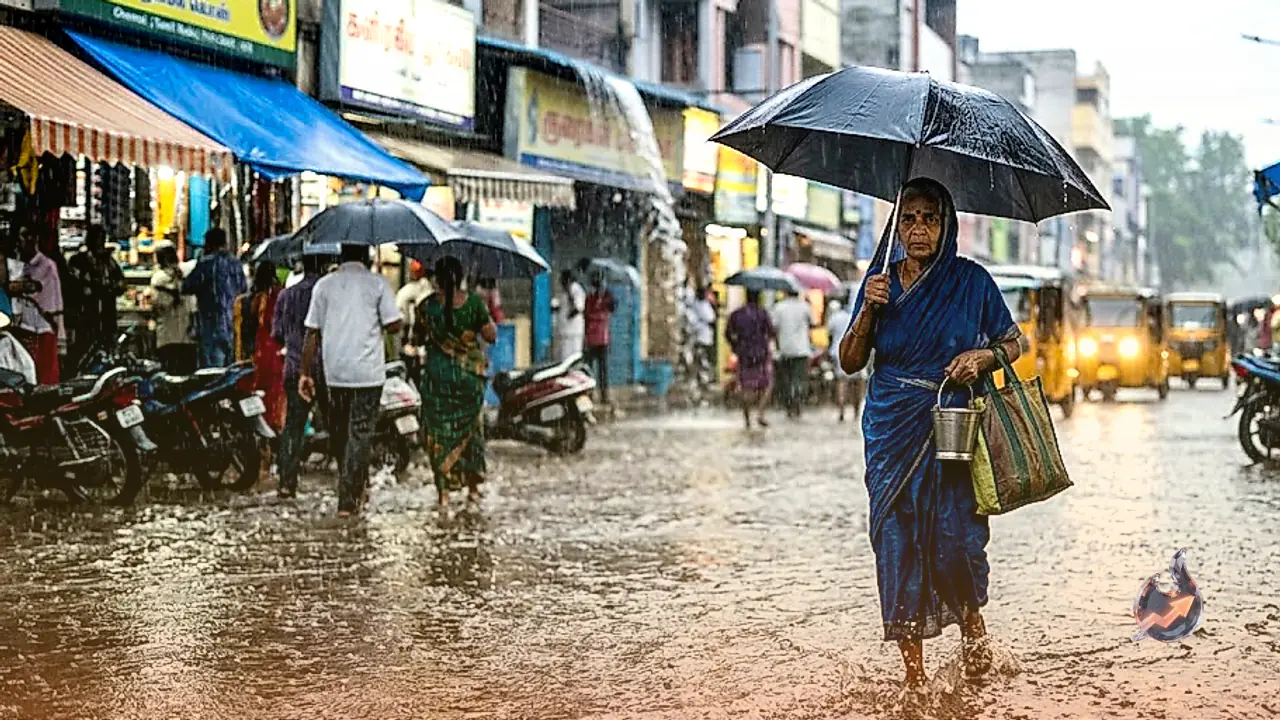
The first signs of this illness surfaced during the second week of July this year. Children residing in settlements surrounding the sub-health centre jurisdictions of Bondari, Kundekasa, Korka, Dandekasa, and Songudda within Birsa block developed high fever and bodily rashes. Medical teams mobilised without delay upon receiving the initial reports. Reaching these interior forest fringes presented serious challenges due to torrential rainfall and lack of paved routes, yet health personnel reached the locations and began administering treatment.
Close coordination among national, state, and district medical units proved instrumental in safeguarding thousands of lives. The deployed personnel did not restrict their work to medical therapy alone; they actively addressed contributing factors like contaminated drinking water, local superstitions, and the hazardous influence of quacks. Filling vacancies of healthcare providers, posting new physicians, and upgrading peripheral clinics have served as the vital backbone of rural care throughout the response.
Transformative Shifts in Maternal and Child Health Across Decades
The sustained attention on primary health infrastructure in Balaghat has yielded visible outcomes over the last two decades. A comparison between data from 2003 and 2026 illustrates significant improvements across critical metrics. Institutional deliveries, which stood at a mere 21.50 percent in 2003, reached 92.10 percent in 2026. Similarly, the proportion of safe childbirths escalated from 41.50 percent in 2003 to 94.10 percent by 2026. Complete childhood immunisation coverage expanded from 47.50 percent to 92.70 percent over the same period.
Maternal and infant survival figures have recorded a dramatic decline in mortality. In 2003, the district recorded approximately 176 maternal deaths, an annual figure that dropped to 60 by 2026. This downward trend saves roughly 116 mothers every year, accumulating to approximately 2,650 maternal lives saved over 23 years. Infant fatalities witnessed a corresponding reduction, falling from around 3,805 deaths in 2003 to 1,560 in 2026. Consequently, an estimated 2,245 infants survive annually who would otherwise have succumbed to preventable conditions, saving approximately 51,600 infant lives across the past 23 years.