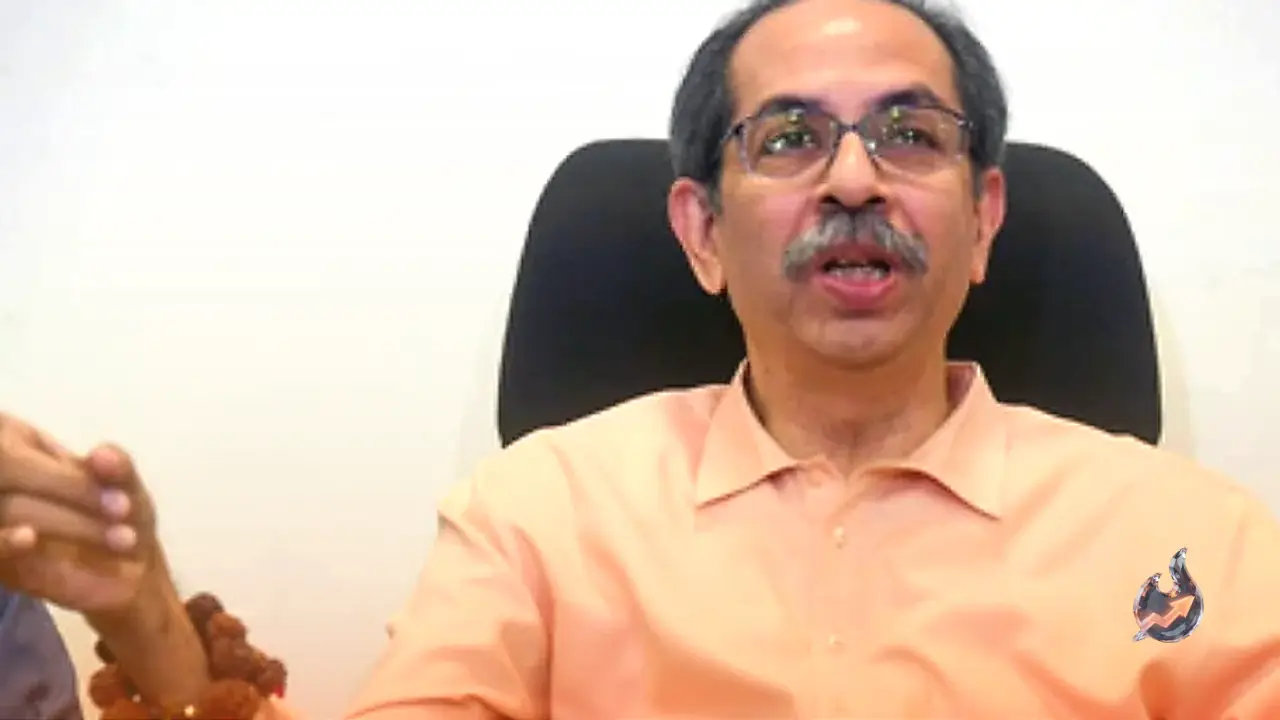





















Social activist Manoj Jarange Patil has officially called off his 20-day hunger strike, which he had undertaken to press for Maratha reservation demands in Maharashtra. The decision came after weeks of intense agitation that drew massive crowds and widespread attention across the state. His health had deteriorated significantly over the course of the prolonged fast, raising serious concerns among his supporters and well-wishers regarding his physical well-being.
Health Complications Prompt Shift in Strategy
Addressing thousands of supporters late at night around two o'clock in Patoda, located in the Beed district, the activist detailed the severe physical toll the fast had taken on his body. He explained that continuous fasting left him extremely exhausted, making it impossible for him to undertake the planned long-distance foot march to Mumbai accompanied by a massive convoy of supporters. Taking into account this severe physical strain and earnest appeals from the community, he decided to temporarily pause this phase of the protest.
Strict Three-Month Deadline for the Government
While concluding the fast, a strict three-month ultimatum was issued to the administration to resolve all pending demands concerning reservations for the Maratha community. He delivered a clear warning that the government must not mistake this grace period for weakness or capitulation. Should the authorities fail to issue the official gazette notification regarding reservations and neglect fulfillment of the core demands within the stipulated timeframe, the agitation will return to the streets with renewed intensity and double the strength.
Directives Issued to Community Supporters
Following his departure from Patoda, specific instructions were communicated to members of the Maratha community urging them to avoid trailing behind his vehicle in a large motorcade. Instead, they were asked to meet him directly at Khopoli. He cautioned that if supporters continued to tail his vehicle despite instructions, he would halt his journey entirely and either resume his sit-in protest in Patoda or return directly to Antarwali Sarati.
Asserting Community Political Clout
Emphasizing the collective strength of the community, he stated that fighting for the children of his society had taken a heavy toll on his physical health, yet he confronted the government without backing down. He asserted that his community stands above any political government, comparing its stature to that of a father figure, and declaring that the community possesses the political leverage to both unseat existing administrations and install new ones.
Significance of Historical Records and Gazette Demand
Highlighting the progress made during the movement, he noted that uncovering approximately 5.8 million historical records, locally known as nondi, provided crucial momentum to the cause. He claimed that these verified historical documents could potentially help extend reservation benefits to roughly 2.5 million people within the Maratha population. He reiterated that the topmost priority remains compelling the government to officially recognize these relevant records and issue a formal gazette notification immediately.