






















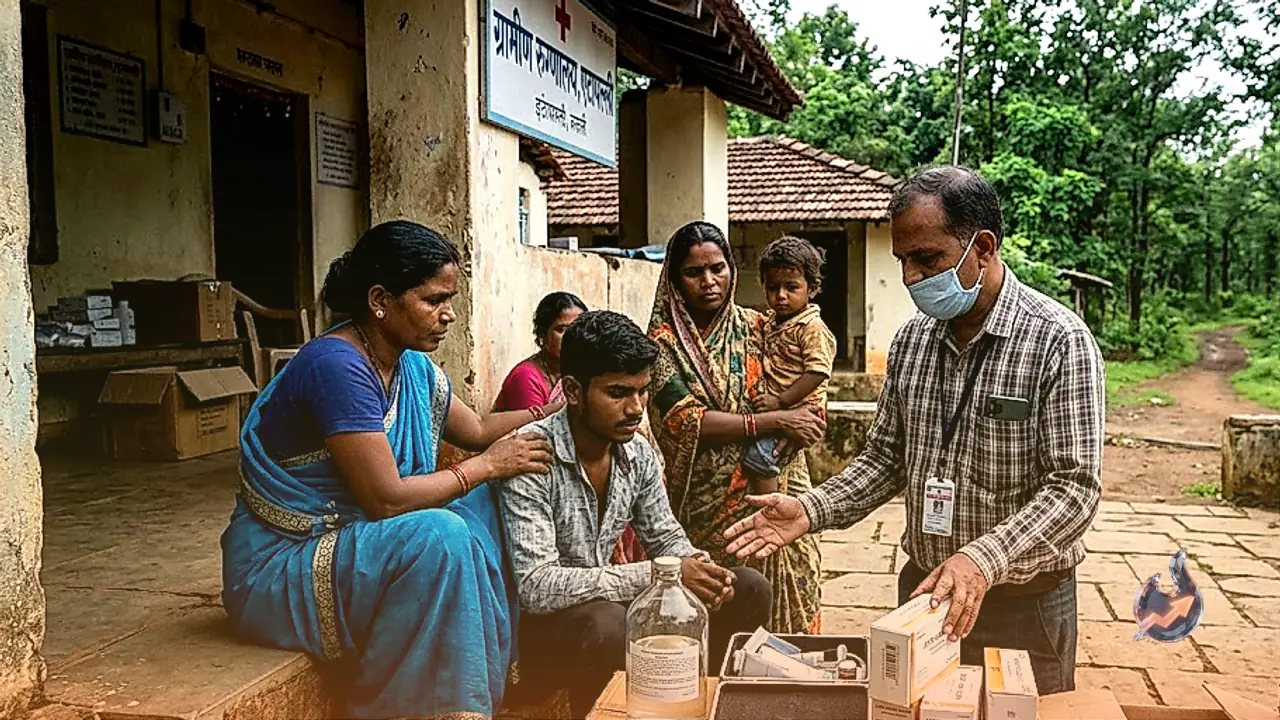

The National Human Rights Commission, or NHRC, has ordered states and union territories across India to fix chronic gaps in snakebite treatment after taking suo motu notice of two separate deaths linked to snake bites. The commission has directed authorities to guarantee adequate stocks of anti-snake venom, or ASV, in remote and snakebite-prone areas so that victims get life-saving treatment without delay and do not lose their lives waiting for medicine that should have been on hand.
What states have been told to do
A bench of the NHRC headed by Member Priyank Kanoongo has asked every state and union territory to first identify areas that are particularly vulnerable to snakebite incidents. The bench has also directed them to compile data on such cases and strengthen health and emergency medical facilities in those pockets, so that no victim is left waiting to reach a hospital or a functioning health centre.
Safety of tribal hostels also under scrutiny
The commission has raised serious concerns about ashram shalas and other tribal and residential hostels located in forests and remote regions. It has directed a review of the infrastructure and safety standards at these hostels, covering the availability of adequate beds or cots, the presence of enough wardens and staff, safe sleeping arrangements for students, campus security, and immediate medical assistance in any emergency.
Three students died in Gadchiroli
Of the two cases before the NHRC, the first is from Gadchiroli district in Maharashtra, where three tribal girl students died after being bitten by a snake at the hostel of a tribal residential school. The incident raised serious questions about the hostel's basic facilities and its safety arrangements, prompting the commission to take up the case on its own.
Anti-venom did not reach the victim in time in Chitrakoot
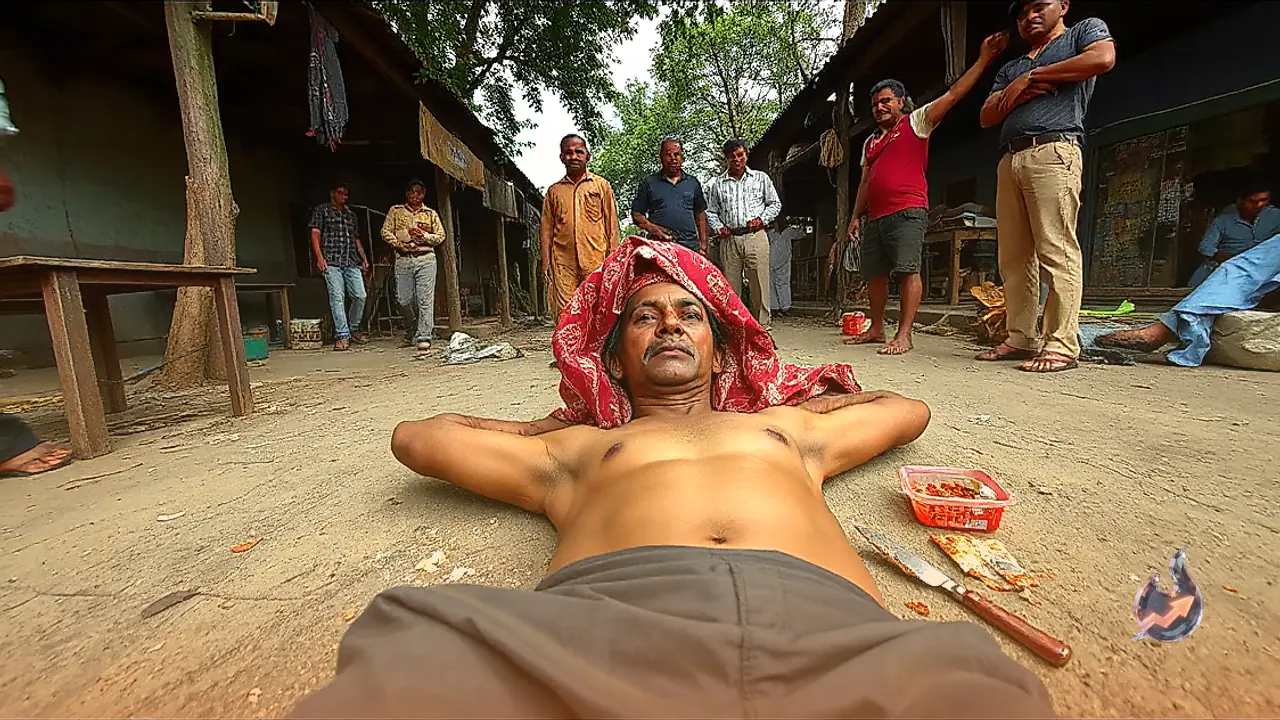
The second case is from Chitrakoot district in Uttar Pradesh, where it is alleged that a snakebite victim could not be given anti-snake venom in time during treatment, after which he died. In both cases, the NHRC has asked the concerned officials to file an Action Taken Report within a stipulated time frame, so it becomes clear what improvements have actually been made on the ground and whether the lapses that led to these deaths have been fixed.