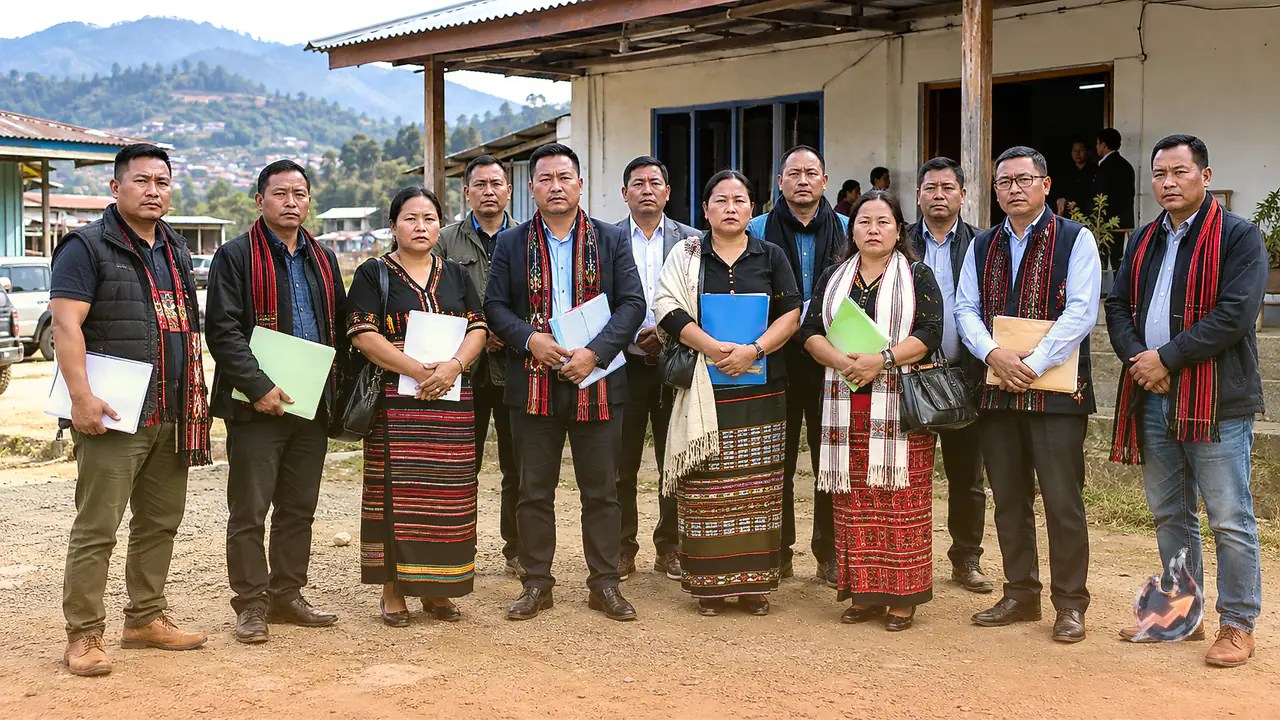



















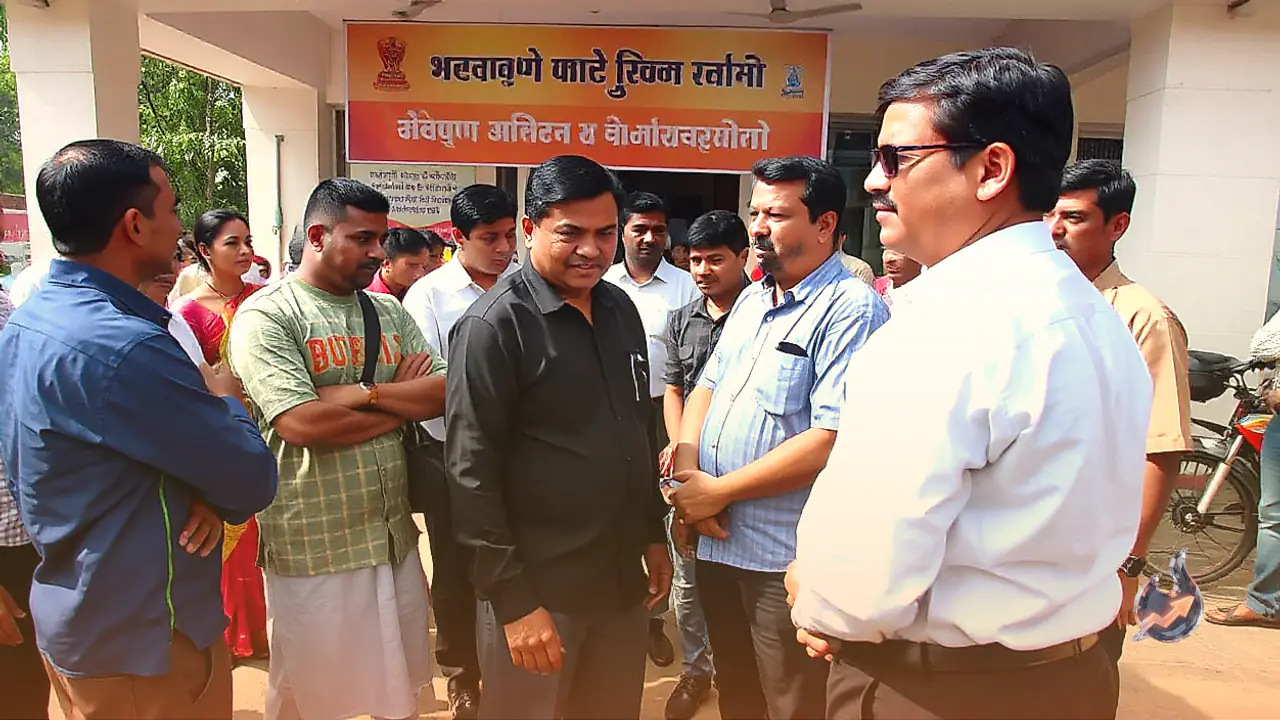

During the 78th Information and Public Relations Day gathering held at the Directorate auditorium in Nityaipat Chuthek, Imphal, senior officials stressed the urgent need to revamp the state information machinery. Addressing the event, Oinam Sunil Singh, Advisor (Media) to the Chief Minister, alongside IPR Secretary Neeta Arambam, outlined structural measures to modernize information delivery across Manipur. The focus centered on expediting government news distribution, restoring wider usage of the Manipuri language in press statements, and introducing a formal regulatory framework for emerging digital news platforms.
Accelerating Verified Updates for Media Outlets
Serving as the chief guest of the event, Oinam Sunil Singh urged the Directorate of Information and Public Relations (DIPR) to upgrade its professional capacities to ensure verified official news reaches journalists without procedural delays. He explained that a faster flow of factual updates enables newspapers, broadcasters, and news agencies to access critical administrative developments in time. Timely dissemination directly supports broader, more comprehensive coverage across regional publications while ensuring citizens receive authenticated government facts ahead of unverified rumors.
Expanding Manipuri Communication Across Communities
Highlighting inclusive communication, Singh emphasized the need to expand public announcements in Manipuri, also known as Meiteilon. He noted that the Directorate had previously operated an established routine for issuing public information in the language. Describing Manipuri as a common communication bridge connecting the 36 diverse communities of Manipur, Singh stated that utilizing it more actively in administrative releases would promote linguistic heritage and democratize public access to official directives. He asked DIPR officials to deliberate on the matter and implement practical steps to revive and broaden press bulletins in Manipuri.
Digital Media Policy and Historical Evolution of DIPR
Addressing the evolving digital media landscape, Singh recommended formulating a dedicated digital media policy alongside a structured registration mechanism under the Directorate. Such a framework would account for the rising footprint of online news operations across the state and foster greater institutional accountability.
Speaking on operational duties, IPR Secretary Neeta Arambam detailed the department’s twin responsibilities of disseminating facts and managing community relations. She observed that modern communication requires elevated accountability because digital networks carry both authentic and deceptive material to global audiences within seconds. Arambam emphasized that precision and transparency remain vital for public communication, particularly across the department’s newly inaugurated web portal. Recounting the historical progression of the organization, she noted that the department was initially established in 1949, elevated to Directorate status in 1974, and subsequently expanded its operations to various district headquarters in 1975.