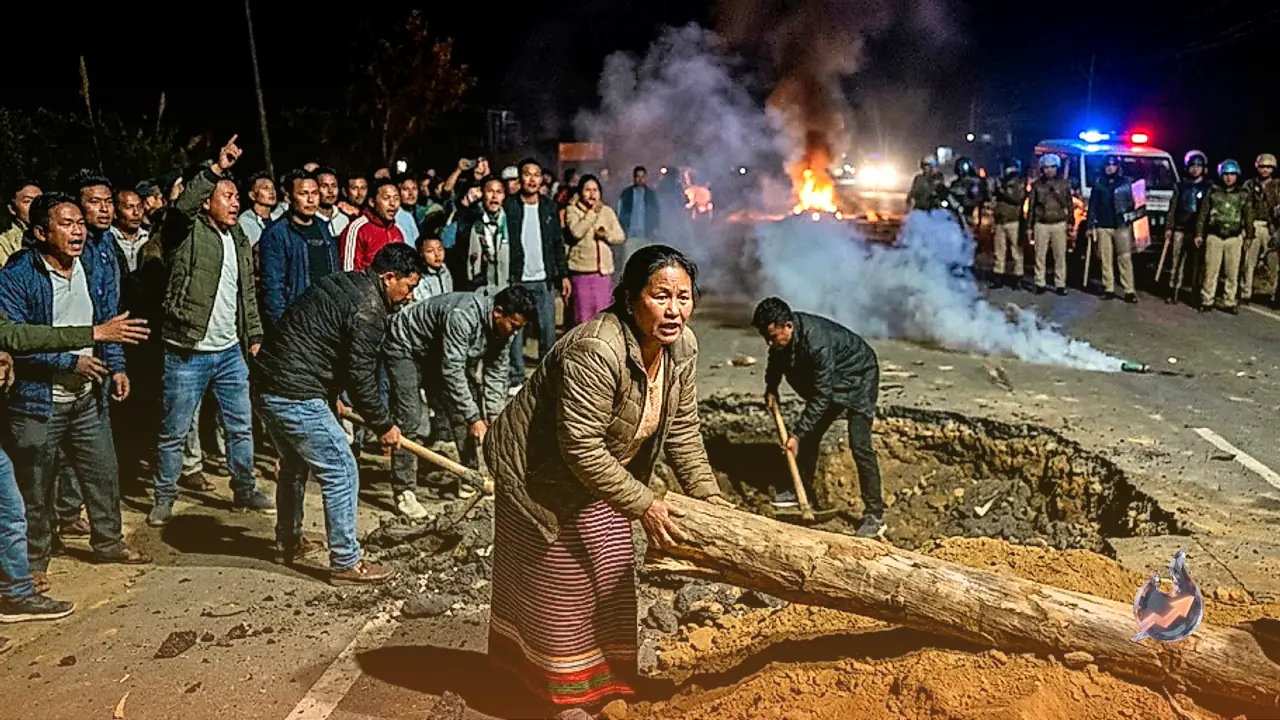
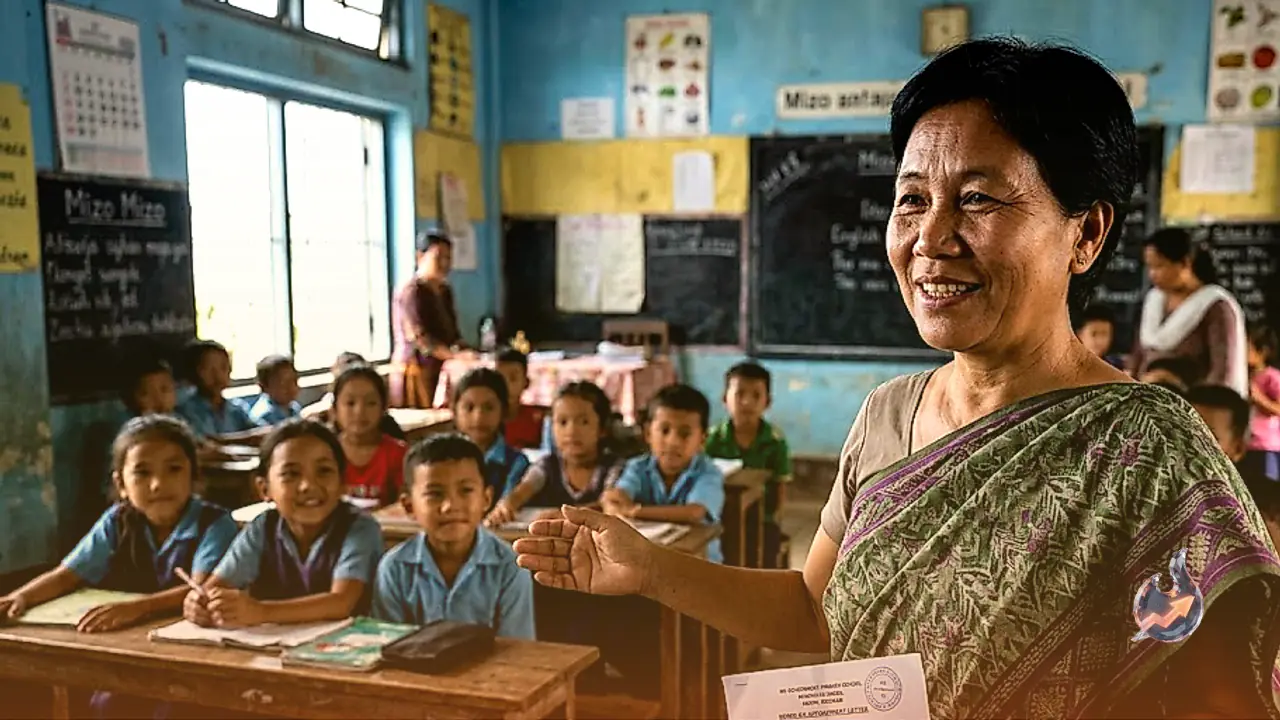



















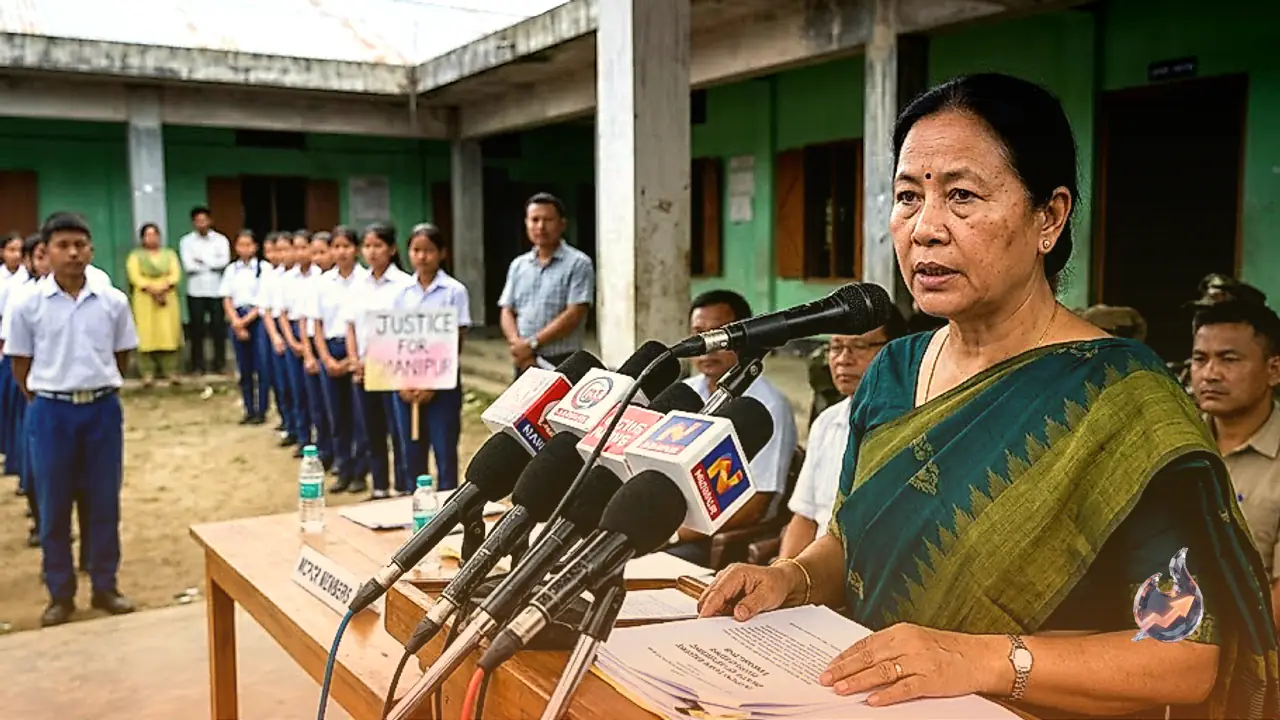

Alarmed by the persistent vulnerabilities faced by young learners in conflict-impacted zones, the Manipur Commission for Protection of Child Rights has urged authorities to immediately reinforce protective infrastructure for minors and students across the state. The statutory panel specifically underscored the urgent necessity of deploying dependable security details along hazardous transit routes and near educational centres. Prompting this formal intervention was the fatal shooting of a 17-year-old student hailing from Upper Nkou (Takou) village within Tamenglong district, an incident that has triggered widespread outrage.
Fifteen-Day Deadline for Comprehensive Action Taken Report
Taking direct cognizance of the teenager's demise, the rights commission issued an explicit directive on Tuesday instructing the concerned district administration and law enforcement agencies to submit a comprehensive Action Taken Report within a strict 15-day timeframe. The requested documentation must outline the active pace of criminal investigation, procedural steps taken toward prosecution, and the disbursement of relief alongside ex-gratia financial assistance for the grieving household. Furthermore, authorities must delineate specific preventative arrangements implemented to shield young residents residing in exposed localities.
Condemnation of Violence Targeting Minors
The commission voiced intense distress over the alleged homicide orchestrated by armed miscreants, pressing for a swift and uncompromising probe to unpack the circumstances behind the attack and establish legal culpability. Observing a disturbing pattern where minors repeatedly end up as casualties amid regional unrest, the panel insisted that young lives must remain insulated from ongoing hostility. Expressing its stance plainly, the panel noted,
“Such incidents are wholly unacceptable and constitute a serious violation of the rights, safety and dignity of every child.”
Coordinated Monitoring Across Educational Corridors
To prevent future tragedies, the rights body highlighted the critical need for well-fortified monitoring systems around daily commuting corridors frequented by school-goers, academic campuses, and rural pockets where underage populations confront severe safety risks. Additionally, the commission appealed for seamless real-time coordination among district authorities, local police units, school administrators, and grassroots administrative bodies. Such institutional synchronisation is deemed vital for mapping looming perils in advance and executing decisive protective interventions whenever the welfare of children is compromised.