























The Federal Reserve’s latest outlook points to a higher interest rate path and a somewhat stickier inflation picture. The 2026 rate forecast has moved to 4.1%, while the annual projections also place the federal funds rate at 4.1% for 2027, up from 3.6% in June. The policy announcement delivered the expected 25 bps hike, and the accompanying emphasis on inflation sent the US dollar sharply higher while wiping out gold’s intraday advance.
A higher rate path through 2028
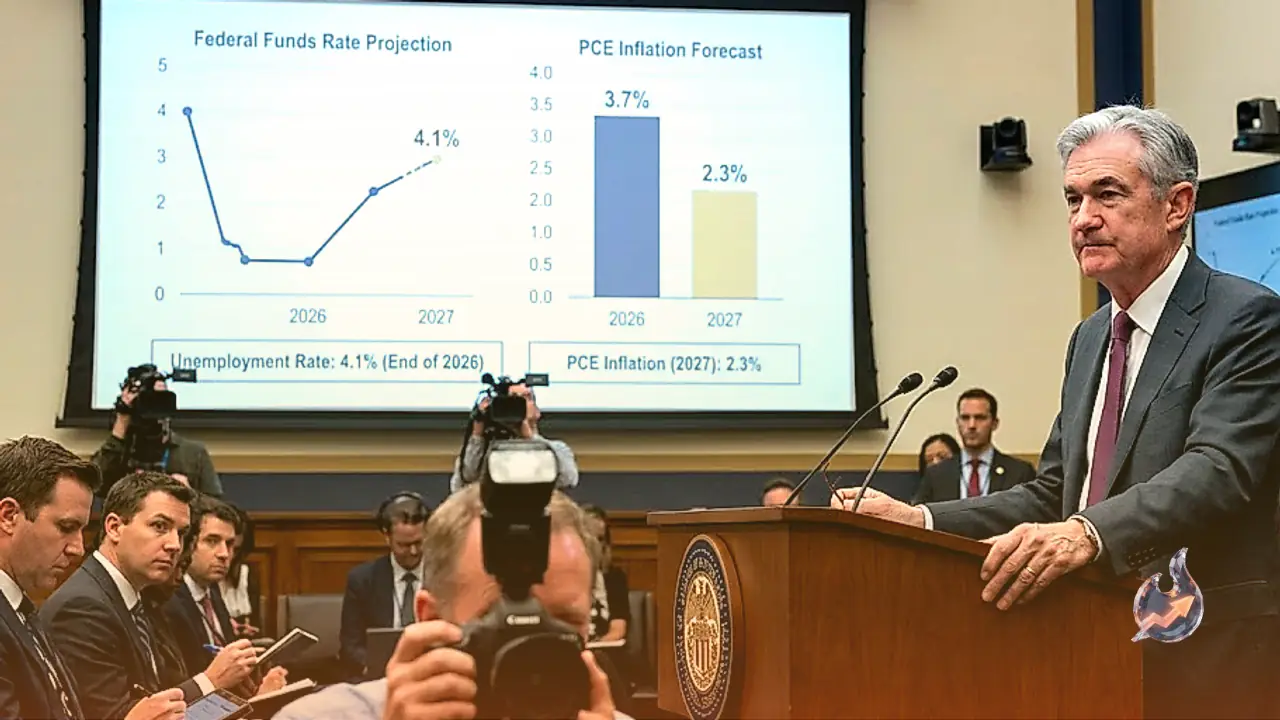
The 2027 federal funds rate is now placed at 4.1%, compared with 3.6% in June. By 2028, the projected rate declines to 3.9%, still above the earlier 3.4% figure. The longer-term rate increases to 3.2% from 3.1%. Taken together, these figures show that policymakers are mapping a slower decline in rates than they outlined in June. The 2026 forecast at 4.1% and the 2027 projection at the same level reinforce the message that monetary easing is not expected to move as far or as quickly as previously anticipated.
Labor outlook improves, inflation estimate edges up
By the end of 2026, officials expect unemployment to settle at 4.1%, compared with the earlier 4.3% estimate. The 2027 estimate also holds at 4.1%, below June’s 4.3%. That revision presents a firmer labor outlook even as the inflation forecast moves in the opposite direction. Personal Consumption Expenditures, or PCE, inflation is estimated to reach 3.7% by the end of 2026, a small increase from June’s 3.6% estimate. The 2027 estimate is 2.3%, unchanged from June. The combined forecasts therefore show unemployment expected lower than previously thought, while short-term inflation is expected to be marginally higher.
Fed acts as inflation concerns shape the message
The central bank increased rates by 25 bps, matching expectations. The decision itself was anticipated, but the tone after the announcement carried the larger market message. Policymakers expressed concern about inflation, and that language quickly produced bets that additional hikes could arrive before the end of the year. At the subsequent press conference, Chair Kevin Warsh struck a distinctly hawkish tone. Those remarks reinforced the view that officials remain prepared to keep policy restrictive if price pressures stay elevated. No additional increase has been confirmed; the market reaction reflects expectations formed after the decision and the press conference.
Dollar rally reaches currency pairs
AUD/USD below 0.7100
During the opening part of Thursday’s Asian session, AUD/USD was below 0.7100. The pair came under pressure as the US dollar soared after the Federal Reserve’s monetary policy announcement. The move placed the Australian dollar on the defensive against its US counterpart and showed the breadth of the dollar’s rise across currency markets.
USD/JPY reaches a fresh weekly high
Early Thursday, USD/JPY hovered near 156.00, a fresh weekly high. The US central bank’s 25 bps increase in the benchmark rate matched expectations, but the dollar’s surge gave the pair additional momentum. Kevin Warsh’s hawkish press conference comments added to demand for the greenback and pushed the yen further under pressure.
Gold gives up its intraday advance
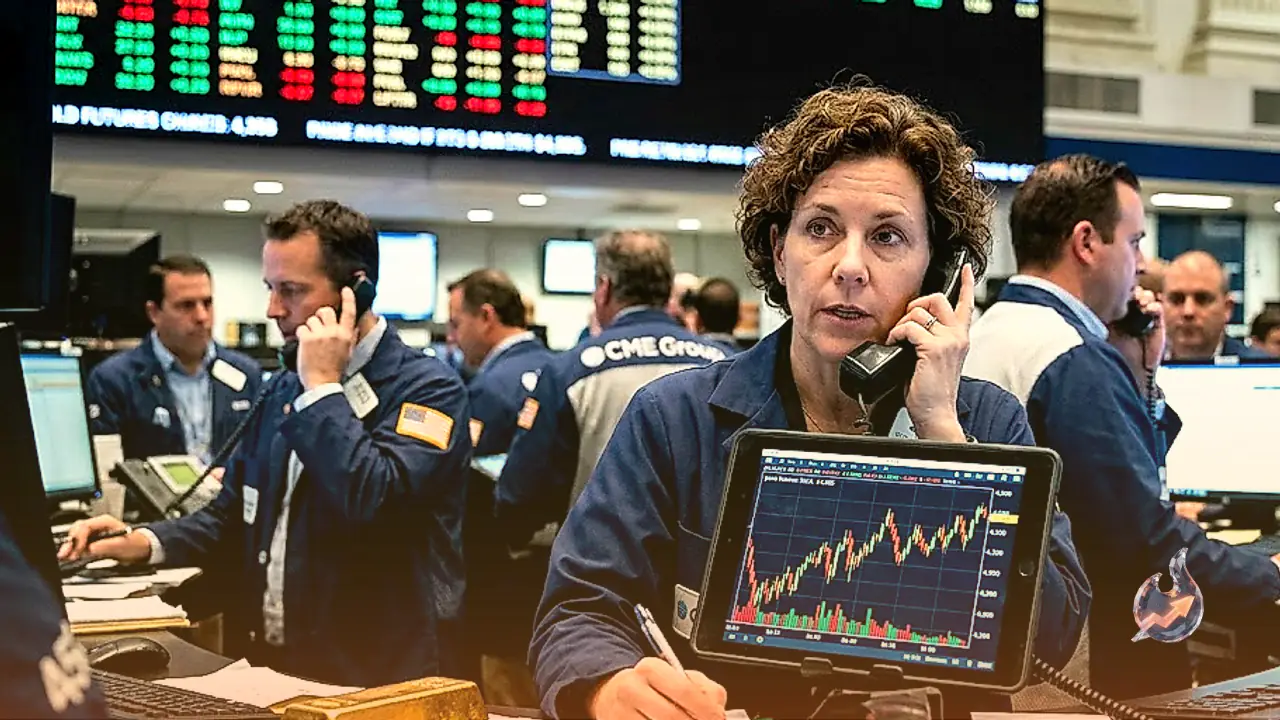
Gold reversed course after the expected 25 bps increase from the Federal Reserve. The metal erased its intraday gains and moved into negative territory soon after the decision. XAU/USD briefly climbed above $4,360 before turning lower, and the price is now accelerating toward the $4,250 zone. Hawkish comments from Kevin Warsh fueled expectations of more rate increases before the end of the year, adding to the pressure on gold. The sequence left gold traders facing a sharp change in direction after the earlier rise.
Japan’s low-rate funding model approaches a new phase
More than a decade of exceptionally low rates in Japan has helped fund trillions of dollars in investments around the world. That policy positioned the Japanese yen among the cheapest funding currencies globally. Most major economies moved rates higher, leaving Japan as the notable exception. Another tightening by the Bank of Japan is expected this week. Such a move could mark a new phase for the funding advantage created by Japan’s exceptionally low rates. The possible shift matters because cheap yen funding has supported global investment flows, so further tightening in Japan could alter the calculations behind those positions.
Markets price a more restrictive outlook
The market reaction linked the rate decision, the revised projections and the central bank’s language into one tighter outlook. A 4.1% federal funds rate for 2027, 3.9% for 2028 and a 3.2% rate over the longer term all sit above earlier estimates. At the same time, the 2026 PCE inflation forecast of 3.7% is a small increase from June’s 3.6%, while unemployment is expected to be lower at 4.1%. That combination helped the dollar rally against the Australian dollar and yen, while gold surrendered its gains. Traders are also watching Japan, where another policy tightening is expected this week. The result is a potentially important transition for positions funded in dollars and yen, although the market bets do not amount to a confirmed schedule for another Federal Reserve hike.