
























Federal Reserve policy dynamics took center stage in global financial markets as Cleveland Fed official Beth Hammack delivered a firm assessment on economic conditions, insisting that the central bank must act decisive now to counter persistent price pressures. With inflation staying above the standard targeted levels for an extended period, concerns are compounding over whether the public's confidence in returning to price stability is beginning to erode. Hammack stressed that current monetary measures are not exerting sufficient restriction on the broader economy, setting a hawkish backdrop as investors prepare for major data revisions and key speeches from central bank leadership.
Persistent Inflation Demands Action, Warns Fed's Beth Hammack
Addressing the ongoing economic climate, Beth Hammack noted that while the most recent inflation numbers met official expectations, the sheer persistence of elevated prices dictates immediate monetary attention. The continuous series of economic shocks has left inflation anchored above the Federal Reserve's long-term target of 2%. Hammack highlighted that her personal contacts across business and community sectors consistently voice deep concerns regarding rising living expenses and everyday costs. The primary danger facing policy planners is that an inflationary mindset could firmly take hold among consumers and enterprises alike, weakening their faith that price growth will eventually subside to baseline targets.
The Neutral Rate Debate and Public Inflation Psychology
A major focus of Hammack's commentary centered on the concept of the neutral rate of interest, which represents the theoretical monetary policy stance where interest rates neither spur economic expansion nor contract financial activity. Hammack revealed that her own projection for the neutral rate lies on the upper end of the range submitted by Federal Open Market Committee participants. In her evaluation, neutral monetary conditions become evident when observed in real economic performance, and currently, central bank settings are not providing the degree of restriction required to cool price momentum quickly. She underscored that waiting too long risks embedding higher price expectations into wage contracts and commercial pricing strategies.
How Federal Reserve Policy Shapes Interest Rates and the US Dollar
The Federal Reserve functions under a dual mandate established by law: achieving price stability and fostering conditions for maximum employment. To steer the economy toward these goals, the Fed utilizes interest rate adjustments as its chief instrument. When inflation rises past the 2% threshold, the central bank elevates interest rates to increase the cost of borrowing across mortgages, corporate loans, and consumer credit. Higher borrowing costs moderate demand throughout the economy while making dollar-denominated assets more attractive to international capital. Consequently, rate increases frequently drive up the value of the US Dollar against competing currencies. Conversely, when economic growth falters or unemployment climbs, rate reductions lower borrowing costs to stimulate credit, which tends to depreciate the greenback.
Inside the Federal Open Market Committee Framework
Monetary policy decisions in the United States are crafted during eight scheduled policy meetings held throughout the year by the Federal Open Market Committee. The FOMC brings together twelve key policy figures, including the seven members of the Federal Reserve Board of Governors and the president of the Federal Reserve Bank of New York. The remaining four voting positions are filled on a rotating one-year basis by the presidents of the eleven other regional Federal Reserve Banks. Together, these officials evaluate comprehensive economic indicators, employment metrics, and inflation trends to establish the appropriate target range for the federal funds rate.
Unconventional Tools: Understanding Quantitative Easing and Tightening
Beyond traditional interest rate adjustments, the Federal Reserve maintains powerful non-standard balance sheet tools to navigate complex economic crises. Quantitative Easing, famously deployed during the 2008 Great Financial Crisis, represents an aggressive mechanism to restore liquidity when standard rate cuts prove insufficient. Under Quantitative Easing, the central bank generates new dollar reserves to purchase massive volumes of high-grade government and mortgage-backed securities from commercial financial institutions, thereby lowering long-term interest rates and expanding total system credit. This influx of currency usually places downward pressure on the US Dollar value. In contrast, Quantitative Tightening operates in reverse: the Fed stops purchasing securities and lets maturing principal expire without reinvestment, shrinking its balance sheet and removing excess liquidity from circulation, which generally supports the greenback.
Global Currency and Commodity Markets React Ahead of Jackson Hole
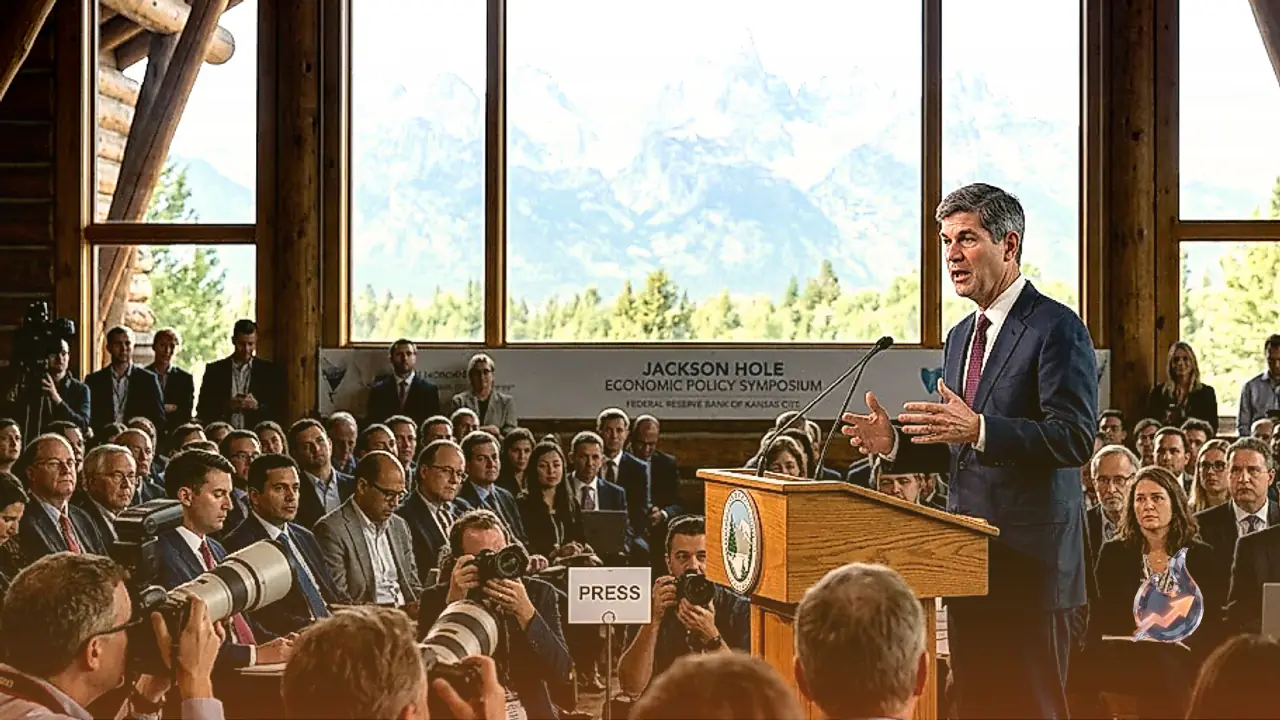
Financial asset prices experienced notable swings across multiple asset classes as market participants processed the latest Federal Reserve commentary alongside incoming macroeconomic data. In foreign exchange markets, GBP/USD staged a minor recovery toward levels just below the 1.3600 technical barrier after touching fresh six-day lows. Meanwhile, EUR/USD managed to steady itself, paring earlier session losses to reclaim the mid-1.1600 territory. The broader market sentiment remained cautious as investors focused on upcoming releases, including non-farm payroll revisions, and anticipated the inaugural Jackson Hole Symposium address by Federal Reserve Chair Kevin Warsh. In precious metals, spot Gold extended its midweek decline, touching fresh weekly lows near $4,570 per troy ounce as steady Treasury yields limited upside potential.
Energy Strain: Diesel Margins Surge to Record Heights
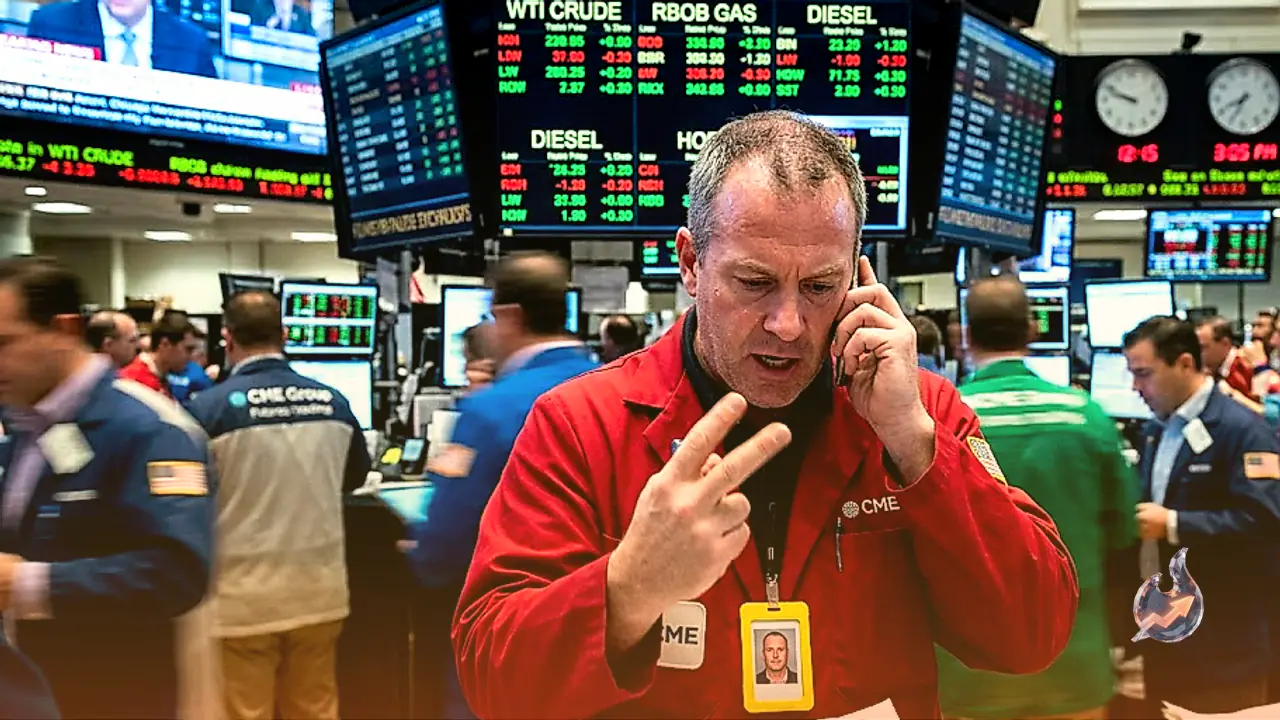
While crude oil prices appeared relatively range-bound compared to previous volatility, refined energy products signalled significant structural strain. The US diesel crack spread, which measures the gross operational margin of refining ultra-low sulphur diesel futures relative to West Texas Intermediate crude oil, surged past $100 per barrel for the first time in history. The crack spread reached an intraday record high above $102.00, reflecting severe refinery tightness, inventory depletion, and robust industrial demand for distillate fuels. This historic spread highlights underlying energy cost pressures that could feed directly into global logistics, agriculture, and freight transportation costs.
Cryptocurrency Trends and Precious Metals Under Pressure
In contrast to traditional commodities facing monetary headwinds, major digital assets staged modest upside moves. Bitcoin pushed upward to test levels near $80,000, bringing renewed buyer attention to the broader crypto sector. Leading altcoins mirrored Bitcoin's short-term bullish direction, with Ethereum consolidating above $2,500 and Ripple holding ground above its crucial $1.40 support level. However, global market sentiment remains closely tied to central bank policy expectations, as traders assess whether persistent inflation and record refining margins will prompt policy makers like Kevin Warsh and Beth Hammack to advocate for prolonged monetary restriction across global financial systems.