























West Texas Intermediate crude oil prices weakened after recording minor gains in the prior session, slipping to trade near $90.80 per barrel during Asian trading hours on Thursday. The pullback comes despite underlying potential for an oil rebound, driven by deep uncertainty surrounding diplomatic negotiations between the United States and Iran. Global energy markets continue to navigate a delicate balance between escalating Middle Eastern geopolitical tensions, shifting shipping dynamics, and evolving national trade strategies.
Pezeshkian Defies US Sanctions and Warns on Hormuz Passage
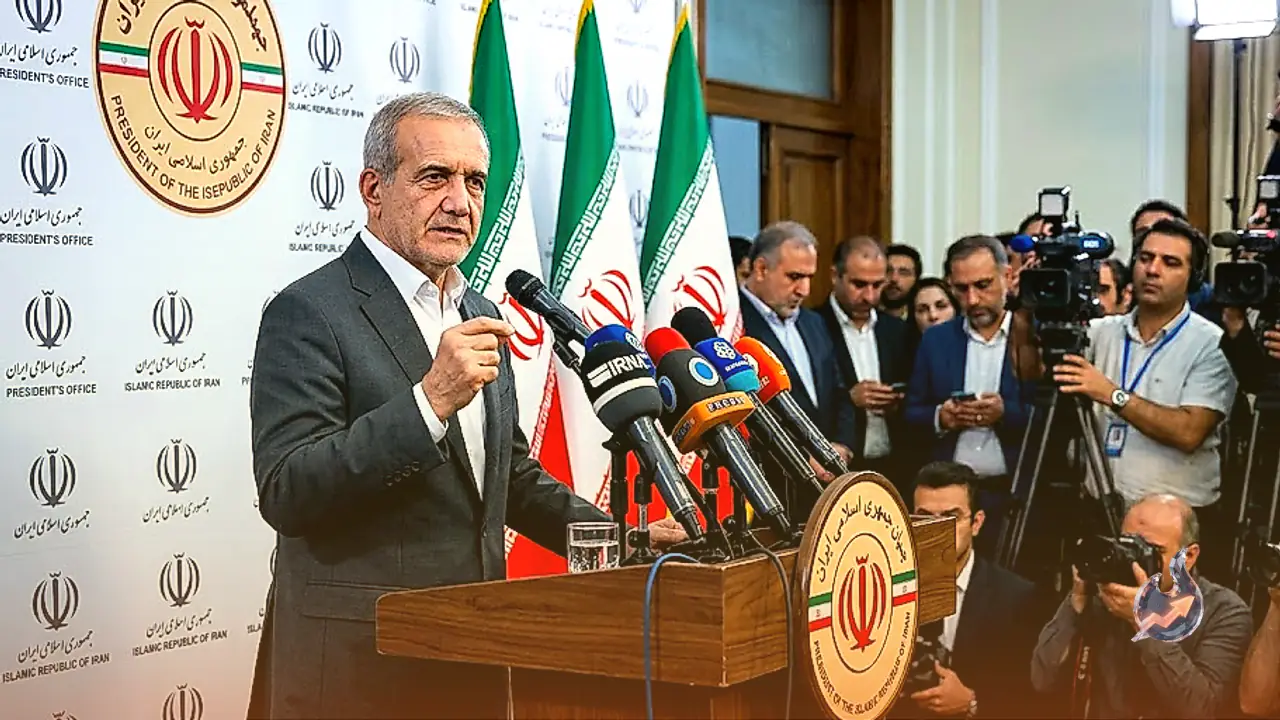
Addressing the United Nations General Assembly, Iranian President Masoud Pezeshkian firmly stated that Tehran has no intention of capitulating to external threats, reaffirming the country's sovereign right to develop nuclear technology for civilian economic development. Masoud Pezeshkian escalated tensions further by warning that Iran stands ready to restrict the freedom of maritime navigation through the critical Strait of Hormuz for the entire duration that American sanctions and economic blockades remain enforced. The waterway serves as one of the world's most critical transit corridors for seaborne petroleum exports, making any disruption an immediate systemic risk to global crude flows.
Diesel Export Adjustments and Shifting Energy Infrastructure
In Washington, domestic fuel security has prompted targeted administrative interventions. United States Energy Secretary Chris Wright stated that the administration of Donald Trump is actively coordinating with domestic refiners to secure voluntary cutbacks in diesel shipments abroad. This collaborative approach provides an alternative mechanism to avoid imposing an outright, mandatory overseas export embargo. Simultaneously, other major regional corridors are adjusting their operational posture. Saudi Arabia is advancing preparations to bring oil exports back online through its pivotal East-West pipeline system. In Eastern Europe, Ukrainian President Volodymyr Zelenskyy noted that discussions took place with President Donald Trump concerning the potential establishment of a targeted energy ceasefire.
Elevated Market Positioning Leaves Prices Sensitive to Headlines
Financial analysts at TD Securities observe that market participants are displaying evident skepticism toward incoming diplomatic announcements. TD Securities strategists noted that market players remain unconvinced regarding prospective peace or settlement headlines until tangible, verifiable agreements are reached. The bank warned that speculative long positioning across crude futures has expanded significantly, leaving trading desks increasingly exposed to sudden news volatility. Consequently, current price stability appears unusually fragile, driven more by shifting speculative market sentiment than by underlying physical supply and demand balances alone.
West Texas Intermediate as a Global Petroleum Benchmark
West Texas Intermediate represents one of the primary grades of crude oil traded across global financial exchanges. Alongside Brent and Dubai Crude, WTI forms the foundation of international crude pricing benchmarks. Within energy trading, it is designated as a light, sweet grade due to its lower density and low sulfur concentration. These physical characteristics make it exceptionally easy to process into refined consumer fuels like gasoline. Extracted across the United States, WTI relies on the storage and pipeline infrastructure centered around Cushing, Oklahoma, famously recognized as the pipeline crossroads of the world. Because of this standardized access, WTI prices serve as an essential reference throughout international commodity media.
Supply, Demand Drivers, and the Influence of Currency Valuations
Like any traded commodity, the valuation of WTI crude reflects fundamental shifts between physical availability and global consumption. Broad economic expansions lift commercial transportation and manufacturing demand, pushing prices upward, whereas cyclical macroeconomic slowdowns erode consumption. Geopolitical clashes, warfare, and sanctions can suddenly choke supply bottlenecks, creating sharp upward price spikes. Production decisions by the Organization of the Petroleum Exporting Countries introduce major supply shifts that heavily sway market levels. Furthermore, because international crude oil contracts are priced and settled predominantly in United States dollars, currency fluctuations directly alter purchasing power. A softer dollar makes crude contracts less expensive for overseas buyers, whereas an appreciating dollar dampens global buying appetite.
Weekly Inventory Tracking: Reading API and EIA Metrics
Traders closely watch weekly crude inventory statistics issued by both the American Petroleum Institute and the Energy Information Administration to evaluate physical supply conditions. Reductions in domestic commercial stockpiles generally point to stronger refinery demand, which exerts upward pressure on benchmark prices. Conversely, notable inventory builds suggest slowing consumption or surplus supply, pushing prices downward. The American Petroleum Institute issues its preliminary figures each Tuesday, with the Energy Information Administration releasing its formal government accounting the following day. These datasets generally correlate closely, with reported changes falling within 1 percent of each other in approximately 75 percent of instances. Market participants, however, attribute greater authority to EIA data due to its standing as an official United States government agency.
Production Quotas and the Influence of OPEC Plus
The Organization of the Petroleum Exporting Countries comprises 12 oil-producing member nations that meet biannually to determine collective production quotas. Adjustments agreed upon during these sessions consistently alter WTI pricing trajectories. Deciding to curb output quotas tightens available global barrels and drives prices higher, while raising production targets exerts downward pressure on oil benchmarks. The alliance expands its reach through the OPEC+ coalition, which incorporates ten allied non-OPEC nations, most prominently Russia.
Cross-Asset Reaction: Foreign Exchange, Gold, and Equities
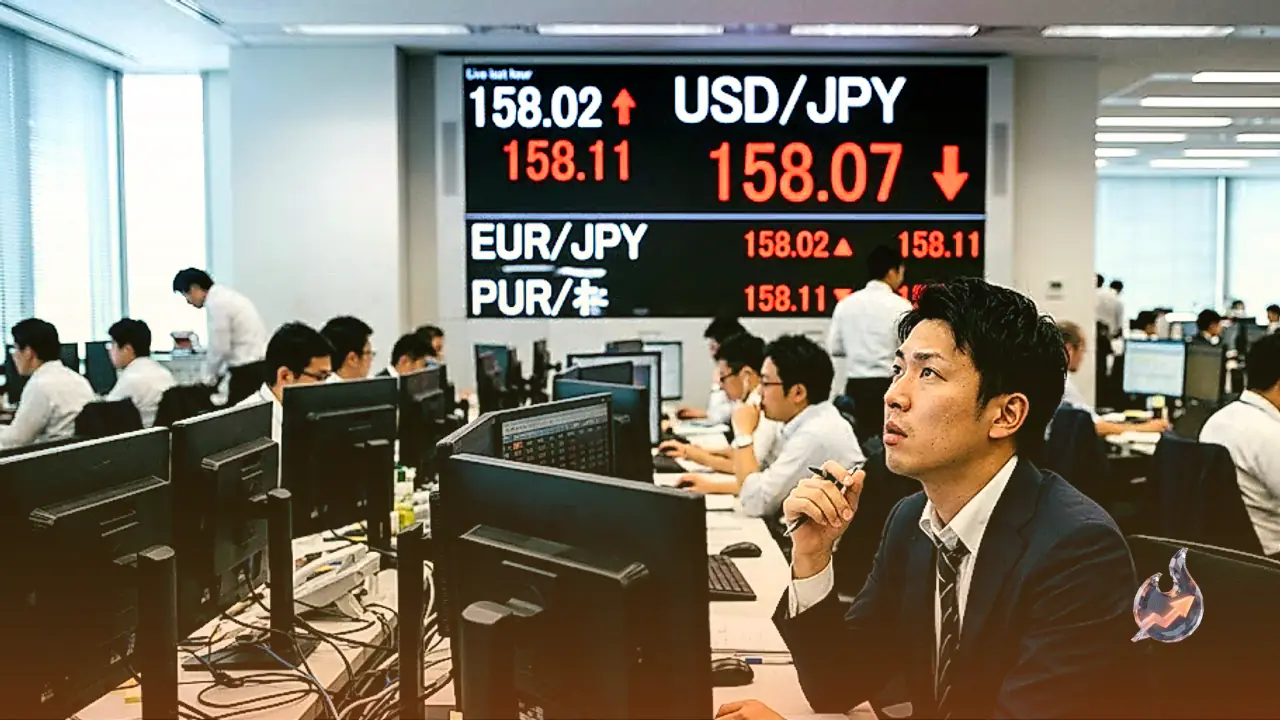
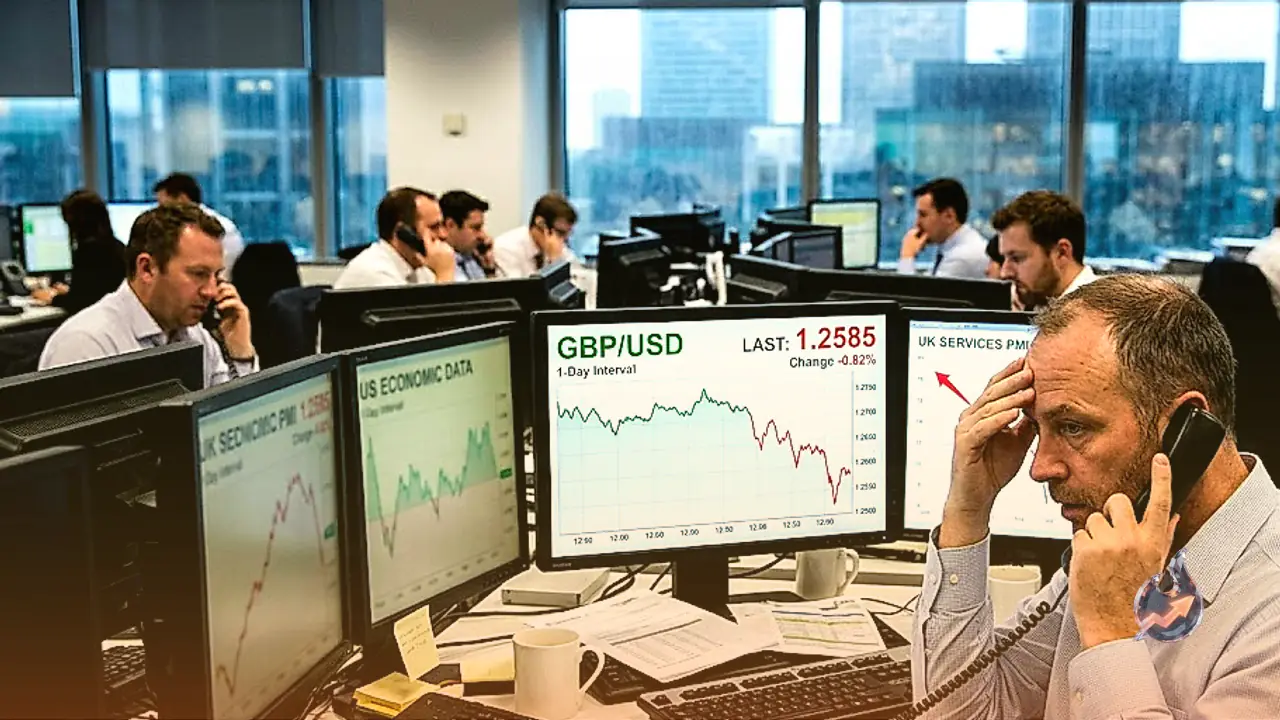
The ripple effects of oil swings and interest rate prospects are impacting wider financial assets. During Thursday's Asian market session, the Australian dollar held near its weakest level since August 7, remaining below the mid-0.7000s territory as investors weighed upcoming Australian employment figures and an anticipated meeting between Donald Trump and Xi Jinping. Stronger expectations for Federal Reserve rate hikes have pushed United States Treasury bond yields near multi-year highs, reinforcing a nearly two-month high for the US dollar. The USD/JPY pair hovered near a three-week peak around 158.35, pressured by a weaker Japanese yen following a dovish rate hike. Gold traded under pressure below $4,300 per ounce, restrained by firm bond yields and a rising dollar. In broader equity markets, ascending energy costs and climbing bond yields have derailed early-week equity momentum. Concurrently, the Bank of Japan advanced its policy normalization path, voting 7-2 to elevate its short-term interest rate target from 1.00% to 1.25%, an outcome that aligned directly with broad consensus expectations.