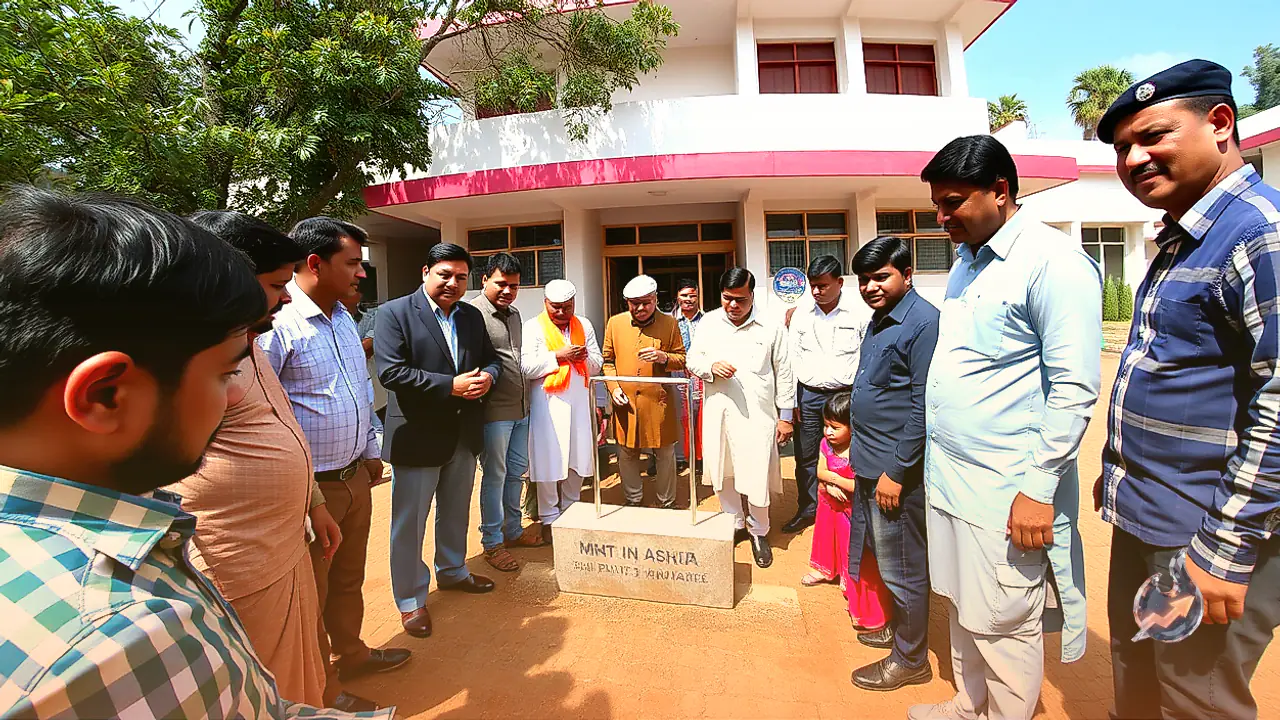



















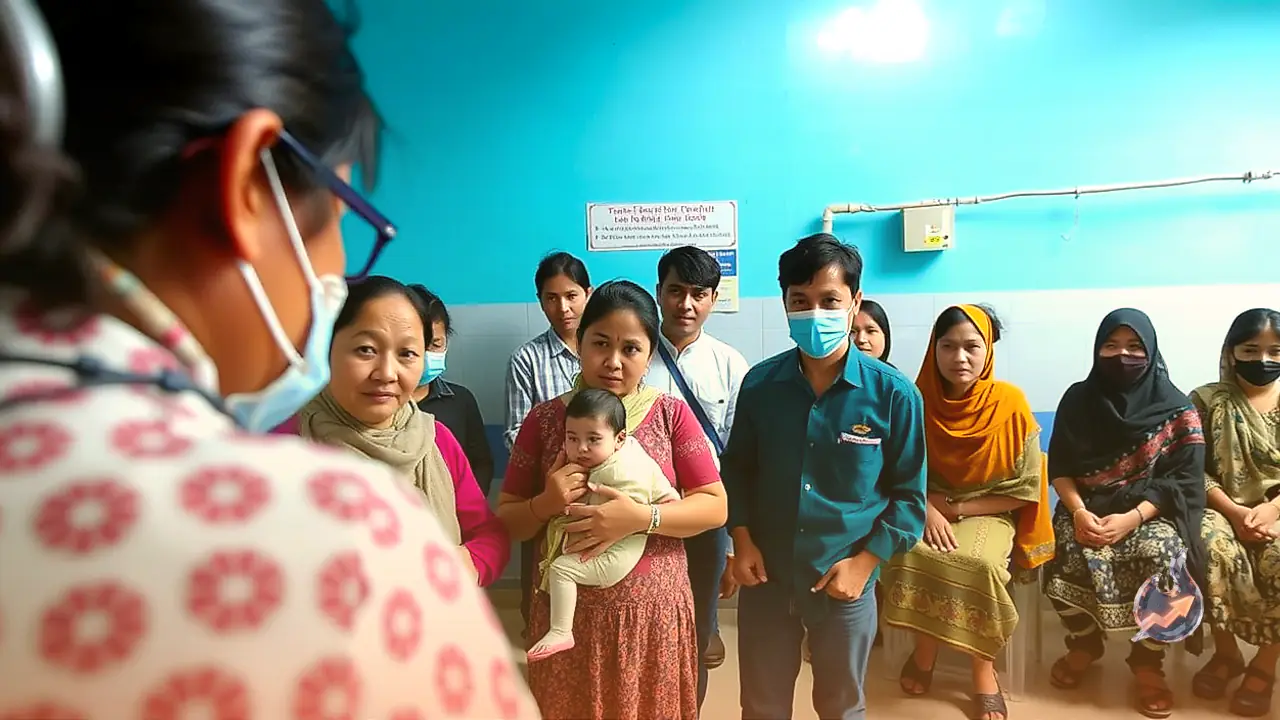

Specialised maternal care and critical newborn medical infrastructure have received a significant boost in the remote highlands of Meghalaya. A dedicated Maternal and Child Health (MCH) Hospital constructed with an outlay of Rs 31.05 crore was formally brought into service on Thursday at Nongstoin, the administrative center of West Khasi Hills district. The operationalisation of this specialist facility marks a crucial healthcare milestone for rural communities, eliminating the need to transport high-risk expectant mothers and medically fragile infants to Shillong under emergency circumstances. The event took place alongside Minister Methodius Dkhar and legislators Gabriel Wahlang and R.G. Momin.
Clinical Infrastructure and On-Site Oxygen Plant
The newly commissioned hospital in Nongstoin integrates a wide range of emergency and specialised clinical capabilities. Designed to deliver comprehensive maternal and pediatric care, the complex houses an outpatient consultation section (OPD), an integrated pathology laboratory, an emergency assessment wing, fully equipped labour suites, an Intensive Care Unit (ICU), a Neonatal Intensive Care Unit (NICU), and a modular operation theatre suite. To secure an uninterrupted supply of medical oxygen, a Pressure Swing Adsorption (PSA) generation facility built at an expense of Rs 0.37 crore has been added to the compound.
Health authorities have additionally slated a District Early Intervention Centre (DEIC) for the facility, dedicated to diagnostic screening and early therapeutic support for developmental delays, congenital disorders, and childhood disabilities. This medical project received urgent administrative priority because the district of West Khasi Hills has historically suffered some of Meghalaya's steepest infant and maternal mortality numbers, leaving local families vulnerable during obstetric emergencies.
Grassroots Redressal Through CM Connect
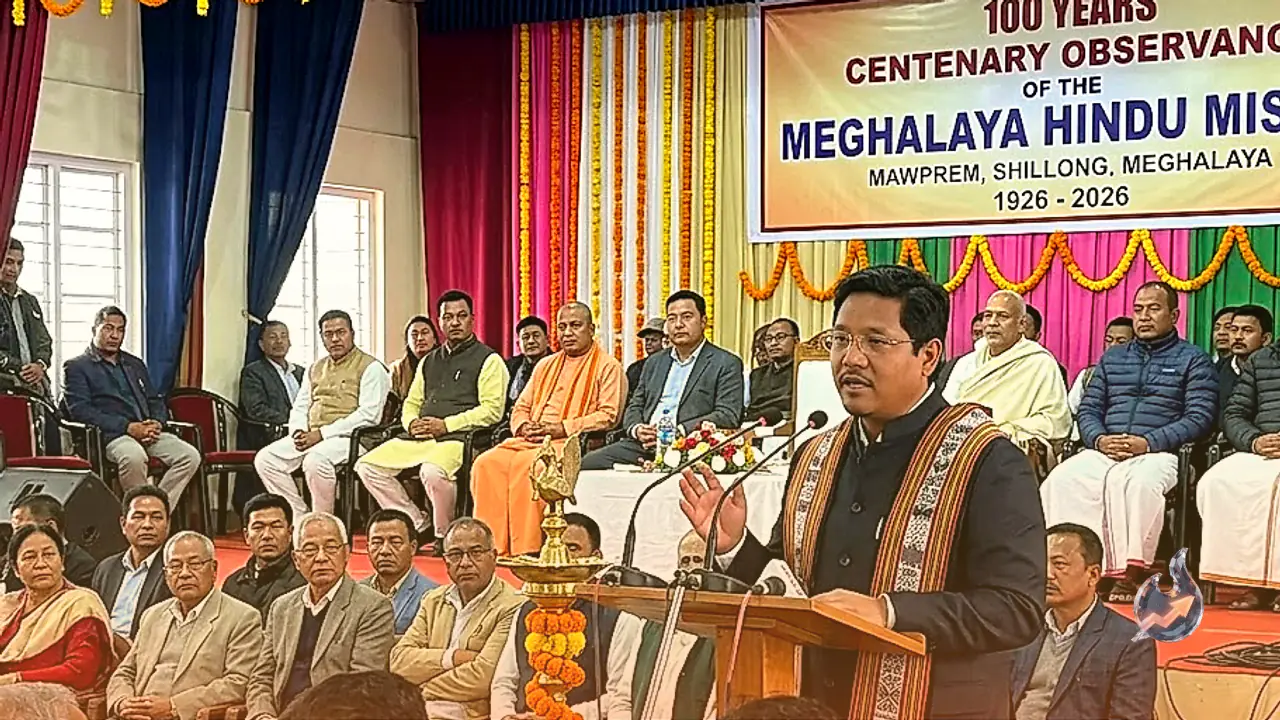
Tracing the origin of the healthcare project, Chief Minister Conrad K. Sangma explained that establishing the hospital was an administrative commitment originating directly from public representations during the CM Connect outreach drive. Following citizen appeals, technical leadership from the state Health Department inspected the site in November 2025, finalising logistics, clinical staffing assignments, medical equipment installations, and pharmaceuticals to prepare the center for patient intake.
Terming the outreach initiative an open bridge between villagers and the administration, Sangma described CM Connect as “maybe one of the best forms of democracy that we can have.” He noted that the Prime Minister as well as the Prime Minister's Office had urged him to showcase this citizen engagement framework as an administrative best practice before Chief Ministers across the country. Acknowledging that public governance inevitably brings demanding expectations and grievances, he emphasized that public servants cannot step away from difficult challenges and must confront them directly.
During the opening event, recognition was accorded to the private resident who donated the land parcel where the healthcare facility now stands. An ambulance contributed by IDBI Bank under corporate social responsibility funds was also formally inducted into the health fleet, enhancing emergency transport capability for complicated deliveries across rugged terrain. In a public message, the Chief Minister wrote on X that local availability of maternal and neonatal care reinforces the government's healthcare roadmap across the state.
Road Projects Worth Rs 498 Crore Converging on Nongstoin
Alongside the medical center, foundation stones were laid for multiple civil works aimed at transforming connectivity and social infrastructure in the district. These include the Golden Jubilee Garden in Nongstoin, an updated District Institute of Education and Training (DIET) academic building, and the Sohpian to Nongstoin roadway carrying an estimated cost of Rs 22.27 crore. Addressing the gathering, Sangma asserted that regional development initiatives must extend well beyond the traditional urban hubs of Shillong and Tura.
The largest public works undertaking in the immediate zone is the Rs 383.91 crore modernization of the 35-kilometer Maweit to Nongjri corridor along the Nongstoin-Maweit-Nongjri highway, establishing crucial transport links between Nongstoin and Ranikor in South West Khasi Hills. When combined with the Rs 63.01 crore Nongstoin-Maweit highway section backed by RIDF, the Rs 22.27 crore Sohpian-Nongstoin link, and the Rs 29.12 crore PMGSY-III road connecting Nongkhlaw, Byrki, and Umdohlun with two new bridges, cumulative highway capital directed around Nongstoin totals Rs 498.31 crore. State engineers and contracted construction teams have been directed to ensure rigorous standards, including robust shoulders, paved footpaths, and comprehensive storm drainage.
Fifty-Year Milestone and Administrative Accountability
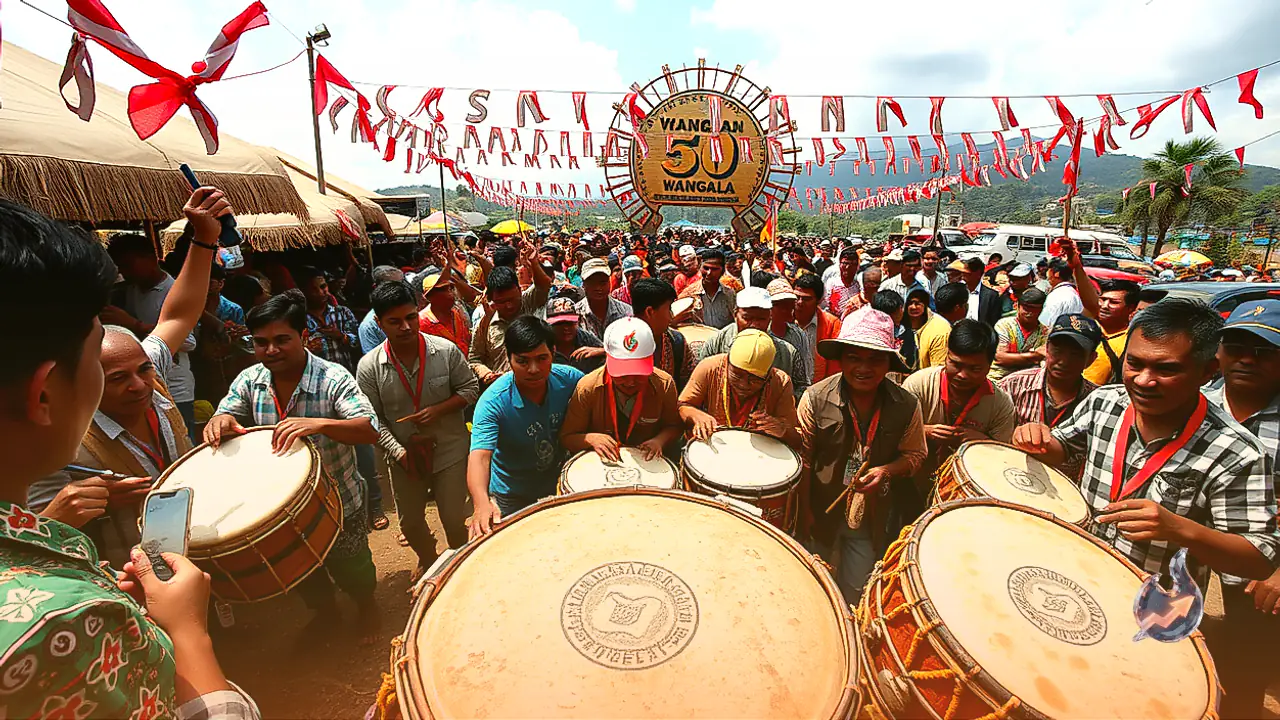
Monitoring duties for ongoing public works were entrusted to the Deputy Commissioner and the constituency legislator, with instructions to flag construction bottlenecks straight to the head of government. Noting that West Khasi Hills is observing its 50th year of creation, Sangma stated that the coming period must define the district's economic future. He urged regional administrators to draft target milestones across three, five, 10, and 50-year planning horizons so the local youth can actively align with development goals.
Across the preceding eight-year period, sectoral investments surpassing Rs 900 crore have been deployed across West Khasi Hills, matching similar programmatic outlays across South West Khasi Hills, South Garo Hills, and East Jaintia Hills. Highlighting overdue infrastructure, he cited the sanctioning of the Rs 450 crore Sutnga-Saipung road, a project left unaddressed since the state achieved statehood. Urging civil servants to value their public responsibilities, Sangma reminded the administrative team that even ten seconds of dedicated effort could transform a citizen's life.