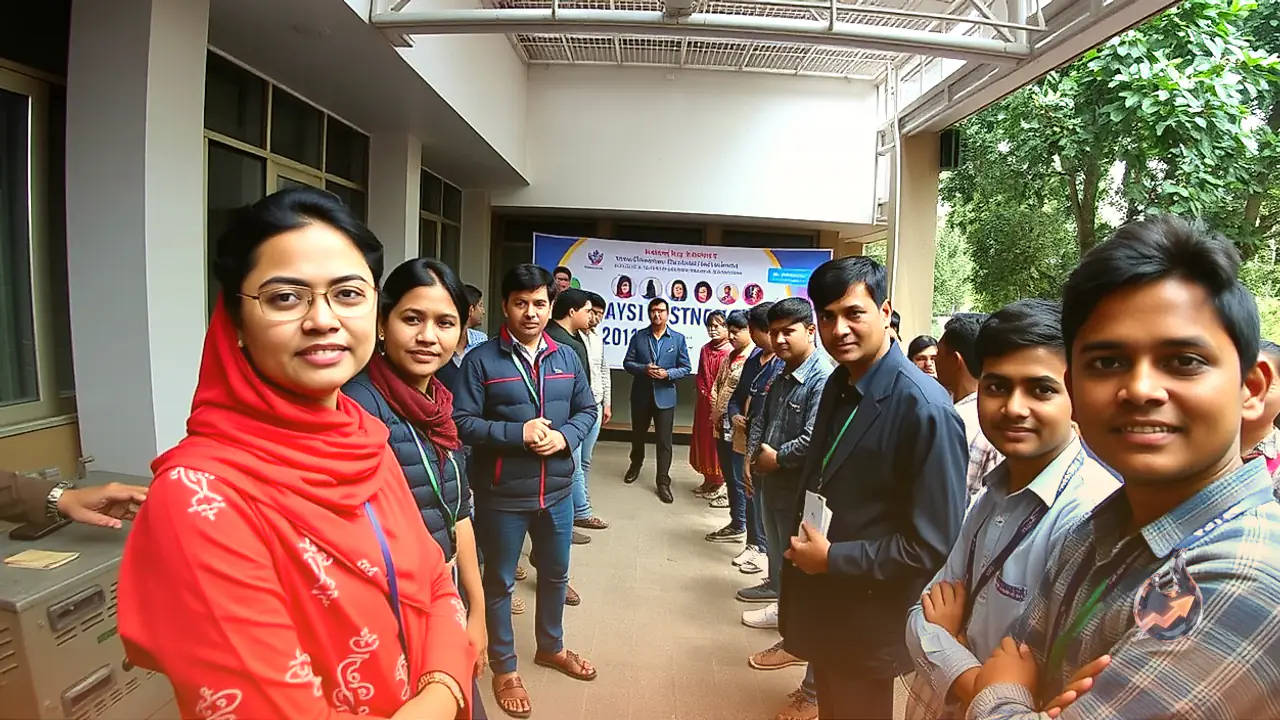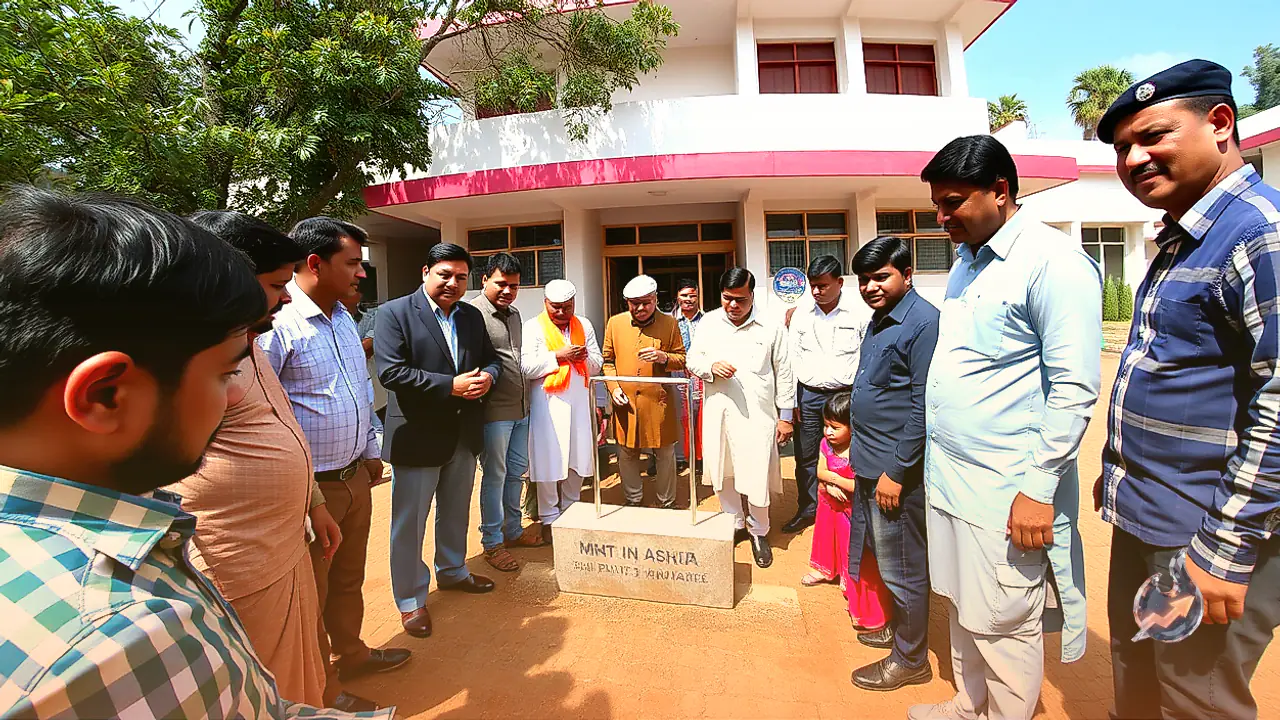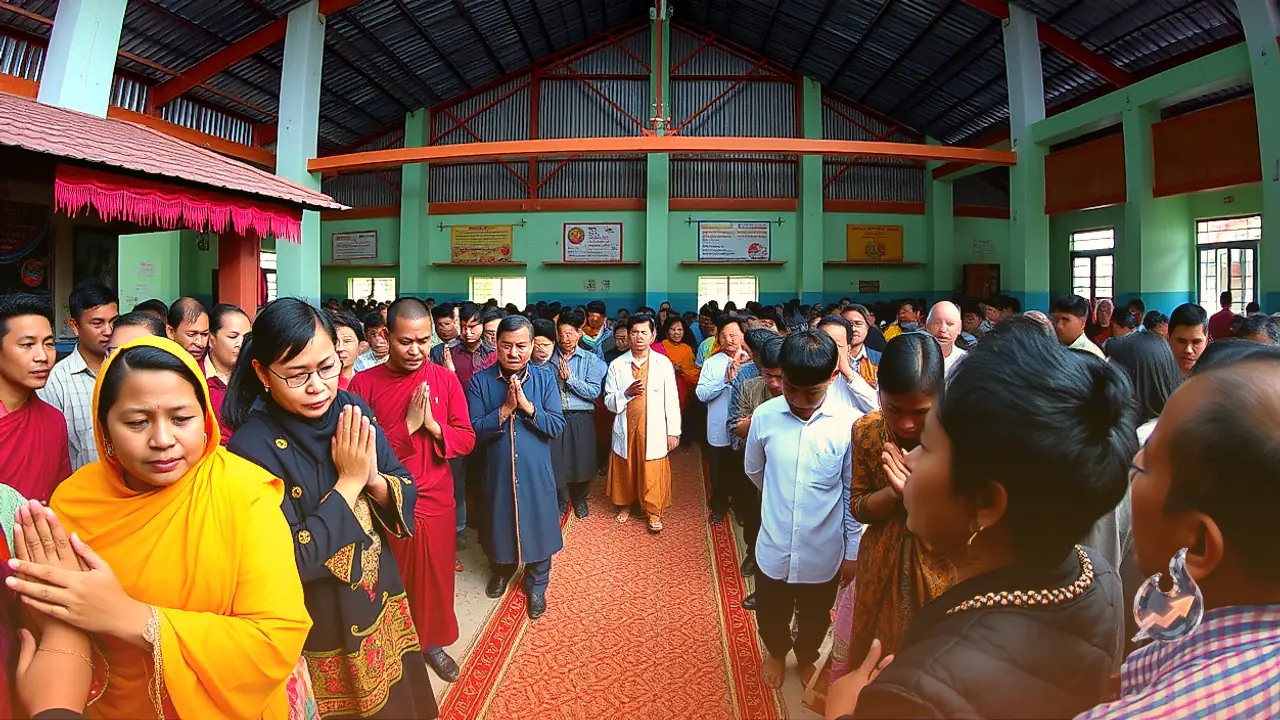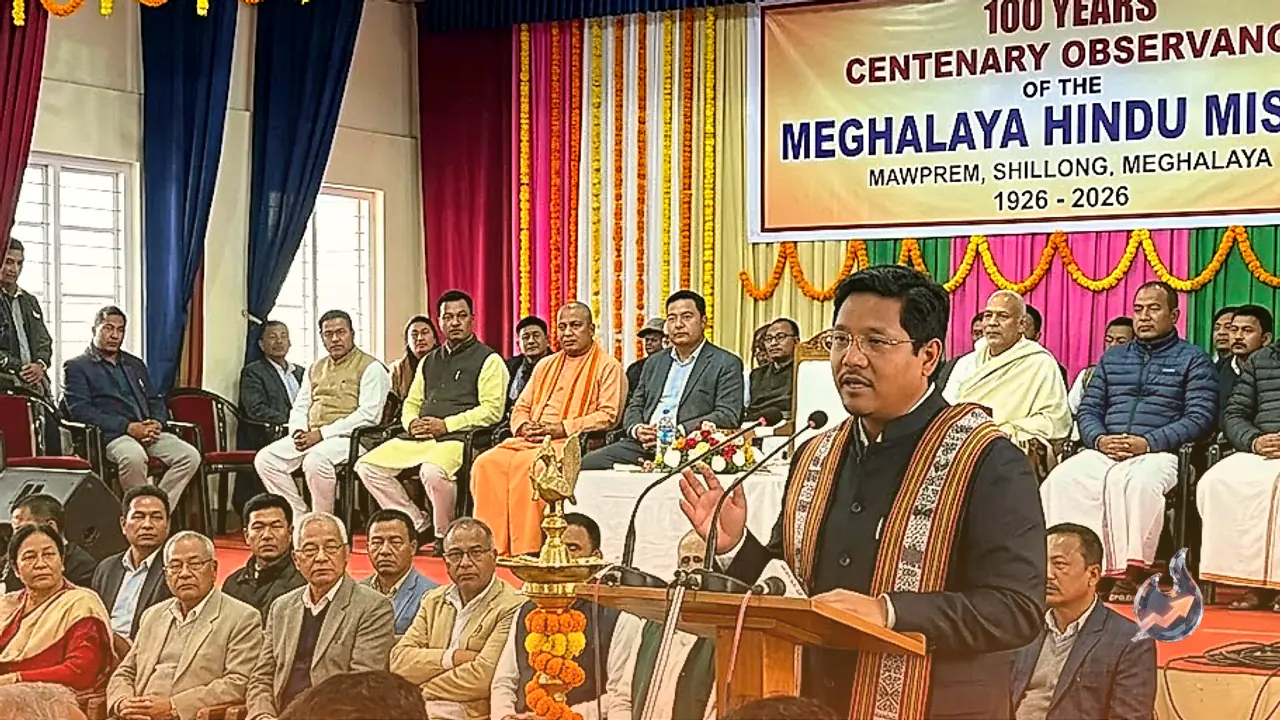

Attending the centenary celebration of The Meghalaya Hindu Mission at Mawprem, Chief Minister Conrad K. Sangma highlighted that organisations focused on dedicated public service reflect the genuine values of secularism, peace, and social harmony. Arts and Culture Minister Sanbor Shullai along with MLA Paul Lyngdoh were present during the gathering. Addressing the participants, Sangma underscored that mutual respect across different generations and a collective secular outlook serve as vital ingredients for any society aiming for lasting progress.
Community Service and Social Understanding
Conrad K. Sangma commended the Mission for its century-long philanthropic footprint and social contributions, pointing out that such voluntary institutions nurture deep-seated understanding among citizens. He stressed that individuals should love their own community without cultivating resentment toward others. Reflecting on governance, the Chief Minister remarked that the state administration has dedicated its efforts over the last eight years to uplifting citizens across all sections without discrimination based on background or identity.
Emphasising the state's social architecture, Sangma noted that every single community forms an indispensable part of Meghalaya, with their shared inputs driving collective progress. Sharing his reflections, he wrote on X that all religious traditions share an underlying message centered on service and universal brotherhood. He described the active participation of diverse traditions, including indigenous communities, as a deeply encouraging sight.
Shared Values and Common Cultural Ground
Turning to regional strengths, Conrad K. Sangma explained that the true resilience of the area has always been its capacity to gather diverse people around a shared table. While separate religious paths demonstrate devotion through distinct rituals, the core principles they instil remain identical across humanity. These include empathy for fellow human beings, integrity in everyday dealings, and a constant willingness to aid those facing hardship. When citizens assemble on a united platform, such foundational values materialize in observable conduct rather than mere dialogue.
Directing a special appeal toward the youth, the Chief Minister called on young people to weave the inclusive spirit of the gathering into their everyday habits. He remarked that making unity in diversity a consistent lifestyle fosters genuine community well-being. According to him, an egalitarian society that serves without bias and respects each group's distinct culture and heritage becomes inherently peaceful, inclusive, and grounded in its historical foundations.
A Century of Welfare from 1926 to Present
The institutional journey of the Mission traces back to 1926, when it was initially established under the name Hindu Sammelan Anath Ashram. Its foundational purpose focused on providing care to disadvantaged segments of the population and pursuing structured social welfare. The early charter centered around setting up residential shelter for destitute children, operating schools and reading rooms for needy learners, actively confronting untouchability alongside other social taboos, and imparting practical trades like weaving, knitting, and tailoring so that women could attain self-reliance.
Throughout its history, the Mission has also released portions of its physical property to benefit neighborhood and civic projects. A total of roughly 27,425 square feet has been allocated for wider public uses over time. Among these land allotments, 14,500 square feet was provided to the Mawprem Presbyterian Church, while 4,755 square feet was dedicated to widening Mawprem Road. Following these civic contributions, the Mission retains ownership of approximately 1,48,351 square feet of land.
Child Care Infrastructure and Institutional Support
At Lower Mawprem, the Meghalaya Hindu Mission Home for Boys and Home for Girls operate as recognized Child Care Institutions under the Juvenile Justice (Care and Protection of Children) Act. Both facilities are officially listed with the state Social Welfare Department.
These residential homes provide secure shelter, balanced nutrition, clothing, formal schooling, medical treatment, and recreational opportunities to children requiring care and protection. These vital rehabilitation services are maintained with ongoing assistance through government child-maintenance grants.