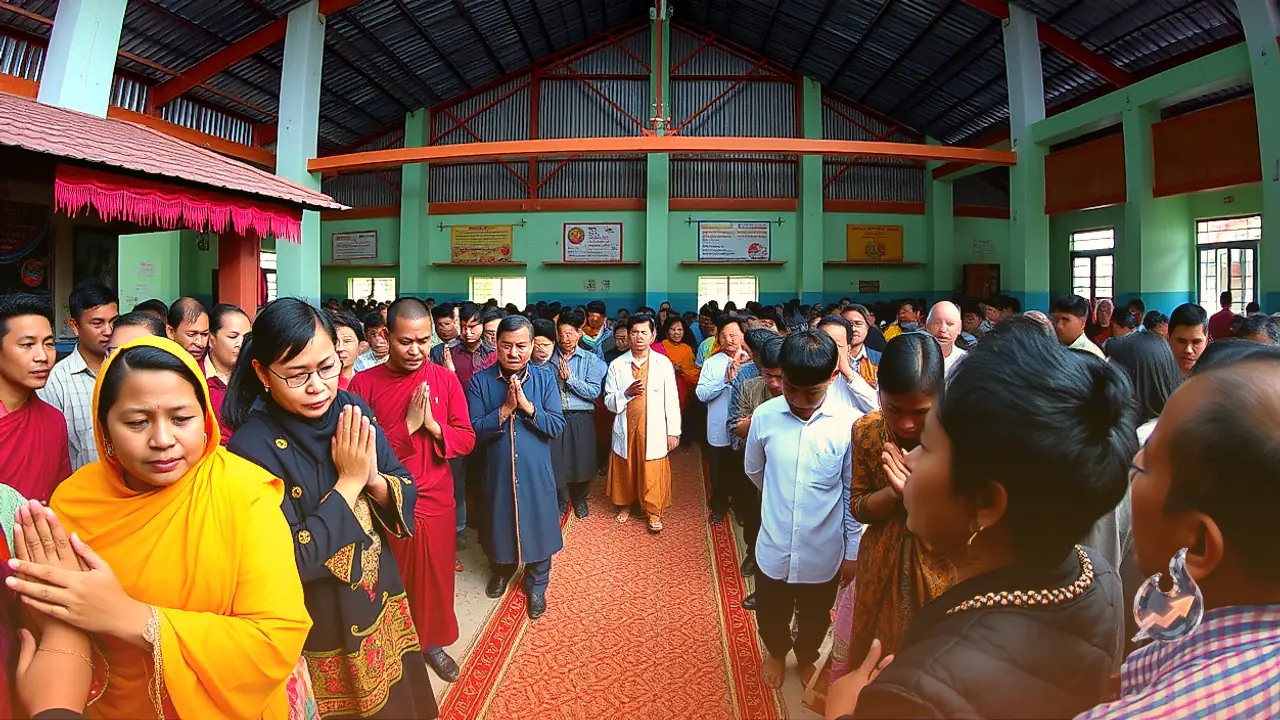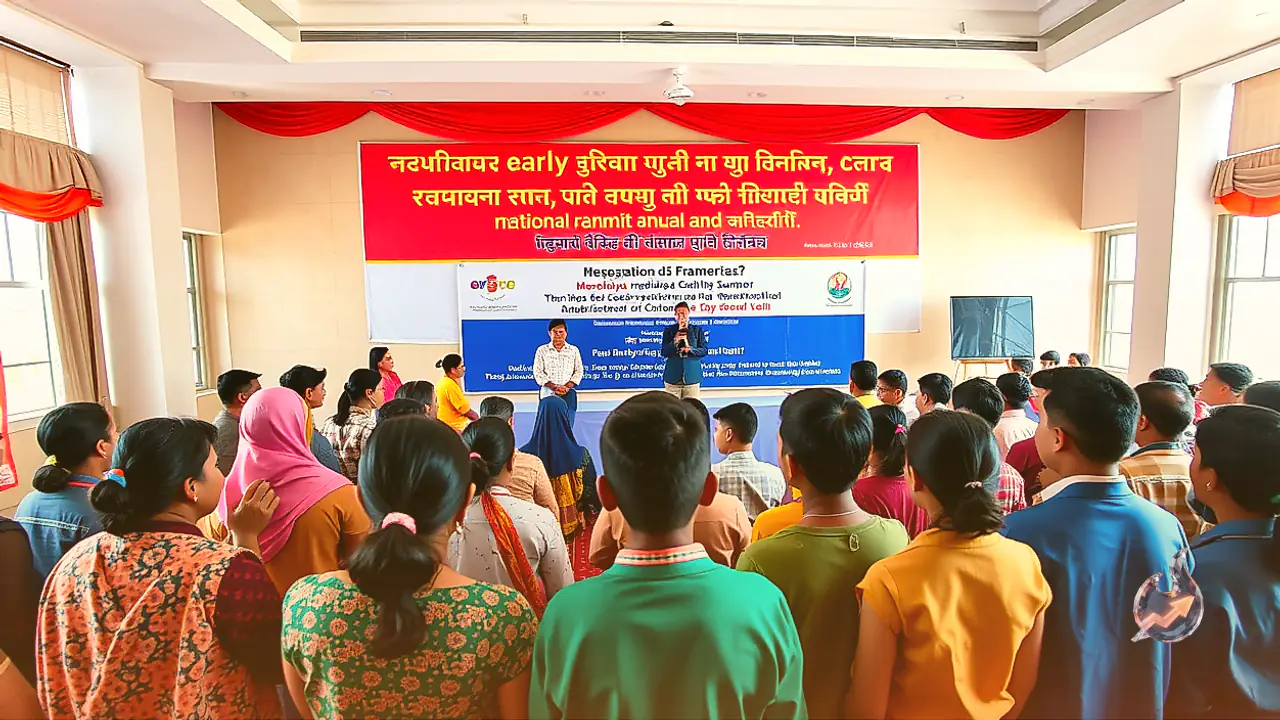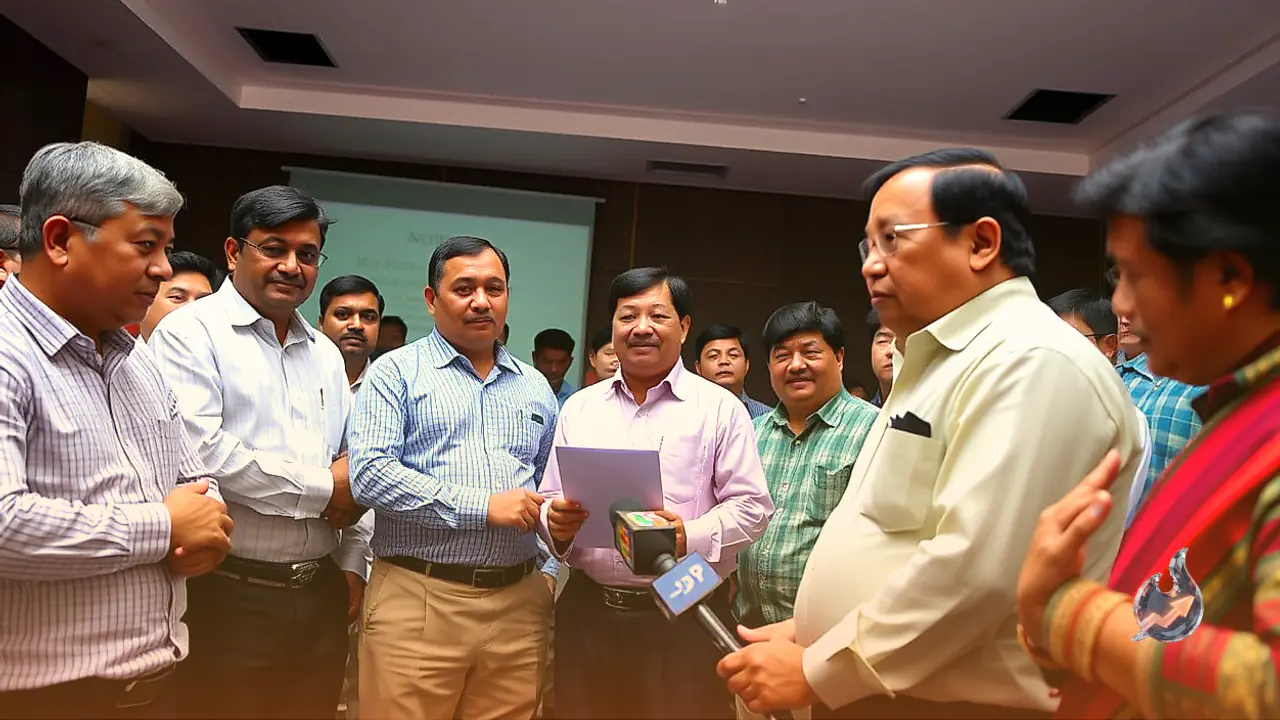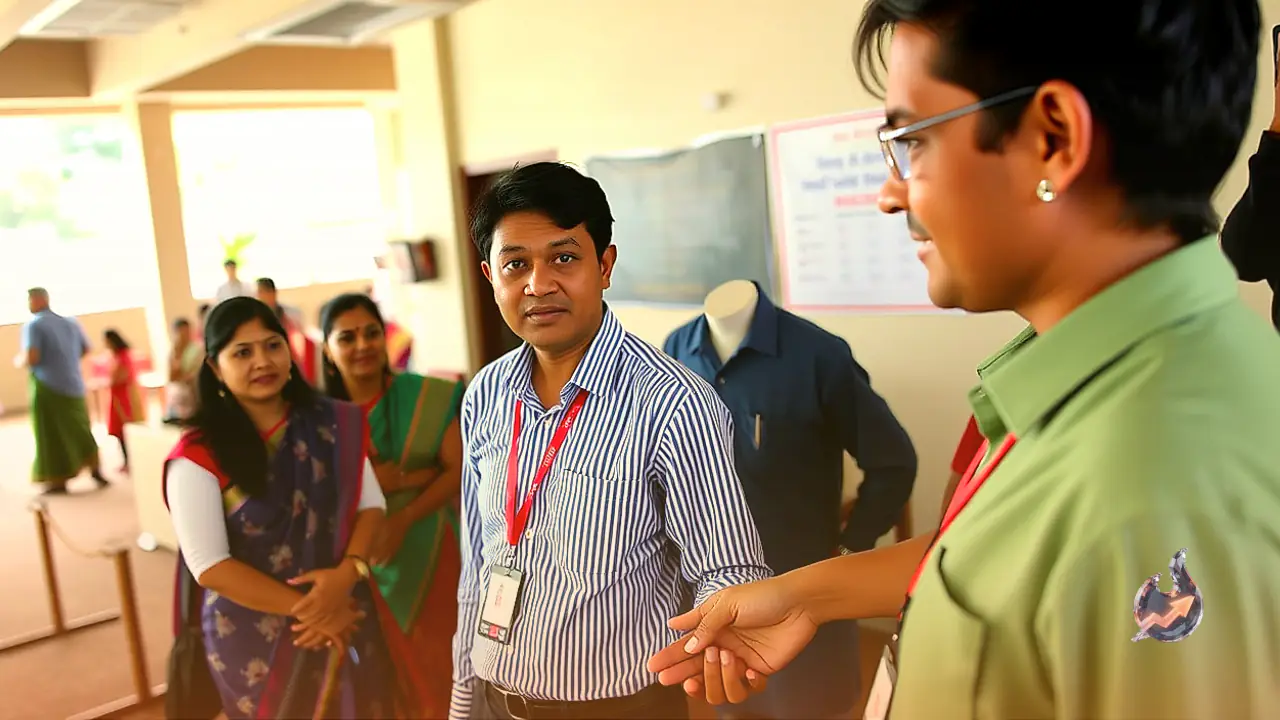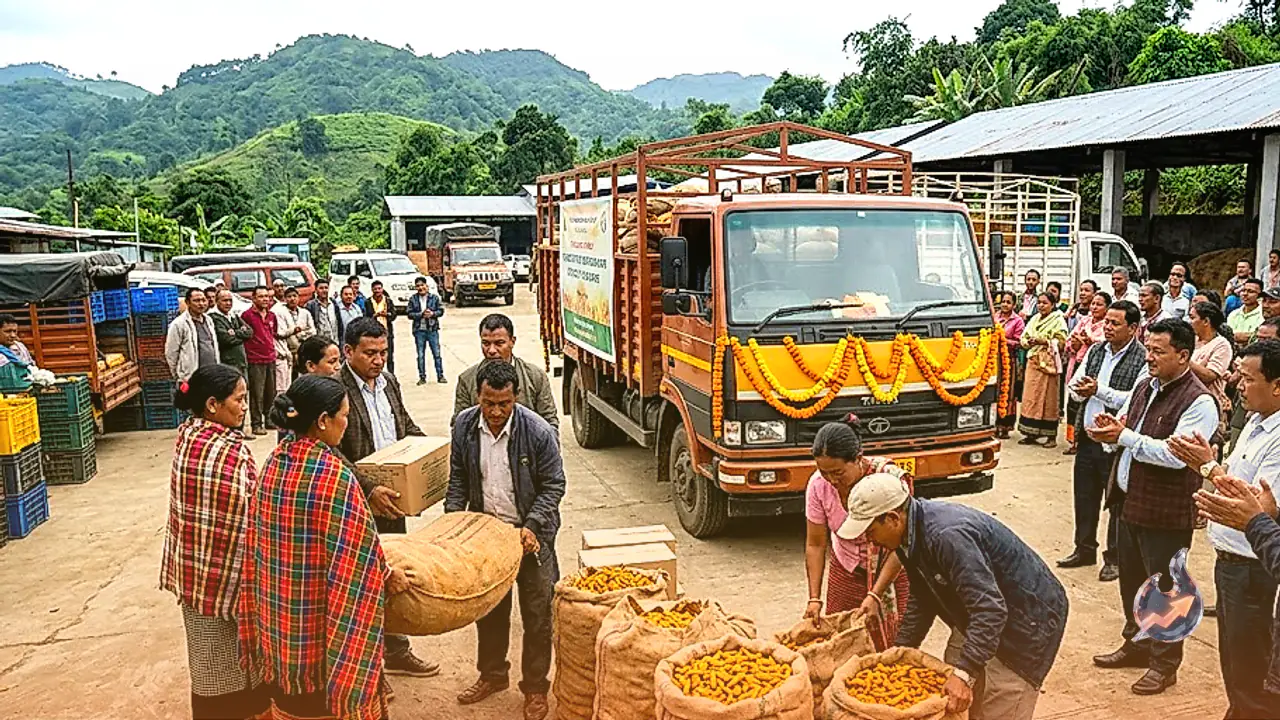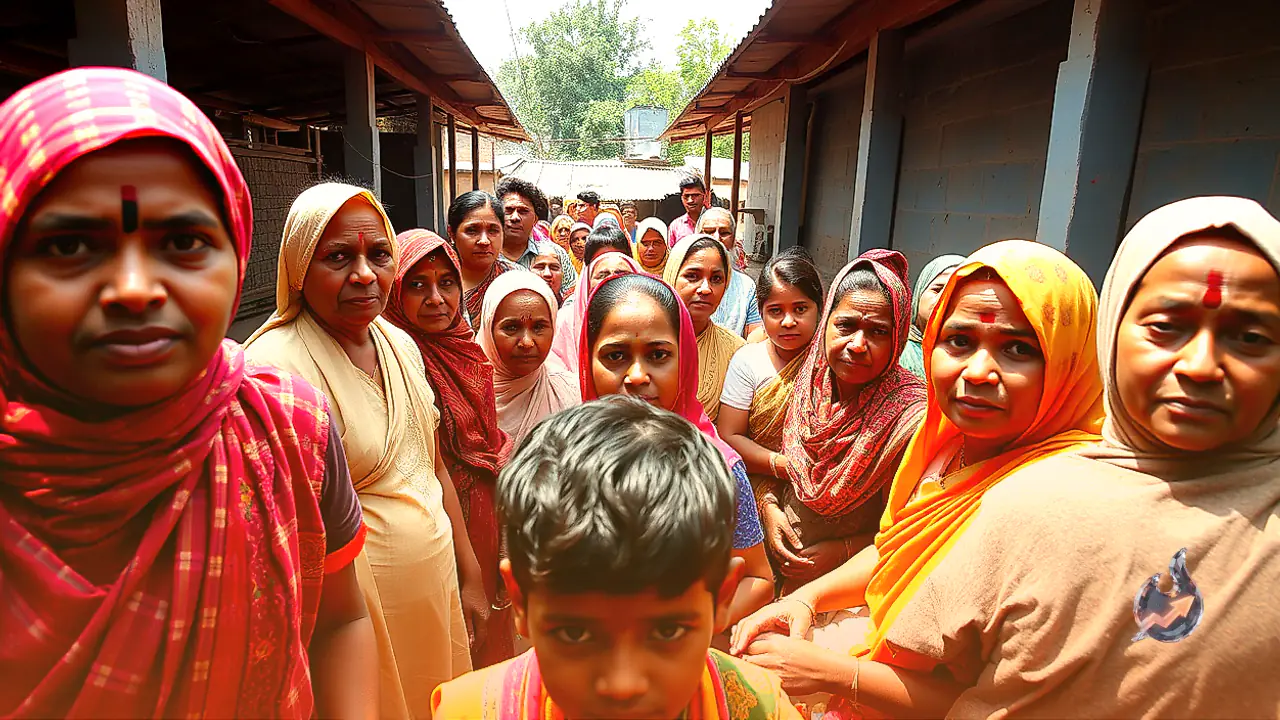

















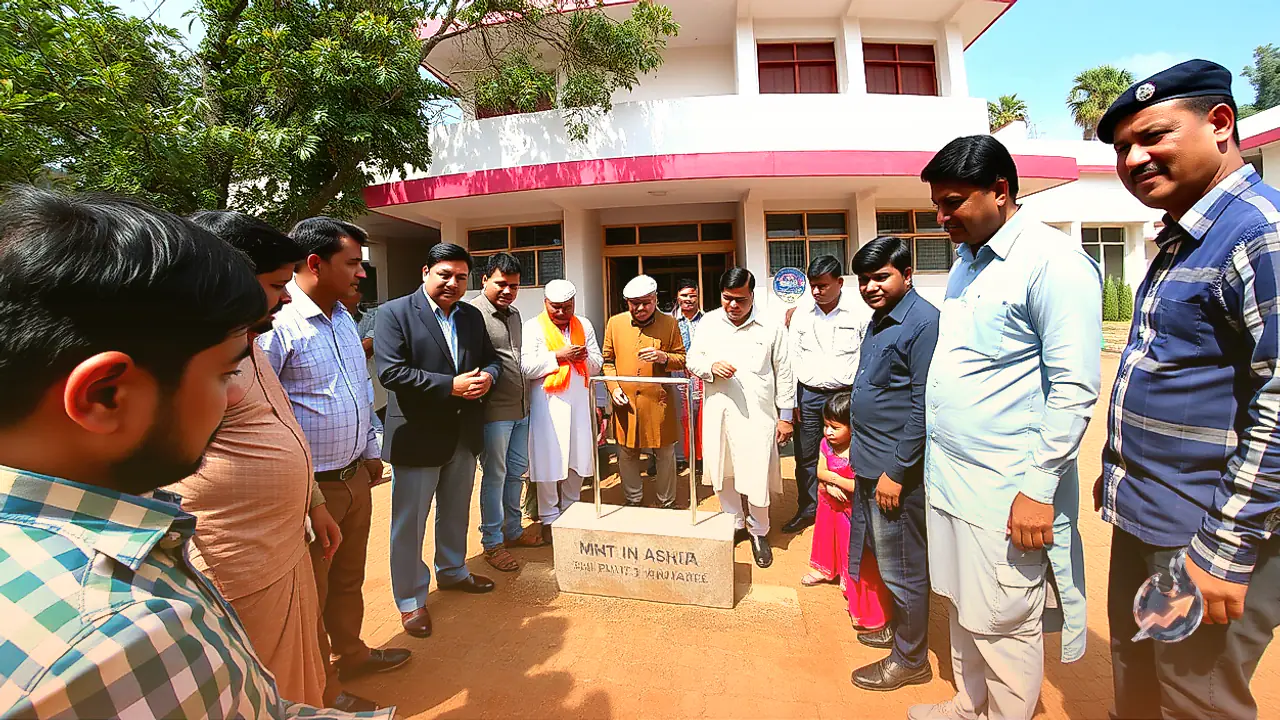

In an effort to decentralize governance and bring public administrative machinery directly to rural doorsteps, Meghalaya Chief Minister Conrad K Sangma laid the foundation stone for a Mini Secretariat at Patharkhmah in Ri-Bhoi district. The infrastructure project is designed to integrate every administrative department of the Patharkhmah Civil Sub-Division within a single centralized complex. Held at the Western Ri-Bhoi Football Ground, the ceremony took place in the presence of Secretariat Administration Minister Sosthenes Sohtun alongside administrative officials, village bodies, women self-help groups, and local students.
Centralizing Public Administration and Citizen Delivery
The core objective behind setting up the Mini Secretariat is eliminating bureaucratic friction for citizens living in remote locations. Chief Minister Sangma emphasized that administrative outreach must be measured by how seamlessly citizens access essential documentation and public schemes. Highlighting that governance depends just as heavily on responsive systems as on brick-and-mortar structures, Sangma noted, “A citizen can complete related work in one visit instead of travelling between offices.” He reiterated that geographic barriers should never force villagers to undertake exhausting journeys lasting days simply to obtain basic public services.
However, the Chief Minister cautioned that physical infrastructure alone does not guarantee good governance. The genuine transformation in public administration stems from the empathy, professionalism, and promptness shown by staff stationed across blocks, sub-divisions, and line departments. He called upon public servants to discharge their responsibilities with a compassionate mindset while urging civil society organizations to remain active collaborators in regional development.
Strengthening Grassroots Governance in Jirang Block
The event also marked the inauguration of the newly built Jirang Block Integrated Development Complex. In a notable gesture highlighting regional talent, the facility was inaugurated by Ribansi Jamu, a goalkeeper representing the India Women’s National Football Team hailing from the local area. The Chief Minister pointed out that having an accomplished local athlete open the public office serves as an enduring inspiration for the region's youth.
The Jirang Community and Rural Development (C&RD) Block was initially created on 24 March 2001, operating with its headquarters based in Patharkhmah. For local families, this block establishment represents the principal operational link to governance, supervising rural road networks, sanitation, housing schemes, drinking water initiatives, and village livelihoods. The foundation stone for this integrated block complex was laid on 27 October 2023. Sangma observed that many block establishments throughout the state had historically languished in leased or deteriorating structures, prompting a systematic government program to replace them with integrated administrative hubs.
Expanding Rural Higher Education Through Model Degree College
Educational infrastructure in Western Ri-Bhoi received a substantial upgrade with the formal inauguration of the Patharkhmah Model Degree College campus, alongside a new building for the Patharkhmah Senior Secondary School. Set up on 25 May 2022 under the Rashtriya Uchchatar Shiksha Abhiyan (RUSA), the institution stands as the very first government-run degree college anywhere in Ri-Bhoi district. The college operates under affiliation with Captain Williamson Sangma State University, delivering undergraduate degree programs in the Arts stream.
Spanning an expansive 10.09-acre campus within the Jirang C&RD Block, the college features residential infrastructure with dedicated 60-seat hostels each for male and female students. With higher secondary schooling and degree facilities positioned side by side, local students can complete their educational journey from schooling through graduation without migrating away from their hometown. Historically, young people finishing Class XII in Western Ri-Bhoi were forced to relocate to Nongpoh, Shillong, or Guwahati, creating a severe economic burden of transport, boarding, and lodging that forced many underprivileged students to drop out.
Broad Infrastructure Outlay Across Ri-Bhoi District
The state government highlighted an extensive capital expenditure drive across the district, noting that Ri-Bhoi currently hosts 184 individual development projects valued at more than ₹1 crore each. The cumulative approved financial outlay for these works stands at ₹1,847.38 crore. Among these initiatives, 14 projects have reached full completion, 109 remain under active construction, and 61 have been formally initiated.
Western Ri-Bhoi benefits directly from several key allocations within this capital program. These include a ₹16.58 crore steel truss bridge built along the Patharkhmah transit corridor, an access approach road to the newly opened degree college built at ₹3.51 crore, and the Jirang Primary Health Centre constructed at a cost of ₹1.26 crore. Additionally, administrative infrastructure in the district is expanding further through an approved allocation of ₹4.50 crore for a new Mawhati C&RD Block complex. Reviewing the developmental transition, the Chief Minister remarked on the visible transformation across local connectivity while maintaining that substantial progress must still be achieved.