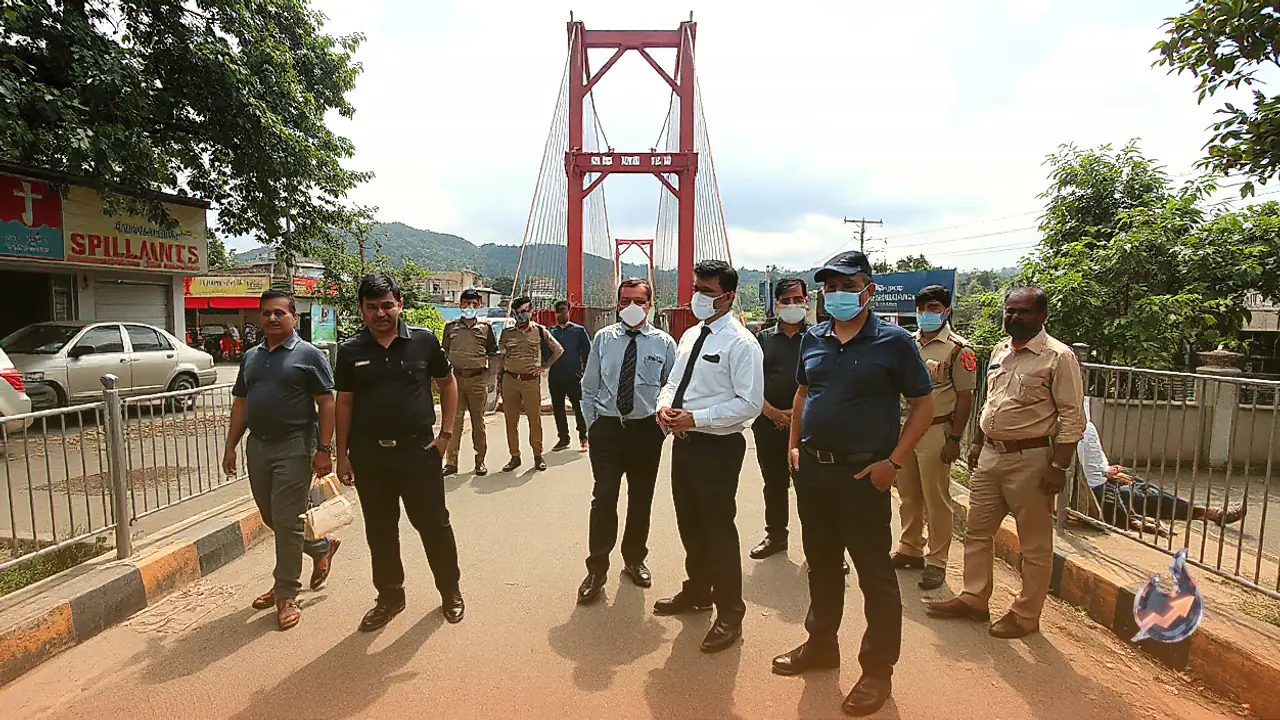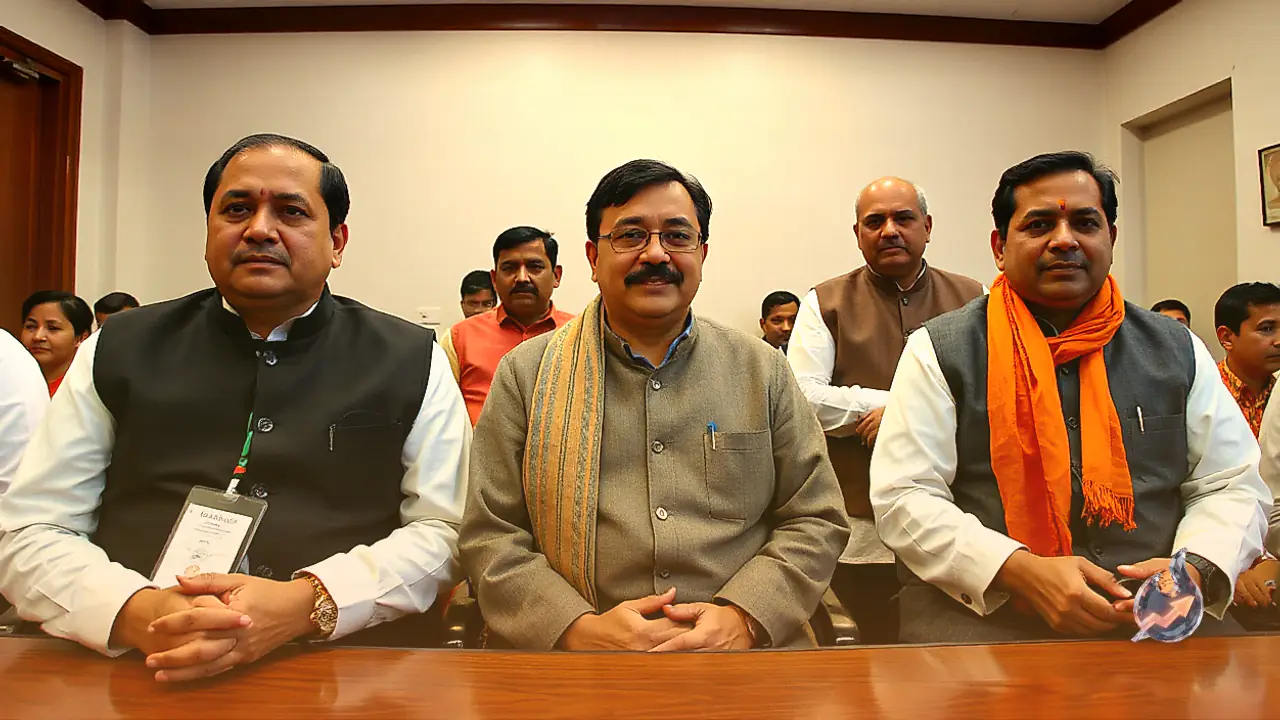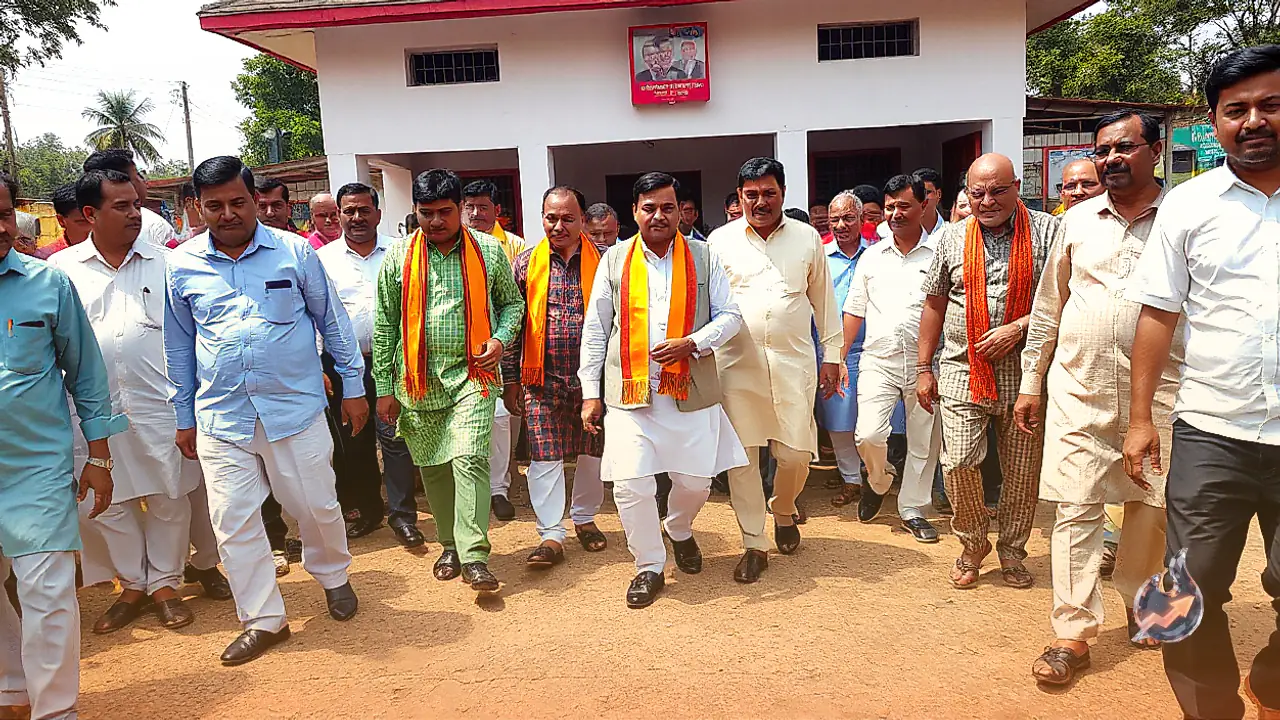



















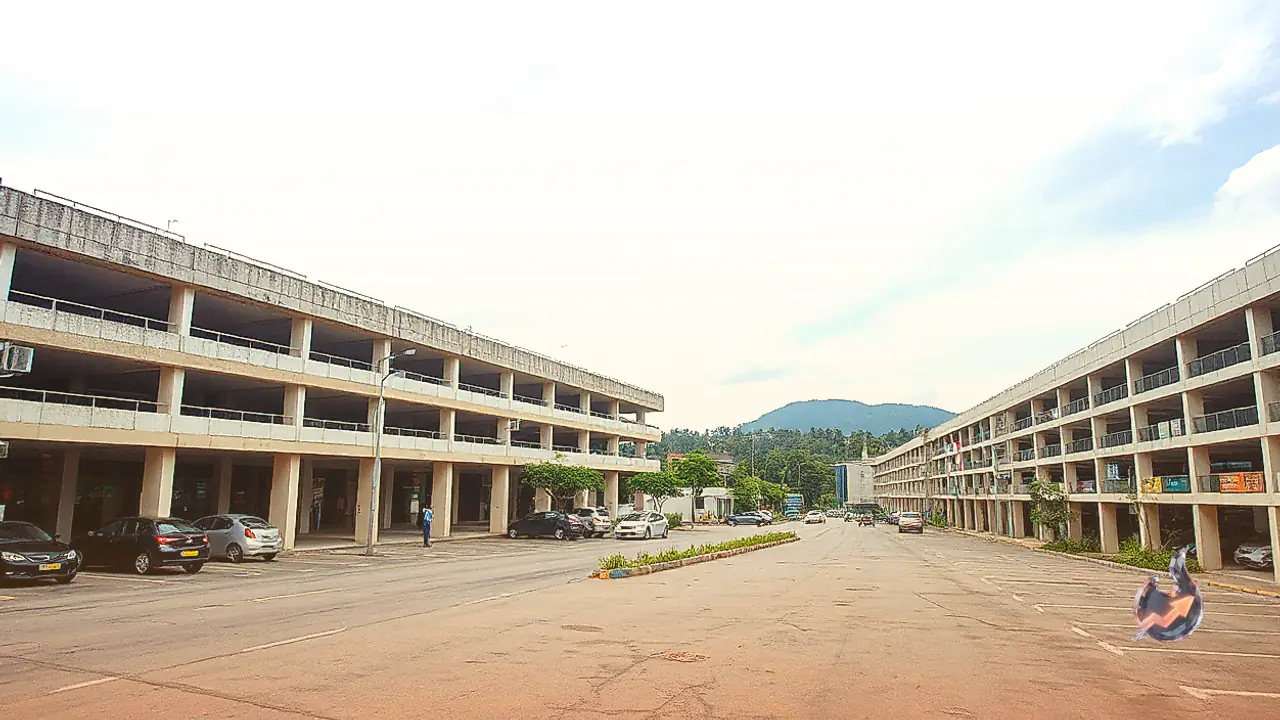

In an effort to alleviate chronic vehicular congestion in the state capital, the Meghalaya government on Wednesday inaugurated two multi-level car parking structures located at Mawkhar and Motphran. Together, these two facilities create dedicated parking space for 200 vehicles, targeting commercial and high-density zones where unregulated roadside parking frequently brings everyday movement to a standstill.
Smart City Infrastructure to Relieve Urban Pressure
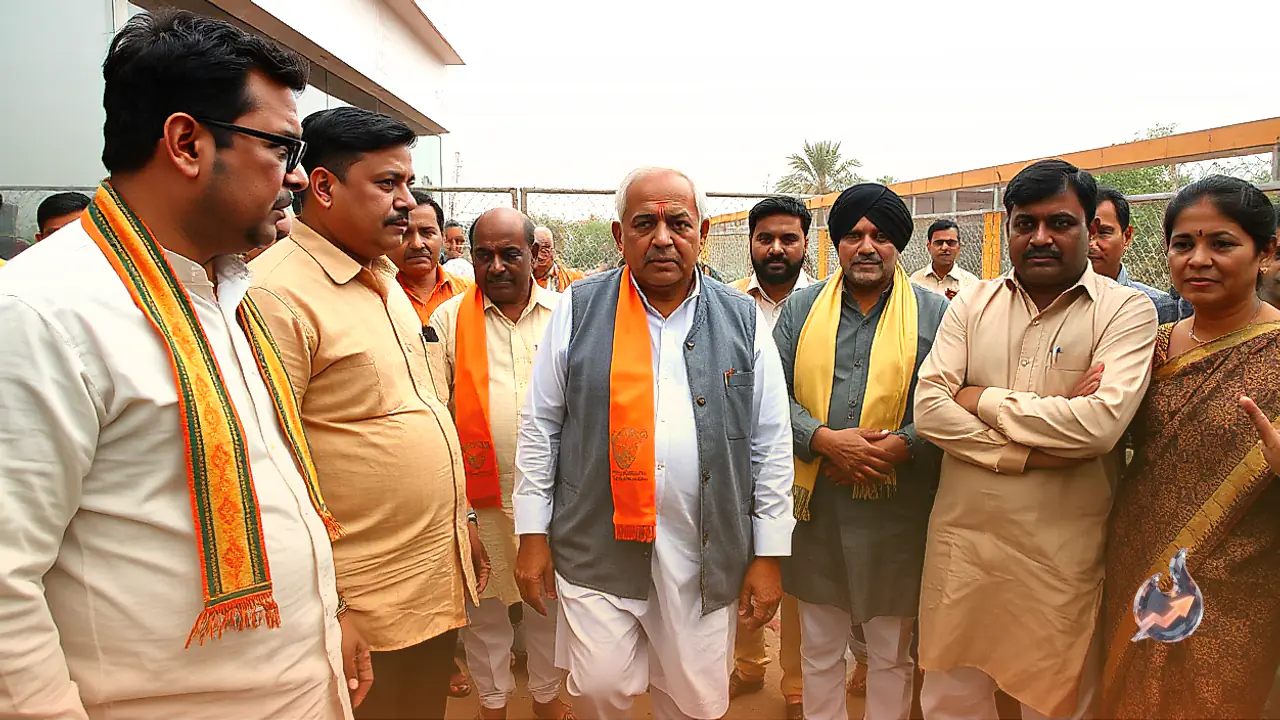
Chief Minister Conrad K Sangma formally commissioned the District School Education Office-cum-Multi-Level Car Park at Mawkhar alongside a fully mechanized parking complex at Motphran, accompanied by Deputy Chief Minister Sniawbhalang Dhar. Undertaken through the Shillong Smart City Mission at a combined investment of Rs 38.92 crore, the twin initiatives represent a structured push to overhaul commuter movement and manage vehicle density across critical urban bottlenecks.
Speaking to the gathering during the opening ceremony, Conrad noted that vehicular bottlenecks remain the most persistent problem voiced by local residents and incoming tourists alike. He stressed that imposing localized restrictions or declaring stretches off-limits cannot resolve vehicular delays unless authorities simultaneously provide motorists with designated, reliable alternatives to leave their cars safely.
Eighteen Months of Technical Mobility Assessment
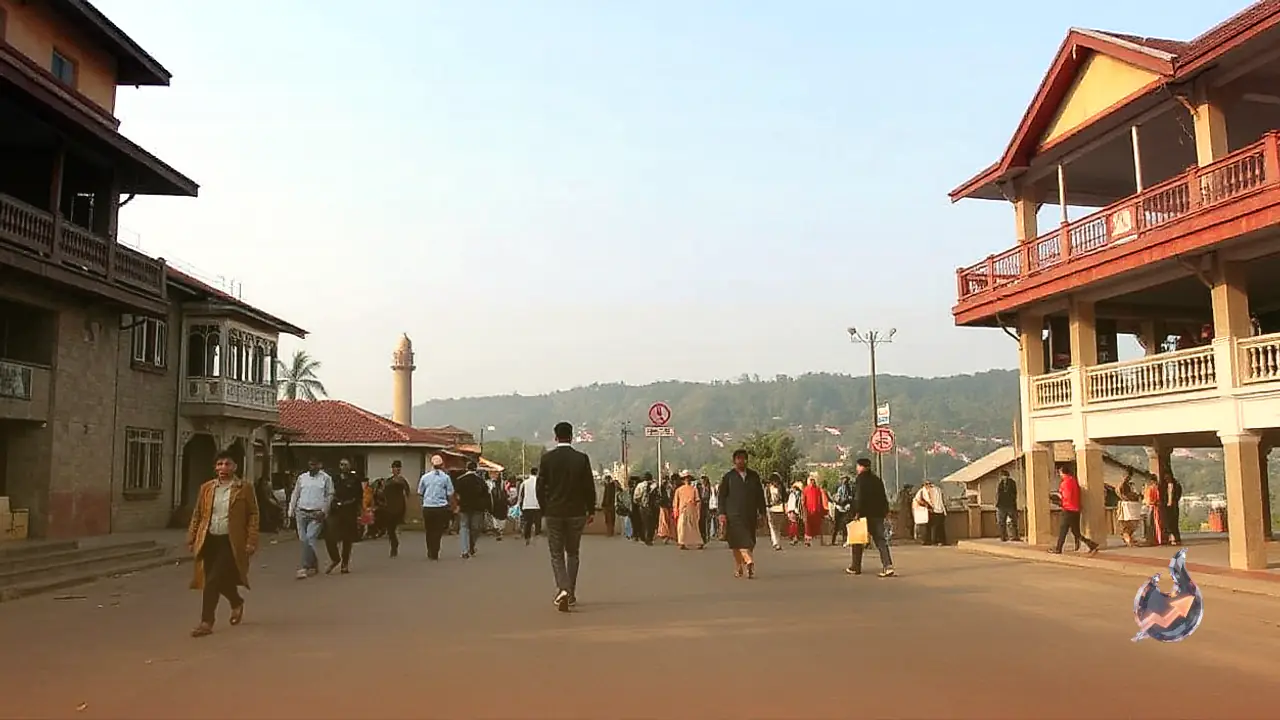
Highlighting the strategic value of the locations in a post on X, the Chief Minister pointed out that Motphran ranks among the most congested pockets in Shillong, standing directly adjacent to the bustling commercial hub of Iewduh market. He stated that the new parking facilities will directly ease congestion and enhance accessibility, dovetailing with the broader redevelopment of Iewduh to shape a commuter-friendly, organized city.
Explaining the groundwork behind these projects, the Chief Minister revealed that the administration had conducted an intensive 18-month mobility assessment across Shillong. The analytical study utilized aerial drone mapping, satellite data, and manual vehicle counts to accurately map out why and where traffic chokepoints develop. A primary discovery was that traffic enforcement had historically suffered from a major structural flaw: no-parking regulations were repeatedly enforced without creating sufficient, clearly demarcated alternatives for drivers.
Replicating the Hill Model and Encouraging Community Plots
Guided by these findings, the government began cataloging suitable parcels of public, community, and privately owned land to establish off-street vehicle facilities. The earliest execution of this approach was the multi-level facility built near the Additional Secretariat, which served as a operational template for the newly commissioned facilities at Mawkhar and Motphran.
Conrad recalled that Union Minister for Road Transport and Highways Nitin Gadkari had personally examined the parking project near the Additional Secretariat during an earlier official visit. Gadkari commended the design and observed that the mechanism serves as a viable, replicable template for other high-altitude towns and mountainous regions across India facing severe geographical limitations on road expansion.
To widen the reach of this model, the state has rolled out a targeted parking policy that encourages civic participation. Under this framework, private property owners or local communities with viable land parcels can avail of government financial support reaching up to Rs 1 lakh to construct approved parking grounds.
Under the operational arrangement, the underlying ownership and routine management remain with the host communities, while the state administration claims a modest share of the parking fees. Conrad characterized this framework as a community-driven model that not only delivers an essential municipal utility but also generates stable local livelihood opportunities for younger generations.
Relocation of the State Secretariat to the Administrative City
The newly unveiled facilities form one component of a broader decongestion blueprint that hinges on the phased establishment of the new Administrative City. State Secretariat operations are scheduled to migrate to the newly developed administrative complex between September and November next year, a transition intended to draw heavy administrative vehicle footfall away from Shillong's central core.
The Chief Minister urged administrative departments to oversee effective implementation by putting in place adequate workforce deployment, specialized training, and rigid standard operating procedures for operating the automated and mechanized parking equipment. He observed that constructing civic assets represents only the opening phase, whereas consistent, daily upkeep determines whether these facilities deliver lasting urban benefits.
Inclusive Cultural Support and Preparations for the National Games
Reflecting on broader governance principles, Conrad also defended the administration's policy of extending state backing to various cultural, festive, and spiritual programs across different communities. Mentioning upcoming winter calendar highlights such as the Cherry Blossom Festival, LitFest, and a Gospel Concert, he emphasized that equal administrative backing is provided to groups organizing Chhath Puja, Durga Puja, and other traditions, explaining that the assistance supports civic celebration and preserves secular heritage rather than endorsing any specific religion.
Looking ahead, the Chief Minister appealed for collective community engagement as Meghalaya prepares to host the National Games next year, characterizing the multi-sport competition as perhaps the largest sporting event hosted in the state's 54-year journey. With an Indian Olympic Association organizing committee currently stationed in Shillong to review venue readiness, Conrad urged citizens to embrace the occasion as a statewide collective milestone and extend warm regional hospitality to incoming athletes and visitors.