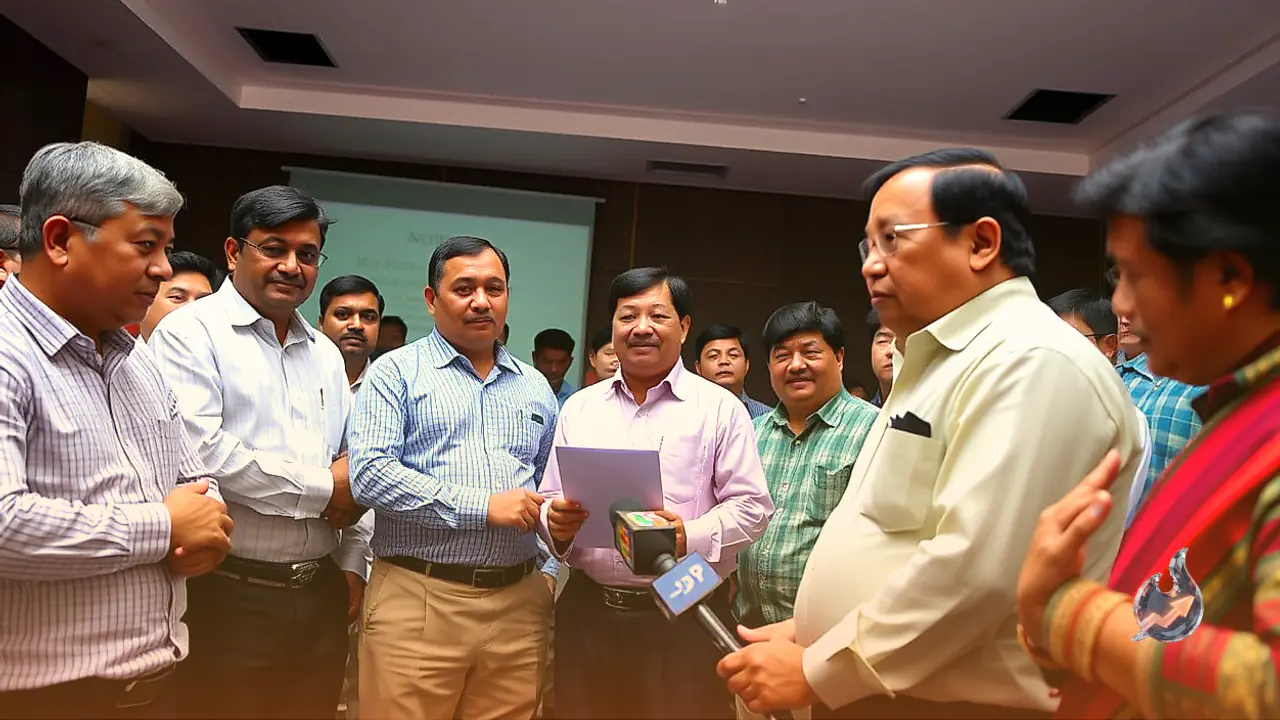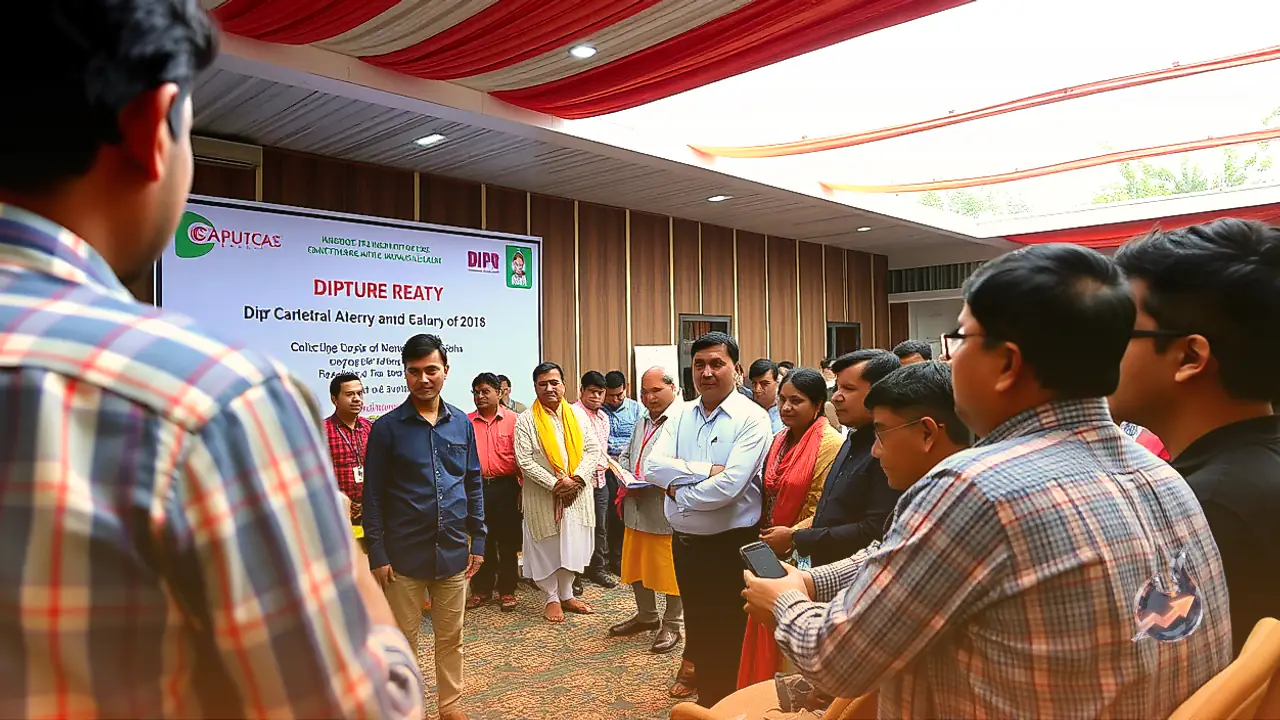


















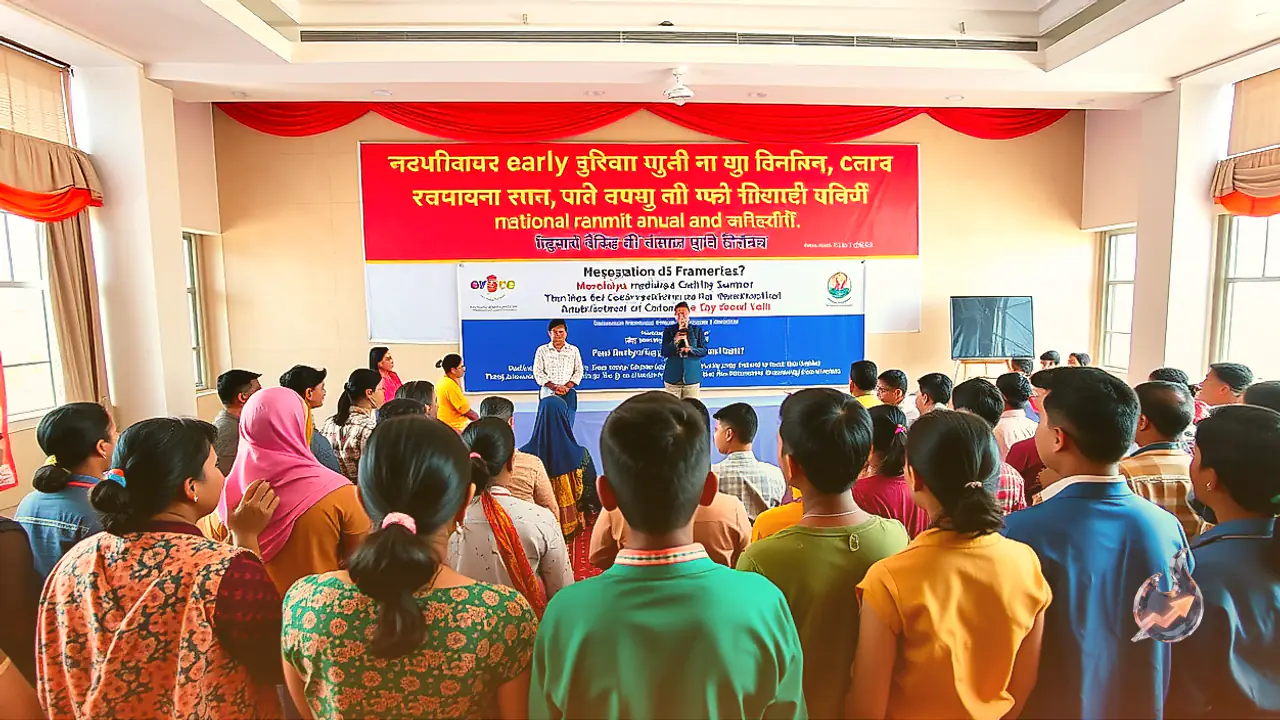

During the Departmental Summit on Women and Child Development held in New Delhi, Meghalaya Chief Minister Conrad K. Sangma detailed the state's best practices under its Early Childhood Development (ECD) Mission directly to Prime Minister Narendra Modi. Delivering a 20-minute presentation on behalf of the states to an elite group of 30 leaders, including Chief Ministers, Union Ministers, and senior officials of the Government of India, Sangma focused on reimagining Anganwadi centres for superior delivery of nutrition and foundational education. The presentation highlighted Meghalaya's model as a viable framework suitable for nationwide replication.
Emphasizing the vital importance of the formative years, Sangma reflected on his personal parenting journey. “As a father, I have seen how much my son responds to every moment of time and attention I give him, and how holistically he is growing because of it,” he remarked during the address. Citing scientific evidence, he pointed out that 80 percent of human brain architecture forms within the first 1,000 days, spanning from conception to a child's second birthday. Looking at India's long-term horizon, Sangma emphasized that children born today will become the driving workforce of Viksit Bharat in 2047, making interventions in these initial 1,000 days decisive for the nation's future.
Meghalaya has operationalized an integrated ECD Mission that converges human development departments with grassroots community networks to help children achieve their full potential. Reflecting on the conference discussions, Sangma wrote on X that the deliberations centered on upgrading nutrition, early childcare, safety, and systemic convergence across departments to deliver measurable improvements for women and children.
Pillars of the Mission 1000 Days Strategy
Designed around a life-cycle intervention model, Meghalaya's Mission 1000 Days seeks to eliminate stunting by offering systematic assistance across every phase of early infancy. During pregnancy, the Departments of Health, Women and Child Development, and NRLM collaborate to conduct mother skill workshops alongside IIT Bombay. Expectant mothers are instructed in 45 distinct breastfeeding techniques aimed at securing healthy weight gain and preventing early deficiencies.
Nutrition delivery has been fortified by offering hot cooked meals with eggs twice weekly at Anganwadi centres for pregnant women, nursing mothers, and children up to two years, with coverage extending to age three. Community-level Self-Help Groups take an active part in monitoring and rectifying growth faltering. Furthermore, this nutritional care is paired with compulsory monthly counselling sessions for fathers to cultivate shared parenting responsibilities at home.
Turning Anganwadis into Happiness Centres
Under Meghalaya's restructuring plan, conventional Anganwadi centres are evolving into vibrant happiness centres. Each facility is being upgraded with an additional room specifically set up as a crèche to support working mothers seeking safe, dependable daytime supervision for their infants.
To strengthen grassroots delivery, the state launched a year-long ECD fellowship aimed at young rural graduates. These fellows work as apprentice aides in Anganwadi centres and receive formal NCVET certification, establishing a structured entry route into the expanding professional care economy sector.
Cross-Learning Across States
The presentation also highlighted exemplary interventions across other states. West Bengal provides hot cooked meals to a massive base of 70 lakh children, pregnant women, and nursing mothers. Gujarat enforces strict malnutrition tracking through digital applications paired with independent third-party verification to eliminate data discrepancies.
In Telangana, every batch of Take Home Ration undergoes mandatory quality testing prior to distribution. Meanwhile, Odisha has transformed its Anganwadis into joyful play and education spaces equipped with toys and specialized learning corners rather than operating merely as nutrition outposts. Sangma concluded that with a shared national roadmap established, states can work collaboratively to ensure every child gets an optimal start, calling early investment in young citizens the soundest foundation for India's growth.