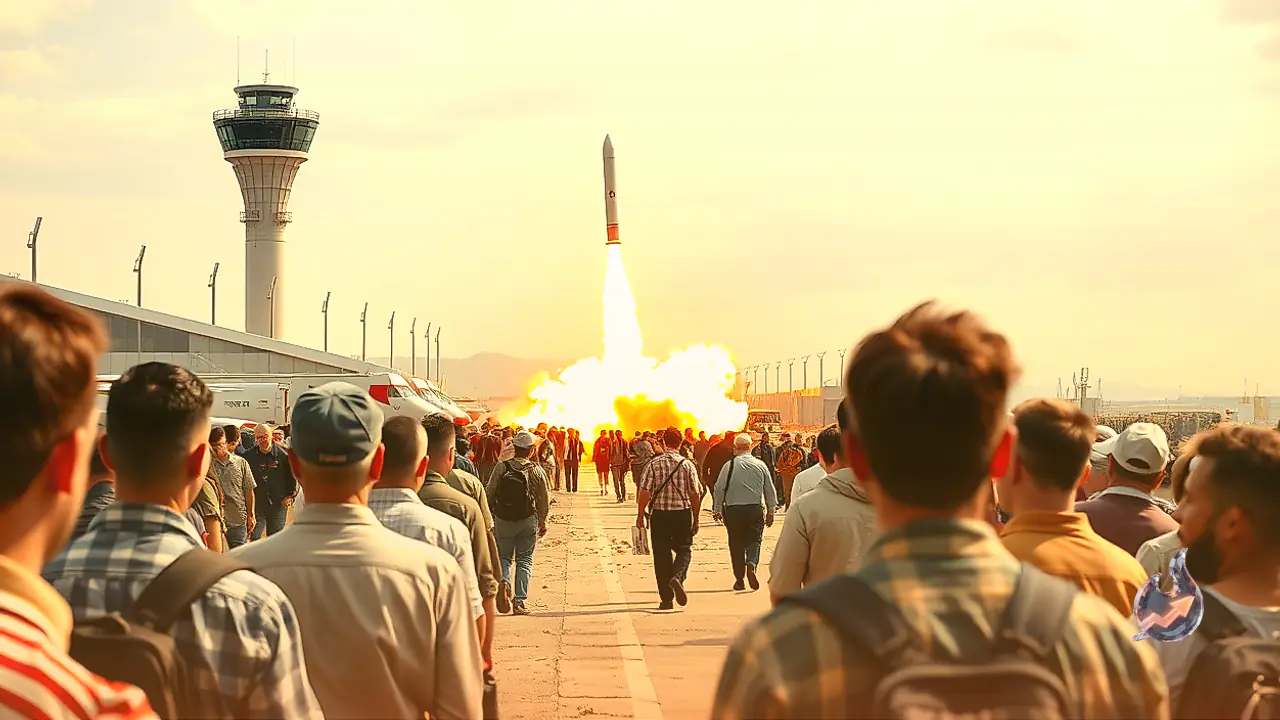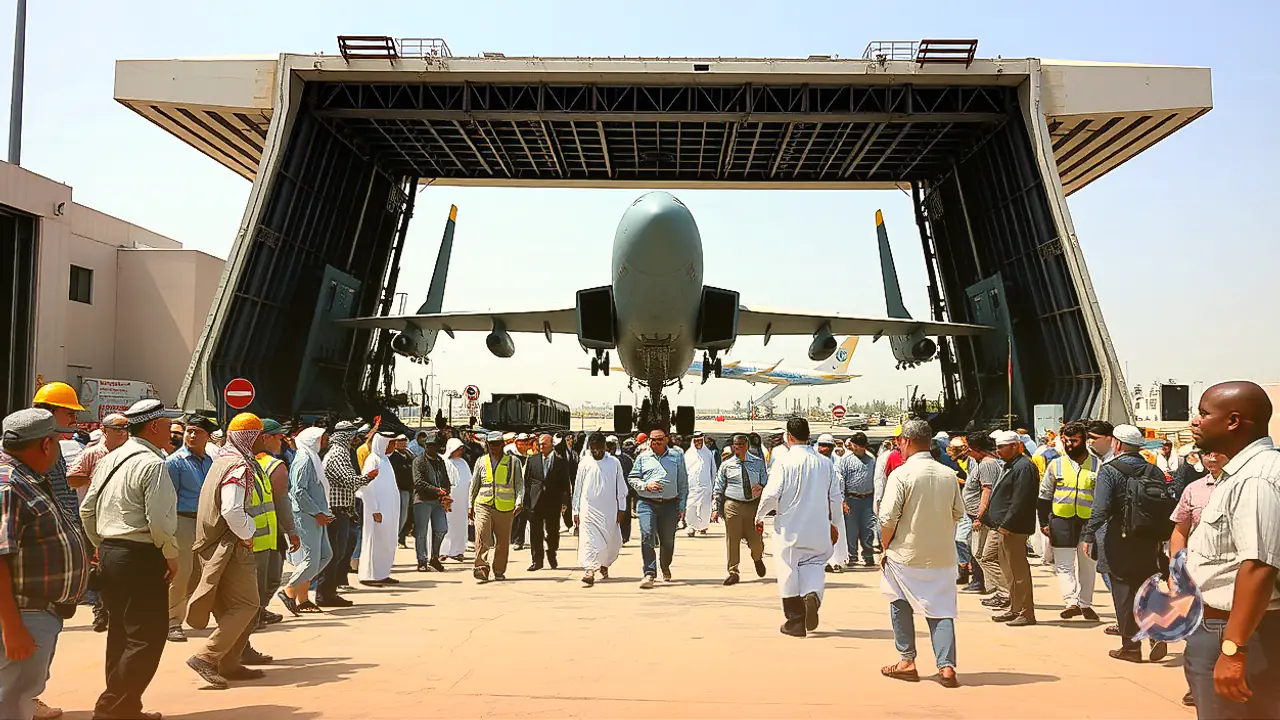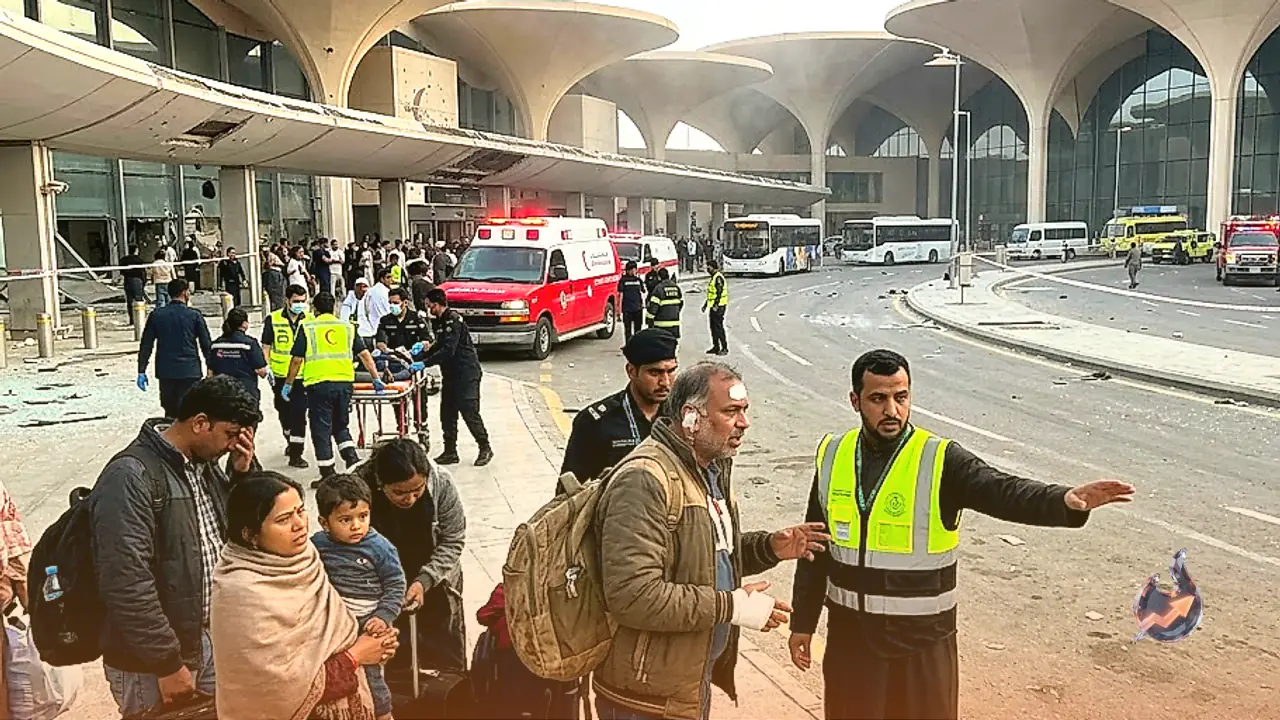
















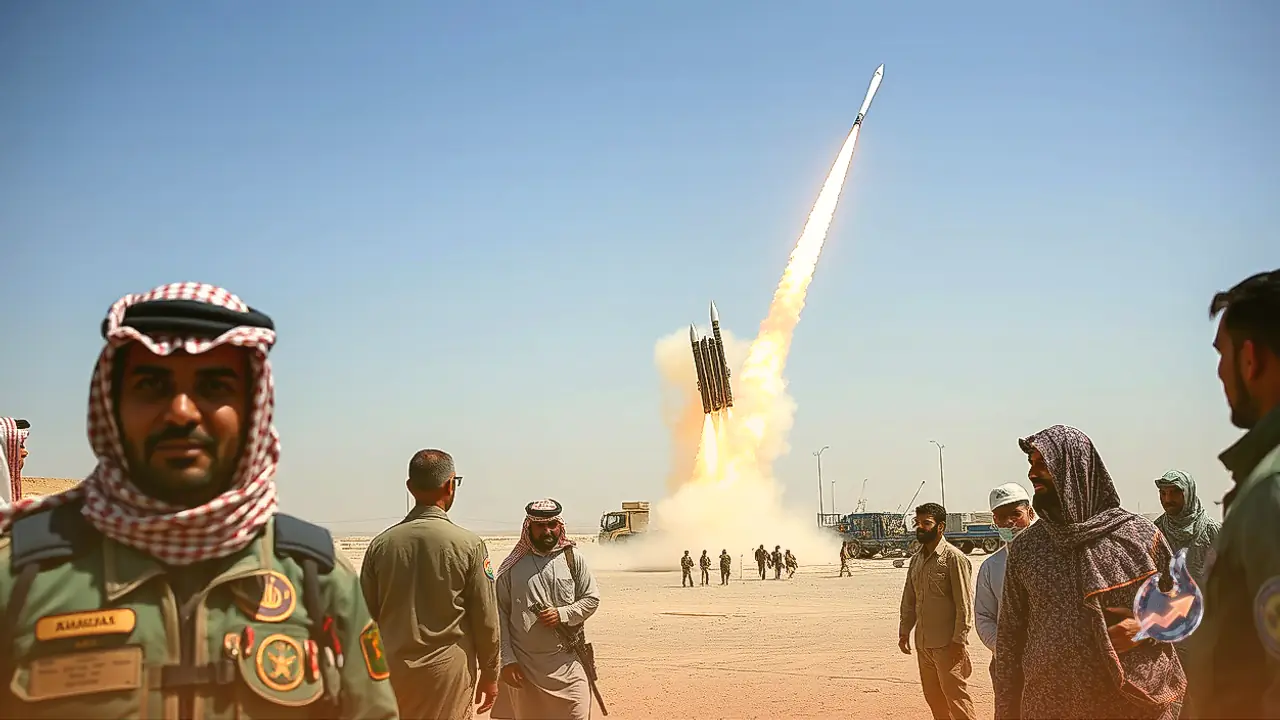

A sharp escalation in the Arabian Peninsula conflict saw Yemeni Houthi forces fire a barrage of missiles directly into Saudi Arabia, striking an administrative building belonging to state energy giant Saudi Aramco in the eastern city of Dhahran. The late-night strike ignited a blaze at the energy conglomerate's corporate base, escalating direct confrontations only hours after a Saudi-led military coalition carried out air raids against a fuel storage facility near the Yemeni capital, Sanaa.
Missile Impact Reported at Aramco Corporate Headquarters
The Saudi energy ministry confirmed the strike, describing the outcome as a limited fire within an administrative structure situated inside the Dhahran headquarters complex. Officials affirmed that no personnel suffered injuries in the blaze. A source within the company revealed that a ballistic projectile penetrated an office tower in the main corporate compound, inflicting structural damage across its top three floors. Military representatives confirmed that air defense systems intercepted a ballistic missile directed at Dhahran, with falling metal fragments landing across surrounding residential neighborhoods.
Debris Falls Across Riyadh as Multiple Cruise Missiles Intercepted
The offensive stretched well beyond the eastern oil hubs, triggering emergency responses in the heart of the kingdom. The General Directorate of Civil Defence reported that four civilians sustained injuries in the capital, Riyadh, after defense systems destroyed incoming cruise missiles mid-air. The casualties included two women, a man, and a child. Interception debris also scattered over residential blocks, inflicting minor physical damage on 15 residential dwellings. Coalition spokesman Maj Gen Turki al-Maliki stated that air defense units intercepted an array of drones and ballistic hardware launched simultaneously towards Riyadh, al-Kharj, Haradh, and various points across the southern provinces during late Tuesday and early Wednesday operations.
Houthi Command Confirms Coordinated Cross-Border Operation
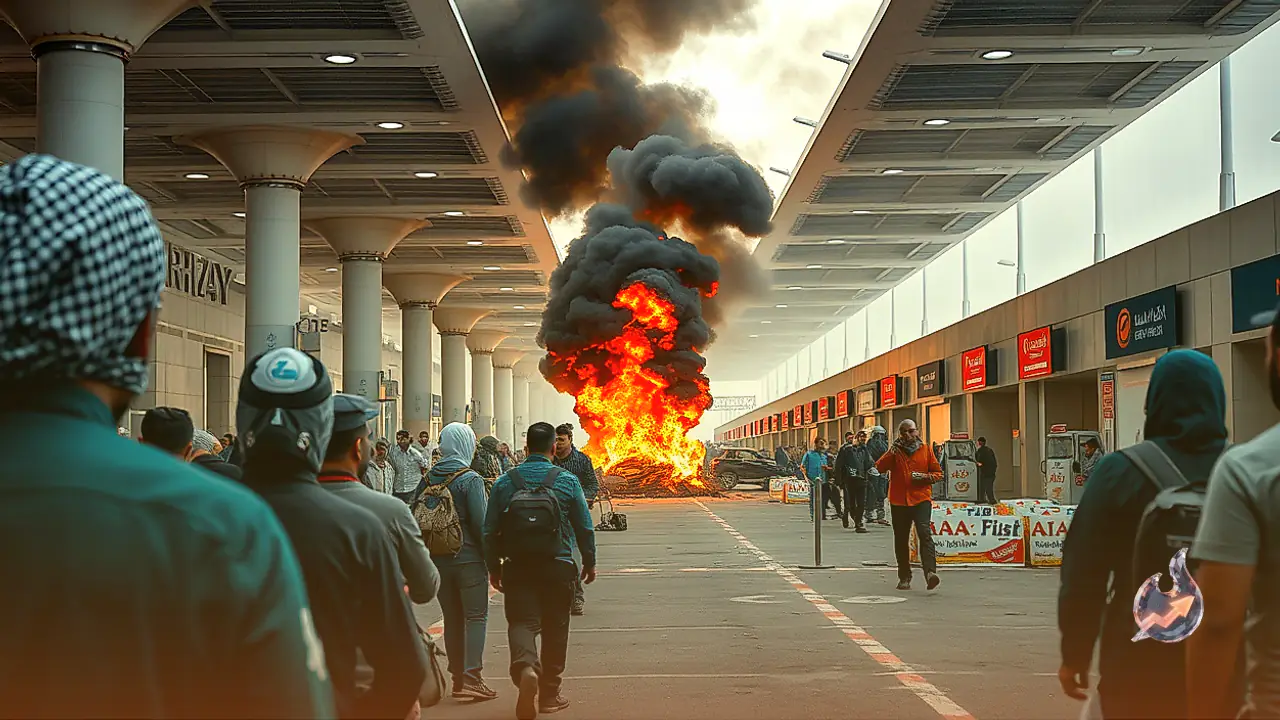
Houthi military spokesman Yahya Sarea delivered a public address on Wednesday morning claiming total responsibility for the cross-border operation. Sarea stated that ballistic missiles, cruise missiles, and unmanned aerial swarms struck Aramco's headquarters complex in Dhahran, targeted an Aramco oil refinery in Riyadh, and hit King Khalid International Airport. The military spokesman issued a direct warning of wider disruptions ahead, asserting that offensive actions penetrating the Saudi interior will persist over the coming days, explicitly prioritizing kingdom airports and petroleum installations.
Coalition Bombardment Hits Vital Petroleum Stations in Sanaa and Ras Isa
The Houthi retaliatory offensive followed severe afternoon air strikes executed by coalition combat aircraft inside Yemen. Official Houthi platforms reported strikes hitting the Yemen Petroleum Company's al-Sabaha Central Station along the western approaches to Sanaa, along with separate bombing runs against storage installations at the Ras Isa oil terminal situated on the Red Sea coast north of Hudaydah. Houthi health authorities confirmed that two civilians were killed and two others sustained wounds during the Ras Isa bombardment. Additional casualties occurred elsewhere, with strikes reportedly killing a woman in the south-western district of Shamayatayn and artillery shelling claiming two lives in the north-western district of Shadaa near the border.
Sanaa Residents Face Fuel Fears Amid Evacuation Orders
Prior to the bombardment of the al-Sabaha depot, coalition forces took the unusual step of issuing an urgent evacuation notice to civilians in the vicinity, indicating an impending special military intervention. The alert sparked immediate panic across the capital, creating immense queues of vehicles at urban filling stations as motorists feared sudden fuel shortages. Seeking to calm the public panic, the Houthi-administered Yemen Petroleum Company released a statement insisting that the targeted al-Sabaha depot held no active inventory of petroleum reserves. The company asserted that strategic emergency plans had been mobilized to preserve market stability and ensure an uninterrupted flow of fuel supplies for ordinary citizens.
Strategic War Effort and International Economic Repercussions
Coalition spokesman Maj Gen Turki al-Maliki defended the tactical decision to destroy the al-Sabaha facility and adjacent storage hubs, categorizing them as infrastructure directly sustaining Houthi military actions. He stated that the militia exploited these facilities to power an arsenal of missiles and drones that actively endangered Saudi sovereign territory, commercial shipping channels, and civilian aviation hubs. Concurrently, the Saudi cabinet, meeting under the leadership of Crown Prince Mohammed bin Salman, pledged that Houthi forces would face decisive retribution for recent attacks, which included a deadly missile strike on Riyadh's airport on Saturday that killed 13 people. Weighing in on the global fallout, International Monetary Fund director Kristalina Georgieva noted that this spreading regional conflict carries serious potential economic risks that could spill over negatively across the wider international economy.
Decade of Civil Conflict and Disrupted Maritime Corridors
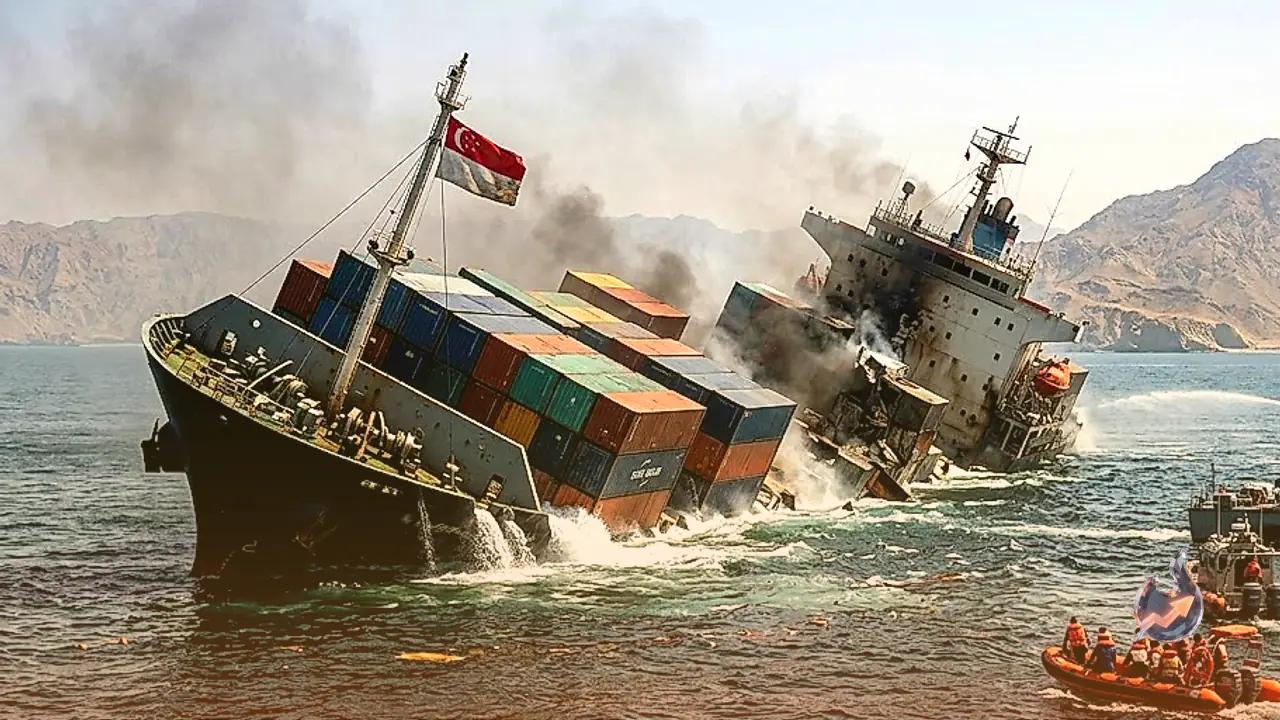
The confrontation has deep roots in Yemen's brutal civil conflict, which erupted in 2014 when Houthi forces successfully drove the internationally-recognized government out of Sanaa. A coalition led by Saudi Arabia intervened militarily the following year in an attempt to restore the displaced government to authority. A fragile four-year informal truce completely fell apart in July after Houthi leadership declared a maritime blockade against Saudi Arabia and unleashed continuous strikes on maritime tankers, regional energy nodes, and civilian airports. The Houthis maintained that these strikes formed a necessary response to ongoing Saudi economic blockades and prior air strikes on Sanaa's international airport. Friction reached a critical threshold in September when Houthi forces seized key positions along the southwestern Red Sea littoral adjacent to the Bab al-Mandab Strait, a vital chokepoint for international trade, putting upward pressure on worldwide crude benchmarks following months of armed tension between the United States, Israel, and Iran. US President Donald Trump addressed the situation on Truth Social, stating that the Houthis were behaving very badly and deliberately trying to drive up oil prices. When pressed by media about possible direct US military responses alongside Saudi forces, Trump declined to confirm immediate military retaliation, though he suggested he might ask Turkish President Tayyip Erdogan to intervene diplomatically.
Severe Humanitarian Hardship and Escalating Disease Outbreaks
The ground realities in Yemen continue to extract a devastating toll on civilians caught in the crossfire. Even as pro-government forces recently reclaimed elevated terrain dominating the Bab al-Mandab corridor through intense Saudi air-supported offensives, humanitarian conditions have worsened sharply. United Nations human rights investigators verified that hundreds of people have lost their lives in Yemen since August, including at least 54 confirmed civilian deaths, with children comprising half of those fatalities. Furthermore, international relief agencies report that more than 216,000 citizens have been displaced across battle zones, while critical infrastructure collapse has caused suspected cholera infections to surge dramatically from 217 to 647 cases within an alarming three-week window.