






















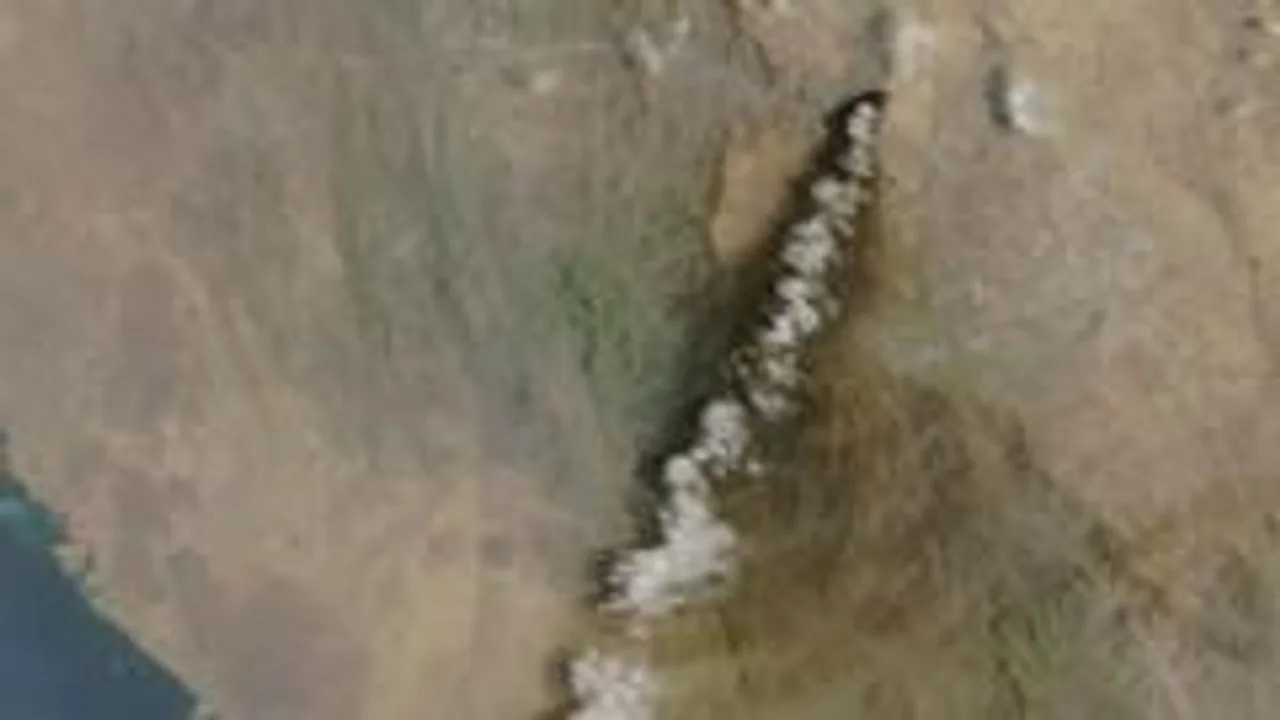

A major military escalation has shaken the Middle East after Yemen's Iran-backed Houthi movement unleashed a wide-ranging assault using dozens of drones and ballistic missiles against energy infrastructure and civilian targets inside Saudi Arabia. Saudi Arabian authorities confirmed that the strikes left at least 73 people injured across multiple locations, damaging vital energy facilities and triggering fires that forced a temporary suspension of operations at key industrial sites. Satellite imagery captured thick columns of black smoke rising above a Saudi Aramco bulk plant located in the city of Abha on Tuesday, highlighting the severity of the damage inflicted on the kingdom's core economic infrastructure.
Direct Hits on Southwestern Saudi Cities and Energy Facilities
According to official statements issued by Saudi Arabia's military and energy ministry, Tuesday's coordinated attack targeted four major urban centers in the southwestern region of the kingdom. The Houthi offensive hit economic installations and residential areas in the cities of Abha, Khamis Mushait, Jazan, and Najran. Energy ministry sources confirmed that several installations within the national energy sector sustained direct impacts, sparking blazes across multiple sites that required emergency shutdowns to contain operational risks. The reported casualties include civilians, women, children, and facility workers who sustained injuries during the widespread barrage.
Saudi Military Coalition Vows Resolute Operations to Deter Houthi Escalation
The Saudi-led military coalition, which has supported Yemen's internationally recognized government against the Houthis for more than a decade, issued a stern response following the strikes. Coalition spokesman Maj Gen Turki al-Maliki denounced the attacks as a dangerous escalation that underscores the hostile and irresponsible posture of the Houthi militia. Maliki stressed that the deliberate targeting of non-military economic installations and civilian population centers violates international standards. He announced that coalition forces would execute all necessary operational and military measures to neutralize threats and deter future attacks against Saudi territory.
Houthi Retaliation Claims and Escalating Airstrikes on Yemeni Provinces
In a statement claiming responsibility for the operation, Houthi military spokesman Yahya Sarea characterized the offensive as direct retaliation for recent Saudi coalition air strikes across Houthi-controlled regions in northwestern Yemen. Sarea asserted that Saudi warplanes had conducted more than 120 air strikes targeting the Yemeni provinces of Marib, al-Bayda, Hudaydah, Taiz, and Jawf over a 72-hour period, accusing coalition forces of committing grave violations. He cited a specific bombardment on Monday against a detention facility in the city of al-Hazm, which Houthis claim killed at least 11 people and left 20 inmates missing under collapsed rubble. Sarea stated that Houthis deployed dozens of precision ballistic missiles and drones in response, causing significant damage inside Saudi Arabia.
Collapse of the Four-Year Ceasefire and History of Maritime Embargos
The latest strikes mark a significant breakdown in a four-year informal ceasefire that had previously brought relative stability to the long-running Yemeni civil conflict. The fragile truce began unravelling in July after the Houthis declared a maritime embargo against Saudi Arabia, initiating drone and missile strikes directed at Saudi commercial airports, oil infrastructure, and international crude tankers navigating the Red Sea. Houthi leaders claimed their maritime embargo and targeted strikes were conducted in retaliation for Saudi Arabia's ongoing sea and air blockade of Houthi-administered territories, as well as an airstrike that hit Sanaa airport.
Battle for Bab al-Mandab and Rising Threats to Global Energy Corridors
Ground hostilities have simultaneously intensified along Yemen's southwestern coastline, where Houthi forces launched a major military offensive aimed at seizing control of the strategic Bab al-Mandab Strait. The narrow passage connects the Red Sea to the Gulf of Aden, serving as a vital choke point for global commercial shipping and petroleum transport. Recent clashes near the coast have reportedly resulted in over 300 fatalities and displaced approximately 18,500 people. The security of the Red Sea shipping route has become increasingly crucial for Saudi Arabian oil exports amid the ongoing war involving the United States, Israel, and Iran, which has effectively restricted navigation through the Strait of Hormuz in the Persian Gulf.