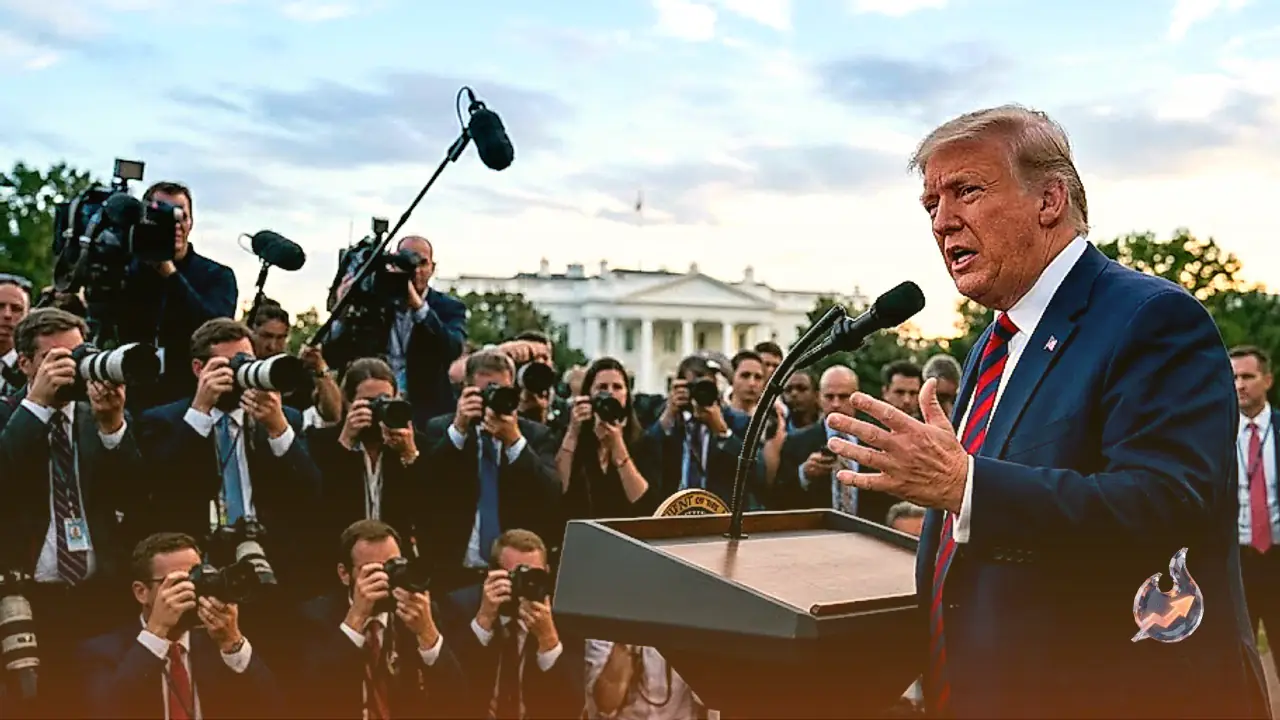
























Diplomatic tension has escalated between Baghdad and Washington following joint military strikes conducted inside Iraqi territory. The Iraqi government has firmly rejected statements by US President Donald Trump, who claimed that the military operation was executed in coordination with Iraqi leadership. Official statements from Baghdad confirm that the strikes were carried out without prior notice or consent, resulting in the deaths of at least 20 fighters belonging to the Popular Mobilization Forces (PMF). In response to the strikes, Iraqi Prime Minister Mohammed Shia al-Sudani decided to postpone his scheduled diplomatic visit to Saudi Arabia.
No Prior Authorization or Knowledge of Strikes
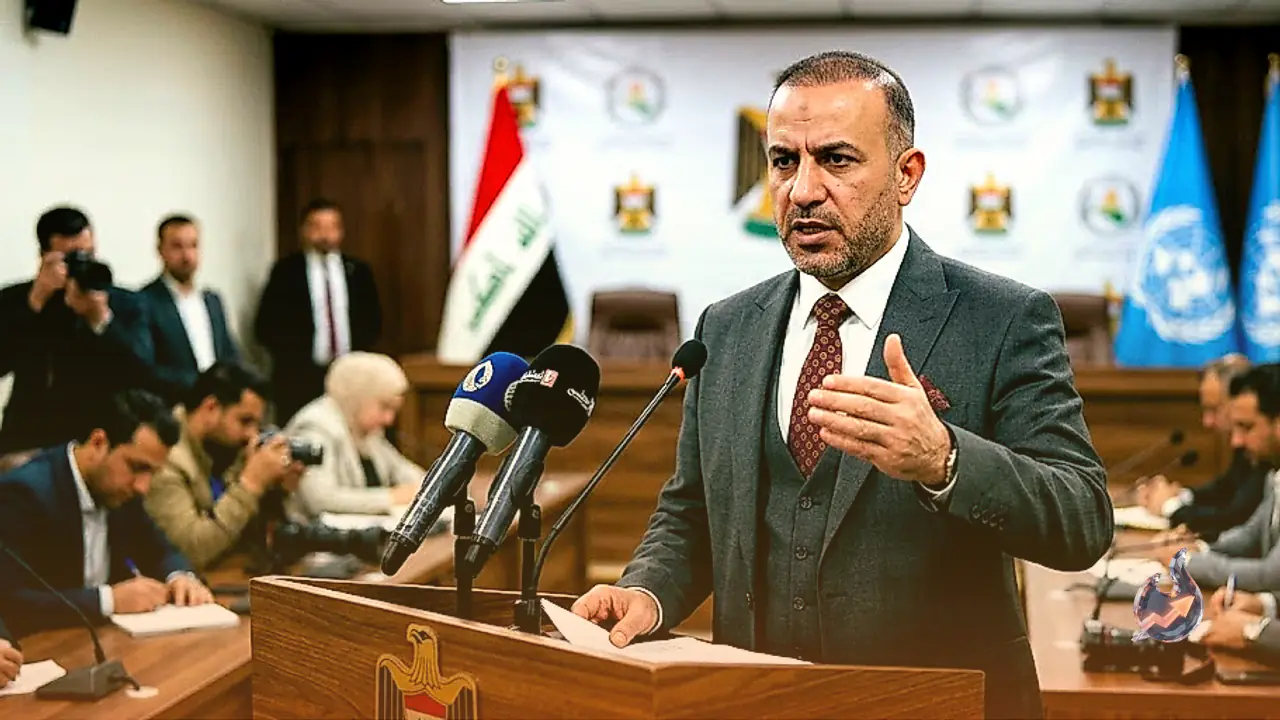
Iraqi government spokesperson Haider al-Aboodi released a statement clarifying that Baghdad never authorized foreign military operations within its borders. Haider al-Aboodi said, "The Iraqi government gave no permission to target any location within its borders." He further noted that Iraqi authorities had no advance warning before the operations unfolded. Iraq had already issued an official condemnation on Wednesday, protesting the military action as an unapproved violation of its territorial space.
Demand for Evidence Over Riyadh Drone Allegations
Amid the fallout from the airstrikes, Iraq has requested concrete evidence from Saudi Arabia regarding claims that Iraqi territory was used to stage cross-border attacks. The Saudi Ministry of Defense alleged that armed drones launched from inside Iraq on Monday and Tuesday targeted the capital city of Riyadh along with critical national infrastructure. Responding to these assertions, Iraqi Prime Minister spokesperson Sabah al-Numan stated that no evidence has been provided by any entity to substantiate the allegation that the drones originated from Iraqi soil.
Stand on Sovereignty and Armed Non-State Groups
Spokesperson Sabah al-Numan reiterated Iraq's security framework, emphasizing that the country will not permit non-state armed groups to utilize its territory as a launching pad against neighboring states. Simultaneously, he affirmed that Iraq will not tolerate unilateral foreign military intervention or violations of its sovereign boundaries. He stressed that Baghdad opposes both unsanctioned military actions originating internally and external attacks violating Iraqi airspace. This firm posture comes amid heightened geopolitical conflict between the US and Iran across the broader Middle East.