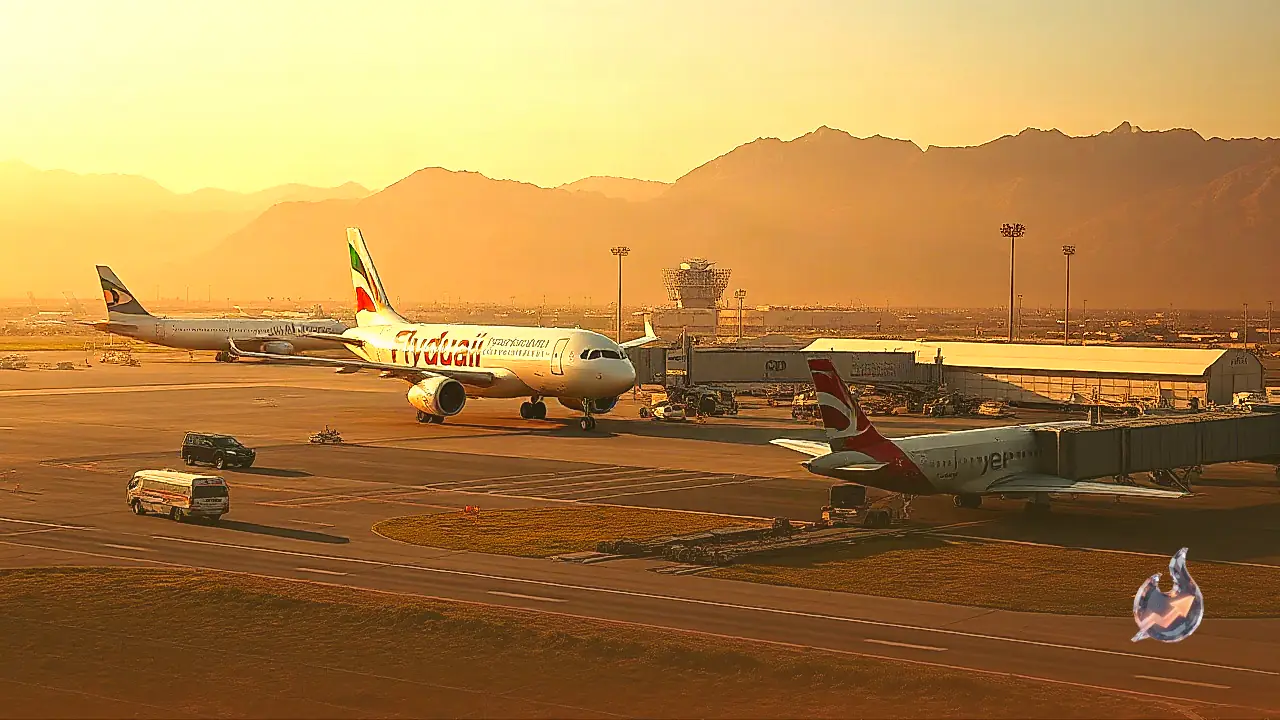





















A sudden, steep drop at cruising altitude is among the most terrifying ordeals air travelers can encounter, but the terror reached another level for families aboard a flight from Dubai to Tel Aviv on Wednesday. About two hours into the journey, an inflight struggle erupted when one pilot stabbed the other in an effort to seize control of the aircraft. As the Flydubai jet nosedived more than 17,000 feet (5,200 meters) in under two minutes, Adam Polovincik clung to his two young children, attempting to maintain calm amid overwhelming panic.
Mid-Air Plunge and Growing Terror in the Cabin
The aircraft plunged so abruptly that travelers who were out of their seats instantly collapsed to the floor. Polovincik, a 40-year-old performance marketing analyst seated in aisle 13, was returning home alongside his wife and children following a vacation across Singapore and Thailand. He initially mistook the sudden descent for turbulence caused by an air pocket, but as the sharp descent persisted for nearly a full minute, it became evident that the flight was in severe distress.
Moments later, shouts broke out across the cabin with calls for urgent help, mentioning blood and an active stabbing. Polovincik noted how quickly passengers recognized their total powerlessness in that instant. Despite the frightening scenes, he resolved to steady his emotions so that his six-year-old son and three-year-old daughter would not succumb to fear.
Reassuring Children Amid High Cabin Alarm
Determined to keep his children calm, Polovincik hugged them tightly and tried to conceal his anxiety through steady vocal tones and facial expressions. He told them that the aircraft was merely experiencing a mechanical malfunction, assuring them that the flight crew had the situation handled with the assistance of other passengers. Nevertheless, an intense wave of panic swept through the cabin, which was filled with numerous families traveling toward the conclusion of a Jewish holiday period.
Roughly 10 to 15 minutes after the chaos started, an individual emerging from the flight deck informed travelers that the threat had been neutralized and that alternate personnel had assumed control of the aircraft. However, maintaining the story of a mere mechanical glitch became far more difficult for Polovincik once passengers began moving down the aisle visibly covered in blood.
Cockpit Confrontation and Indian Pilot's Bravery
The crisis came to an end thanks to swift interventions inside and outside the flight deck. In recorded remarks, passenger Yaniv Hayun explained how he managed to put the assailant into a chokehold, dragging him away from the controls and out of the cockpit so that fellow travelers could help pin him down on the floor. Following the struggle, two other pilots traveling on the aircraft stepped into the cockpit to manage the flight systems and safely direct the plane, which carried over 150 passengers.
Polovincik expressed profound appreciation for the wounded Indian pilot, Capt Smit Machchhar, who resisted the attacker and succeeded in unlocking the cockpit door to permit passenger intervention. Polovincik emphasized that had Capt Machchhar not unlatched the entryway, those on board might not have survived to share the experience. Reflecting on the sequence of events, he remarked that although he does not consider himself religious, it felt as though an unseen hand had aligned every critical factor to ensure their survival.
Emergency Diversion to Saudi Arabia and Homecoming
With the cabin and controls secured, the flight diverted to Saudi Arabia. Polovincik highlighted the warmth and hospitality extended on the ground, noting that although Israel and Saudi Arabia do not share diplomatic relations, local personnel provided the predominantly Israeli passenger group with water, food, coffee, and sweets for the children.
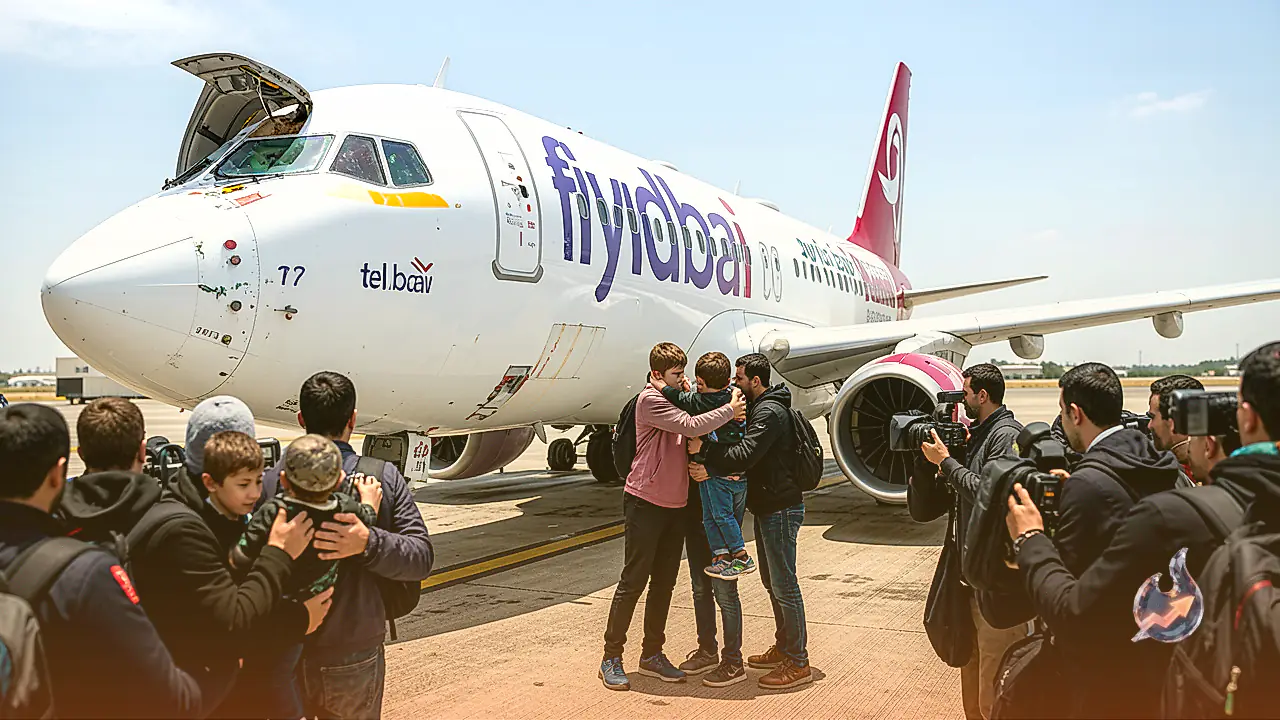
The injured pilot remains hospitalized in stable condition, while the detained suspect is expected to be extradited to the United Arab Emirates, where the flight originated. Later that Wednesday, passengers boarded a replacement flight to Tel Aviv, where they were met by cheering crowds singing, dancing, playing music, and waving Israeli flags. Looking back, Polovincik described the ordeal as a jarring conclusion to a memorable family trip, acknowledging that processing the trauma will take his family significant time.