






















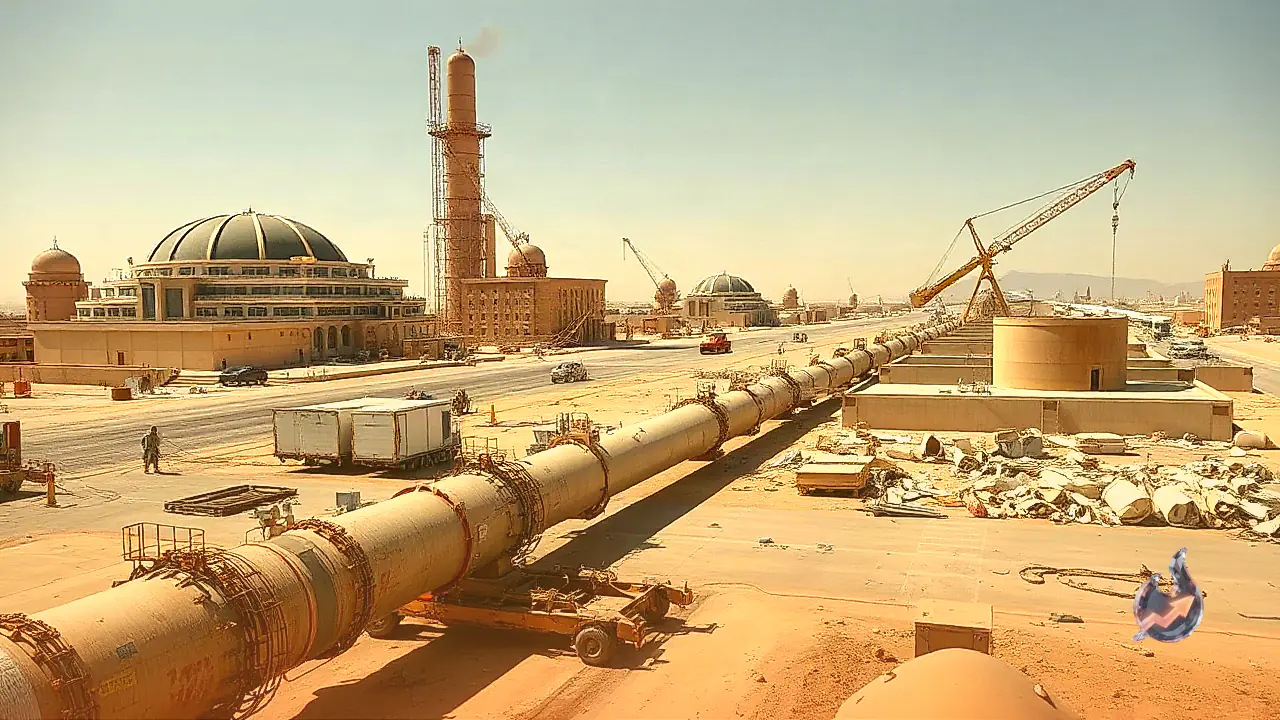

A severe aerial strike on vital Saudi Arabian energy infrastructure has sent fresh shockwaves through international oil markets. High-resolution satellite imagery confirms extensive physical destruction along the kingdom's East-West Pipeline, specifically crippling an essential pumping station. Industry specialists warn that returning the line to operational status could require more than four weeks, creating prolonged delivery bottlenecks and exerting intense upward pressure on worldwide crude oil valuations.
Pumping Station Crippled Along Red Sea Bypass Route
Satellite observations indicate that the most severe structural destruction took place at a major pumping facility positioned along the East-West Pipeline. Riyadh has increasingly depended on this overland pipeline corridor to transport crude oil directly to export terminals on the Red Sea. The route was developed to circumvent maritime transit through the Strait of Hormuz, a critical chokepoint where commercial vessels have frequently faced assaults during the six-month conflict involving Iran and the United States.
Riyadh has directly attributed the pipeline strike to Iranian-backed armed militias operating from Iraq. The assault occurred amid a broader escalation, following successive days of intensive missile and drone barrages launched toward southwestern Saudi territory by Yemen's Houthi movement, which also receives backing from Tehran. In retaliation, Saudi military forces unleashed heavy airstrikes against Houthi-controlled regions across western Yemen.
Satellite Evidence Shows Hangars Hit at King Khalid Air Base
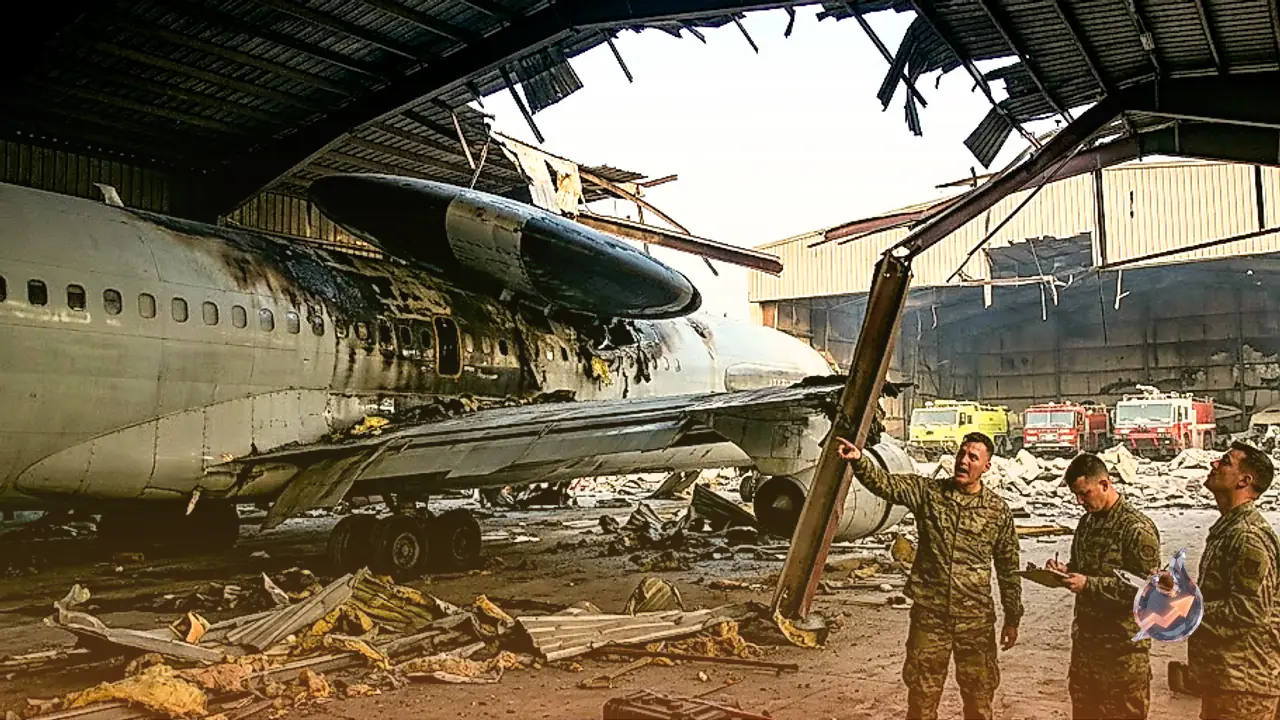
The wave of aerial attacks extended beyond fossil fuel conduits into high-priority military installations. Fresh satellite imagery recorded on Monday reveals noticeable structural damage inside Saudi Arabia's King Khalid Air Base, situated near Khamis Mushait. Houthi commanders confirmed targeting the military complex using an array of ballistic missiles and uncrewed aircraft, asserting the base served as the launch platform for earlier coalition bombing runs over Yemeni territory.
Visual evidence indicates that at least three aircraft hangars or hardened protection shelters suffered direct impact at the Royal Saudi Air Force compound, a key staging area for American-built F-15 fighter jets. Following these strikes, the Saudi government issued a statement on Tuesday asserting that it intends to counter hostile Houthi actions with decisive firmness. The Saudi-led coalition battling the Houthis announced that a Houthi missile and drone assault left 13 individuals injured after hitting what the alliance classified as civilian facilities. Meanwhile, Houthi sources maintained that Saudi air squadrons carried out more than 50 separate bombing runs across western Yemen within a single 24-hour window.
Market Reaction and Long Repair Timeline Threaten Crude Balances
Global energy benchmarks reacted immediately after Saudi authorities confirmed on Friday that the East-West line had been closed down as a protective measure. International benchmark Brent crude climbed as high as $108 (£80) per barrel on Tuesday, easing slightly after reaching $109.80 during Monday's trading session. Market specialists from energy intelligence group Kpler warned that the protracted outage could remove up to 3.6 million barrels per day from international availability, a volume representing approximately 3.6 percent of total worldwide consumption.
Homayoun Falakshahi, head of crude oil analysis at Kpler, explained that fresh technical assessments suggest resolving the physical destruction could require between four and six weeks. He cited limited availability of essential replacement components and strained logistics networks as primary hurdles prolonging the restoration process.
Vulnerability of Strategic Bypass Infrastructure Exposed
Energy strategists note that the incident severely tests long-standing assumptions regarding regional supply resilience. Anne-Sophie Corbeau, an energy analyst with Columbia University's Center on Global Energy Policy, observed that fixed pipeline infrastructure remains exceptionally vulnerable to standoff strikes. She noted that relying on overland bypasses to skirt the maritime dangers of the Strait of Hormuz offers limited long-term security when those land-based facilities can themselves be identified and targeted.
Beyond the East-West corridor, recurrent Houthi drone and missile salvos against additional Saudi energy assets have forced temporary suspensions of selected regional operations. The Yemeni rebel faction has conducted an extended war against Saudi-backed government forces, but its operational tempo has surged markedly in recent days. Houthi fighters advanced across extensive ground along Yemen's southwestern coastline last week, capturing high ground overlooking the Bab al-Mandab strait. This expansion significantly strengthens the group's operational ability to enforce its announced blockade against Saudi shipping lanes. The broader human cost continues to mount alongside the military escalation, with the UN Refugee Agency confirming that more than 100,000 people have now been internally displaced by the renewed regional hostilities.