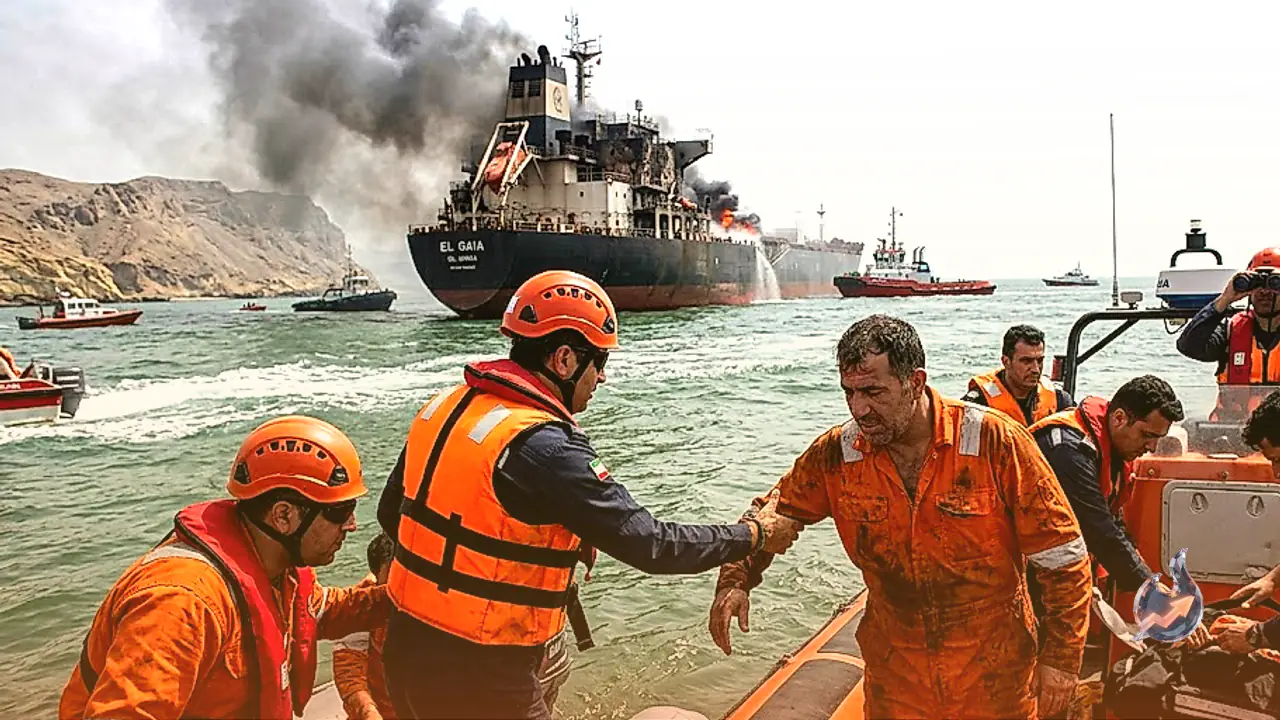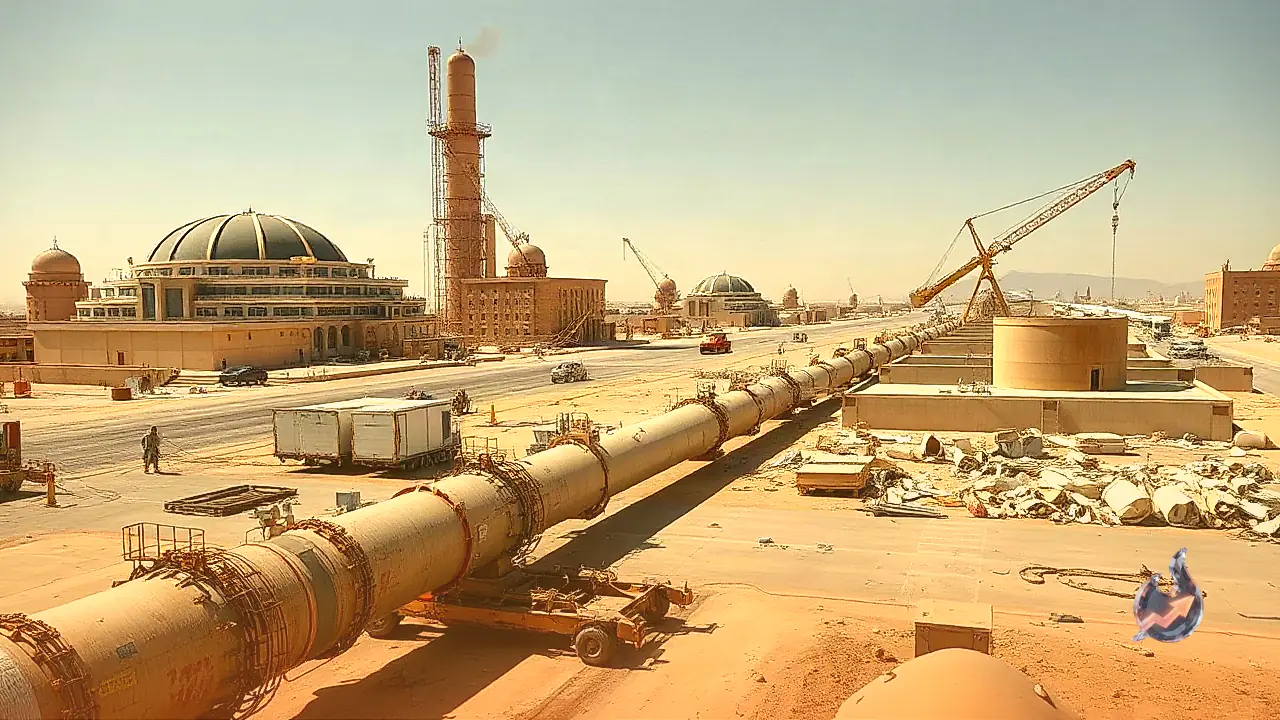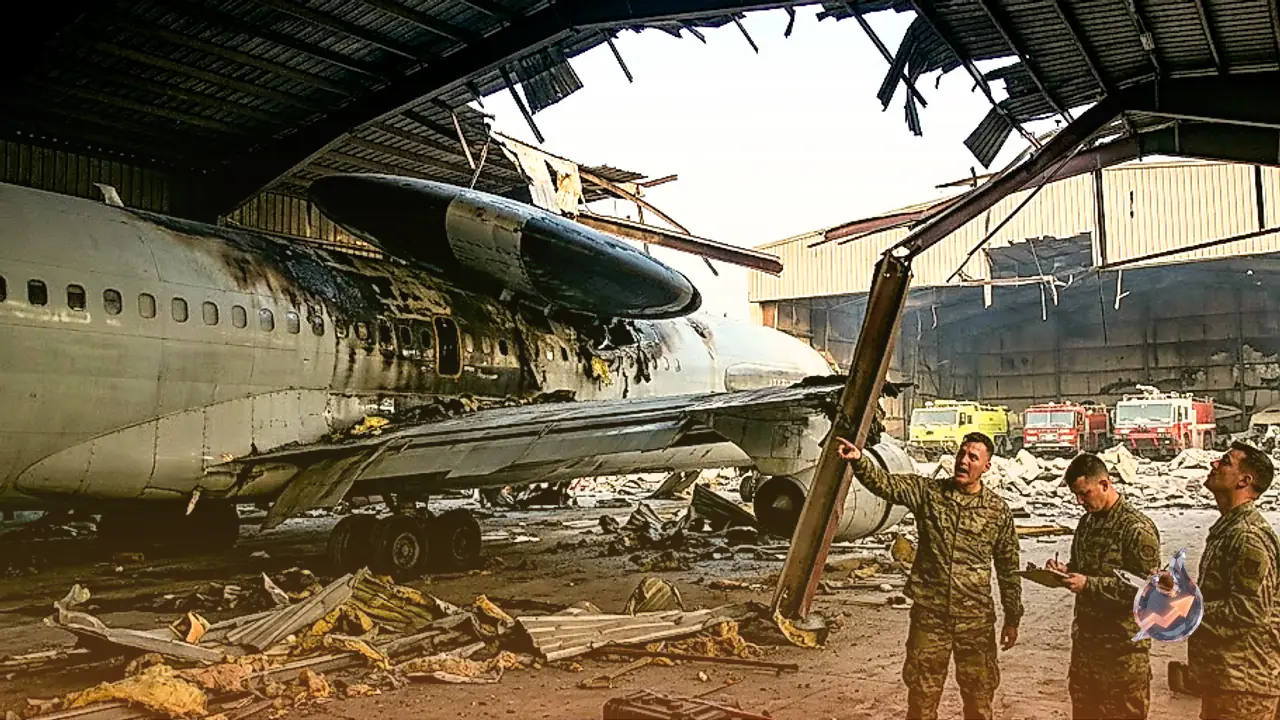























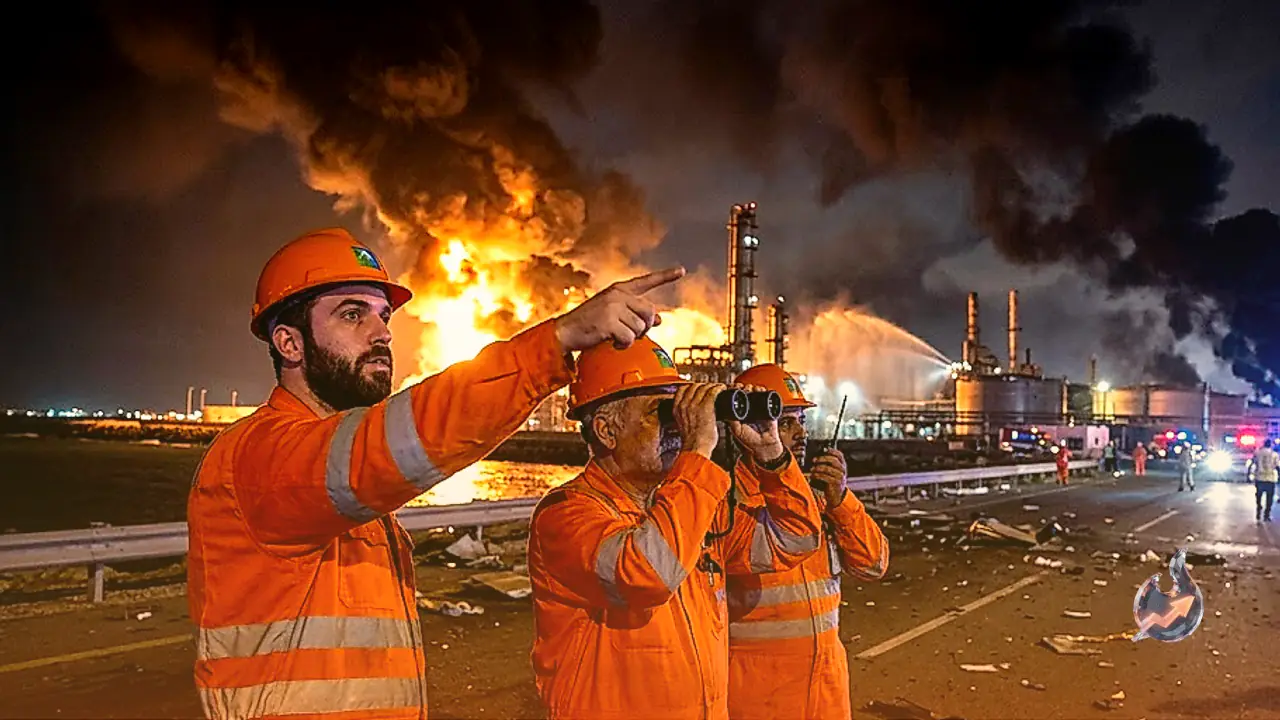

Yemen's Iran-aligned Houthi movement launched an extensive barrage of drones and missiles aimed directly at the Saudi Arabian capital, Riyadh, as well as critical petroleum infrastructure situated along the nation's Red Sea perimeter. Thick plumes of dense black smoke climbed into the sky from what appeared to be fuel storage reservoirs close to Riyadh's international airport on Saturday, following overnight mobile air raid warnings directing the metropolitan population to seek shelter indoors. This marked the very first occasion on which municipal authorities urged residents across the capital to remain inside since the latest wave of military escalation erupted with the insurgent movement.
Air Raid Sirens and Explosions Echo Across Riyadh
Preceding the emergence of the fires, the Saudi Civil Defence had distributed telephone warnings throughout the night alerting citizens across Riyadh and neighboring territories to imminent danger, before later circulating an all-clear clearance notice on Saturday morning. Saudi government officials have not yet issued any formal statement detailing the extent of the assault or verifying physical damage.
Despite the morning clearance, inhabitants throughout the capital reported hearing powerful detonations reverberating through urban districts shortly after sirens sounded. A 27-year-old resident living in northern Riyadh recounted that windowpanes shook violently in the immediate aftermath of the alarm, describing the sudden tremor as an alarming disruption that arrived without prior anticipation. At the affected facility, firefighters were seen working to bring a blaze under control at a heavily charred fuel tank owned by state petroleum corporation Aramco.
Spokesman Details High-Volume Rocket and Drone Salvos
In a formal military communiqué released online, Houthi defense spokesman Yahya al-Sarea declared that their forces had launched a substantial volume of ballistic missiles, cruise projectiles, and unmanned aircraft. The coordinated strike targeted sensitive locations across Riyadh alongside operational energy complexes managed by the state oil and gas giant Aramco in the Red Sea industrial hub of Yanbu.
Yahya al-Sarea asserted that the aggressive offensive was carried out as direct retribution against criminal attempts by Saudi forces to strike targets within the Yemeni capital, Sanaa. Earlier in the week, Sarea publicly accused Saudi military forces of conducting 300 airstrikes throughout Yemeni territory over a seven-day span. The Houthi armed movement remains engaged in a multi-year civil conflict against Yemen's internationally recognized administration, which receives active financial and military support from Saudi Arabia. In recent months, Houthi battalions have repeatedly aimed salvos across the northern frontier, and earlier in the week claimed credit for destroying a Saudi military fighter jet operating in Yemeni airspace.
Battlefield Fatalities Climb in Heavy Ground Clashes
While long-range salvos targeted urban centers, ground hostilities between opposing armies inside Yemen intensified severely. Frontline battlefield sources representing both factions confirmed that direct fighting between Houthi combatants and Saudi-aligned government units resulted in 48 fatalities on Saturday.
Houthi military authorities stated that 31 of their operational fighters perished during the clashes. Concurrently, command officials representing the recognized Yemeni government confirmed that their frontline formations suffered 17 soldier deaths during the same day of combat. The substantial loss of life underlines the unyielding intensity of the terrestrial war unfolding alongside reciprocal aerial strikes.
Naval Chokepoints and Strategic Red Sea Control
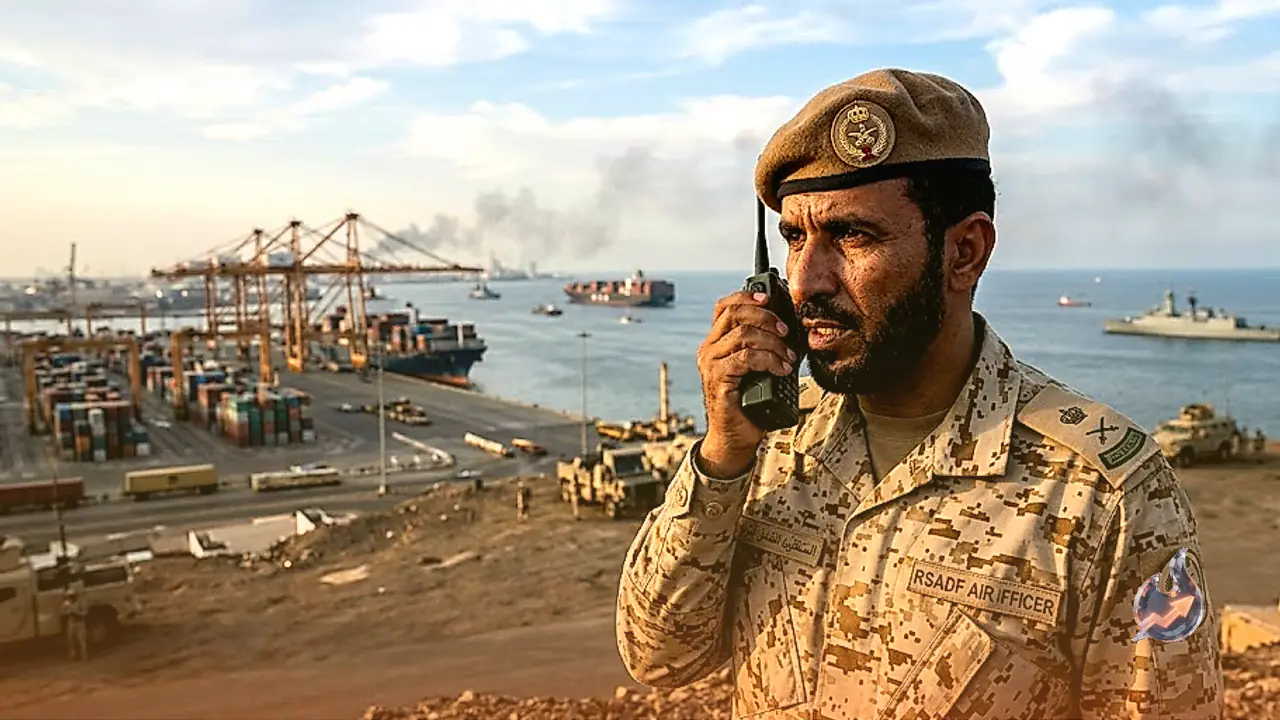
The conflict has expanded decisively into essential commercial waterways. Houthi forces recently took control of the key maritime transit hub of Mokha along with Perim Island, an island outpost overlooking the navigation channels that Gulf energy producers use to supply crude oil to European and Asian buyers.
Houthi leadership characterized their maritime blockade as a retaliatory measure countering a prolonged Saudi blockade that restricts air and sea transit into Houthi-administered regions in north-western Yemen. Commercial and state-run tankers originating from Saudi ports have grown heavily reliant on this specific Red Sea maritime corridor for petroleum shipments, particularly after the ongoing war involving the United States, Israel, and Iran led to the virtual closure of the Strait of Hormuz.
Global Energy Uncertainty and Financial Market Alarm
The convergence of airport-adjacent strikes, petroleum processing damage, and shipping chokepoint blockades has disrupted global commodity assessments. Financial analysts and corporate institutions are struggling to measure the operational vulnerabilities facing Middle Eastern crude supplies.
Investment banking institution JP Morgan issued a rare advisory notice informing global market investors that evaluating the ultimate trajectory of crude oil valuations had become extraordinarily difficult amid the escalating combat. The investment bank noted to clients that analysts simply do not know how to model the structural endgame of the widening conflict, highlighting the unprecedented instability threatening international energy corridors.