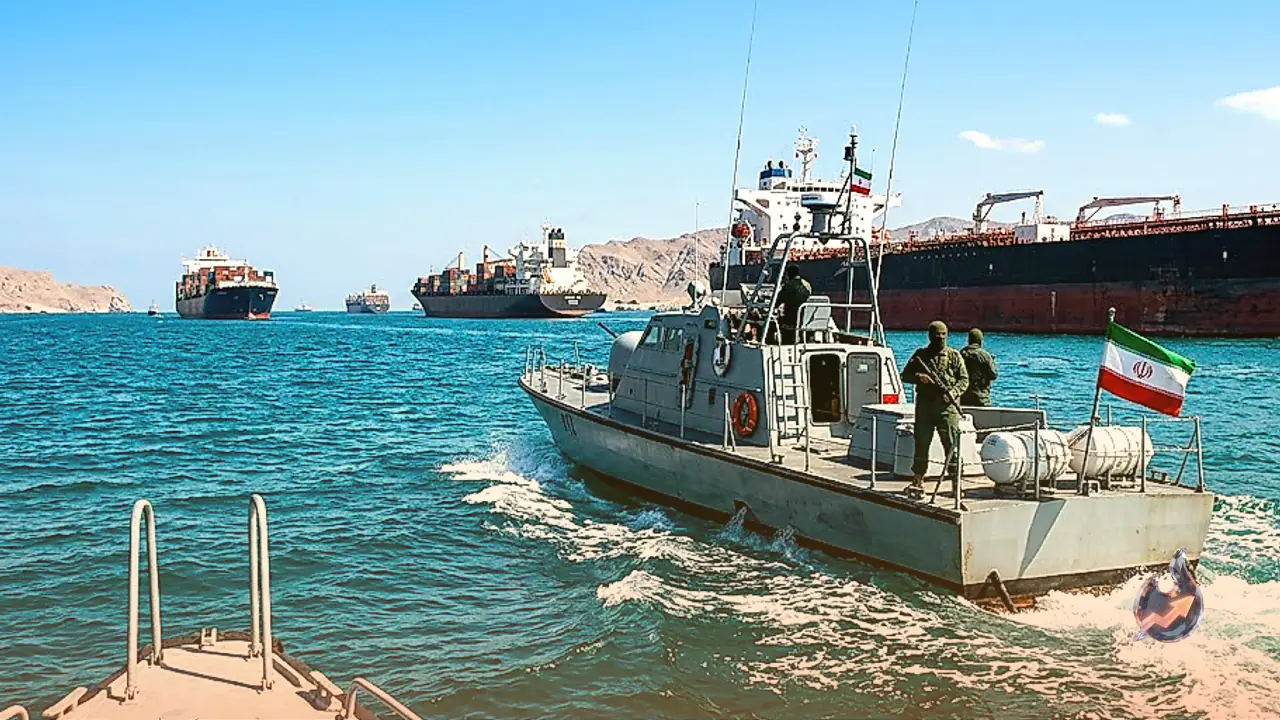





















Amid escalating military friction in the Middle East, Iran has issued a stern warning regarding international commercial maritime traffic passing through a crucial shipping corridor. Officials in Tehran declared that any nation or commercial entity accepting financial compensation from Iran's frozen assets to cover losses incurred during the ongoing regional conflict will be barred from operating their ships through the Strait of Hormuz. This warning, articulated by Iranian military leadership and echoed across official channels, marks a sharp escalation in tensions between Washington and Tehran over sovereign financial holdings and maritime security.
Military Command Issues Strait Navigation Ultimatum
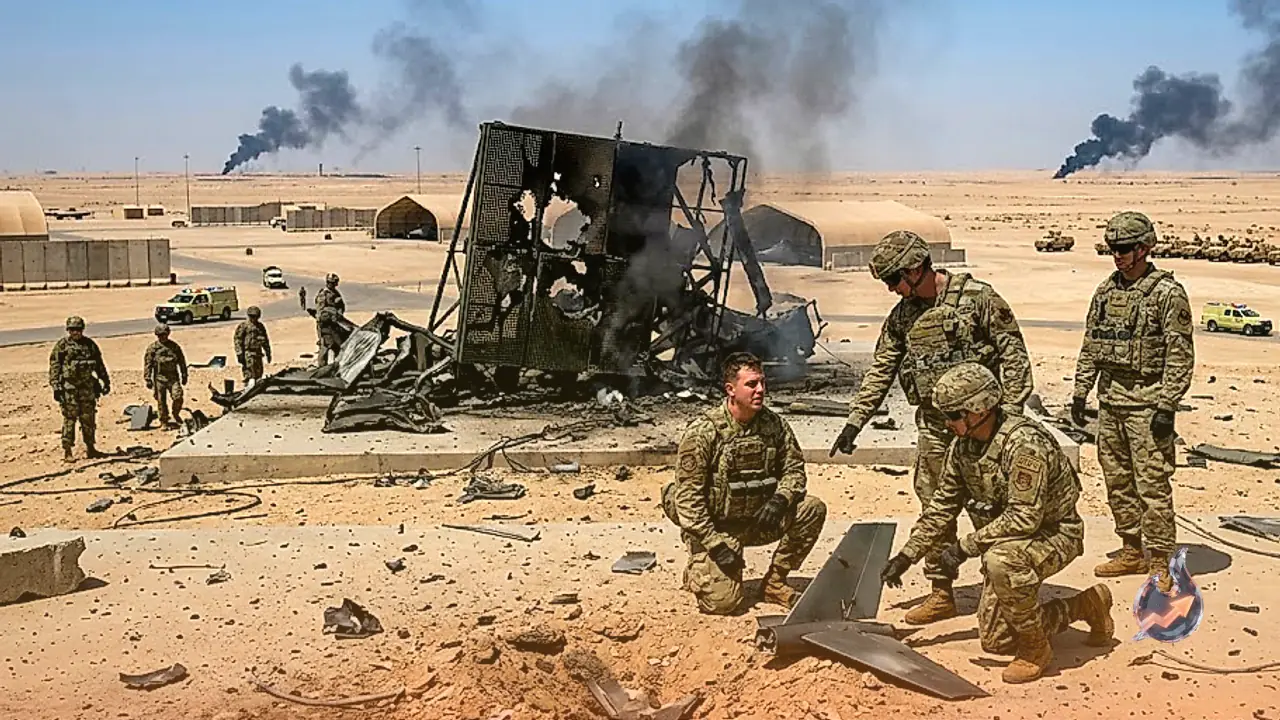
According to official declarations from the spokesperson of Iran's Khatam al-Anbiya Central Headquarters and reports carried by Iranian state media IRIB, Tehran strongly condemned recent US policy directions and military actions. Iranian military leadership accused American forces of fostering maritime insecurity and violating established navigational safety norms through illegal transit operations south of Hormuz. The military spokesperson emphasized that plans to draw compensation from frozen Iranian bank accounts to cover damages sustained by vessels during the conflict are entirely unacceptable.
The military spokesperson warned that if any country or commercial firm proceeds with executing such compensation arrangements, Iranian armed forces will take immediate defensive action. Under those circumstances, Iranian military units will physically block and interdict the vessels of those entities, denying them passage through the Strait of Hormuz.
Foreign Minister Araghchi Warns of Legal and Economic Chaos
Adding a diplomatic voice to the military threat, Iranian Foreign Minister Seyed Abbas Araghchi expressed severe concerns over the legal precedent being set. In a statement posted on X, Araghchi cautioned that seizing a nation's frozen assets to settle unrelated shipping damage claims undermines core international legal frameworks and risks triggering broad global instability.
Araghchi argued that freezing and liquidating sovereign funds to cover hypothetical future claims acts as a direct provocation. He emphasized that if international governments begin treating the arbitrary seizure of state assets as standard protocol, no nation's financial reserves will remain safe. This normalization, he warned, would unleash systemic chaos across international financial and trade networks, disrupting global peace and stability.
Escalation Follows Plan Outlined by Donald Trump
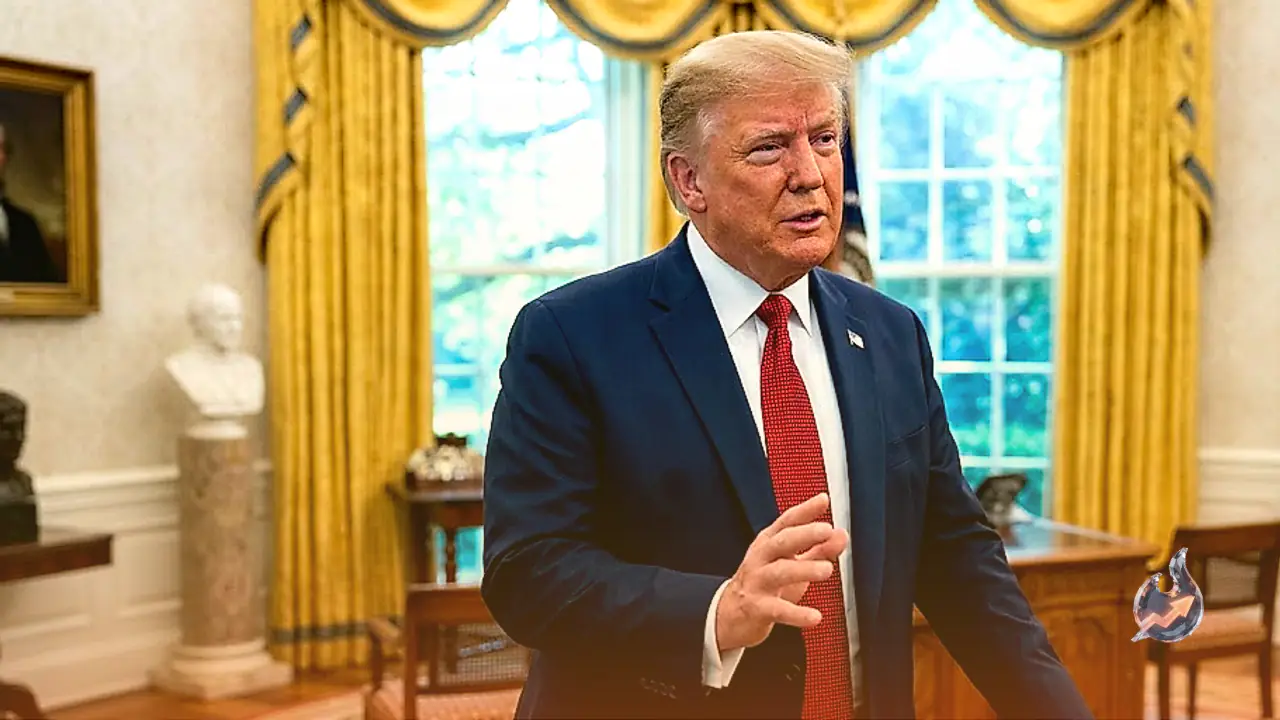
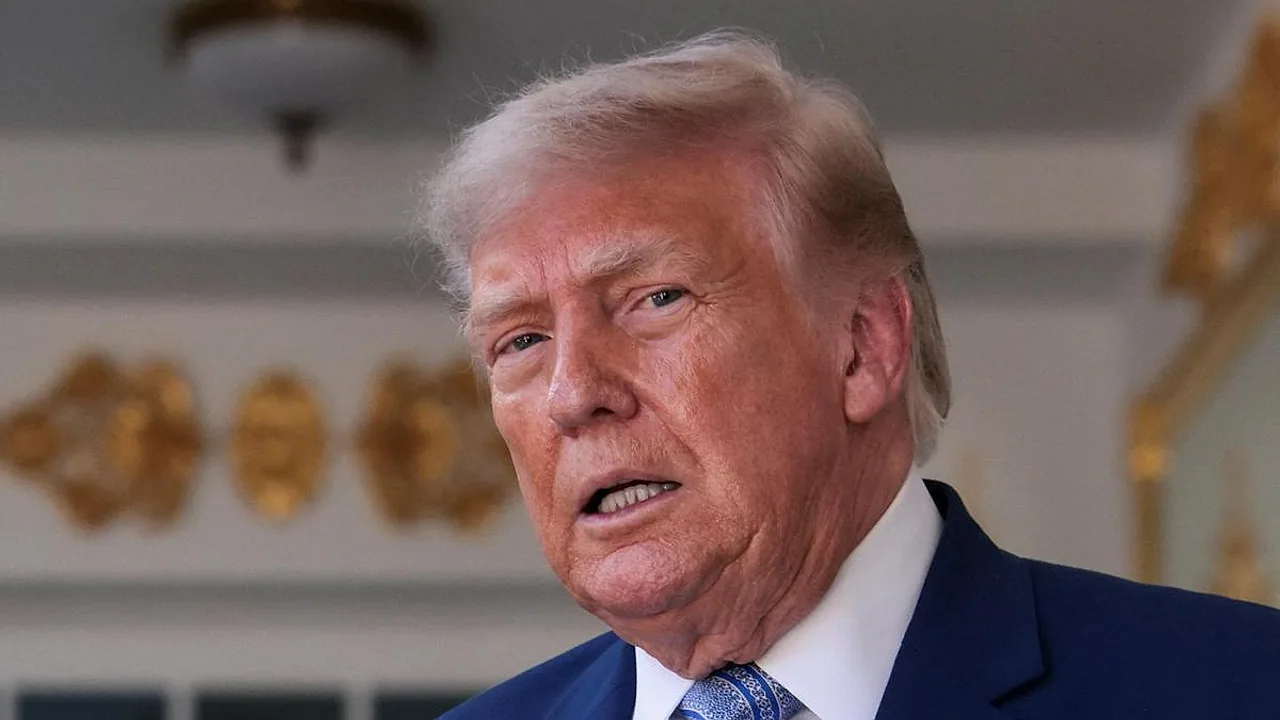
Tehran's uncompromising stance comes in direct response to statements made by US President Donald Trump regarding the disposition of frozen Iranian financial assets under American control. President Trump stated that any future damages inflicted upon maritime vessels, commercial cargo, or related shipping assets would be compensated directly using Iranian funds held and controlled by the United States.
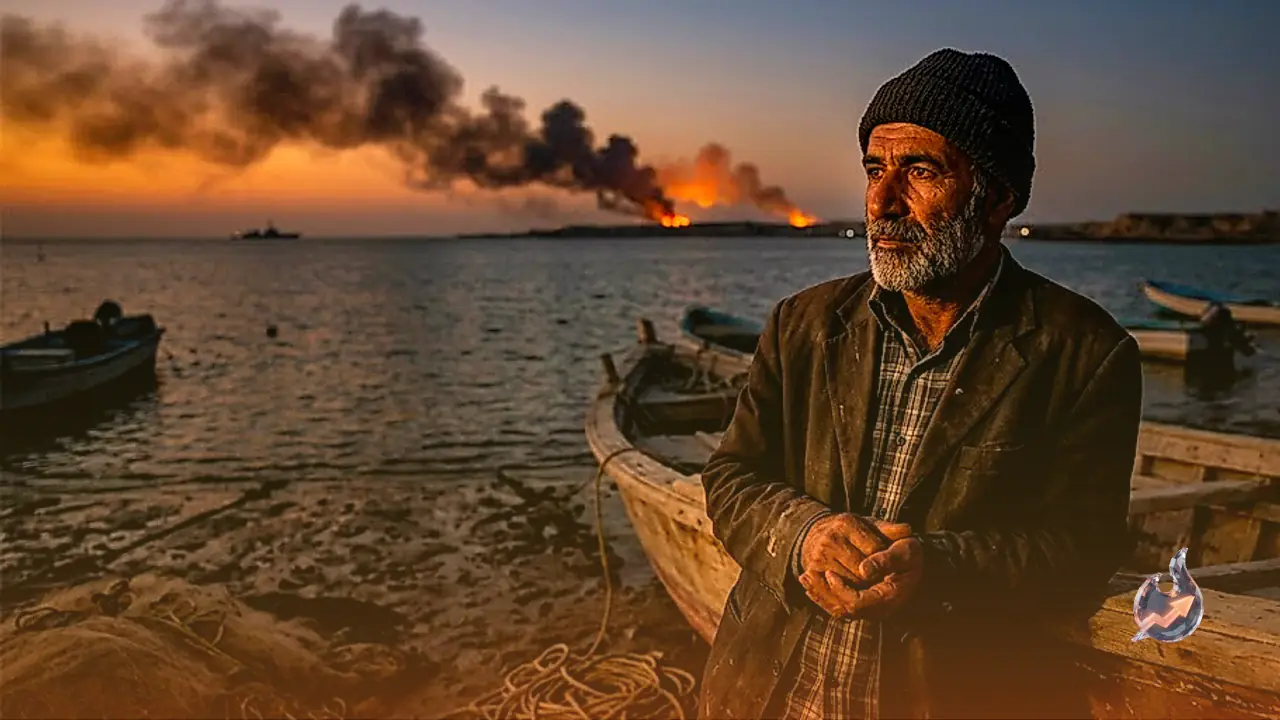
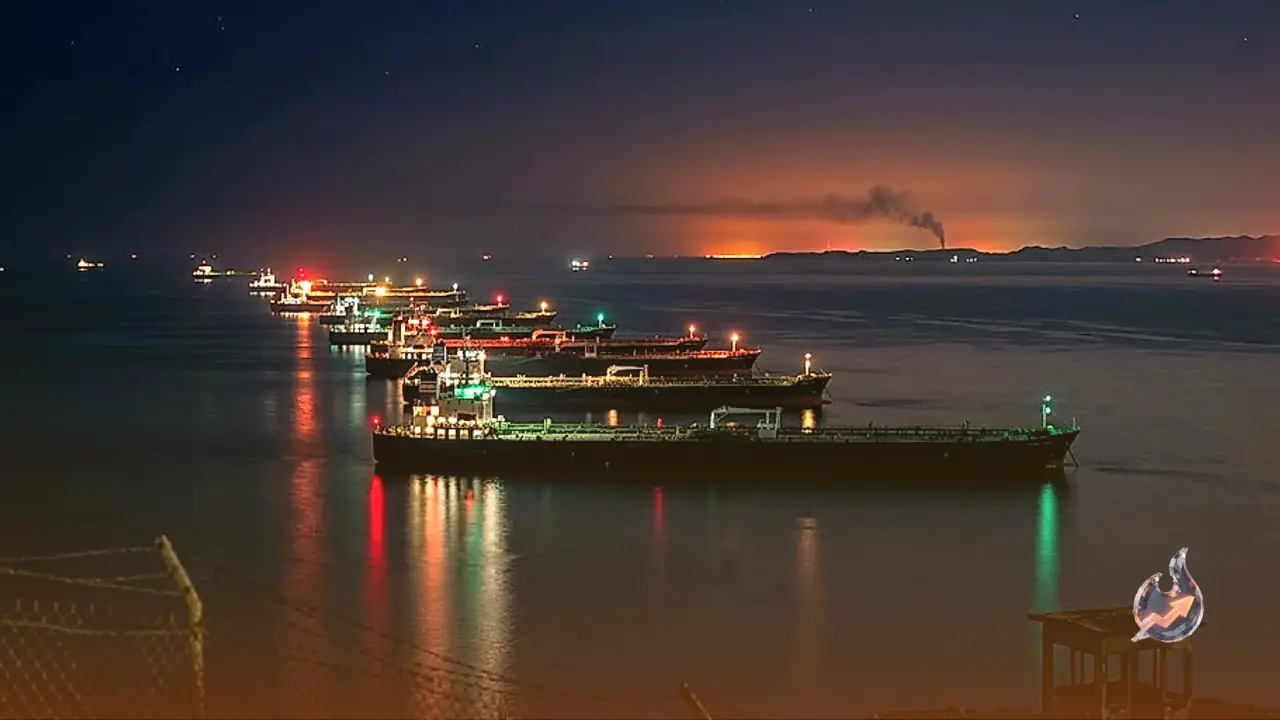
President Trump's policy declaration immediately heightened geopolitical risks in one of the world's most vulnerable maritime choke points. The Strait of Hormuz serves as a vital arterial route for global oil shipments and commercial cargo, meaning any tactical disruption or military enforcement by Iranian forces could significantly impact international trade and energy security.