






















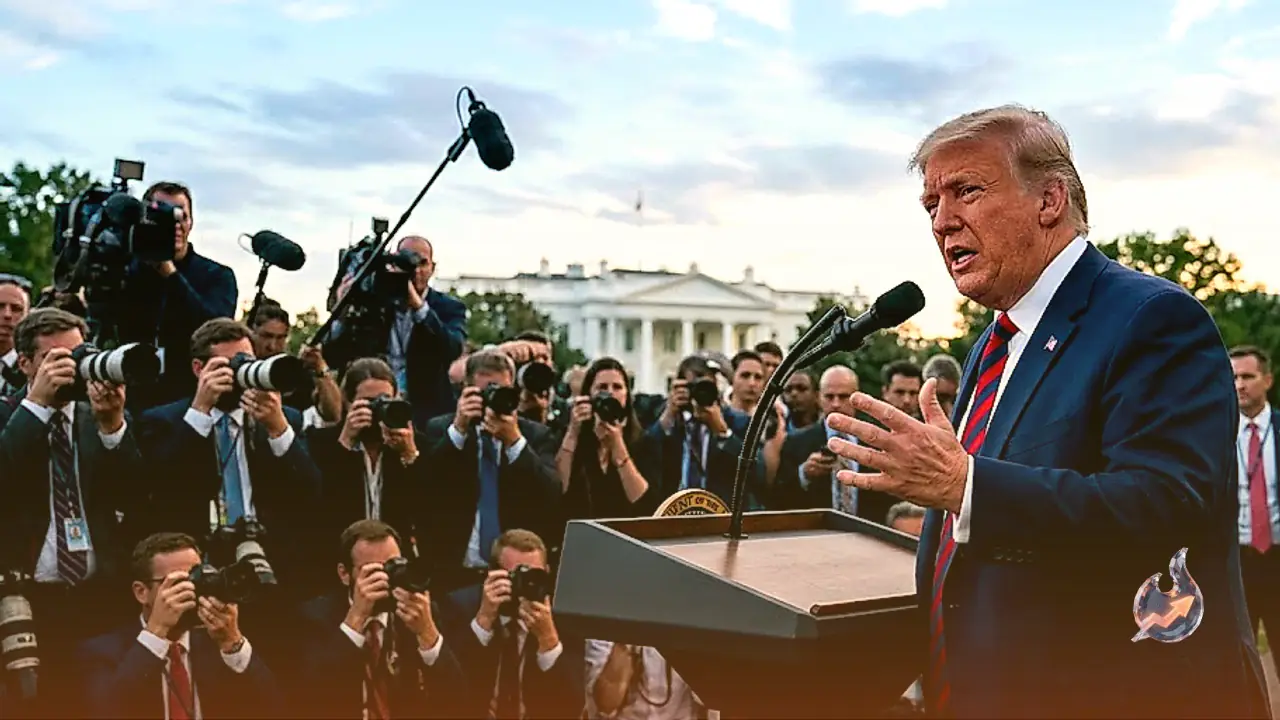

US President Donald Trump has stated that he does not expect the war with Iran to conclude until after the midterm elections in November, adding that global oil prices will not decline until that time. Speaking on Wednesday while heading to Texas, Trump asserted that Tehran will be unable to sustain the conflict much longer, leading to an immediate end to the hostilities right after the electoral process concludes. The conflict, which is currently in its seventh month, has placed immense pressure on the administration amid a shifting political landscape.
A Politically Charged Convention in Texas
The remarks were made as Donald Trump traveled to Texas for the party's first-ever midterm election convention, an event critical for determining the future balance of power within the US government. Historically, the party of a sitting US president tends to lose seats in Congress during midterm elections, putting Republicans at risk of losing their congressional majority. At the convention, Trump sought to energise his base and counter falling polling numbers while rallying support ahead of the 3 November vote.
Allegations Regarding the US Election
Trump claimed that Iran is desperate to influence the upcoming election to install a weak group of individuals into power, making an apparent reference to the Democrats. He alleged that such a leadership would leave Tehran alone and allow them to pursue nuclear weapons, though he provided no evidence to substantiate this claim. Tehran has repeatedly and consistently denied that it is seeking to develop nuclear weapons, maintaining a diplomatic stance against such accusations.
Surging Oil Prices and Economic Pressures
On Wednesday, oil prices climbed to $100 (£74) a barrel for the first time since July, driven by escalating fighting throughout the Middle East. Trump told reporters that oil prices would tumble downward immediately following the election, although he also remarked that it might take a little longer than the midterm itself. He noted that regular Americans have approached him to express frustration over the rising cost of gasoline and living expenses resulting from the ongoing conflict.
Military Escalations in the Middle East
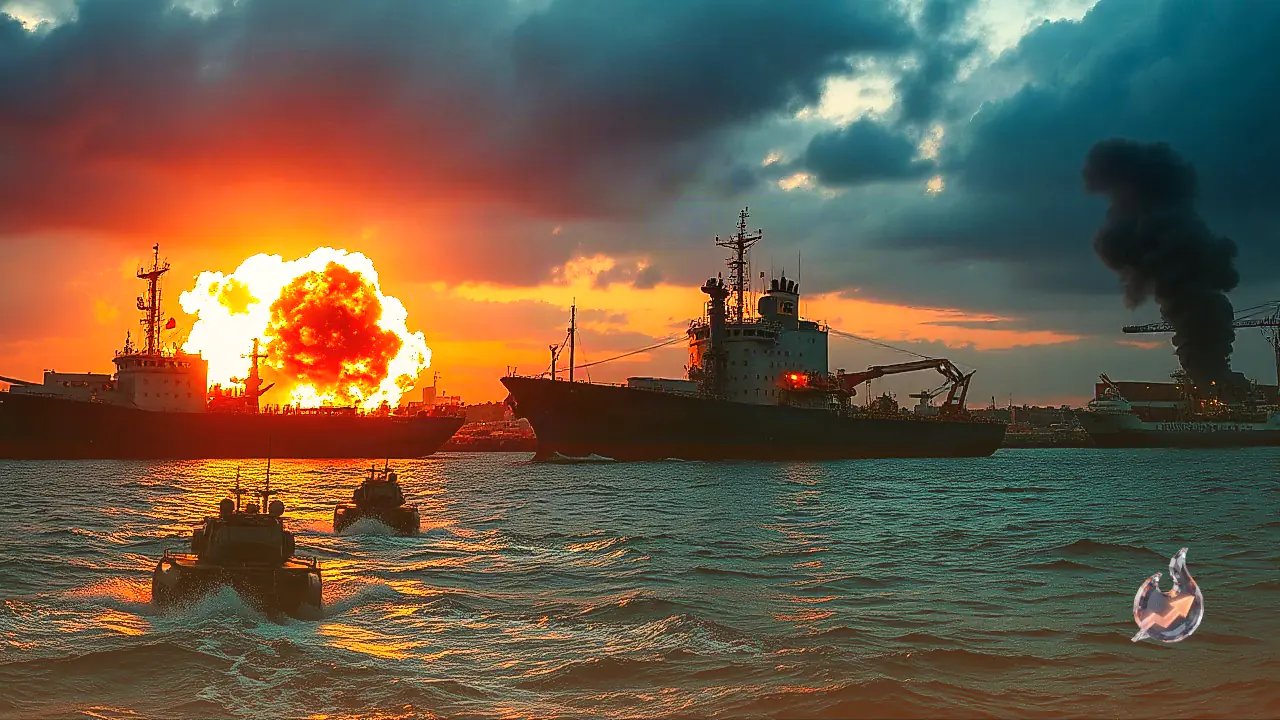
The conflict has intensified dramatically following the formal expiration of a 60-day ceasefire between the US and Iran last month, with oil facilities across the region becoming prime targets. On Wednesday, the US military announced it had attacked five oil tanker ships linked to Iran. In retaliation, Iranian state media reported that Tehran launched successful attacks against two US Navy destroyers and eight oil tankers in the Strait of Hormuz, inflicting heavy damage on the vessels.
Regional Fallout and Rising Fuel Costs
The broader regional instability has also drawn in other actors, as evidenced by a wave of attacks launched by Iran-linked Houthi rebels in Yemen against Saudi Arabia a day prior, which sparked fires at critical oil installations. The renewed fighting and persistent attacks on shipping lanes have driven up fuel costs globally and raised concerns among economists that rising energy prices could force the US to implement higher interest rates.