



















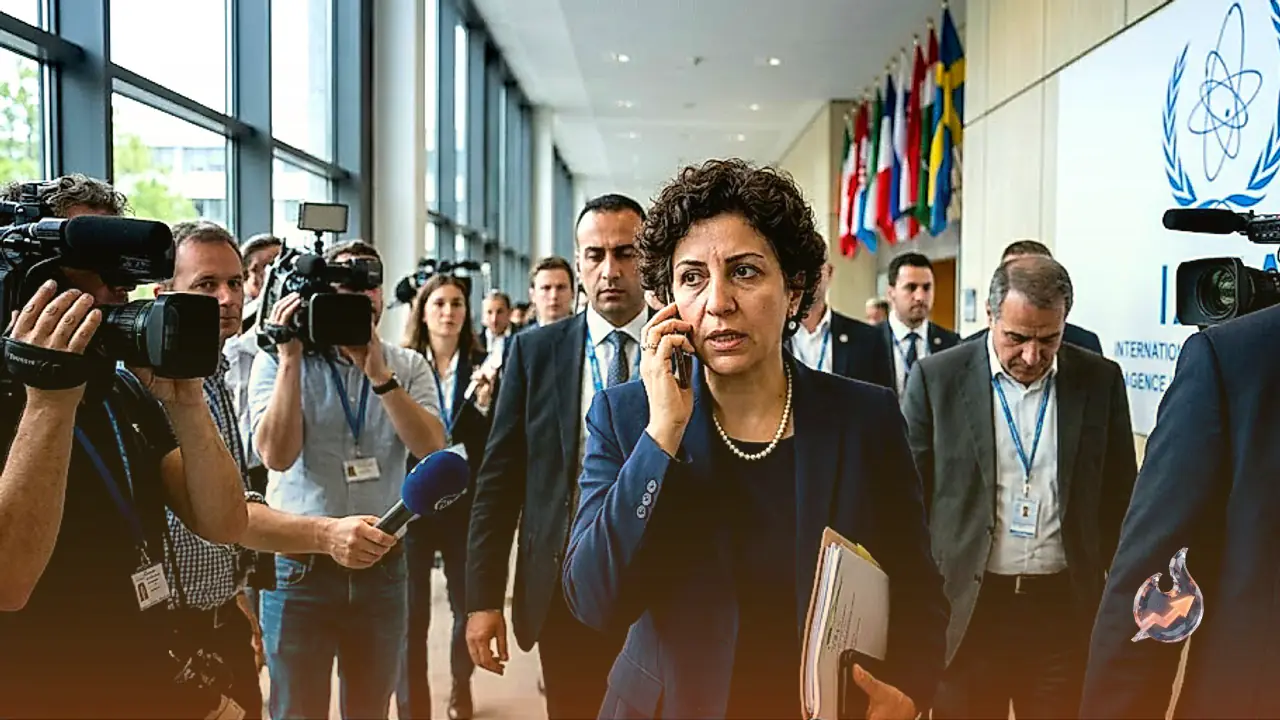

The UN nuclear watchdog has officially referred Iran to the Security Council over non-compliance with its obligations under the non-proliferation treaty, marking the first time such an action has been taken in 20 years. The decision was reached during a meeting of the board of governors of the International Atomic Energy Agency (IAEA) held in Vienna, where member states addressed mounting concerns regarding Tehran's nuclear activities and transparency issues.
The Resolution and International Vote
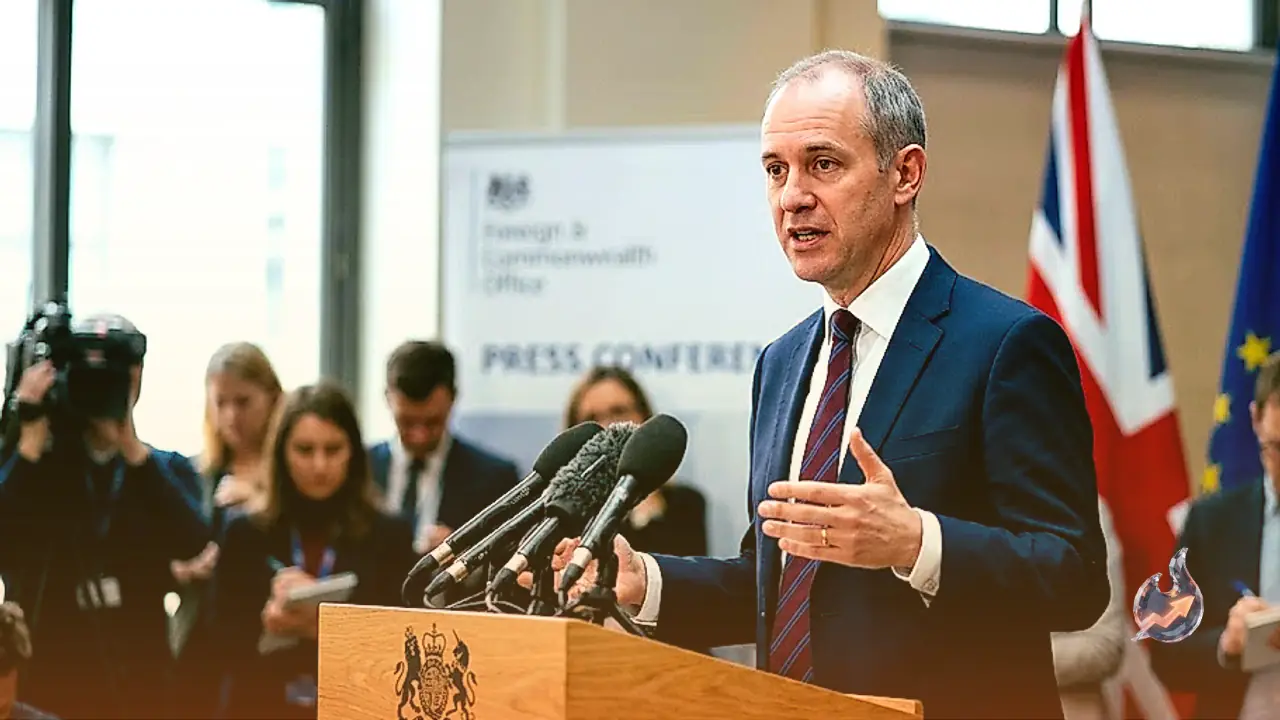
The resolution that triggered this referral was formally tabled by the UK, France, Germany, and the US. During the vote at the Vienna meeting, 23 countries backed the resolution, while eight nations abstained. Conversely, China, Russia, and Niger voted against the measure. Despite this significant diplomatic rebuke, new international sanctions against Iran remain unlikely at this stage because China and Russia hold veto powers within the Security Council.
Inspection Access and Uranium Stockpile
The IAEA resolution highlights a persistent lack of information concerning Iran's nuclear materials, specifically its stockpile of highly enriched uranium, alongside restricted access for agency inspectors to vital nuclear facilities. According to senior US officials, at the onset of the latest conflict, Tehran possessed roughly 440kg or 970lb of 60% enriched uranium. Such material can be relatively quickly upgraded to the 90% threshold required for weapons-grade uranium.
Tehran Response and Ongoing Conflict
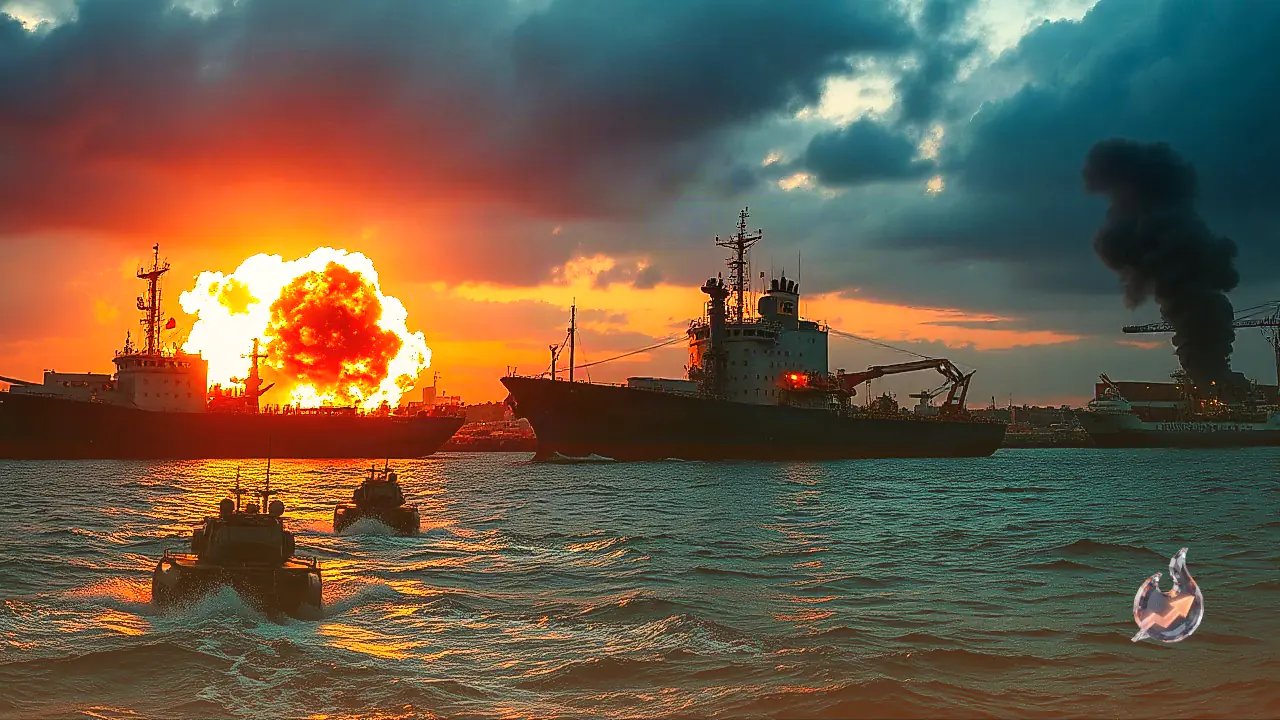
Tehran strongly condemned the IAEA's resolution, arguing that US and Israeli military strikes on its nuclear sites are the primary reason for disrupted inspections. Iranian deputy Foreign Minister Kazem Gharibabadi stated on X that opposing forces attack safeguarded facilities, disrupt verification processes, and then use that very disruption as a pretext for a resolution. Access to Iranian nuclear sites has been blocked since a 12-day conflict in June 2025 involving Israeli and US strikes, followed by further attacks in the latest war launched on 28 February.
Peaceful Stance Versus Regional Concerns
While Iran maintains that its nuclear programme is strictly for peaceful purposes, the US, Israel, and several European nations continue to question these assertions amid fears of a covert weapons development effort. Tehran has also indicated that granting future inspection access should be tied to a broader settlement with the US and Israel to finally bring the ongoing war to an end.