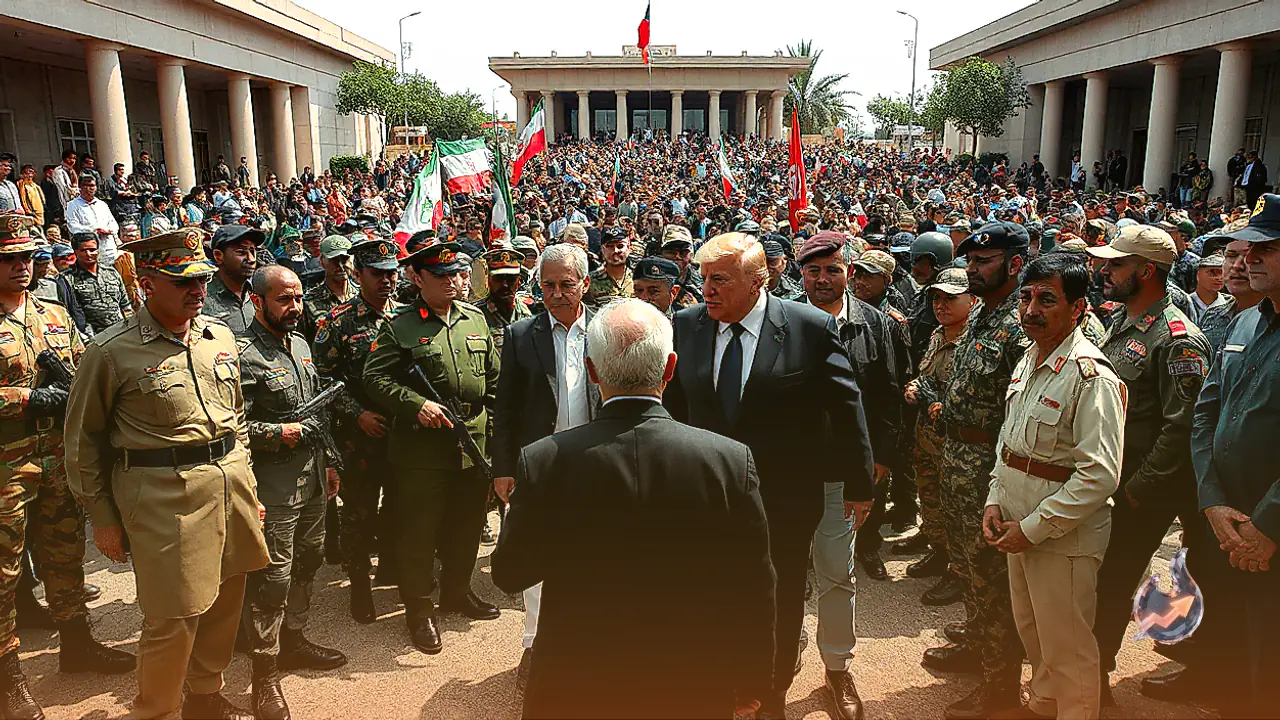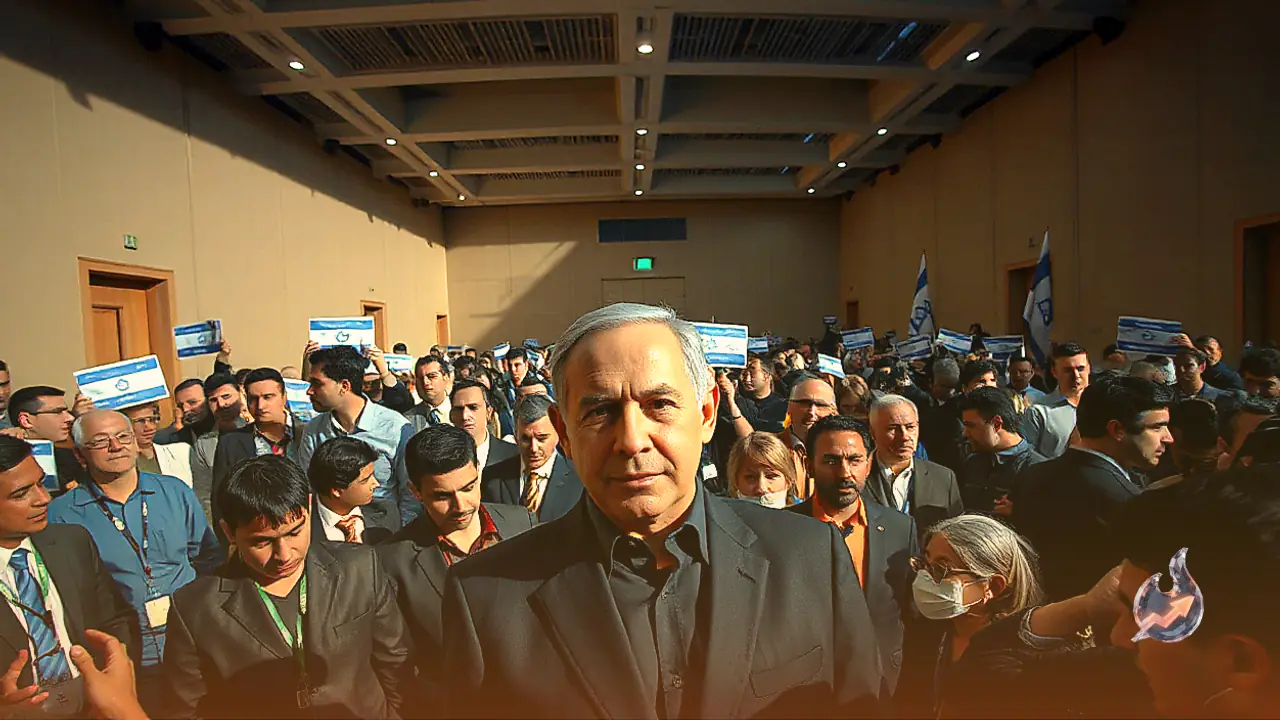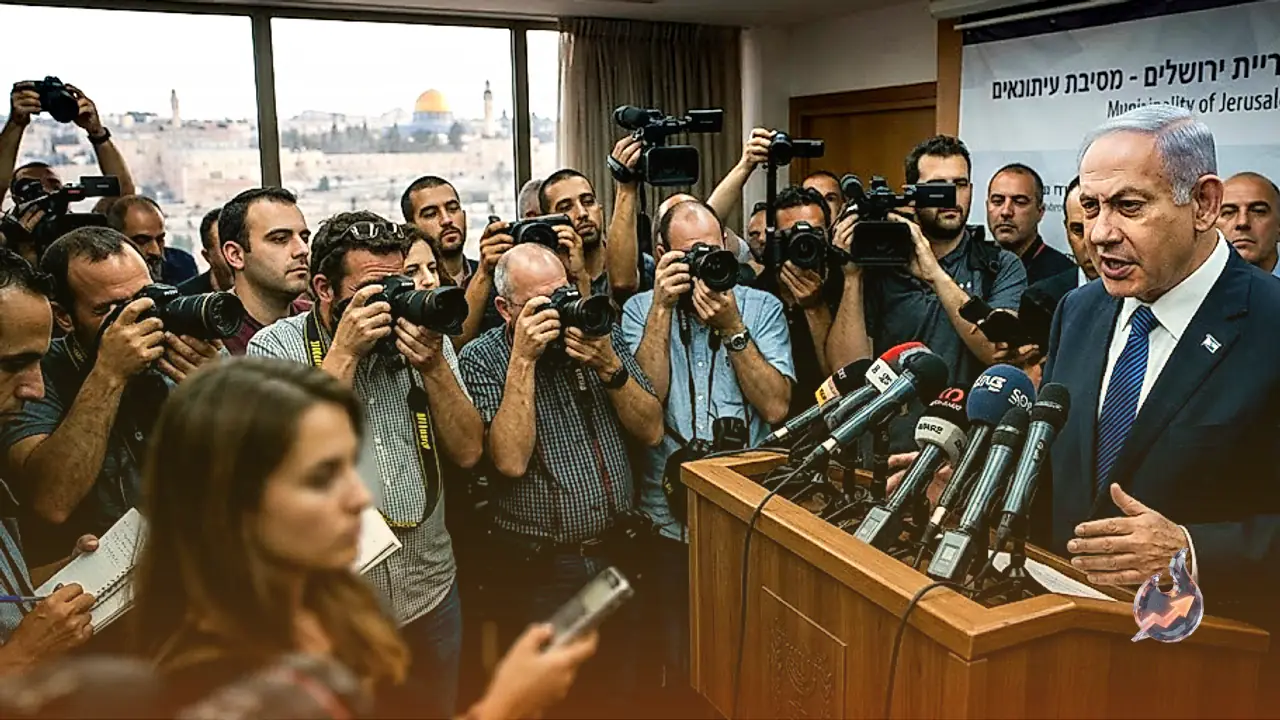





















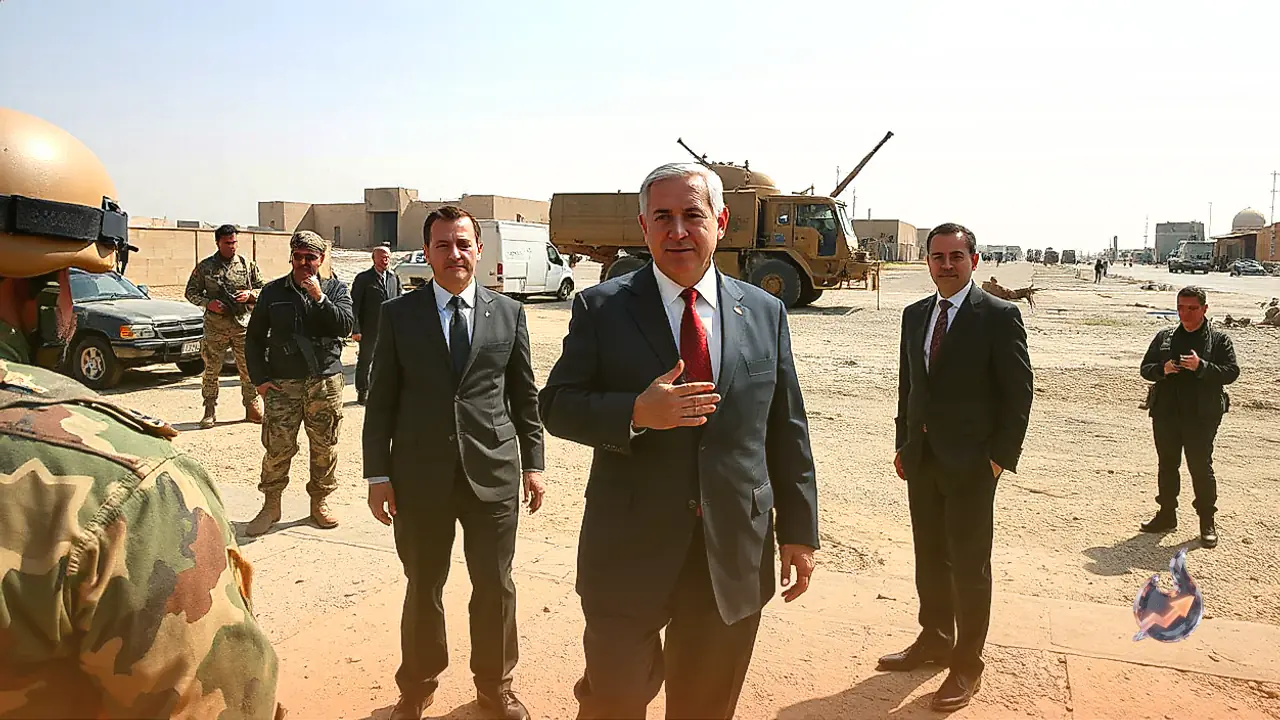

Tensions across the Middle East have surged toward another dangerous flashpoint as Israeli Prime Minister Benjamin Netanyahu mounts intense pressure on US President Donald Trump to authorize a renewed wave of large-scale military operations against Iran. Israeli officials are pushing for fresh air raids targeting Iranian positions to commence immediately following Tuesday's midterm elections in the United States. Regional diplomats and individuals familiar with the matter indicate that the Israeli government wants swift action, although President Donald Trump has yet to make a definitive ruling regarding whether to approve another offensive.
Domestic Political Realities Behind Netanyahu's Stance
The push for military intervention comes against the backdrop of shifting political dynamics within Israel. Prime Minister Benjamin Netanyahu and his right-wing coalition partners lost their parliamentary majority in national elections held last week, placing the long-serving leader in a vulnerable domestic position. Observers suggest that reigniting a high-stakes military confrontation with Tehran could rally public support around national defense imperatives, potentially providing Netanyahu with the leverage required to assemble an emergency unity government. Guided by these domestic and strategic considerations, Netanyahu advocated for new strikes during an extensive telephone discussion with Trump over the weekend. He has also directed senior officials to coordinate with counterparts in Washington, though the American president has withheld formal approval for military action.
Parallel Diplomatic Tracks Brokered by Qatar
Even as Tel Aviv campaigns vigorously for an armed response, a separate diplomatic track is actively advancing between Washington and Tehran. Qatari intermediaries conducted two comprehensive rounds of direct talks with Iranian officials last week in an effort to de-escalate maritime friction. The framework under negotiation would require Iran to cease disruptions and hostile operations against merchant vessels navigating the critical Strait of Hormuz, in exchange for the United States easing its naval blockades and commercial restrictions on Iranian shipping ports. Further rounds of these diplomatic consultations are slated to proceed this week in an attempt to hammer out a workable interim understanding.
Washington's Balancing Act Between Deterrence and Diplomacy
The administration in Washington is navigating a delicate line between military deterrence and diplomatic engagement. Speaking on Sunday, President Donald Trump characterized his weekend conversation with Netanyahu as very positive, confirming that Iranian issues formed a central part of their discussion while declining to share tactical specifics. Addressing the administration's broader posture on Saturday, US Secretary of State Marco Rubio noted that Trump has not reached a final decision regarding strikes. Rubio explained that the administration continues to view diplomacy as its preferred path forward, while making clear that Trump retains both the operational readiness and the resolve to execute military operations should circumstances demand them.
Arab Capitals Warn of Regional Escalation
Regional partners across the Arab world have voiced grave reservations over any prospect of expanded aerial bombardment against Iran, warning that further conflict could destabilize the entire regional order. According to security analysts, fresh strikes risk triggering aggressive retaliation from Yemen's Houthi movement against critical infrastructure in Saudi Arabia and commercial shipping routes through the Red Sea. Furthermore, Iranian-aligned armed factions throughout Iraq could enter the fray, opening multiple combat fronts simultaneously.
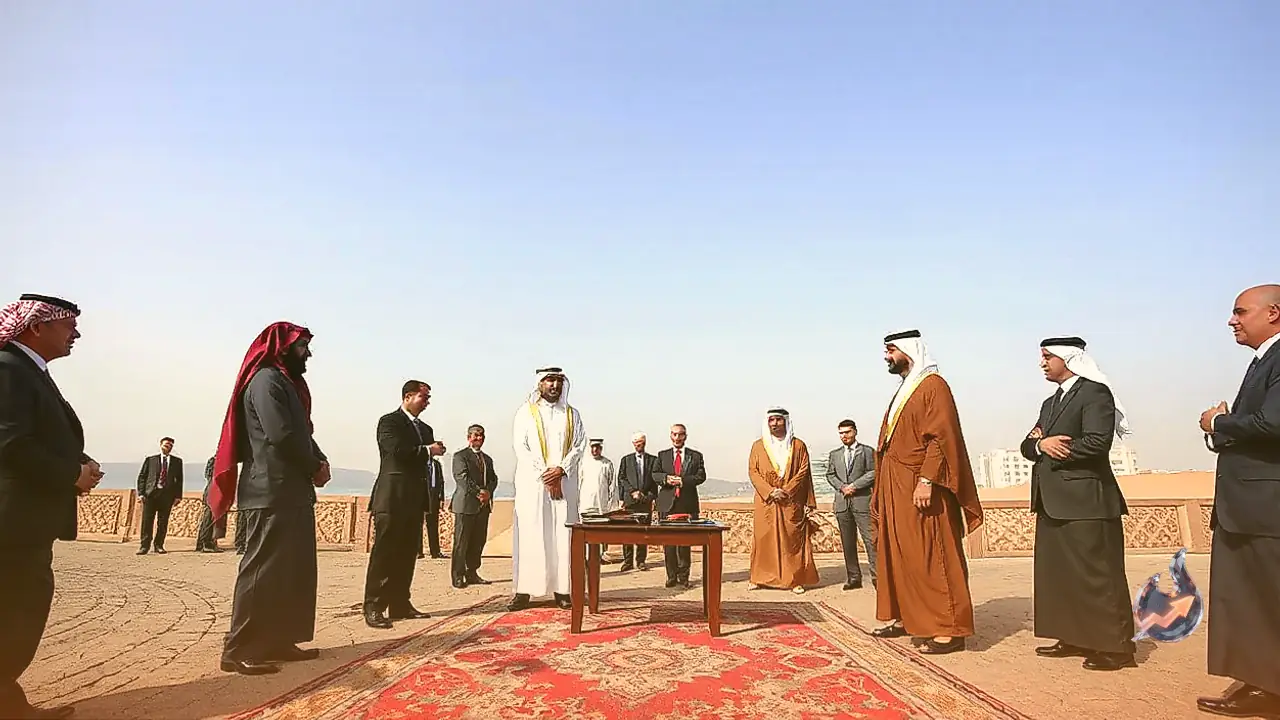
At the Manama Dialogue security summit in Bahrain, Anwar Gargash, diplomatic adviser to the president of the United Arab Emirates, warned that failure to resolve underlying differences between Washington and Tehran through diplomacy could yield catastrophic fallout. Egyptian Foreign Minister Badr Abdelatty echoed these alarms during the forum, cautioning that an impending military clash would prove far more lethal and destabilizing than previous rounds of confrontation.
Iran's Dual Stance on Dialogue and Retaliation
Tehran has framed its posture around simultaneous diplomatic readiness and active military mobilization. While Iranian diplomats remain open to mediated talks with the United States, military commanders have vowed an immediate reaction to any act of aggression. Iran's newly appointed Supreme Leader Mojtaba Khamenei instructed top armed forces officials during an operational briefing to respond instantaneously to any threat emanating from the United States or Israel. Khamenei also directed military planners to widen the scope of prospective retaliatory targets across the theatre.
Concurrently, Iranian negotiators maintain that any lasting diplomatic accord must contain binding guarantees ensuring that the United States upholds its commitments. Iranian representatives point out that both American and Israeli forces have previously carried out kinetic strikes even while nuclear negotiations were underway, making verifiable enforcement measures a non-negotiable requirement for any durable pact.
China Expands Diplomatic Outreach
Recognizing the risks of regional disruption, global powers have stepped into the diplomatic vacuum, with China accelerating its mediation initiatives. Chinese Foreign Ministry spokesperson Mao Ning confirmed that a special envoy from Beijing will conduct official missions across Iran, Oman, and Saudi Arabia during the first or second half of November to facilitate de-escalation. Chinese President Xi Jinping has similarly underscored that the Persian Gulf must not be transformed into a battleground for great-power confrontation or geopolitical rivalry. The entire region now awaits the White House's ultimate strategic decision and the outcome of imminent talks in Doha.