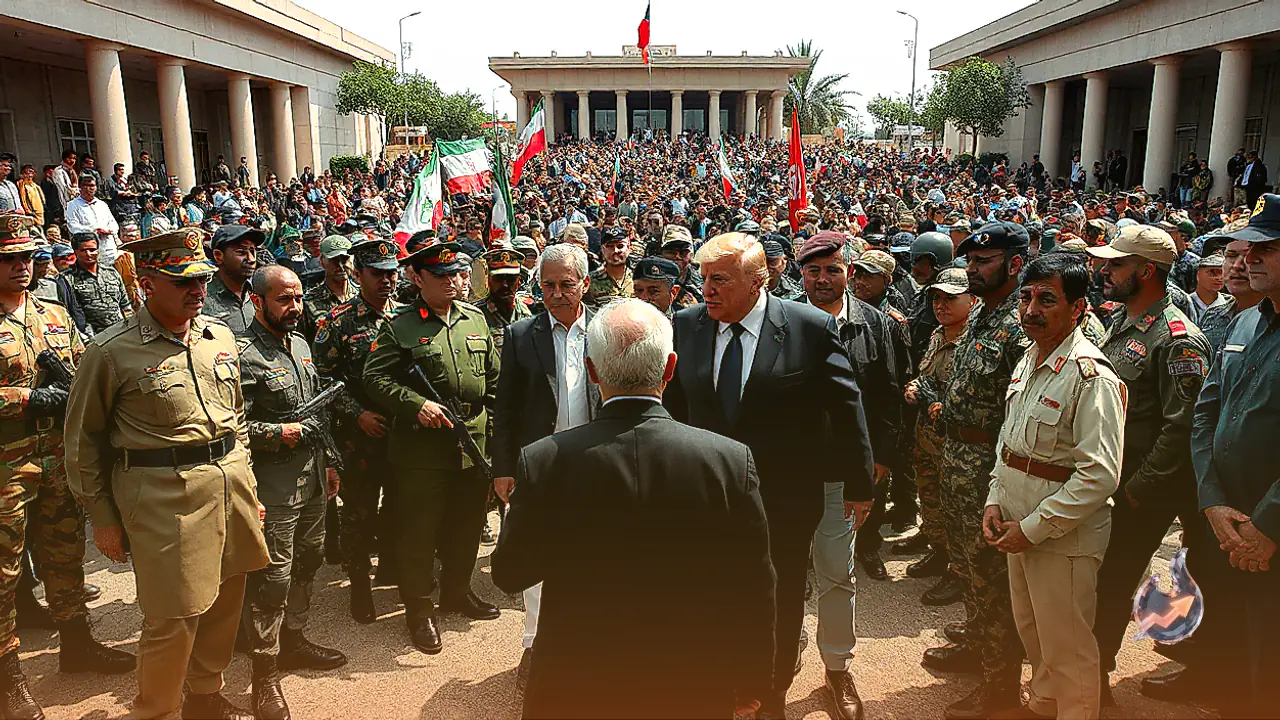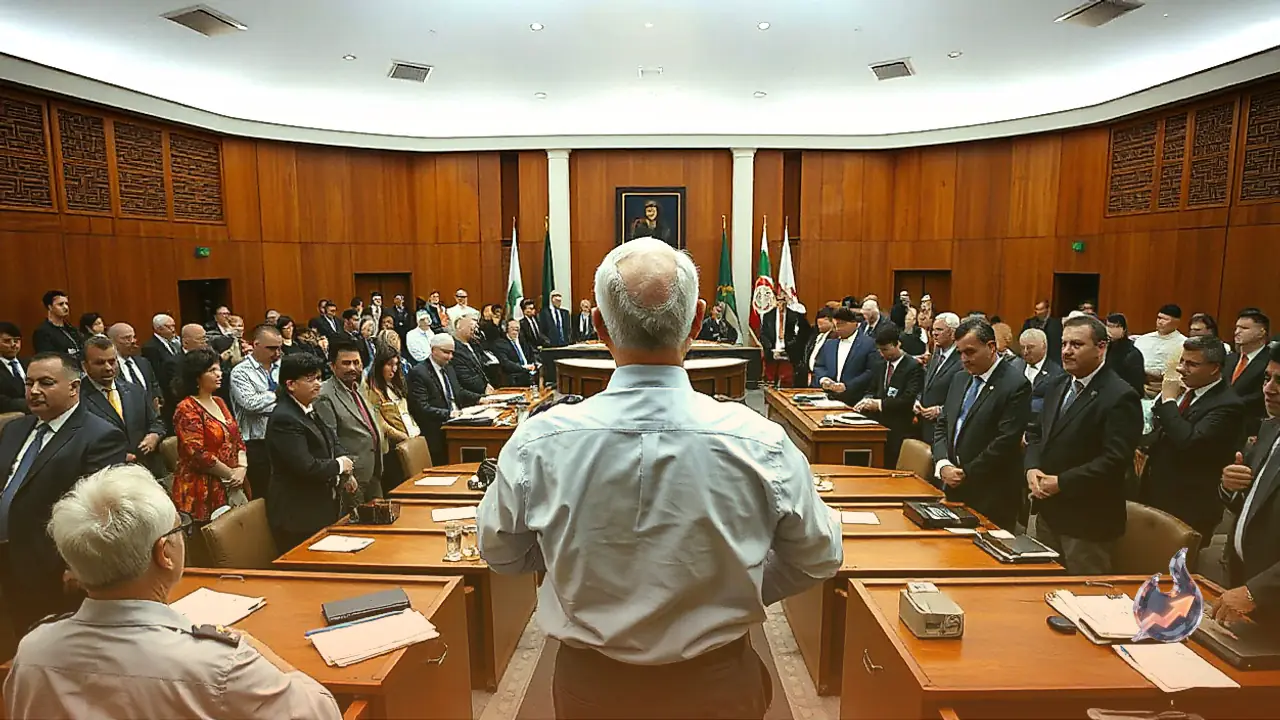






















Intensive diplomatic maneuvers are taking place across the Gulf as regional powers seek to avert another direct military confrontation between the United States and Iran. With discussions currently hosted in Qatar, the United Arab Emirates underscored that political solutions must prevail to prevent the wider region and crucial maritime supply corridors from plunging back into active conflict. Regional officials attending the Manama Dialogue in Bahrain reiterated that without significant movement between Washington and Tehran, the security landscape remains precarious.
Qatar Negotiations and the Strait of Hormuz Reopening Plan
Iranian diplomats have convened in Qatar to review an operational proposal aimed at restoring maritime access through the Strait of Hormuz. Iranian Foreign Minister Abbas Araghchi clarified Tehran's position during an interview shared via Telegram, noting that no direct bilateral talks are occurring with American counterparts. Araghchi explained that the trajectory of the negotiations hinges strictly on Washington's responses to questions raised by Iran. He stated that while Iran remains fully prepared for both defense and diplomacy, Tehran hopes the United States will act rationally and opt for diplomatic engagement.
UAE Presidential Adviser Warns of High Stakes at Manama Summit
Addressing delegates at the annual security summit organized by the International Institute for Strategic Studies (IISS), UAE presidential adviser Anwar Gargash stressed the urgent necessity of avoiding renewed hostilities. Gargash noted that the region cannot afford another escalation, stating that the situation demands sound political judgment rather than military measures that would only complicate existing tensions.
Gargash cautioned that the diplomatic positions of the United States and Iran remain substantially separated. He remarked that if these differences are not resolved through constructive dialogue, the risk of facing the worst-case scenario becomes a pressing concern. While pointing out that another war serves neither the interests of Iran nor those of the wider region, Gargash confirmed that the UAE alongside neighboring Gulf nations continues to prepare for potential escalation.
Background of the Conflict and Defense Expenditures
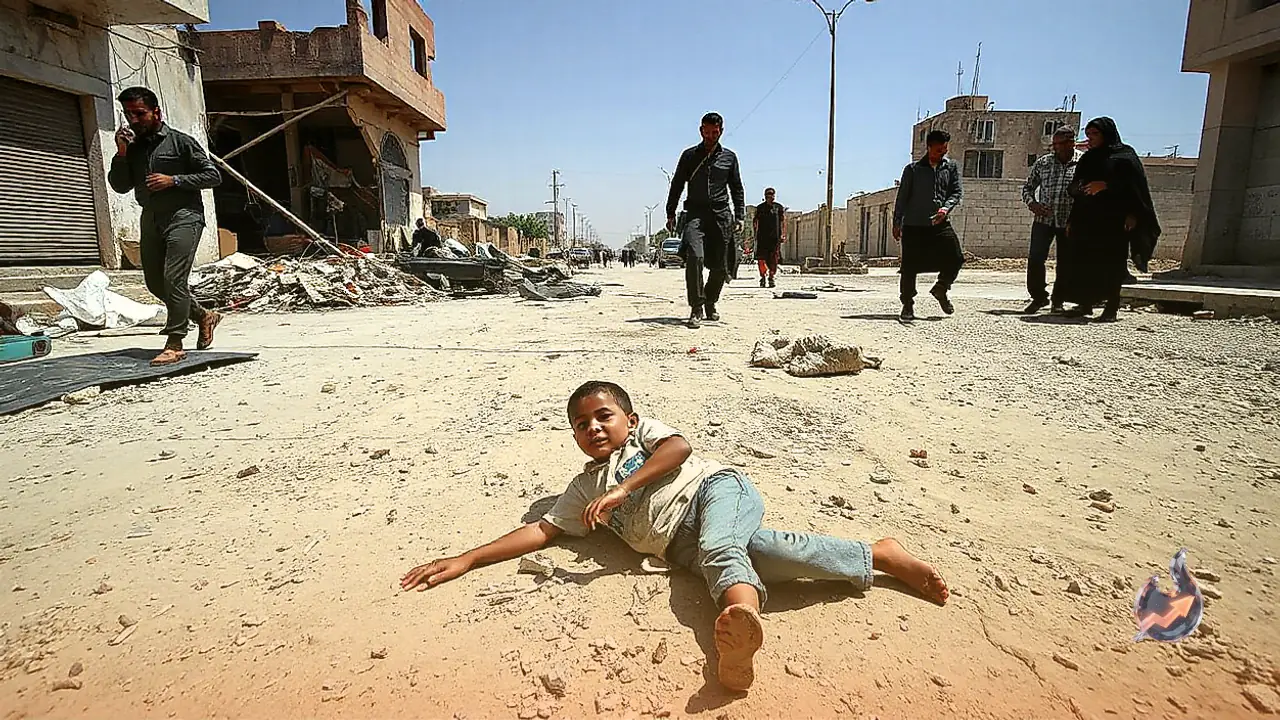
The current tensions trace back to the conflict that erupted on February 28, which commenced with coordinated strikes by the United States and Israel, followed immediately by retaliatory Iranian operations targeting various Gulf nations. Prior to an agreed ceasefire in April, the United Arab Emirates absorbed the largest concentration of airborne attacks from Iran. Findings published by IISS revealed that Iranian forces launched over 3,000 drones and ballistic missiles directed at airports, military installations, and energy facilities across the UAE, with the vast majority intercepted by air defense systems. Following the April ceasefire, Gulf governments committed billions of dollars toward fortifying their defensive arsenals. Gargash highlighted that the wartime environment reinforced bilateral security cooperation with the United States, positioning that partnership at the core of the UAE's defensive readiness.
Strikes on Bahrain and Critical Civilian Infrastructure
Bahrain, which serves as the host for the US Navy's 5th Fleet, also sustained significant bombardment during the hostilities. Documentation from IISS indicated that Iran fired roughly 500 drones and nearly 200 ballistic missiles toward Bahraini territory. The impacts extended beyond the naval facility, striking residential neighborhoods, the capital's financial hub, and a key water desalination facility, elevating regional anxieties concerning attacks on essential civilian lifelines.
Bahraini Foreign Affairs Minister Abdullatif bin Rashid Al Zayani affirmed at the forum that Bahrain supports all diplomatic efforts designed to lower tensions and broaden multilateral dialogue. However, Al Zayani pointed out an ongoing pattern of threats originating from Iran, emphasizing that maritime lanes, airspace, and data infrastructure remain vulnerable. He noted that even following the April ceasefire, underwater data cables faced threats as recently as the preceding month.
Houthi Offensive Against Saudi Energy and Aviation Infrastructure
Minister Al Zayani also highlighted cross-border operations executed by Iran-backed Houthi forces against Saudi Arabia as evidence of an unyielding operational strategy. During the summer, Houthi fighters escalated strikes directed at Saudi aviation hubs and oil assets, citing Saudi airstrikes on Sanaa airport as their justification. The attacks struck vital crude pipelines and caused disruptions to regional air traffic. Delegates at the Manama forum concluded that these persistent vulnerabilities continue to generate acute regional friction while negotiators in Doha attempt to secure a durable compromise.