




















A fragile truce in the Gaza Strip suffered another violent blow after coordinated aerial attacks struck multiple locations, leaving at least eight people dead. Among those killed in the bombardment were an innocent child and five local police officers who were carrying out routine municipal duties. The fatalities, confirmed by hospital personnel in the north and civic authorities in the south, highlight the persistent perils faced by residents who continue to endure routine military operations despite an internationally backed cessation of hostilities entering its second year.
Missile Impact Near Gaza City School
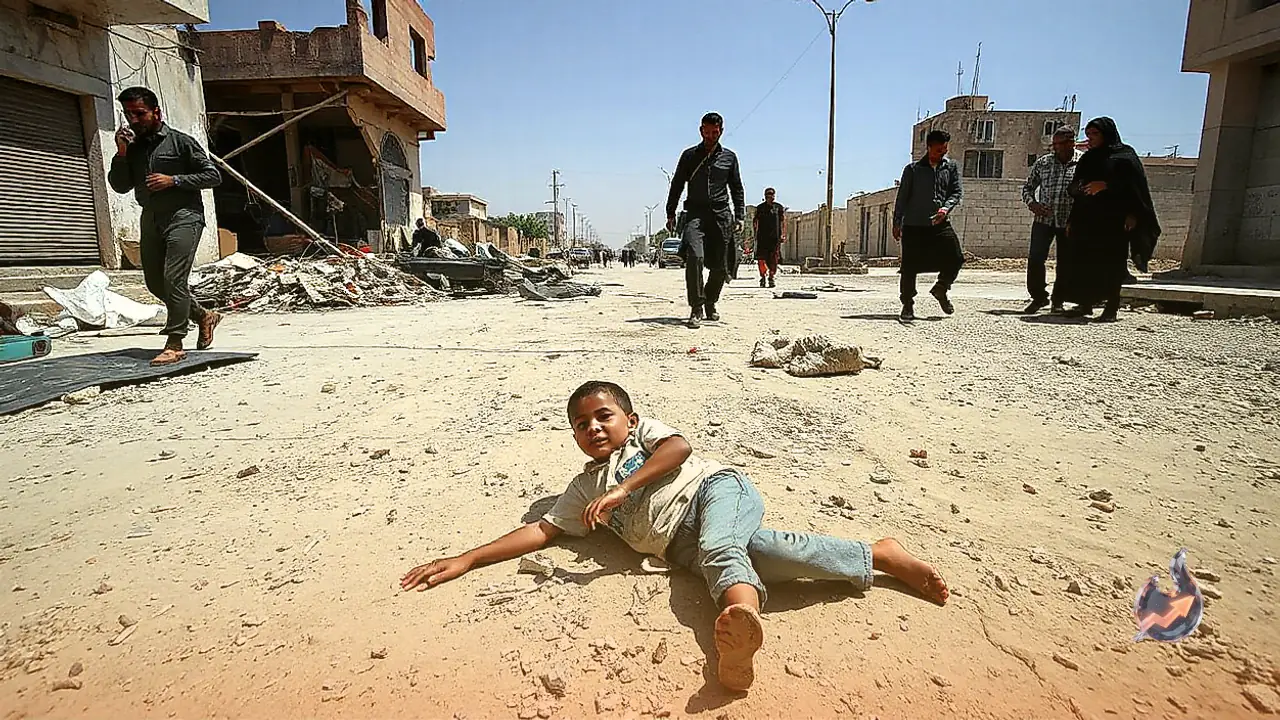
In northern Gaza, the violence unfolded within the densely populated Al-Rimal neighbourhood of Gaza City. Hospital authorities verified that a missile slammed directly into a group of civilians gathered beside Cairo School. The blast resulted in three immediate deaths, including that of a child, while scattering shrapnel across nearby public pathways. School compounds and surrounding municipal streets across the northern sector have frequently served as gathering spots and shelter zones for displaced families, making any aerial strike in these sectors devastatingly perilous for bystanders.
Targeted Drone Strike on Southern Patrol
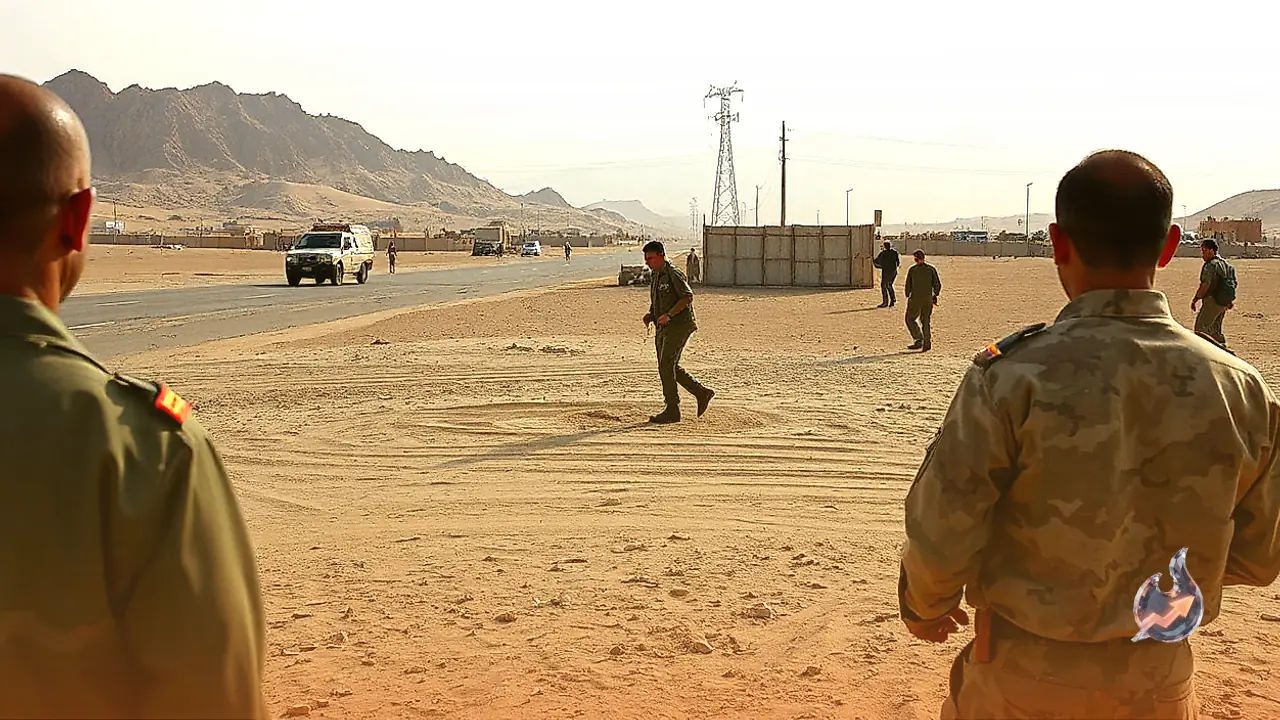
Further south, violence erupted in the coastal Al-Mawasi area of Khan Younis. The Hamas-run ministry of interior reported that an unmanned aerial vehicle launched a targeted strike directly at a group of police officers engaged in standard administrative and security assignments. Five officers were killed instantly in the blast. The incident sparked deep grief across the community, drawing large crowds of mourners to funeral processions organised for the fallen personnel later in the day.
Casualty Profiles and Conflicting Accounts
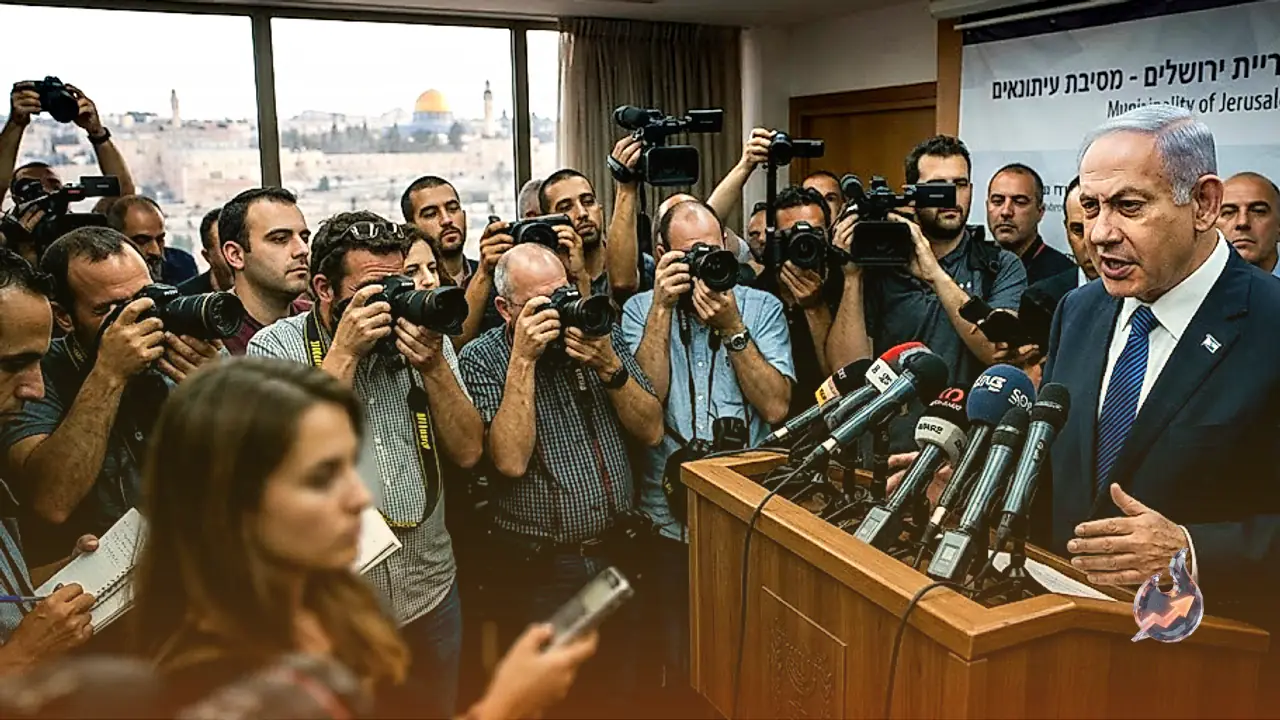
Internal security officials released the formal identities of the five deceased officers, noting that their ages spanned from 23 to 53 years. Condemning the lethal bombardment, the ministry described the operation as a horrific massacre carried out against law enforcement personnel performing routine public duties. The Israeli military confirmed having executed two distinct operational strikes in the enclave, stating that the missions targeted military operatives. However, armed forces spokespersons have not produced evidentiary proof or detailed dossiers to substantiate the military character of those who were struck.
The Strained Reality of the October Accord
The latest fatalities point to the hollow implementation of the ceasefire that formally took effect in October of last year. That deal had facilitated the release of thousands of Palestinians detained by Israel in exchange for the return of all 48 remaining hostages held captive within Gaza, aiming to turn the page on the devastation sparked by the 7 October 2023 incursions in which roughly 1,200 individuals were killed and 251 abducted. Yet, airborne strikes have persisted on a near-daily schedule ever since the pact took effect. Data from the territory's health ministry, figures regarded as reliable by the United Nations, indicate that 1,580 people have lost their lives across Gaza since the ceasefire supposedly began. While military authorities maintain that sorties are directed against armed Hamas cells, civil observers note that ordinary non-combatants regularly bear the fatal brunt of the fire.
Diplomatic Stagnation Threatens Long-Term Calm
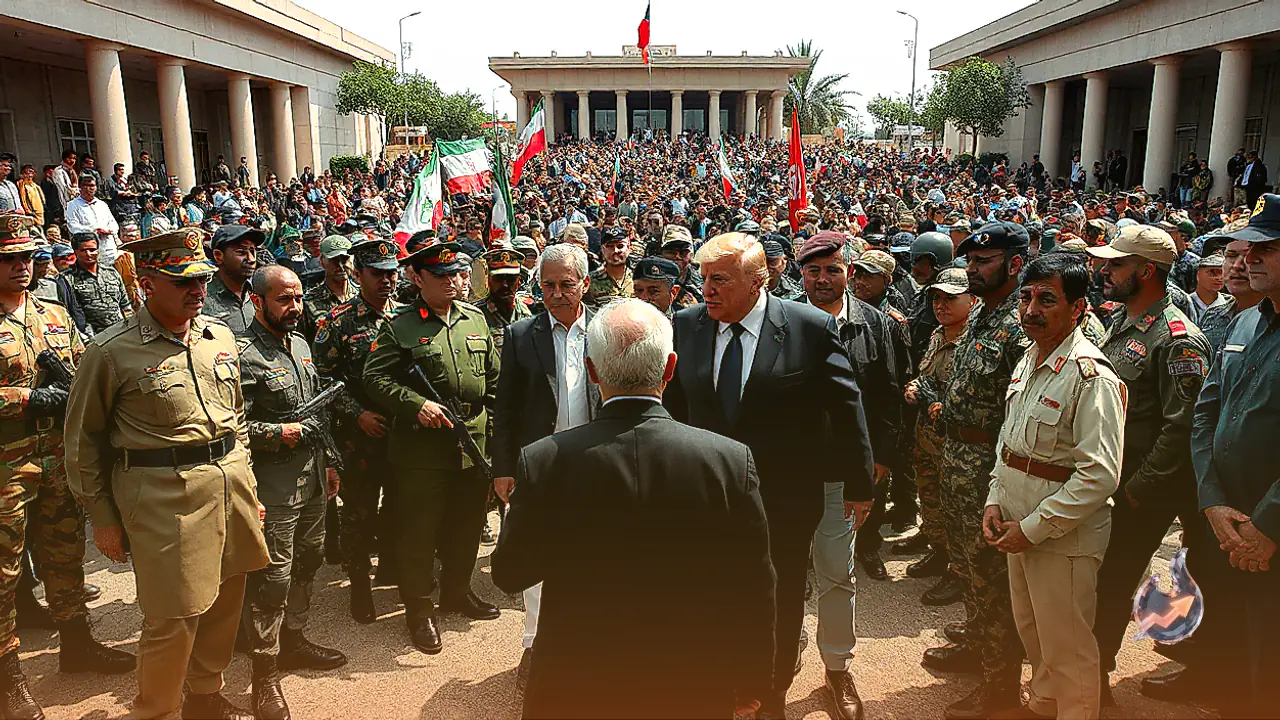
The continued bloodshed arrives at a delicate moment when broader regional peace diplomacy has completely run aground. A structured peace framework mediated under the guidance of the Trump administration has stalled, leaving frontline communities without a transparent roadmap toward enduring stability or rebuilding. Across the full arc of the conflict since its outbreak, Gaza's health authorities record an immense death toll of 74,594 individuals. With ground-level enforcement decaying and diplomatic talks halted, the border region remains balanced on a razor's edge between nominal ceasefire and renewed full-scale escalation.