























Tensions across the Middle East reached a critical flashpoint after the United States military completed a heavy wave of retaliatory airstrikes targeting numerous installations belonging to Iran's Islamic Revolutionary Guard Corps. The precision operations were conducted in direct response to attempted ballistic missile attacks against American military assets and commercial shipping routes earlier in the week. Defence officials confirmed that the multi-pronged strike targeted key command structures, weapons storage sites, and coastal defense systems across strategic locations in southern and western Iran.
Centcom Executes Powerful One-Hour Offensive
According to official details released by US Central Command (Centcom), the retaliatory operation commenced at 20:00 ET on Wednesday (01:00 BST on Thursday) and spanned approximately one hour. The high-intensity aerial effort was designed to neutralize imminent operational threats and incapacitate Iran's capability to project offensive firepower against regional US deployments. Military leadership emphasized that all ballistic missiles launched by Iranian forces during Tuesday's preceding aggression were successfully intercepted by air defense systems, preventing structural degradation or casualties at American bases.
Centcom specified that the strikes systematically crippled four core categories of military architecture: strategic command centers, missile and unmanned aerial vehicle storage facilities, coastal surveillance networks, and naval defense installations. By dismantling these high-value operational assets, the US military aimed to restore deterrence and curb further provocative actions across key maritime bottlenecks and forward-operating positions.
Casualties Recorded in Southern Iran's Energy Hubs
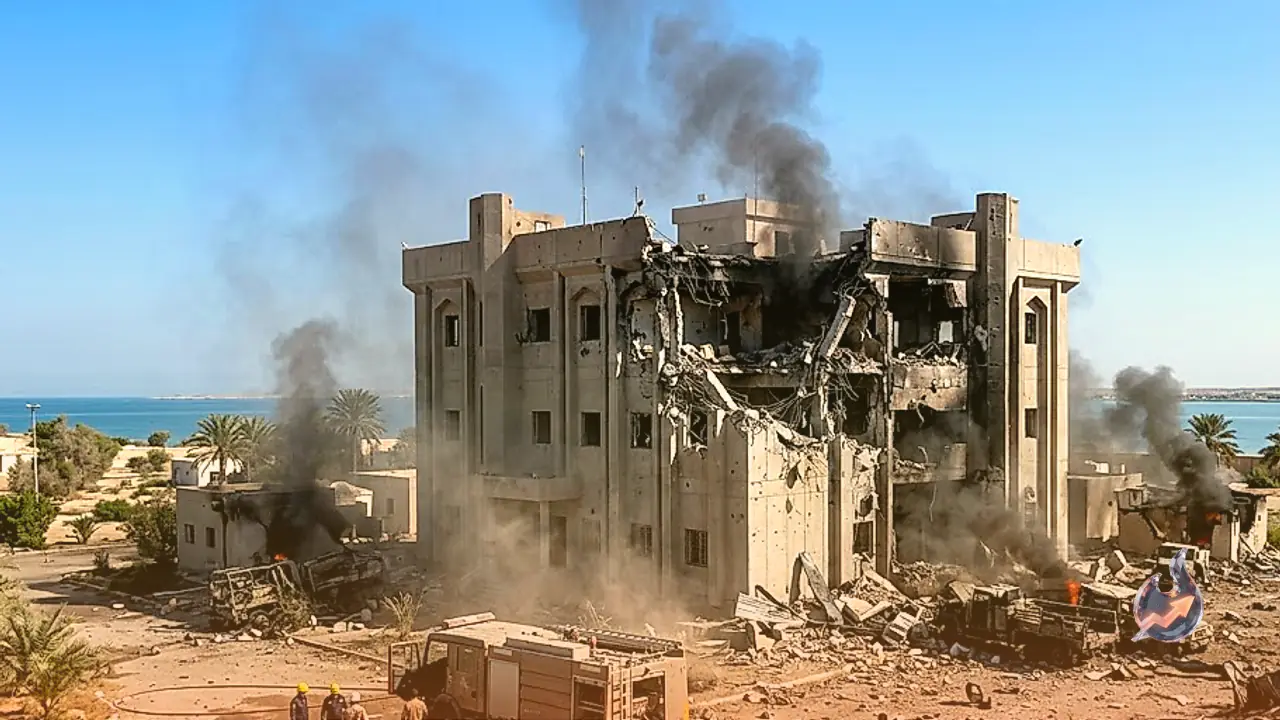
Iranian official media confirmed significant impacts across southern and western territories, highlighting the strategic islands of Qeshm and Abadan, both vital to the nation's petroleum processing and export operations. Reports originating from the Hormozgan University of Medical Sciences noted that an airstrike in the Chah Tangu residential neighborhood of Qeshm Island destroyed a family residence. The strike resulted in three casualties from a single household, identified as a father, a mother, and their two-year-old child.
The strikes on Qeshm and Abadan underscored the geographic breadth of the military response. Emergency response crews and local authorities were deployed across affected zones to assess structural damage, clear debris, and manage potential collateral disruptions to energy transport infrastructure. Further impacts were noted across western Iranian provinces, where several secondary military facilities sustained heavy structural damage during the concentrated bombardment.
Escalation in Jordan and the Strait of Hormuz
The latest wave of American strikes stemmed directly from events on Tuesday, when the IRGC directed ballistic missiles toward a US air base and command facility in neighboring Jordan. In public statements, the IRGC framed the assault as direct retaliation for ongoing American actions. However, Jordanian armed forces announced on Thursday that their domestic air defense networks intercepted and destroyed five incoming Iranian missiles over national territory, effectively neutralizing the threat to local ground positions.
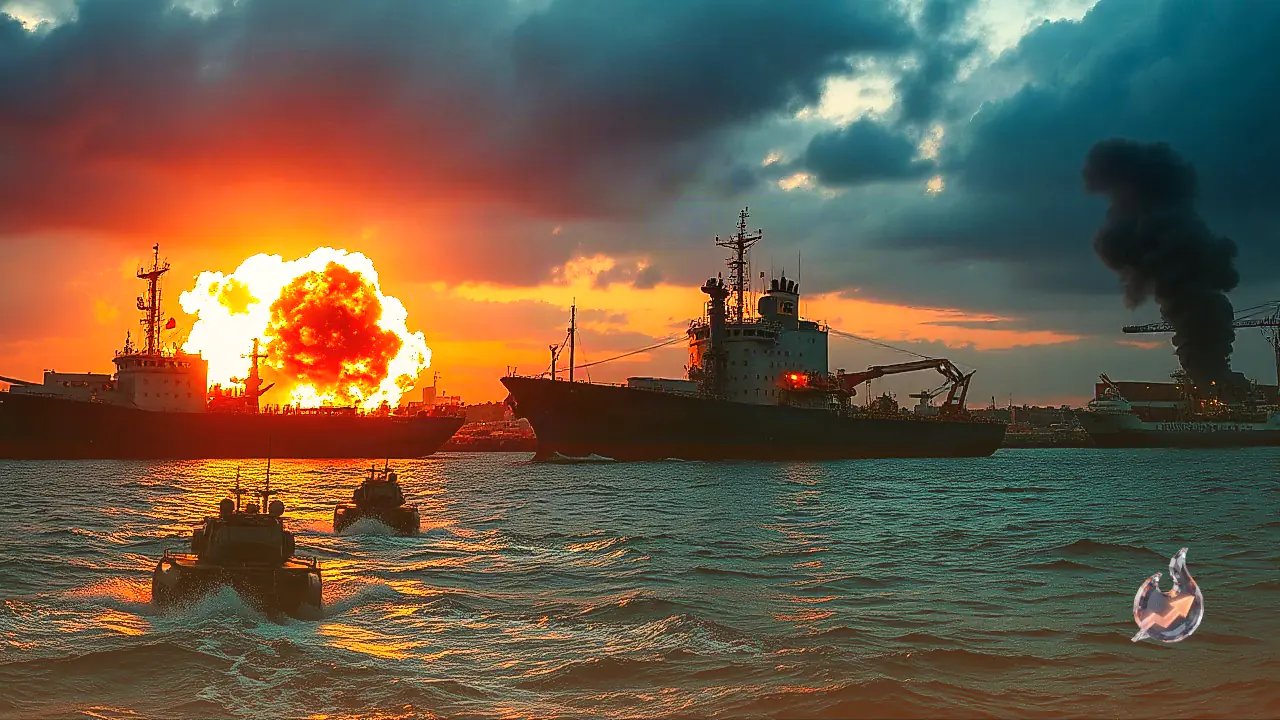
Simultaneously, maritime security degraded significantly near the Strait of Hormuz, where IRGC naval units initiated hostile action against three commercial oil tankers. The Iranian military claimed these vessels ignored explicit navigational warnings while transiting an allegedly unauthorized route through the vital waterway. The targeting of maritime traffic in one of the world's most critical crude oil transit corridors has heightened international concerns over global energy security and shipping stability.
Unprecedented Joint US-Saudi Operations in Eastern Iraq
This week also marked a major expansion in coalition coordination, featuring the first publicly acknowledged joint military strikes conducted by American and Saudi Arabian forces against hostile proxy networks in eastern Iraq. Centcom reported that the combined operation targeted multiple logistics hubs and ammunition storage sites utilized by militia units. The action followed a barrage of over 30 aerial drone attacks launched by IRGC-directed elements over a 72-hour window.
Iraq's Popular Mobilisation Forces (PMF), an umbrella organization comprising several Iran-aligned Shia paramilitary groups, reported that at least 20 of its personnel were killed in the joint US-Saudi raids. The Iraqi presidency issued a formal statement denouncing the operations as an unacceptable assault and a blatant violation of national sovereignty. However, Donald Trump asserted during a public broadcast that the military actions were fully coordinated with the Iraqi government prior to execution.
Five-Month Conflict Duration and Regional Diplomacy
The overarching military campaign, which commenced in February following joint actions by US and Israeli forces, has stretched far beyond initial expectations. Donald Trump originally indicated that military operations against Iranian targets would conclude within a few weeks, but the conflict has endured for five months with no clear end in sight. The latest exchange follows a temporary suspension of an intensive 13-night bombing campaign last Friday, during which numerous weapons caches were hit.
Parallel to ongoing combat operations, high-level diplomatic channels remain active. Saudi Arabia's defence minister, Prince Khalid bin Salman, met with Donald Trump in Washington to convey Riyadh's strong preference for de-escalation and regional stabilization. As Saudi Arabia and Iran have engaged in a decades-long rivalry for regional influence across the Sunni and Shia spheres, diplomatic efforts continue to focus on preventing a broader, unmanageable regional war.