





















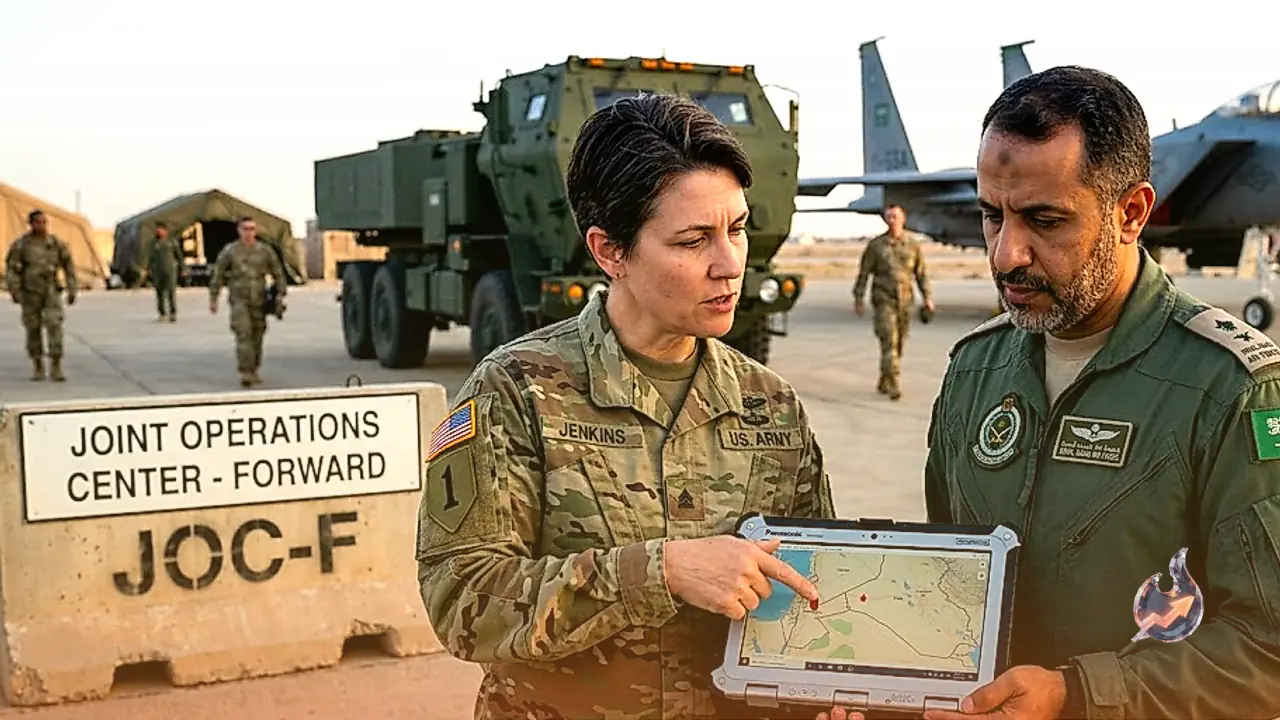

Tensions across the Middle East reached a dangerous flashpoint following a midnight ballistic missile strike directed at a United States military installation located in Jordan. Attributed to Iran's Islamic Revolutionary Guard Corps (IRGC), the surprise attack launched projectiles toward the base, forcing joint American and Jordanian air defense units into immediate action. Air defense batteries successfully intercepted and neutralized all incoming missiles mid-air, preventing casualties and catastrophic structural damage. In the immediate aftermath of the assault, US President Donald Trump issued a fierce warning to Tehran, while the United States Air Force joined forces with Saudi Arabia to launch retaliatory air strikes against Iranian-backed militia strongholds inside Iraq.
Midnight Missile Strike In Jordan And Rapid Air Defense Interception
The ballistic missile barrage targeting the American military outpost in Jordan triggered an immediate high-level security alert across regional command centers. According to the United States Central Command (CENTCOM), the strike was classified as an unprovoked surprise attack designed to inflict severe harm on American military personnel and infrastructure. Due to the high velocity of the incoming ballistic missiles, stationed troops and air defense operators were left with a reaction window of merely a few minutes to evaluate the threat and engage counter-measures.
Demonstrating exceptional operational readiness, integrated air defense systems deployed by Jordan and the United States engaged the threats swiftly. Every incoming ballistic missile was successfully shot down before reaching its intended target. While this rapid intervention averted a major military disaster and protected the base from severe destruction, the bold assault shattered Washington's assumption that earlier American warnings had effectively deterred Iranian military aggression.
Background Of US Diplomatic Initiatives And Paused Military Actions
The timing of the missile attack holds critical strategic significance within ongoing geopolitical maneuvers. Only last week, President Donald Trump made the deliberate decision to halt planned direct military strikes against Iran. Washington had chosen to pause offensive operations in order to open avenues for diplomatic dialogue, hoping Tehran would engage constructively to de-escalate regional friction.
However, American military strategists now assess that Tehran misconstrued Washington's willingness to pursue diplomacy as a sign of hesitation and weakness. By taking advantage of this temporary reprieve, Iranian forces executed the missile raid against the Jordan base. This sudden breach has severely undermined diplomatic channels and forced American decision-makers to re-evaluate their regional posture.
President Trump's Press Conference Alongside Netanyahu In Washington
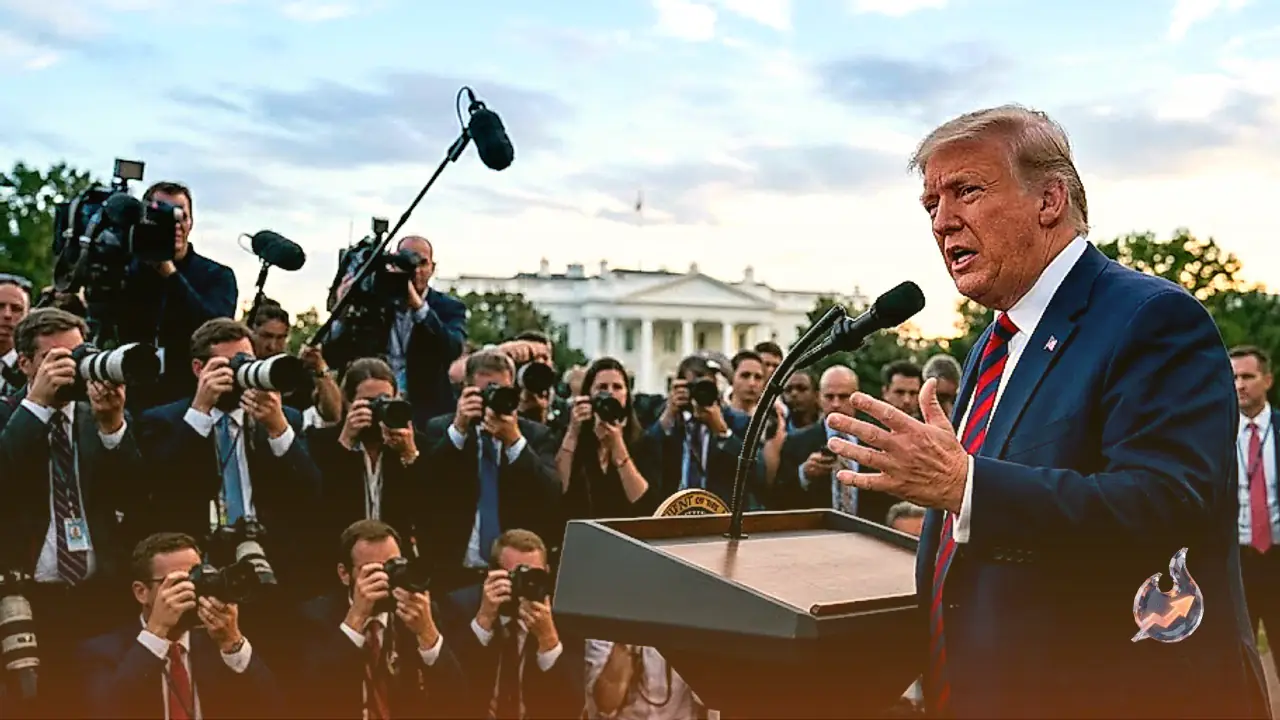
Prior to his public broadcast statements, President Donald Trump addressed a joint press conference in Washington alongside Israeli Prime Minister Benjamin Netanyahu. Standing together at the White House, Trump maintained an uncompromising stance, characterizing the strike in Jordan as a failed and reckless surprise attack attempt that failed to achieve its destructive goals.
President Trump explicitly warned that if any American military personnel were injured or put in harm's way, Iran would suffer catastrophic consequences. At the same time, Trump noted that the United States had not completely shut the door on potential diplomatic negotiations, provided Tehran fundamentally altered its hostile behavior.
Trump revealed that productive discussions with Tehran were underway prior to the incident. However, he emphasized that if Iran continued to engage in betrayal by targeting American bases, the US would respond with overwhelming military force rather than dialogue. Defense analysts view this dual messaging as a strategic effort by Washington to build international consensus and secure domestic support before committing to broader military actions.
Aggressive Rhetoric During Fox News Broadcast Interview
Following the White House engagement, President Donald Trump conducted a telephone interview on Fox News, during which his rhetoric escalated significantly. Outraged by the aggression displayed in Jordan, Trump discarded conventional diplomatic decorum and delivered an exceptionally stern warning, asserting that Tehran would face unprecedented devastation if provocative acts continued.
During the live broadcast, Trump declared that any further aggression against US assets would be met with overwhelming force, warning that the military would "Beat The fking Sh*t Out Of Them" if lines were crossed. This unusually harsh phrasing sent shockwaves through global diplomatic circles, underlining Washington's view that the attack on the Jordanian base represented a direct assault on American national honor and military authority.
Joint US And Saudi Military Air Strikes In Iraq
Refusing to leave the attack unanswered, the United States executed a rapid military counter-offensive. Partnering with Saudi Arabia, the two nations initiated a coordinated joint military operation. Combined air forces launched targeted air strikes against positions held by Iran-backed militia factions operating within Iraqi territory.
The retaliatory air campaign systematically destroyed key militia infrastructure across several strategic locations in Iraq. Targets included major weapons depots, logistics and supply storage sites, as well as operational command centers. US defense officials stated that these specific facilities served as planning hubs where attacks against American forces were orchestrated.
Iraqi Condemnation And Iran's Official Stance
The joint US-Saudi air strikes inside Iraq provoked strong condemnation from leaders in Baghdad. The Iraqi government denounced the unauthorized military operations as a grave violation of its national sovereignty and territorial integrity, warning that uncoordinated foreign strikes on its soil risk dragging the region into wider instability.
Meanwhile, Iran attempted to distance itself from direct responsibility for the escalation. Official statements from Tehran asserted that Iran does not seek an all-out war or further military escalation in the region. However, Iranian officials cautioned that if their country or national interests are directly targeted, they will respond decisively to defend their sovereignty, leaving the Middle East in a state of heightened volatility.