



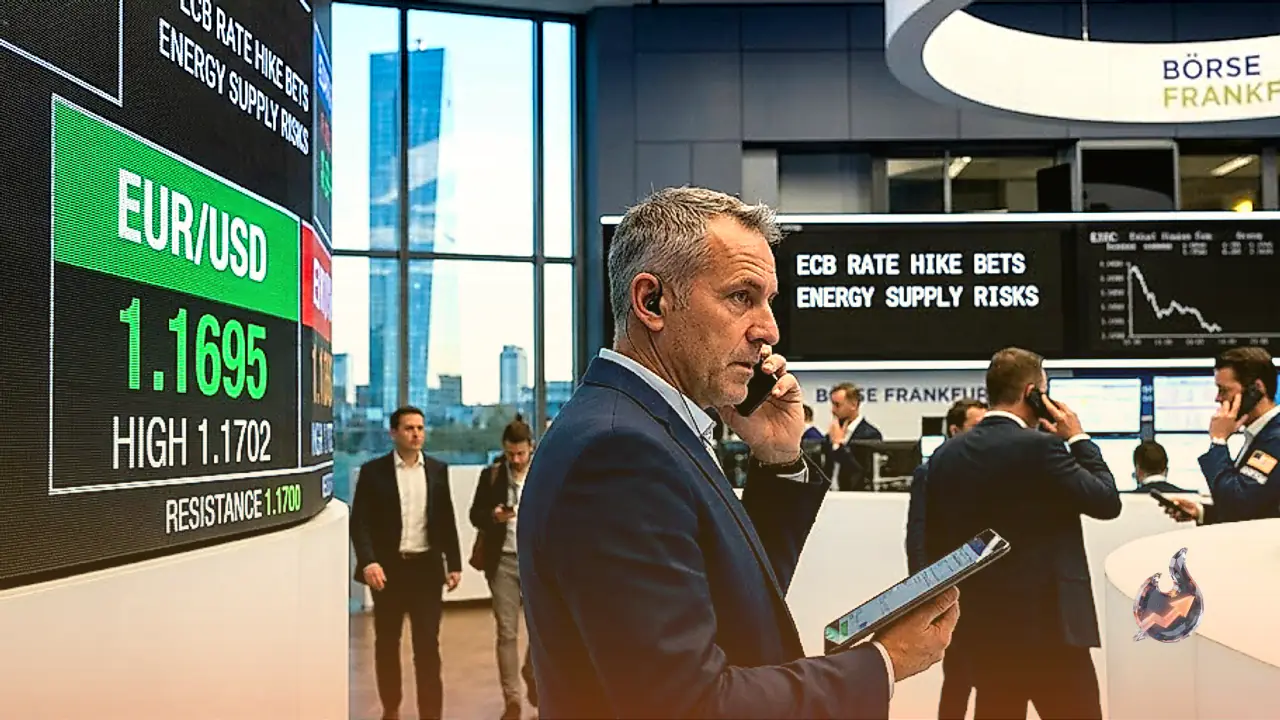


















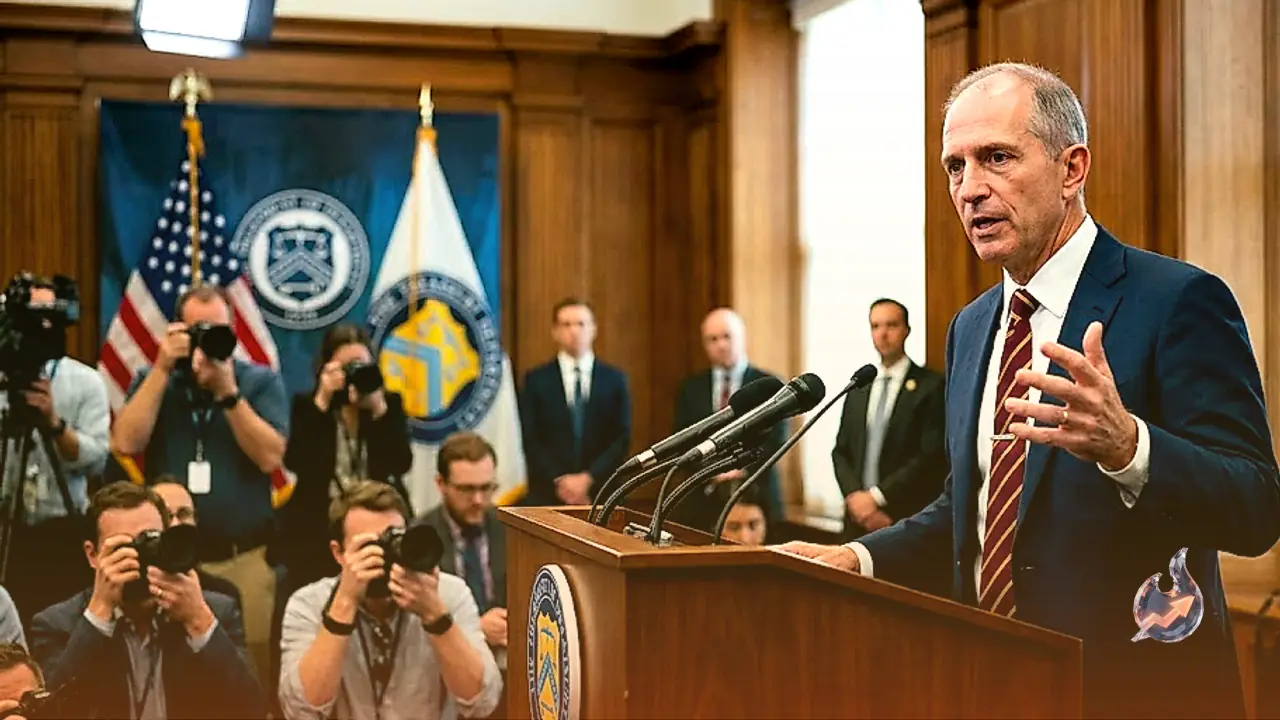

The United States is preparing to deploy an unprecedented barrage of financial penalties intended to devastate the Iranian economy and force structural political change in Tehran, according to top American officials. Treasury Secretary Scott Bessent delivered a blunt directive to international trade partners, asserting that foreign governments and commercial institutions must immediately choose whether they stand alongside Washington or oppose its diplomatic goals. The administration emphasizes that this aggressive economic posture is explicitly designed to diminish the necessity for a large-scale resumption of kinetic military operations in the region.
Global Ultimatum and Coordinated Financial Restrictions
Speaking in a national broadcast interview, Secretary Scott Bessent outlined Washington's strategy to dismantle Tehran's financial lifelines, characterizing the upcoming package as the most comprehensive effort at economic isolation in global history. Bessent warned third-country commercial banks, investment firms, and energy importers that any entities attempting to facilitate capital transfers or purchase Iranian petroleum products will face immediate, comprehensive enforcement from the US Department of the Treasury. Complete operational details regarding sanctions criteria and compliance enforcement mechanisms will be officially presented during a scheduled news conference on 24 August.
Conflict Origins and Disruption along the Strait of Hormuz
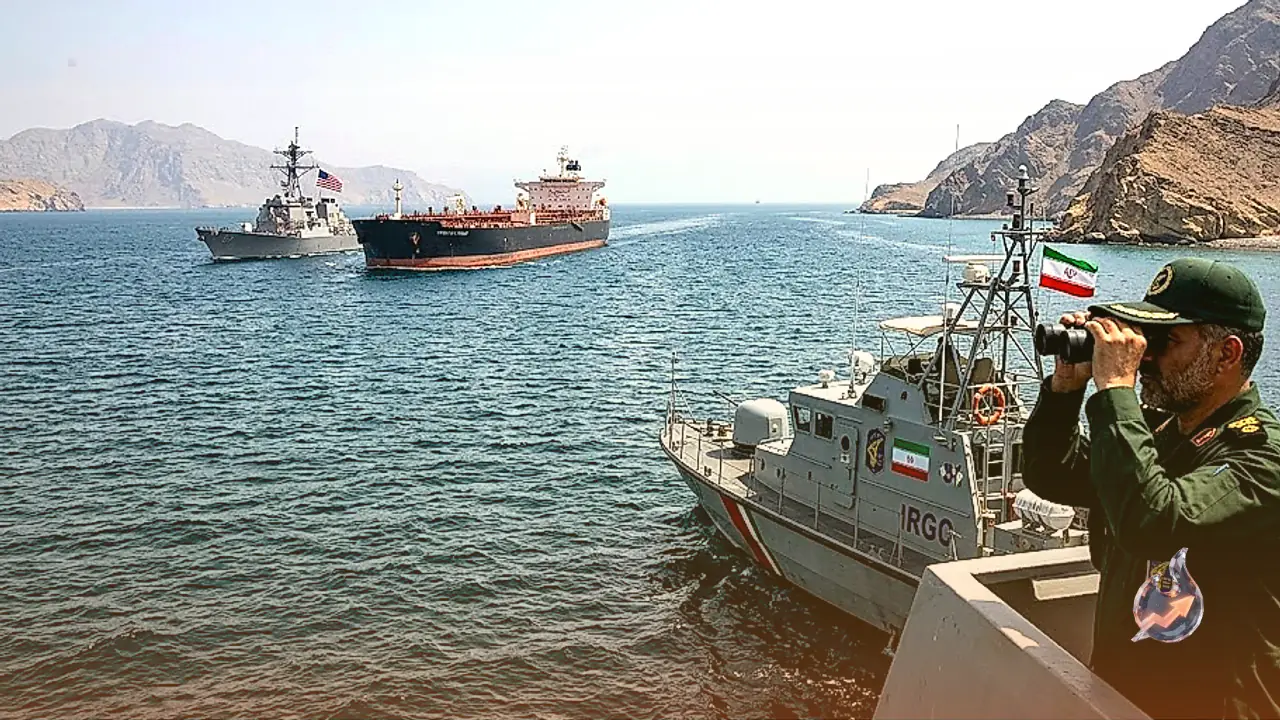
Military hostilities erupted in February when joint US and Israeli forces initiated air strikes against strategic infrastructure inside Iran, citing imperative action to halt covert nuclear weapons refinement, an allegation Tehran has repeatedly denied. In retaliation, Iranian forces launched targeted missile strikes against military installations in Israel, US forward bases across the Middle East, and regional Gulf Arab states. Concurrently, Iranian forces restricted maritime passage through the Strait of Hormuz, a critical shipping bottleneck responsible for carrying approximately 20% of global crude oil and liquefied natural gas shipments, triggering volatile price surges across international energy exchanges.
Stalled Diplomacy and Operation Economic Fury
Subsequent attempts to stabilize the region led to temporary ceasefires established in April and June to encourage broad diplomatic negotiations. However, recurring cross-border violations and friction quickly stalled diplomatic progress. In response, the US Department of the Treasury alongside the Pentagon launched Operation Economic Fury, a combined naval and economic initiative directed at severing Iran's primary export revenues and degrading its military operational readiness. This follows an earlier series of secondary financial sanctions introduced in April targeting overseas corporations engaging with Tehran, enacted after initial military strikes failed to achieve a capitulation or immediate regime change as envisioned by President Donald Trump.
Perspectives and Domestic Reactions Within Iran
Reactions inside Iran reflect a populace long accustomed to surviving external trade embargoes and international pressure. A resident living in the central province of Khuzestan observed that while short-term economic disruptions are inevitable under fresh commercial blockades, the country maintains decades of organizational experience overcoming financial restrictions. Another Iranian citizen noted that political statements issued by President Donald Trump will not automatically dismantle local trade mechanisms, adding that regional commercial networks traditionally locate alternative supply routes to sustain essential economic activity despite severe external sanctions.