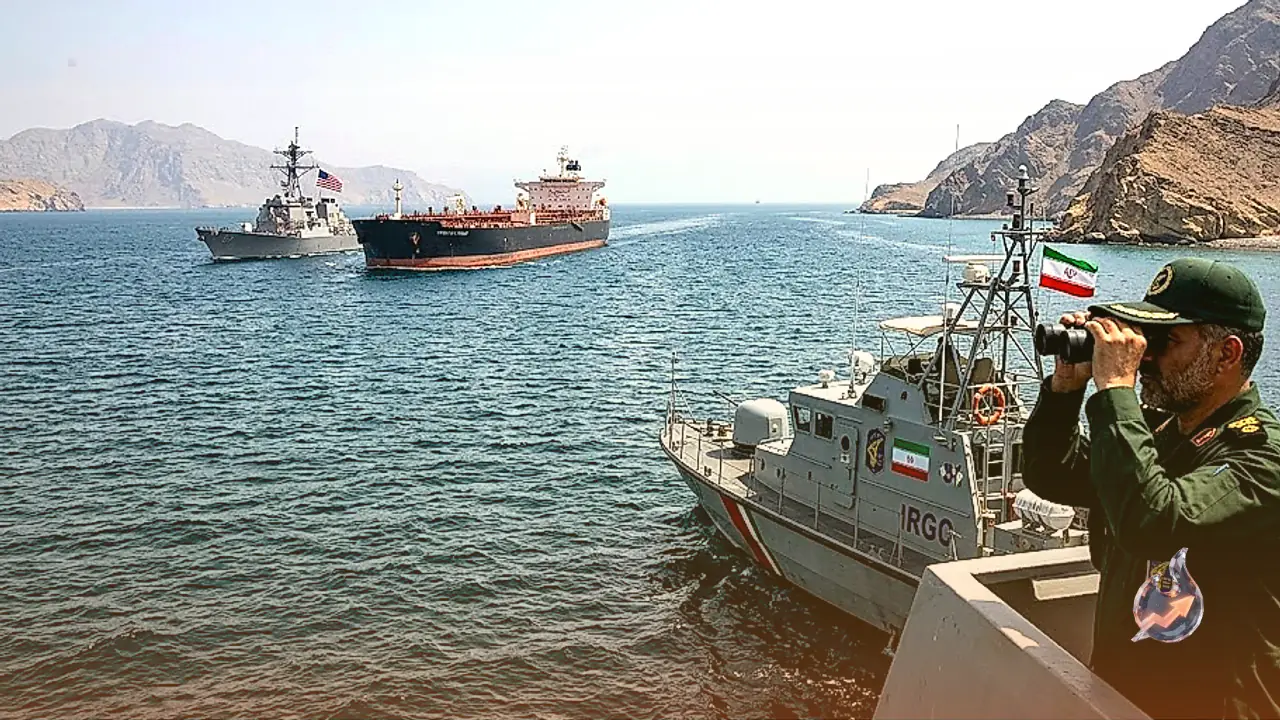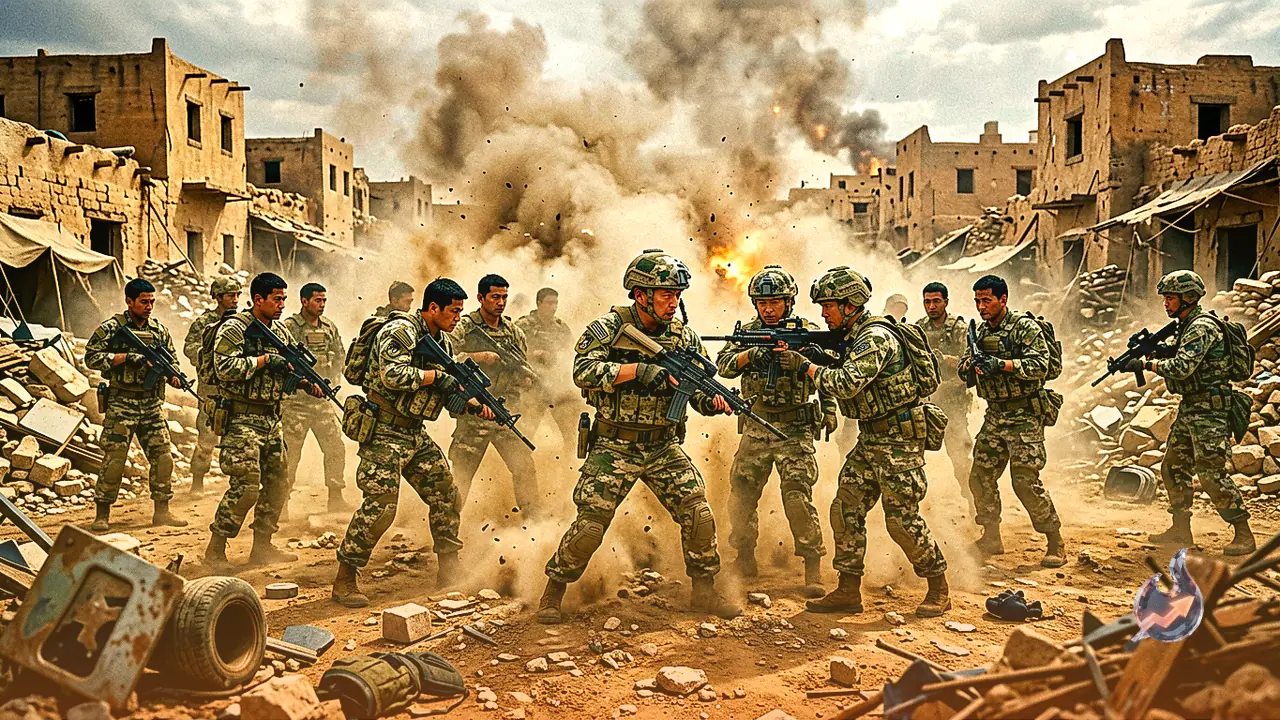






















The Armed Forces of Iran have issued a stern warning to nations situated along the southern shores of the Persian Gulf, cautioning them against providing any assistance, infrastructure, or operational facilities to military forces of the United States. Major General Ali Abdollahi, serving as Chief of Staff of the Armed Forces of Iran, stated that Tehran is keeping a continuous watch on regional airbases and troop movements. Communicating on social media platform X through statements released by Iranian state broadcaster IRIB, the military commander emphasized that neighboring states must recognize that no military maneuvers in the surrounding airspace or territory remain hidden from Iranian surveillance.
Iranian Surveillance and Concerns Over Refuelling Aircraft
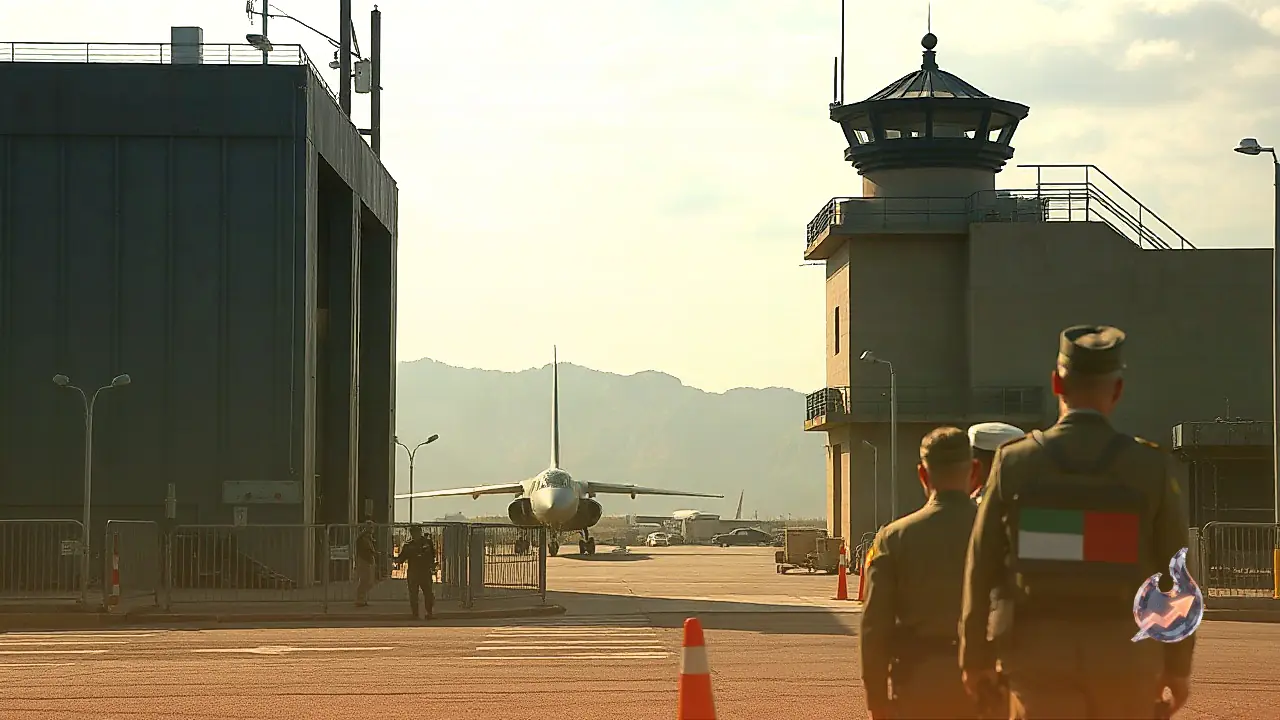
Major General Ali Abdollahi pointed out that several nations along the southern perimeter of the Persian Gulf have previously issued formal statements declaring they would not permit their sovereign territory or airspace to be utilized by the United States to launch actions against Iran. However, the Iranian military leadership argues that actions on the ground contradict these diplomatic assurances. Abdollahi specifically highlighted the extensive movement and deployment of American military aircraft across strategic bases located throughout the Middle East.
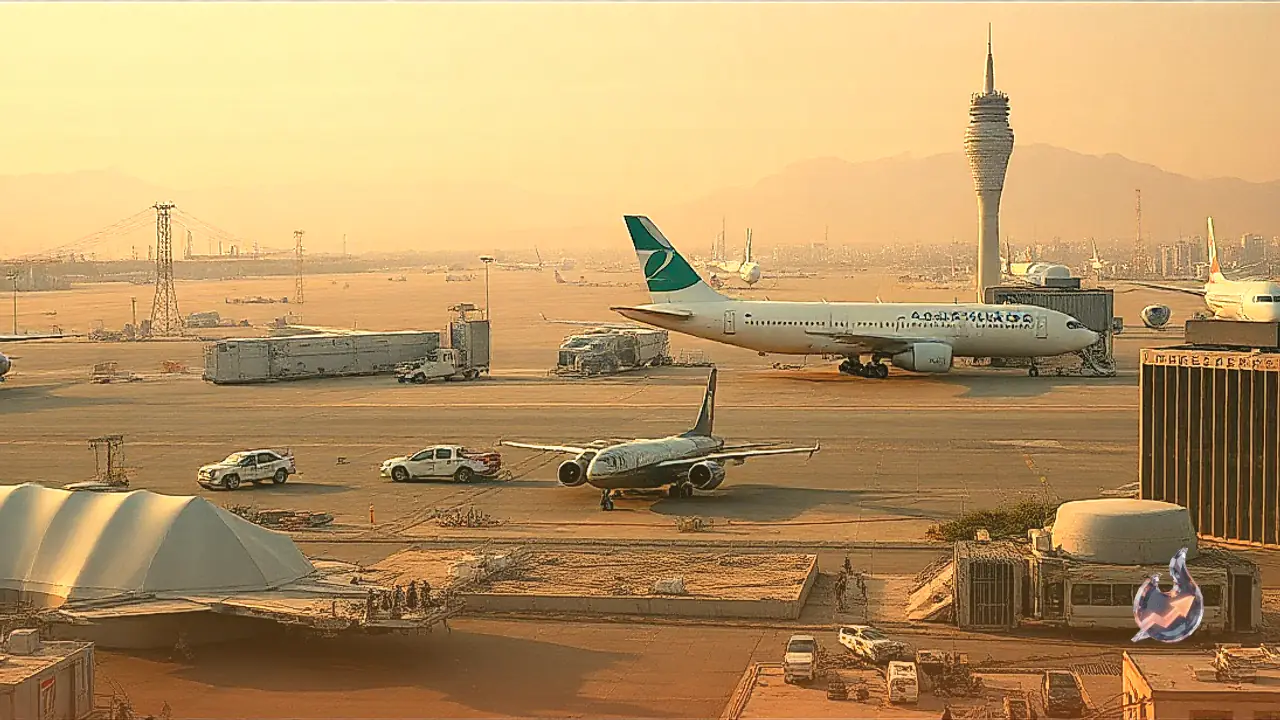
In his statement, Abdollahi focused on the heavy presence of aerial refuelling tankers stationed in the region. He raised sharp questions regarding how such specialized long-range support aircraft could operate without the knowledge or explicit consent of host governments. Expressing skepticism about claims of non-involvement, he noted, "It is hard to believe that such a large number of military aircraft, especially refuelling aircraft, have been deployed at regional bases without the knowledge of host countries." Iranian defence officials reiterated that all activities at these airbases, along with the flight patterns of American aircraft, are being monitored around the clock.
Cooperation with American Military Framed as Direct Hostility
The warning from Tehran underscored the potential consequences for Persian Gulf countries that facilitate American operations. Major General Abdollahi made it clear that providing any form of logistical aid, refueling support, or base infrastructure to American forces would be categorized by Iran as direct military participation alongside the United States. He explicitly cautioned, "We warn that providing any assistance or facilities to aggressive American forces is equivalent to partnership with US military forces."
This firm posture reflects Iran's strategy of holding regional host nations accountable for foreign military activities conducted from their soil. By framing assistance as active participation in potential conflict, Tehran aims to deter regional governments from granting operational latitude to American military units deployed across West Asia.
Key Appointments in Iran's Senior Military Leadership
Major General Ali Abdollahi was appointed to lead the Armed Forces by Supreme Leader Ayatollah Mojtaba Hosseini Khamenei, who serves as Commander-in-Chief of Iran's defense establishment. This leadership change came as part of a broader restructuring within the country's defense command structure aimed at reinforcing operational readiness.
On August 10, Supreme Leader Ayatollah Mojtaba Hosseini Khamenei issued official decrees assigning key responsibilities to 6 senior military commanders across the General Staff of the Armed Forces, the Islamic Revolutionary Guard Corps (IRGC), and the Basij Resistance Force. Under these official orders, Ali Abdollahi assumed top operational responsibilities, while Kiumars Heydari was appointed as Deputy Chief of Staff. These top-level leadership changes were executed to streamline command coordination across Iran's conventional and paramilitary armed services during a period of heightened regional tension.
Escalating Tensions and Strategic Disputes in the Middle East
The warning from Iran arrives amidst a confrontation between the United States and Iran that has persisted for several months. During this prolonged standoff, discussions within the US Department of Defense have involved evaluating options to scale back its military footprint across West Asia. However, diplomatic prospects remain strained following recent high-profile claims over strategic maritime routes in the region.
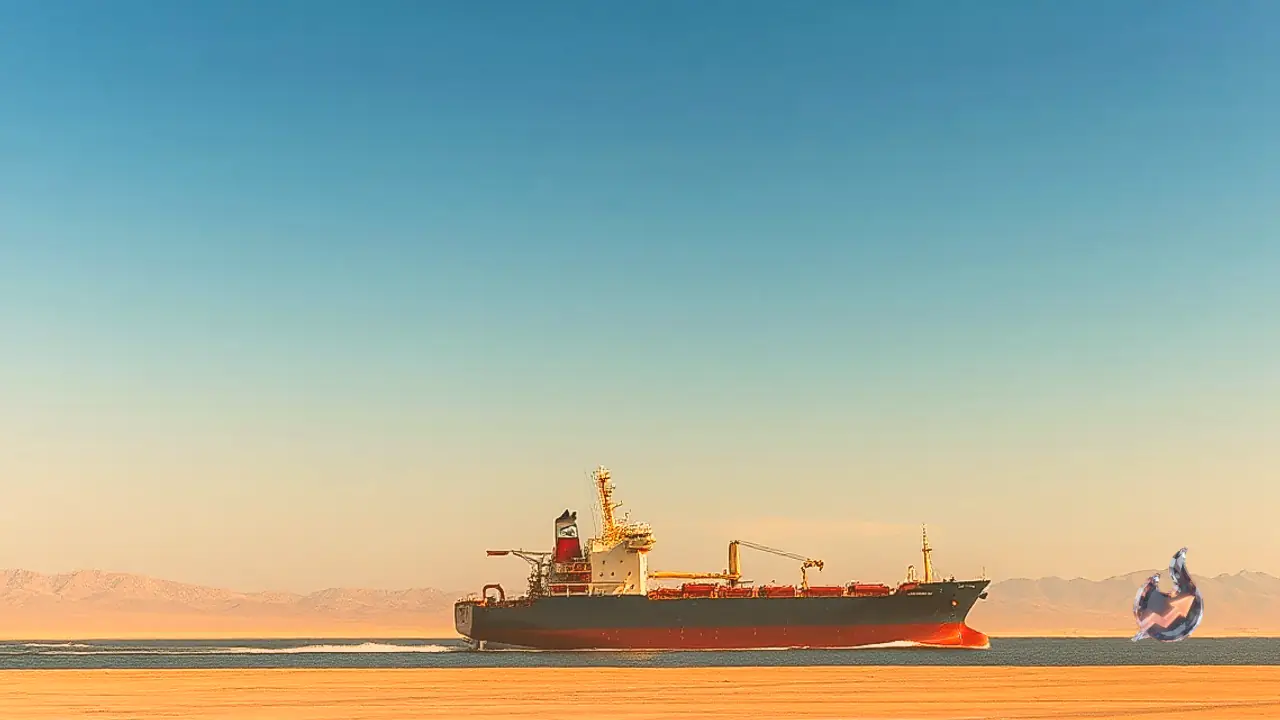
Tensions spiked after Donald Trump declared the Strait of Hormuz to be US territory and shared a map depicting the strategic waterway under American domain. The Strait of Hormuz represents one of the world's most critical maritime transit corridors for global energy supplies, and any assertions of territorial control over the waterway exacerbate instability. With both sides maintaining a high state of military vigilance, the likelihood of immediate de-escalation across the Persian Gulf remains low.