

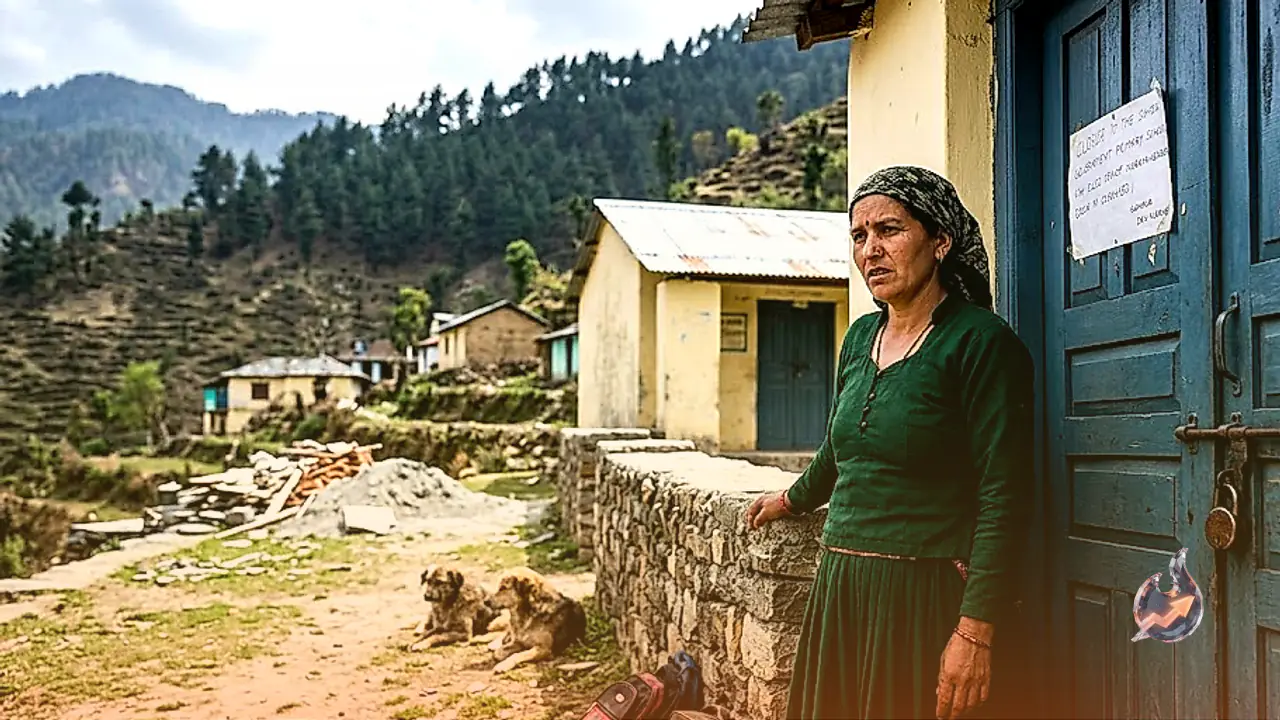


















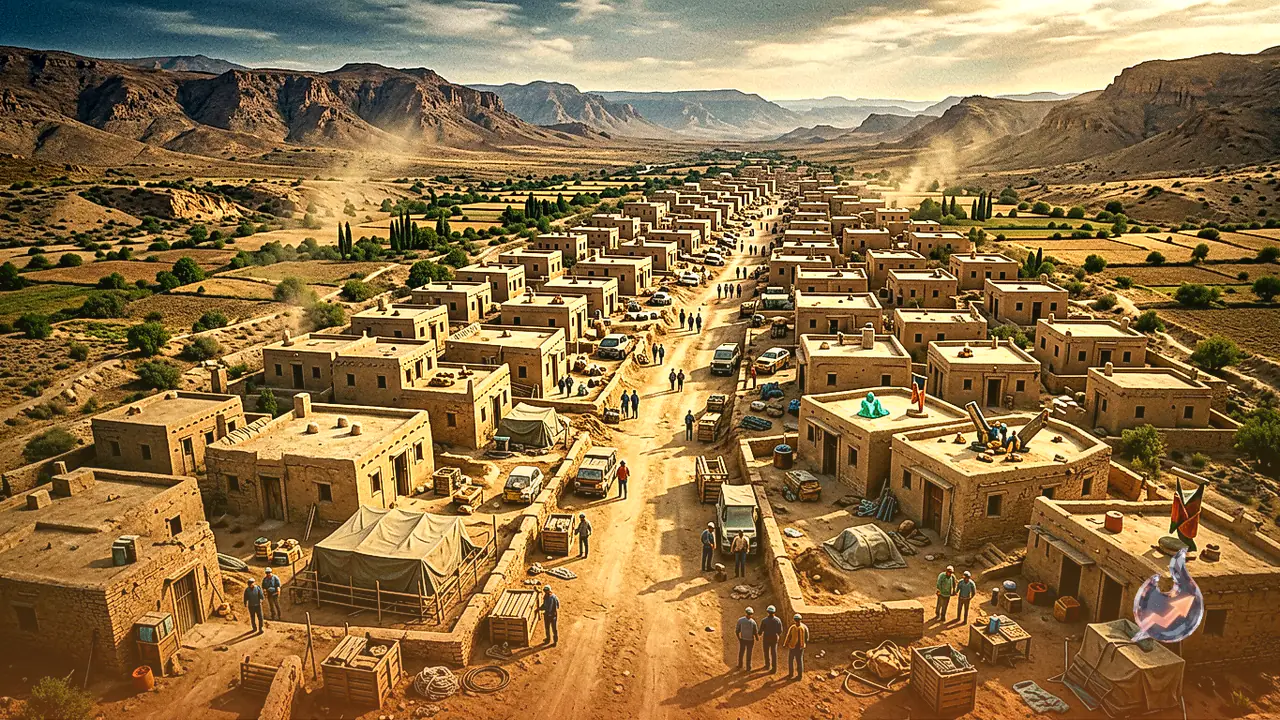

Israel has officially initiated the tendering process for the construction of approximately 1,200 new settlement housing units in the highly sensitive and strategic E1 area of the occupied West Bank. Located just east of Jerusalem, any building plans in this corridor have faced decades of intense international condemnation. Opponents view this latest move as a decisive political push by the Israeli government to render the establishment of a future independent Palestinian state physically impossible.
Strategic Bidding Ahead of Upcoming National Elections
Under the schedule laid out by Israeli authorities, contractors have been given a deadline of October 19 to submit their formal bids for the construction tenders. The timing is notably significant, falling only days before Israel's scheduled general election on October 27. Political analysts and legal watchdogs emphasize that by executing binding contractual agreements with developers prior to the vote, the current administration aims to cement the project legally, making it exceptionally difficult for any potential successor government to rescind or halt the work.
The Geographical Importance of the E1 Corridor
The E1 zone encompasses roughly 12 square kilometers (4.6 square miles) situated strategically between East Jerusalem and the major Israeli settlement of Maale Adumim. Positioned at the geographic heart of the West Bank, developing this land block effectively severs the northern sector of the West Bank from its southern territory. Furthermore, construction in E1 blocks the potential creation of a contiguous Palestinian urban continuum linking key centers such as Ramallah, East Jerusalem, and Bethlehem. For this reason, diplomatic observers have long identified E1 as a critical flashpoint for the viability of a two-state framework.
Political Directives and Statements from Israeli Leadership
While blueprints for E1 have existed for years, successive Israeli administrations held off on actual construction due to sustained diplomatic pressure from key global allies. However, settlement expansion has escalated rapidly following the return to power in late 2022 of Prime Minister Benjamin Netanyahu at the helm of a right-wing, pro-settler coalition. This trajectory accelerated further following the outbreak of the Gaza war, which began after the Hamas attack on Israel on October 7, 2023.
The governing coalition formally authorized the commencement of E1 construction a year ago. At the time of the announcement, Finance Minister Bezalel Smotrich, an ultranationalist politician and leading figure in the settlement movement, explicitly stated that the overarching goal of the initiative was to ensure that the concept of an independent Palestinian state was completely erased.
Legal Standing, Historical Context, and Demographic Realities
Under international law, all civilian settlements established in occupied territories are considered illegal. Israel captured the West Bank and East Jerusalem from Jordan during the 1967 Middle East War. In 1980, Israel formally annexed East Jerusalem, a unilateral move that remains unrecognized by the vast majority of the international community.
Since 1967, Israel has established approximately 160 settlements across the West Bank and East Jerusalem, which today house around 700,000 Jewish residents. Living alongside these settlements are an estimated 3.3 million Palestinians who seek the West Bank, East Jerusalem, and Gaza to form their envisioned sovereign nation.
Opposition from Anti-Settlement Watchdogs and Human Rights Activists
Peace Now, a leading Israeli anti-settlement watchdog group that has repeatedly challenged the E1 plans in court, issued a sharp critique of the tender announcement. The organization pointed out that signing deals right before the election is a calculated strategy to lock in construction contracts that a future government would find hard to break. Peace Now warned that even partial implementation of the building plan would fundamentally transform the strategic and geographic balance of the area by isolating East Jerusalem and dividing the West Bank. They stressed that building in E1 permanently damages any prospect of resolving the conflict through a negotiated two-state solution.
Expressing grave concern over the human impact, Jamal Juma, a Jerusalem-based Palestinian activist with the Stop the Wall campaign, condemned the development. "It is destruction of the communities, it's destruction of families... this is a disaster," he stated. He added that the construction project directly threatens more than 40 Bedouin communities in the corridor, who face imminent displacement and eviction from their ancestral lands.