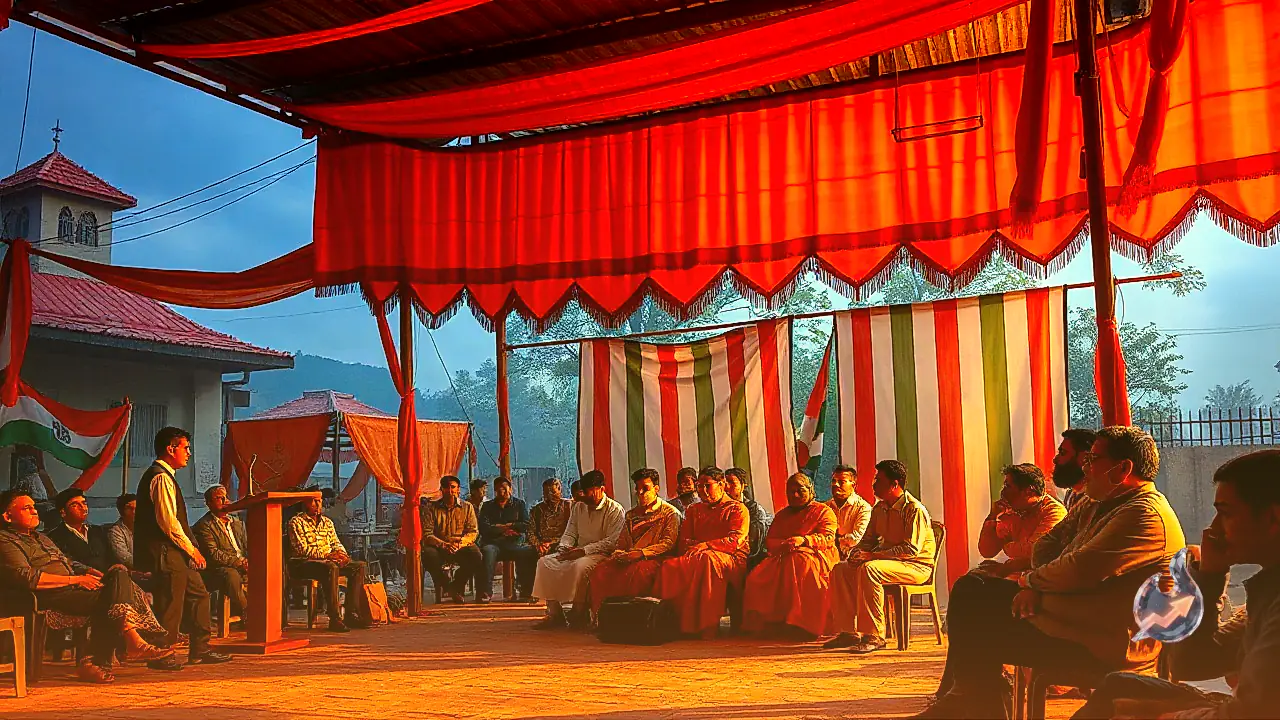
















The Mizo National Front has decided to defer its organizational elections, choosing instead to hold them only after the completion of the 2028 Mizoram Assembly elections. Party president and former chief minister Zoramthanga announced this major decision during a political session in Aizawl, where he also outlined key structural changes within the party hierarchy. The organizational polls were originally scheduled to take place next year, but the party executive chose to realign its timeline with long-standing internal conventions.
Leadership Reshuffle and Party Hierarchy Updates
Explaining the rationale behind the postponement, Zoramthanga stated that the decision aligns with the tradition followed by the Mizo National Front over the years. According to this custom, internal elections are consistently organized in the aftermath of Assembly elections rather than in the period immediately preceding them. The upcoming organizational process, when conducted after 2028, will encompass electing new office-bearers and assigning individuals to key positions, such as general secretaries, secretaries, and leadership heads across various frontal organizations within the party.
Alongside the election timeline update, Zoramthanga announced immediate changes to the senior leadership structure. Under powers granted to the party president by the Mizo National Front Constitution, former deputy chief minister Tawnluia has been named working president. In addition, former home minister Lalchamliana and former MLA D. Thangliana have both been appointed as vice presidents. Zoramthanga emphasized that these appointments aim to optimize organizational operations and fortify the overall administrative framework of the party ahead of future political engagements.
Targeting Political Rivals on Internal Democracy
During his address, the party president took aim at competing political forces in the state, specifically criticizing the ruling Zoram People’s Movement and the Congress party. He alleged that both organizations routinely bypass internal democratic procedures by avoiding formal organizational elections. Instead of holding open polls, Zoramthanga claimed that both rival parties simply appoint chosen individuals directly into key structural positions without conducting internal voting processes.
Clash Over the Historical 1986 Mizoram Peace Accord
The former chief minister also voiced sharp criticism against current Chief Minister Lalduhoma over recent comments regarding the historic Mizoram Peace Accord signed in 1986. Zoramthanga contended that political opposition groups have repeatedly attempted to diminish the significance of the accord, though such efforts have consistently failed to convince the people of Mizoram. He alleged that Lalduhoma is raising fresh doubts about the agreement, including questioning the authenticity of signatures on the document, in an attempt to undermine the Mizo National Front.
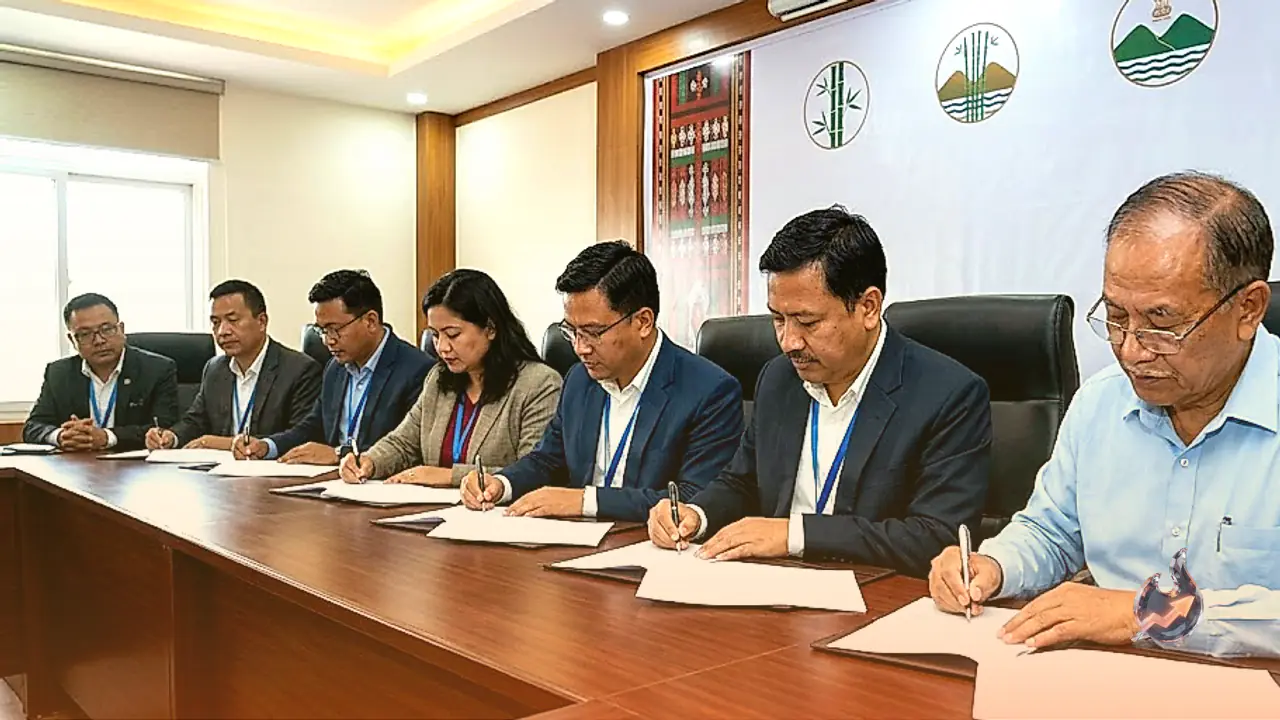
Clarifying the historical record, Zoramthanga noted that the 1986 accord was formally executed by key representatives of the state, central government, and party leadership. The agreement was signed by then Union Home Secretary R.D. Pradhan representing the central government, then Chief Secretary Lalkhama on behalf of the Mizoram government, and then leader Laldenga representing the Mizo National Front. Zoramthanga confirmed that the original signed document remains intact and available for verification.
Highlighting the historical significance of the agreement, Zoramthanga recalled the 2006 anniversary celebrations held in Aizawl during his tenure as chief minister. During that event, he had formally extended invitations to then Prime Minister Manmohan Singh and Union Home Minister Shivraj Patil, both of whom acknowledged and responded to the invitations in writing. Zoramthanga described the 1986 peace pact, framed during the leadership of former prime minister Rajiv Gandhi and Laldenga, as one of the most successful peace accords in history, asserting that it established the essential framework for stability and subsequent development across Mizoram. He firmly rejected Lalduhoma’s assertions regarding his own role, stating that Lalduhoma was not a prominent participant during the key stages of the peace negotiations.