





















A series of important regulatory and administrative adjustments are scheduled to take effect on October 1, 2026, influencing domestic cooking gas subsidies, bank fixed deposit interest rates, and the procedure for securing delayed vital records. The revised mandates directly affect household budgets, depositors seeking uniform returns on their savings, and families applying for birth or death certificates past statutory timelines.
LPG Subsidy Tied to Biometric Aadhaar Authentication
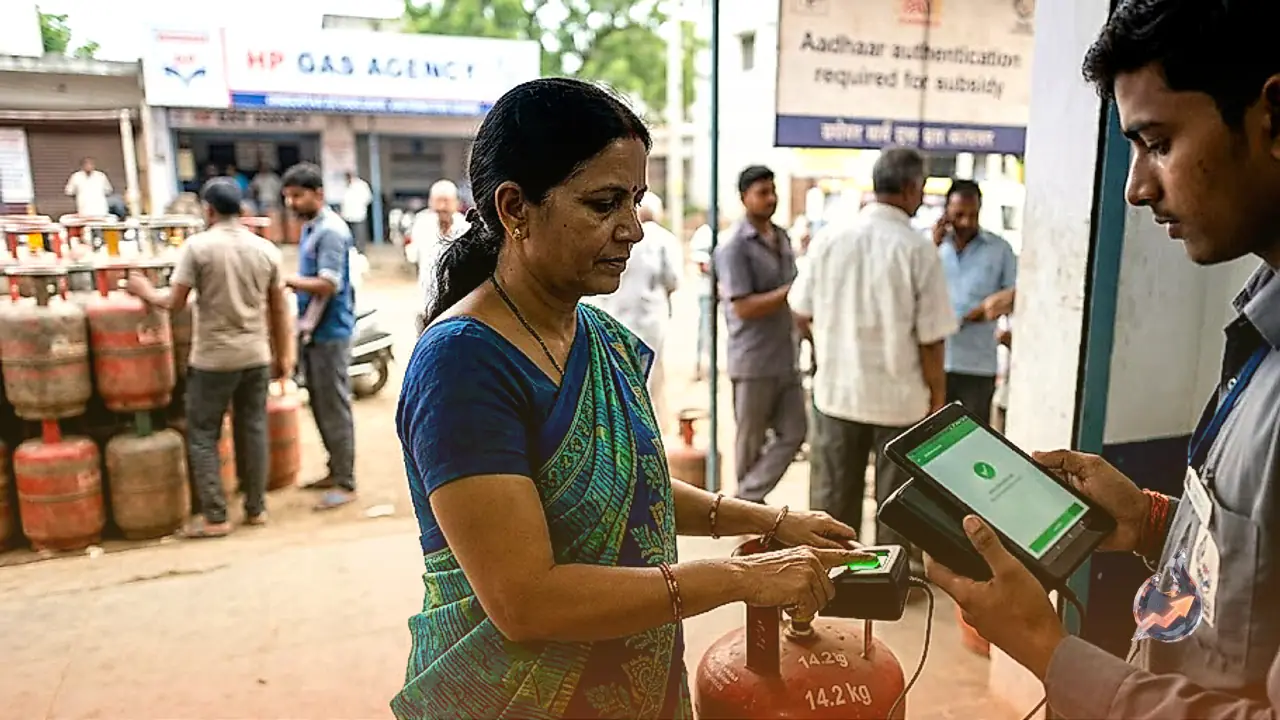
Domestic cooking gas consumers intending to book subsidised refills at the regulated retail selling price must complete Biometric Aadhaar Authentication by October 1, 2026. Data from the Ministry of Petroleum and Natural Gas indicates that 27.43 crore active domestic LPG consumers, representing 89.9 percent of the total customer base, had already finished this authentication process as of September 19. Consumers who have already satisfied this requirement do not need to undergo the process again.
Households that fail to complete the biometric authentication will not have their supply terminated, but they will forfeit their subsidy entitlement. Such consumers will receive refills strictly at market rates without subsidy support, subject to applicable conditions and cylinder availability. As per government data, the subsidy on a standard 14.2-kg domestic LPG cylinder stood at approximately Rs. 210 in September 2026.
To facilitate the authentication drive, oil marketing companies have enabled mobile applications alongside physical distributor channels. Indane consumers can complete the verification using the IndianOil ONE platform, Bharatgas consumers can verify credentials through HelloBPCL, and HP Gas consumers can complete authentication via the HP PAY application.
Uniform Fixed Deposit Rates Across All Bank Branches
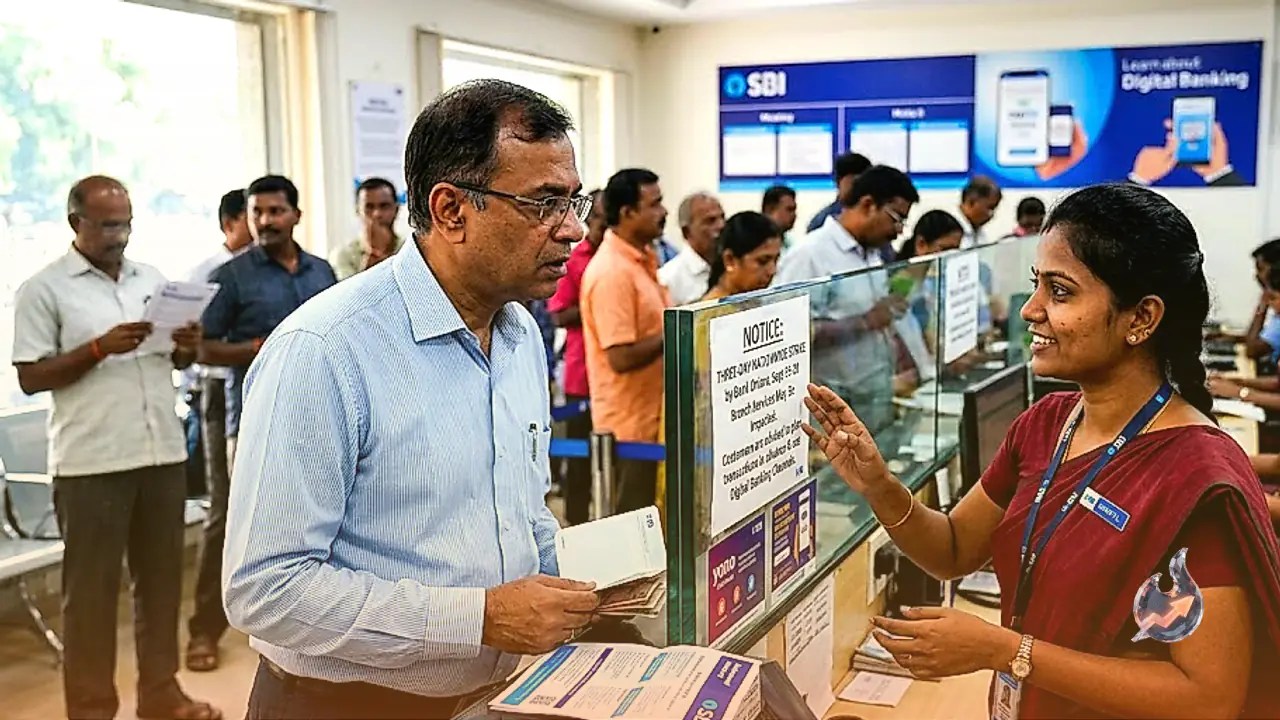
The Reserve Bank of India has issued revised deposit rate guidelines that come into force on October 1. Under these instructions, the central bank has directed all commercial banks across India to apply identical fixed deposit interest rates across their entire branch network. Financial institutions will no longer be permitted to discriminate between branches or customers when pricing deposits of similar ticket sizes and maturities.
Under previous operating flexibilities, depositors occasionally encountered differing branch-level quotes or discretionary rates. The incoming guideline ensures that individuals placing comparable deposits receive the identical published rate regardless of which branch of a given bank they approach, standardising rate transparency across urban and rural locations alike.
Stricter Verification for Delayed Birth and Death Registrations
Significant procedural revisions are also being enacted for individuals seeking to register vital events after missing standard statutory deadlines. The Registration of Births and Deaths (Amendment) Act, 2026 is scheduled to take effect on October 1, tightening the verification standards required for delayed applications.
Under the amended framework, when an application to register a birth or death is filed after one year has elapsed but within two years of the occurrence, the competent authority must independently verify the accuracy and authenticity of the submitted details before advancing the registration.
For incidents where an applicant attempts to register a birth or death after a delay exceeding two years, the administrative path becomes strictly judicial. In all such delayed cases, registration authorities cannot issue a certificate without receiving an explicit formal order from a Judicial Magistrate First Class.