























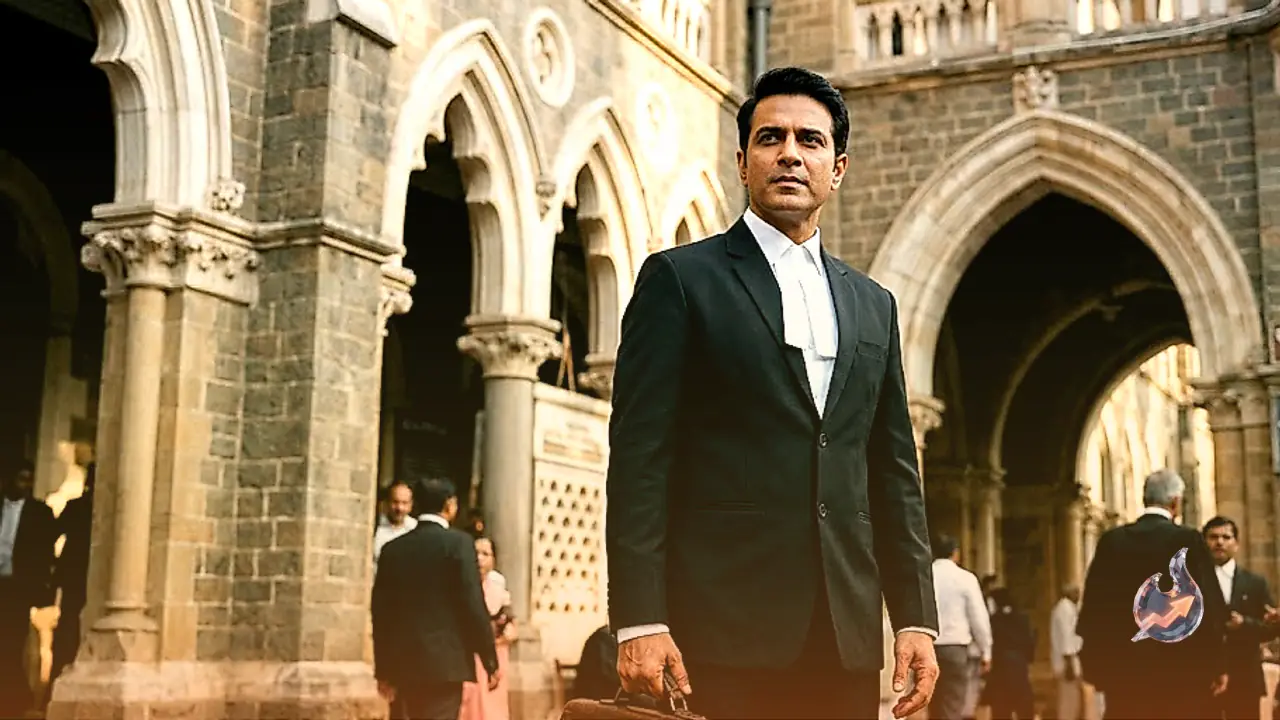

Stepping away from traditional action heavy narratives surrounding national tragedies, this latest courtroom drama brings a meticulous real world trial to the big screen, and this Prahaar review (2026) examines how effectively it captures that painstaking journey. When ten terrorists struck Mumbai on November 26, 2008, the horrific tragedy left the entire country reeling with trauma and outrage. While numerous films have previously recreated the terror operations, the hostage standoffs, and the brave sacrifices of security forces, this project chooses to explore what happened after the gunfire stopped. It shines a bright light on the quiet, methodical, and exhausting legal battle fought inside closed courtrooms to ensure that the perpetrators were punished under the rigorous standards of constitutional law. The narrative places special public prosecutor Ujjwal Nikam at the center of this monumental legal confrontation.
The Grind of the Courtroom and the Fight for Justice
The core narrative kicks off right after the 26/11 Mumbai attacks, tracking the monumental trial of Ajmal Kasab, the lone terrorist captured alive during the strikes. Appointed to lead the prosecution, Ujjwal Nikam faces the formidable responsibility of building an ironclad case against Kasab. The storytelling carefully underscores the reality of legal procedure: raw public anger and grief cannot secure a conviction on their own; instead, victory in a court of law requires tangible forensic evidence, reliable witnesses, and unshakeable cross examinations. The fierce legal clashes between defense attorney Abbas Kazmi and prosecutor Nikam form the true structural backbone of the feature. Their courtroom exchanges vividly demonstrate the sheer discipline required to run a high stakes, globally watched trial under constitutional due process.
Alongside the legal maneuvering, the screenplay attempts to weave in Nikam's domestic life, particularly his strained relationship with his son, Aniket. This subplot aims to highlight the personal sacrifices and domestic alienation that high profile public servants often endure when carrying the weight of a national case. However, this family tension occasionally feels disconnected from the main courtroom momentum, slowing down the central plot rather than enhancing it.
Stellar Turn by Rajkummar Rao and a Chilling Lalit Prabhakar
In the central role, Rajkummar Rao once again proves his remarkable ability to inhabit complex, real life figures with authenticity and poise. As Ujjwal Nikam, Rao delivers an understated yet forceful performance, capturing the seasoned prosecutor's professional demeanor, quiet self confidence, and methodical courtroom delivery. While his regional accent wavers slightly in a few scenes, his commanding screen presence anchors the entire movie and keeps the intellectual debates engrossing.
The most shocking and terrifying surprise of the project, however, belongs to Lalit Prabhakar in his portrayal of Ajmal Kasab. Prabhakar captures the terrorist's anxious facial tics, remorseless demeanor, and violent fanaticism with haunting precision, evoking chilling memories of the dark days following the 2008 strikes. It is an unsparing and deeply unsettling performance. Among the supporting cast, Sikandar Kher and Jaideep Ahlawat bring gravitas to their brief appearances, while Wamiqa Gabbi and Ritwik Sahore make a memorable impression despite limited screen time.
Avinash Arun's Nuanced and Sensitive Direction
Director Avinash Arun provides the film with its greatest artistic strength through his sensitive handling of a traumatic national event. His recreation of the carnage at the CST railway station is genuinely bone chilling without turning gratuitous. Depicting that horrific assault through the eyes of a young girl who lost her mother adds a deep, aching layer of emotional resonance. Arun successfully balances the dry intricacies of legal procedure with authentic human grief. While some courtroom arguments are stretched out and the pacing sags noticeably just prior to the intermission, the director manages to maintain overall narrative control.
Atmospheric Score and Technical Precision
The background score and musical landscape work in total harmony with the solemn, high tension atmosphere of the film. Avoiding melodramatic flourishes, the low, somber background score amplifies the psychological pressure felt by the prosecution team and the nation during the protracted trial. It enriches the courtroom debates and sharpens the emotional bite of the flashback sequences rather than distracting from the dialogue.
Flaws and Final Verdict
The film is not entirely without shortcomings. Its extended runtime and occasional sluggishness hinder the overall momentum, with certain courtroom speeches feeling repetitively drawn out. Furthermore, the domestic friction between Nikam and his son somewhat dilutes the tension of the primary courtroom trial. Given the heavy and somber subject matter, it demands patient, attentive viewing that may not appeal to viewers looking for brisk cinematic entertainment.
Nevertheless, 'Prahaar' leaves a lasting impression. Anchored by Rajkummar Rao's disciplined lead performance, Lalit Prabhakar's haunting turn as Kasab, and Avinash Arun's mature direction, the film serves as an important reminder of how arduous, patient, and challenging the path to justice truly is. For audiences who appreciate intelligent, fact based legal dramas, it is well worth adding to your watchlist. The film earns 3.5 stars out of 5.