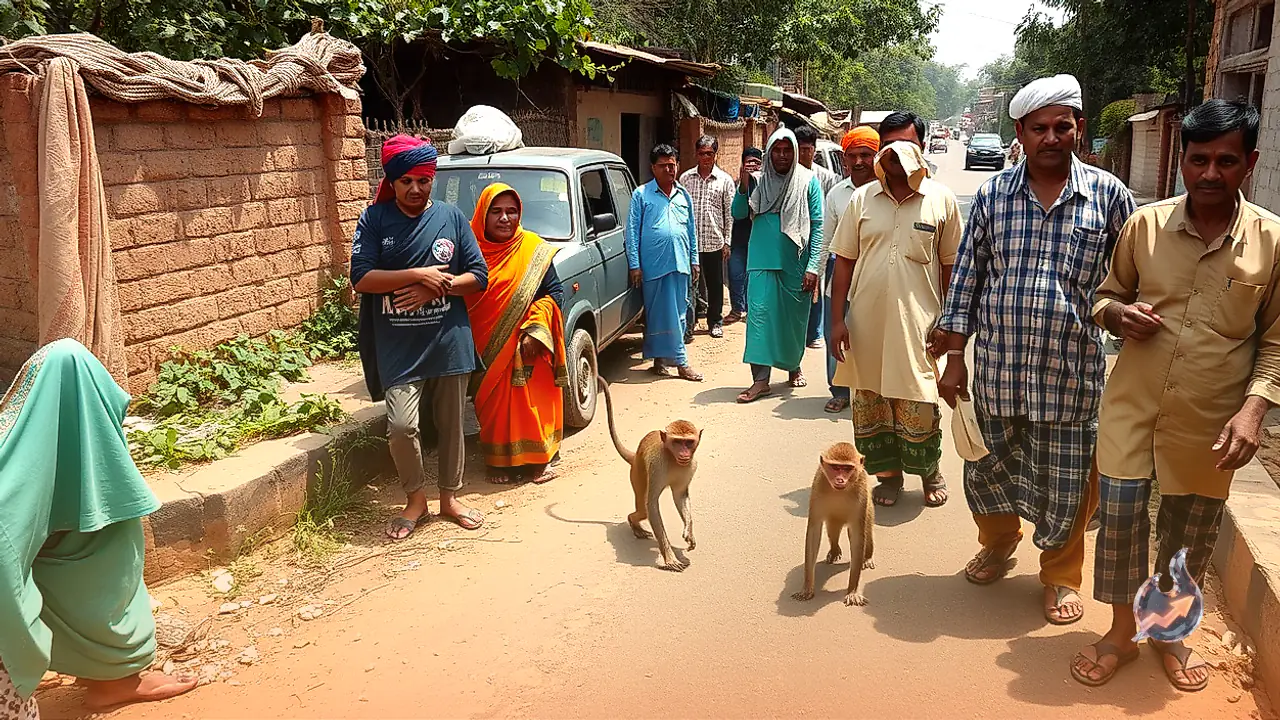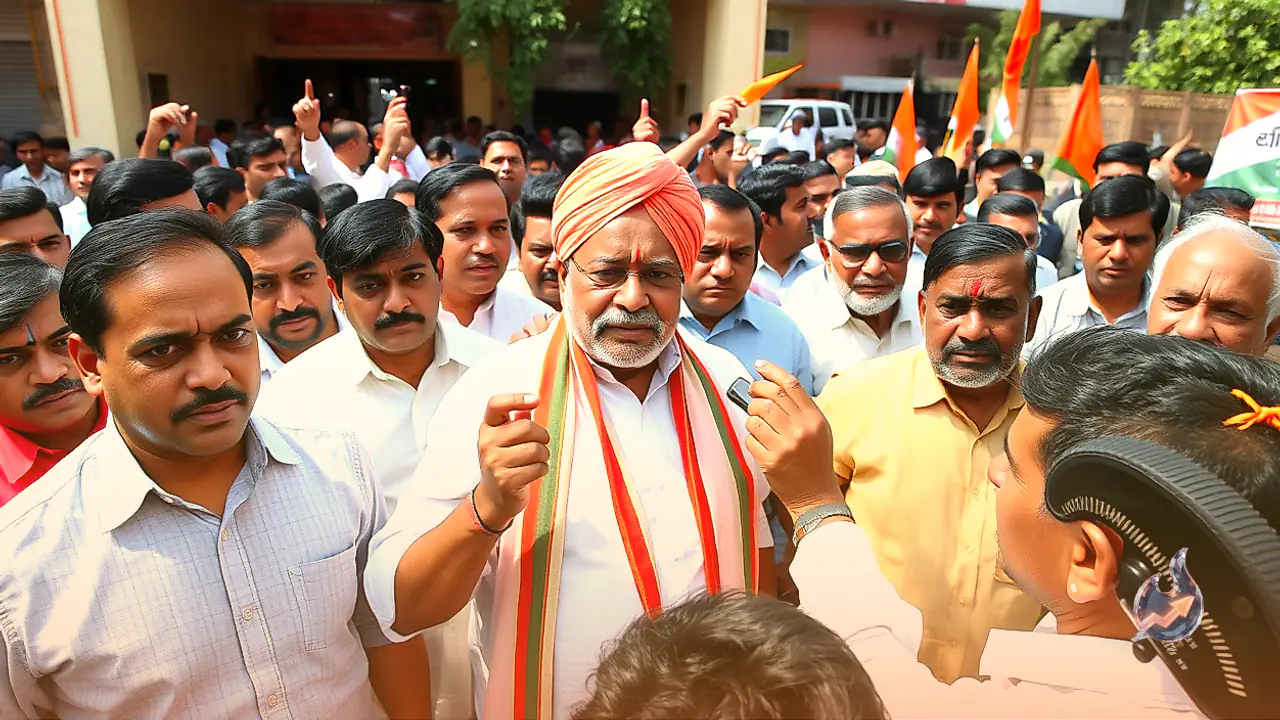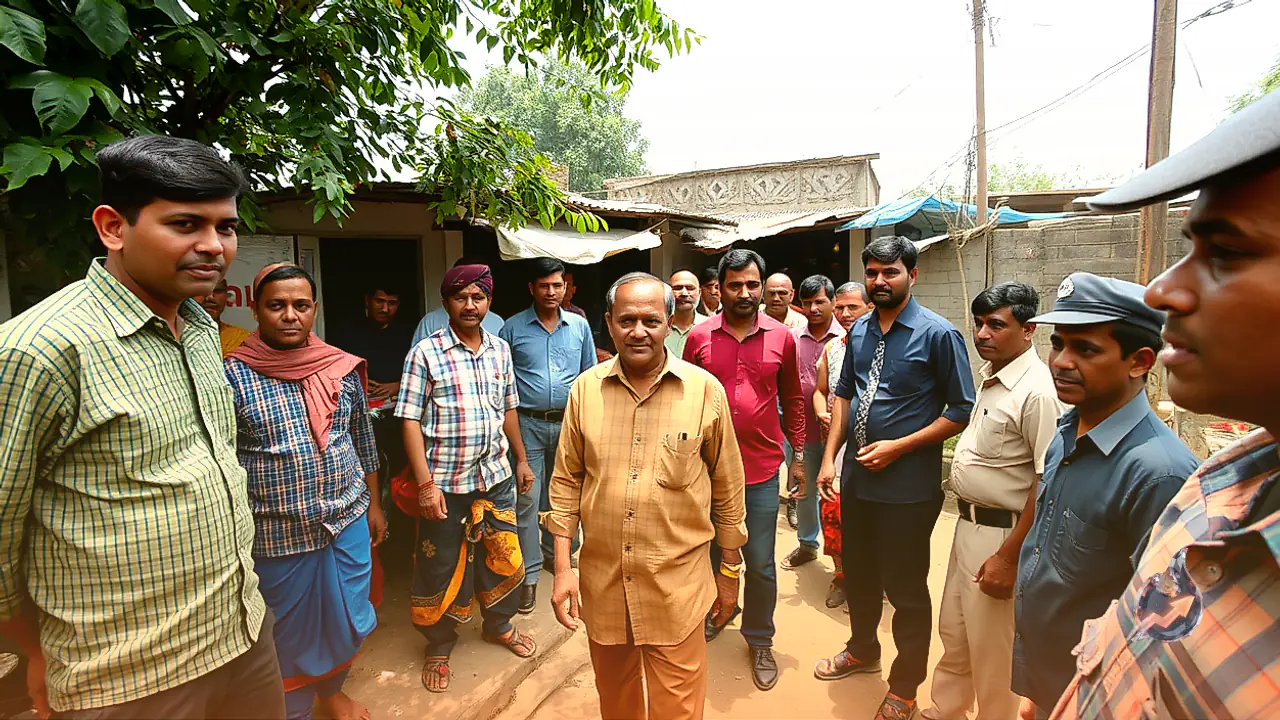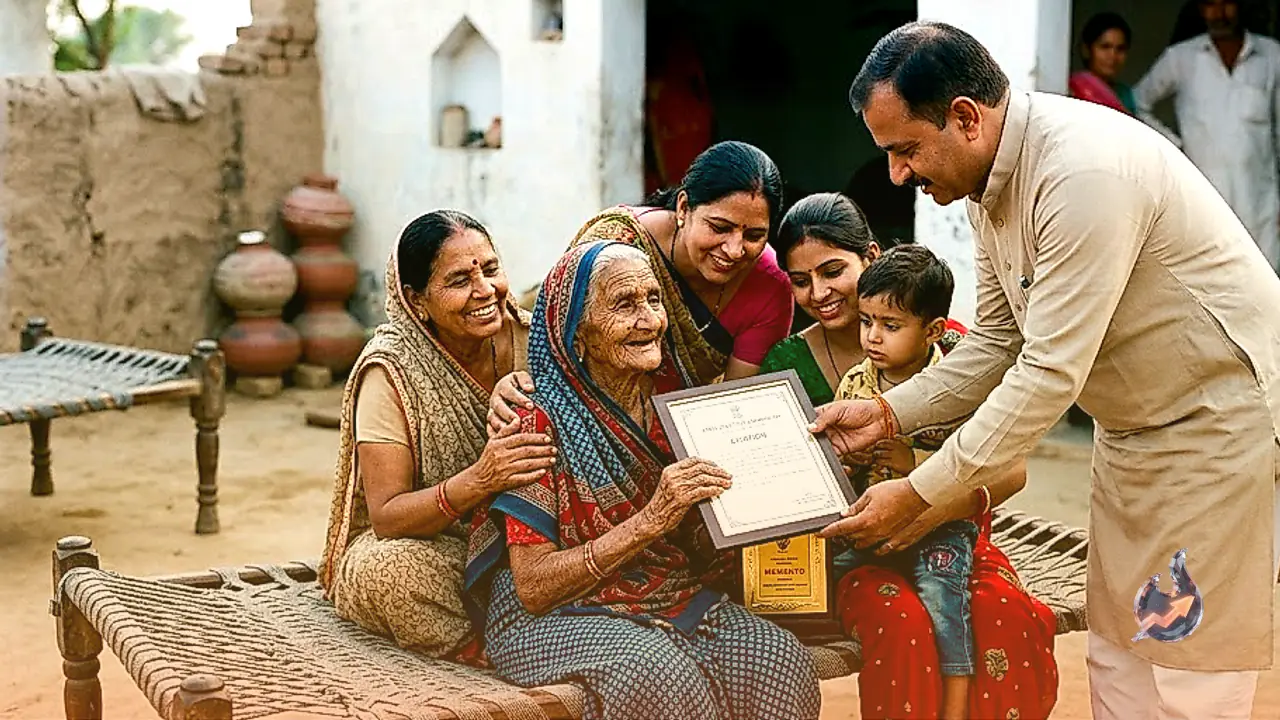
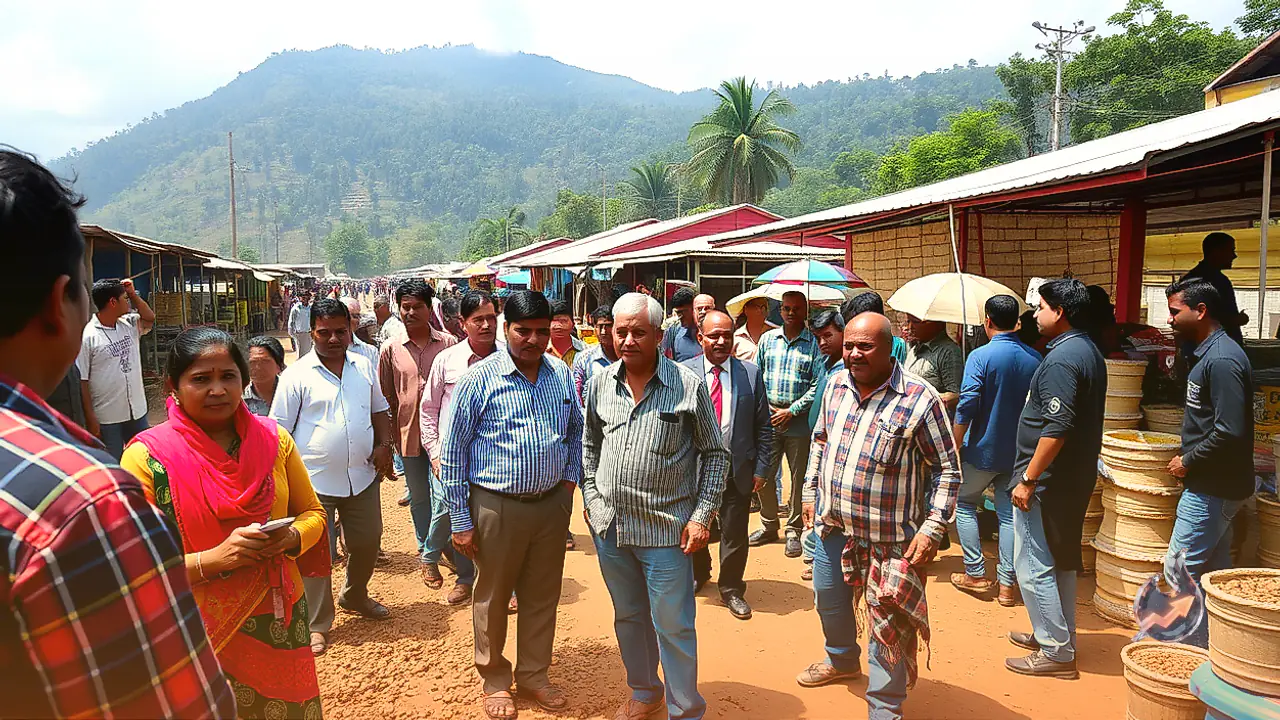
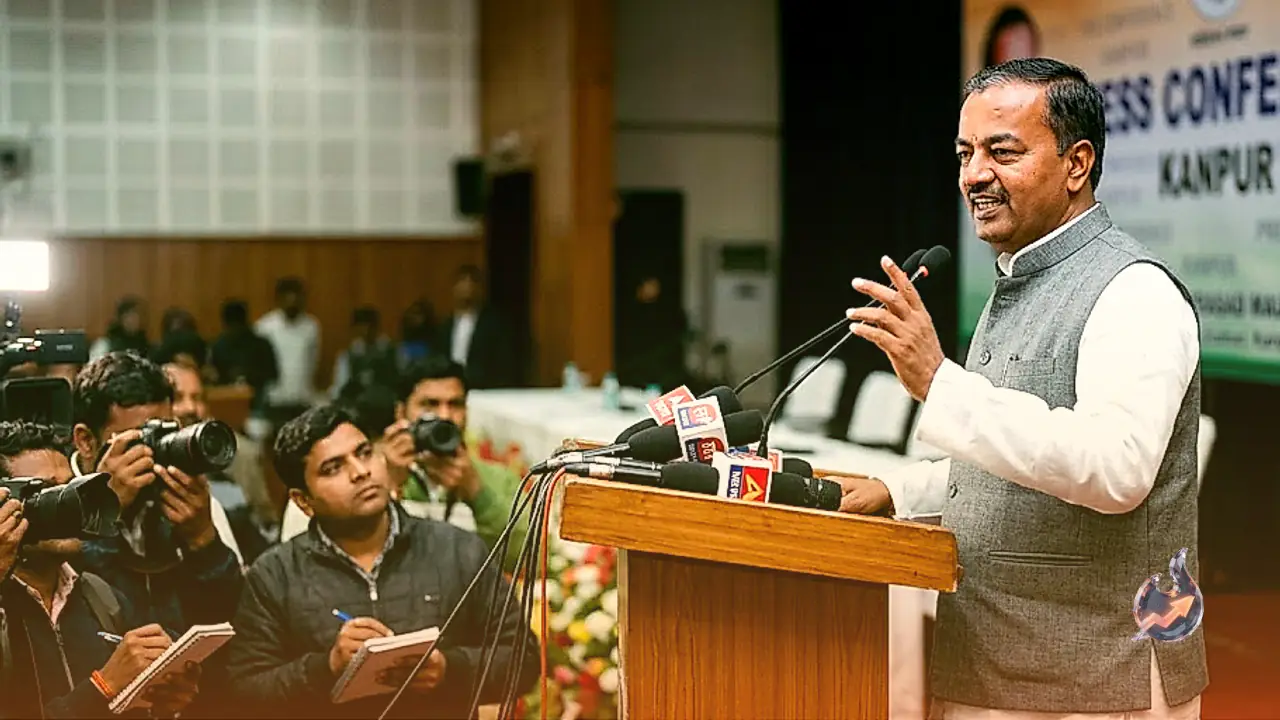

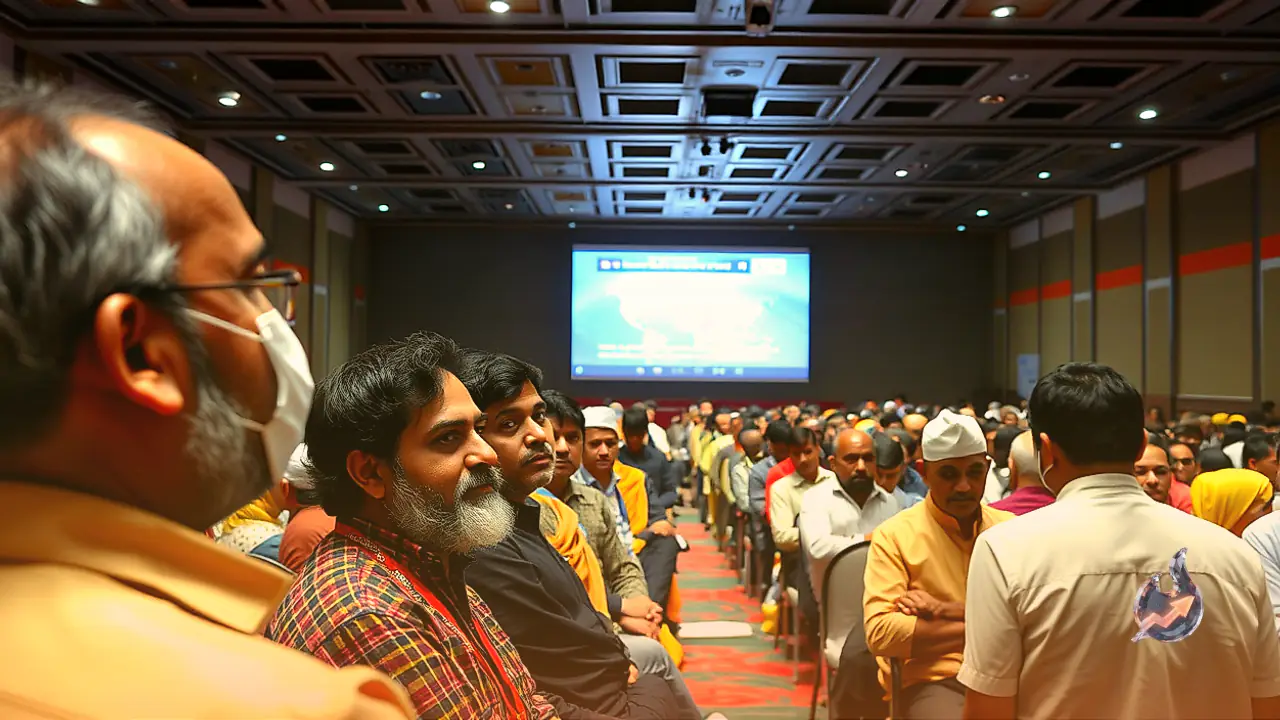
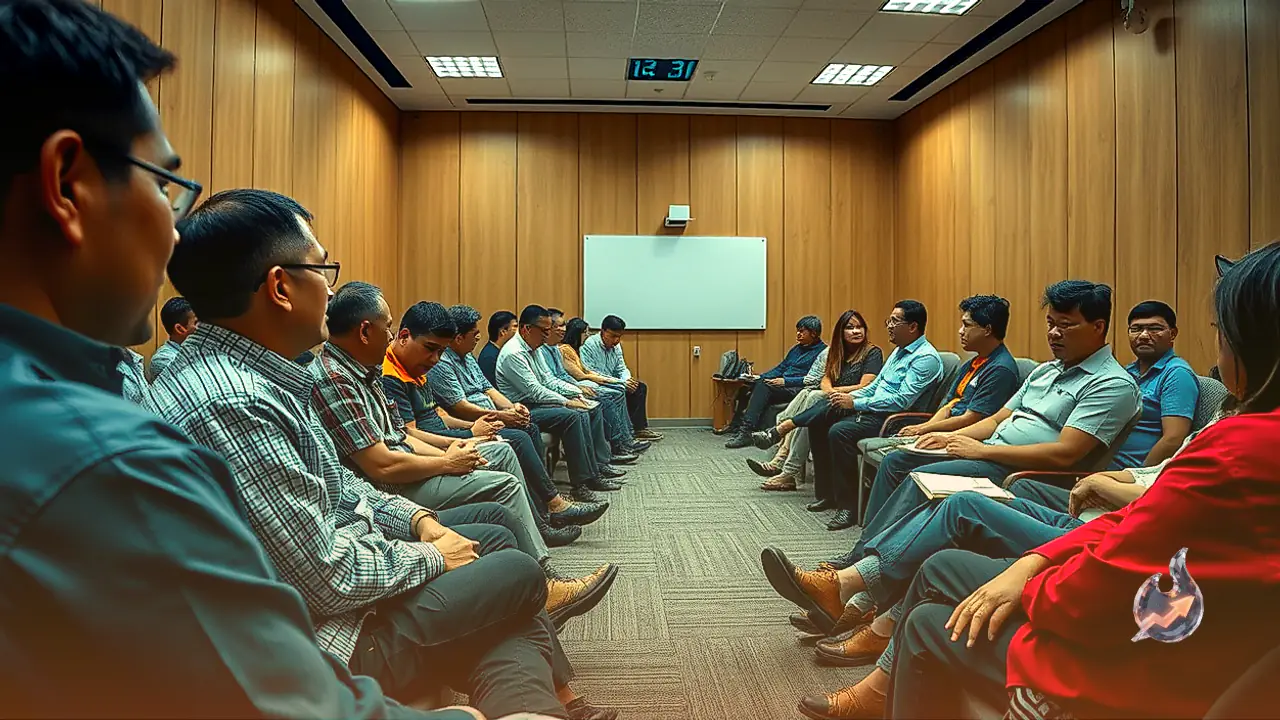














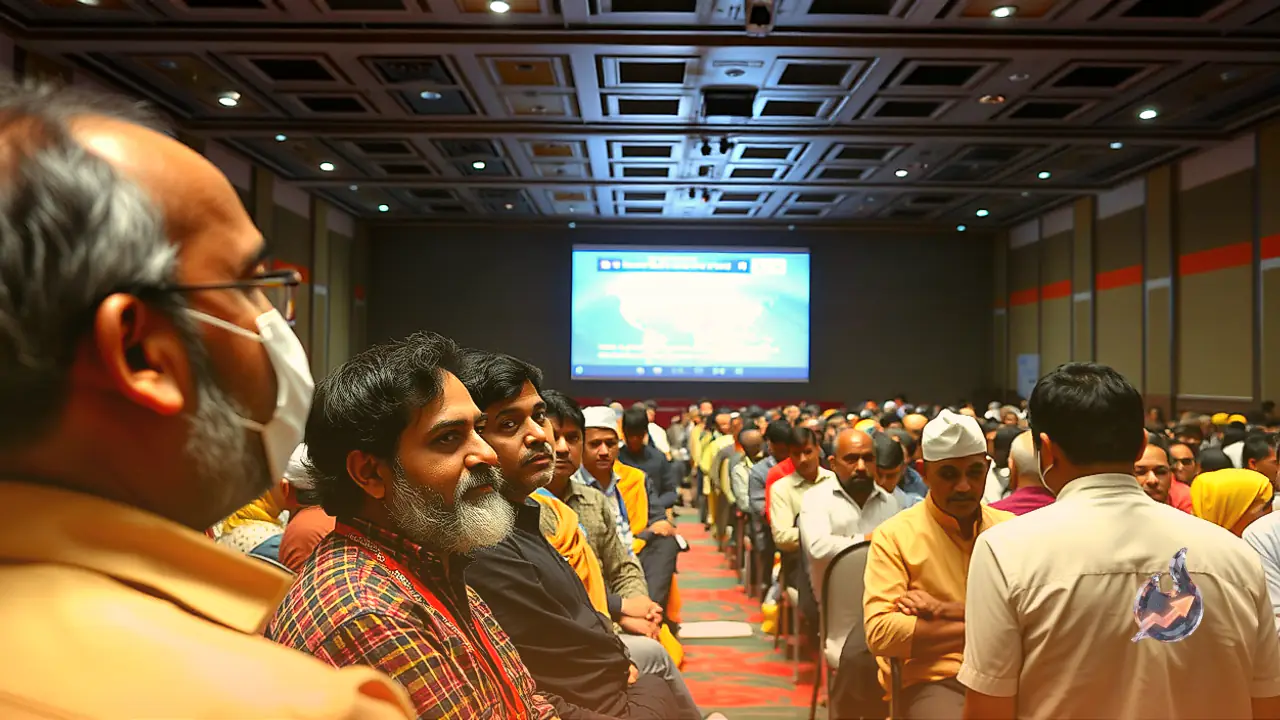

Kailash village, situated close to the renowned pilgrimage centre of Khatu Shyamji in Sikar, Rajasthan, has emerged as a vibrant meeting ground for global wellness seekers. The Shri Devpuri Ji Ashram is currently hosting the five-day International Peace and Ayurveda Indian Vedic Culture Conference, welcoming participants from across India alongside international delegates from Japan, Russia, Nepal, and other nations. The gathering features a diverse assembly of scholars, doctors, researchers, academic scholars, and young enthusiasts eager to study traditional Indian ways of living.
Global Broadcast Connects Audience Across 21 Nations
A central highlight of the gathering took place on October 2, dedicated specifically to exploring the fundamentals of Indian Vedic culture and Ayurveda. The proceedings were broadcast live across roughly 21 countries, allowing an international audience to follow detailed discussions on yoga, traditional healthcare, disciplined lifestyle practices, and universal harmony. Organisers explained that their primary mission is bridging ancient Indian knowledge systems with contemporary society, ensuring modern generations worldwide can access and apply this wisdom.
Inner Peace as the Foundation for Global Harmony
Reflecting on the significance of October 2, Mahamandaleshwar Swami Gyaneshwar Puri Maharaj noted that the United Nations observes this date as the International Day of Non-Violence. Connecting personal wellness directly with world peace, he explained that creating a calm and secure global atmosphere is impossible unless individuals cultivate inner tranquility through yoga and Ayurveda. Describing Vedic traditions as a comprehensive philosophy for daily life, he highlighted how international visitors are developing a direct and practical appreciation of these principles on the ground.
Engaging the Younger Generation with Heritage Wellness
Addressing the cultural divide, Kapil Agarwal, the conference coordinator and ambassador for the Shri Madhavananda World Peace Council, emphasised the necessity of connecting Gen-Z with spirituality, yogic discipline, and Vedic habits. He remarked that traditional Indian life included numerous health-promoting routines that were once second nature to households but gradually slipped away amid modern conveniences. The initiative aims to reintroduce these time-tested living methods to young people using formats and language suited to their modern worldview.
Making Classical Ayurvedic Wisdom Accessible Beyond Sanskrit
Detailing the operational schedule from October 1 through October 5, Dr. Sujata Choudhary explained that participating youths are being trained in structured daily routines, balanced dietary regimens, and health management rooted in Ayurveda. She pointed out that because a vast portion of classical Ayurvedic literature remained preserved exclusively in Sanskrit, it gradually drifted away from the common public's daily lifestyle over decades. Current efforts are focused on breaking down these technical concepts into straightforward, actionable guidance for contemporary households.
Embracing Traditional Routines from Natural Twigs to Wholesome Meals
The active engagement of foreign guests has lent a distinctive multicultural atmosphere to the spiritual hermitage. Overseas attendees are actively experiencing an Ayurvedic lifestyle firsthand, partaking in balanced regional cuisine, traditional exercise regimes, and the time-honoured use of natural chewing twigs known as datun for oral hygiene. International participant Tina Lampe shared her perspectives on the worldwide value of Ayurveda and its practical relevance for navigating contemporary health challenges. Meanwhile, Vinita Poonia, chairperson of the Khatu Shyamji municipal council, along with Swami Chandrapuri, urged wider efforts to make these indigenous health systems accessible to every section of society.