



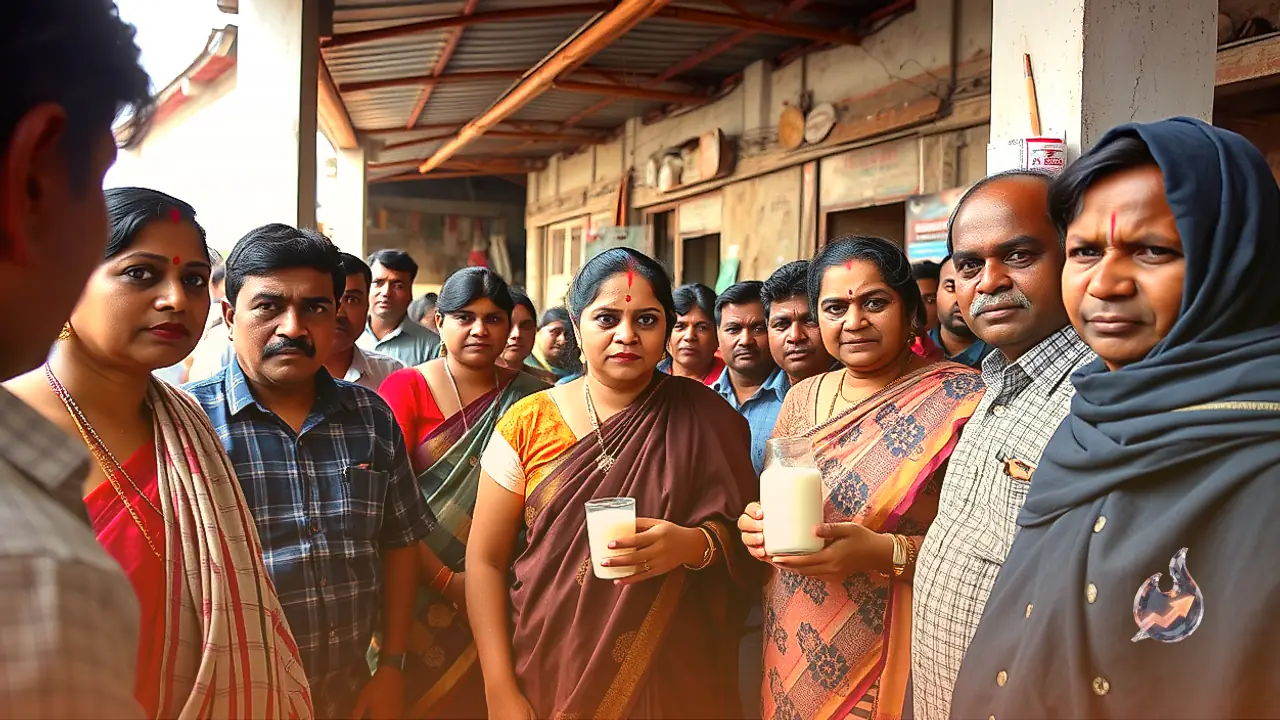














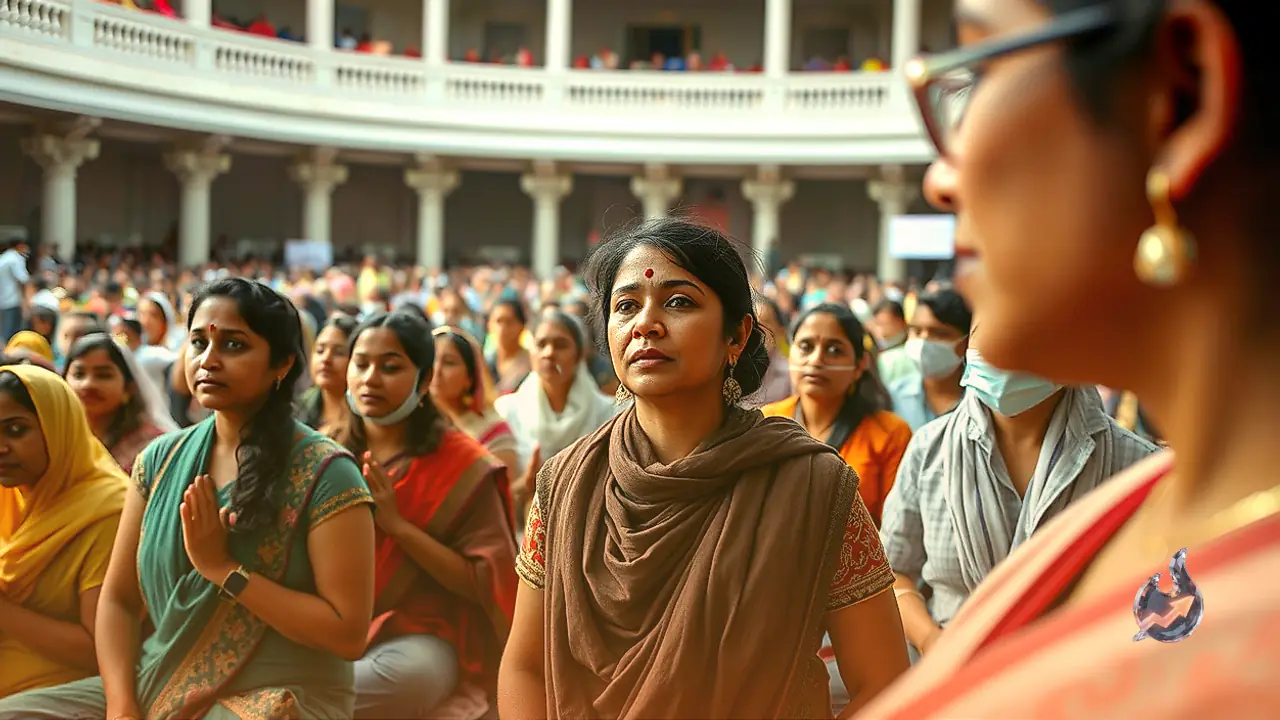

A national call for high-level legislative action on women's safety took center stage in the capital as civil society representatives urged the highest legislative body to directly address systemic gaps. On October 5, 2026, during a joint conference hosted at the Press Club of India in New Delhi, Yogita Bhayana, founder of People Against Rapes in India (PARI), joined forces with Adhikar Abhi, Nyay Abhi (AANA) to formally demand that a dedicated two-day special session of Parliament be convened to address pressing concerns surrounding the safety and dignity of women across the nation.
Ground-Level Consultations with Students and Youth
This urgent legislative demand follows an extensive consultation exercise led by Yogita Bhayana with students from the University of Delhi as well as youth from various Indian states. During these interactive dialogues, young women and students voiced firsthand accounts of the safety challenges they encounter across multiple spheres of life, spanning university campuses, public spaces, workplaces, digital channels, and the broader social landscape, while also contributing practical recommendations for reform.
The critical insights gathered from these student interactions were consolidated alongside recommendations developed through seven years of on-the-ground advocacy by PARI. Over the past seven years, the organization has consistently engaged with survivors of violence, children, educational institutions, professional workplaces, and grassroots communities. Combining this deep field experience with recent student testimonies provided the foundational evidence presented in the unified demand to lawmakers.
Moving from Post-Incident Reaction to Measurable Prevention
Addressing the press gathering, Yogita Bhayana stressed that governance around women's safety must evolve beyond reactive public measures that only follow high-profile incidents of violence. She highlighted an urgent national imperative for structured parliamentary deliberation focused on primary prevention, rigorous institutional accountability, strict implementation of existing legislation and policies, and fixing institutional shortcomings that leave women vulnerable.
The initiative specifically seeks a full two-day parliamentary debate where lawmakers prioritize issues raised by young citizens, survivor support bodies, civil society groups, and allied stakeholders. Organizers stated that the overarching goal is to pivot national discourse away from episodic reactions toward proactive prevention, shift focus from treating individual incidents in isolation to enacting systemic reforms, and graduate beyond basic awareness toward verifiable, measurable administrative accountability.
Submission of Formal Letter of Demand
A formal Letter of Demand was presented during the conference, urging competent authorities and parliamentary leadership to initiate necessary steps within existing constitutional and parliamentary frameworks to schedule the proposed two-day special session without delay.
Both Yogita Bhayana and AANA underlined that this effort is not aimed at generating routine rhetorical debate. Instead, the initiative seeks a time-bound national dialogue capable of producing concrete policy recommendations, robust accountability mechanisms, and enforceable actionable measures. Their message to lawmakers remains unequivocal: two dedicated days of national dialogue to ensure immediate and lasting action for the safety of women.