
















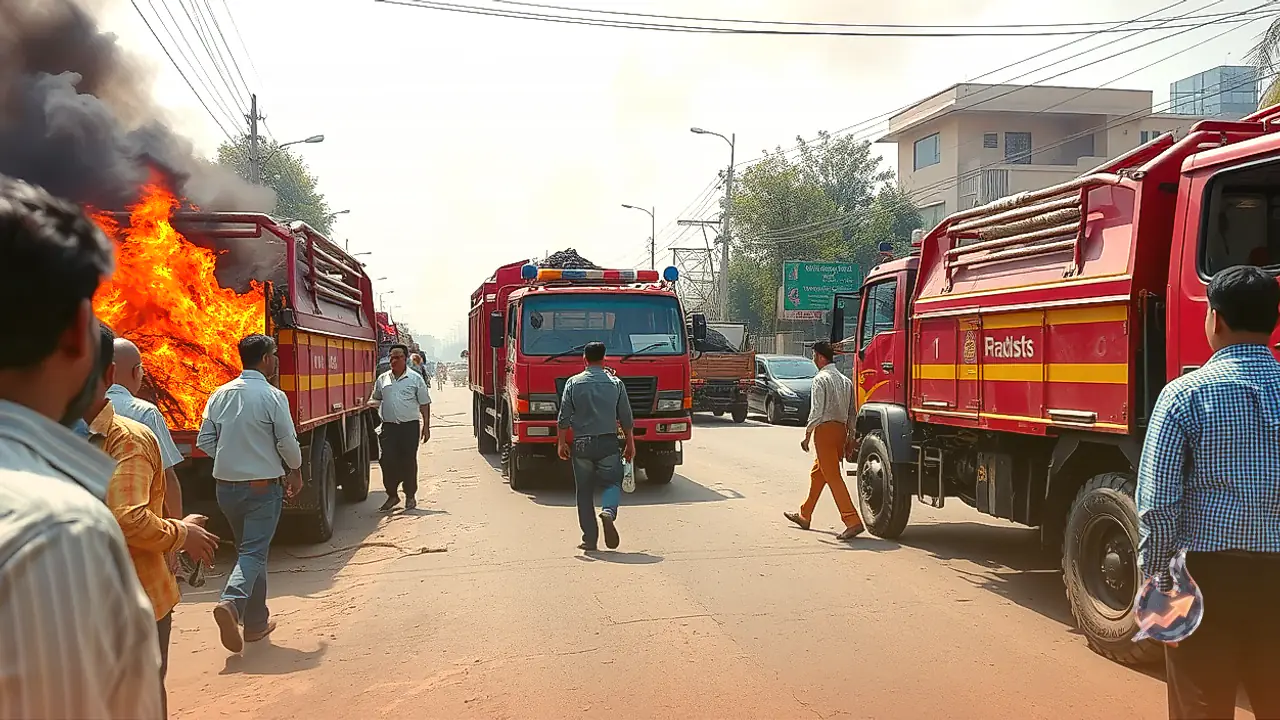

The diversion of taxpayer-funded emergency equipment for personal domestic chores by influential figures raises urgent questions about governance and accountability. Fire rescue services are specifically maintained, fueled, and staffed to protect lives and properties from devastating blazes and disasters on a moment's notice. However, visual documentation emerging from Gujarat and Madhya Pradesh has highlighted an uncomfortable reality where municipal fire engines were deployed not to extinguish dangerous infernos, but to hose down a residential bungalow and power-wash a private sport utility vehicle.
Municipal Fire Engine Used at MLA Residence in Dahod
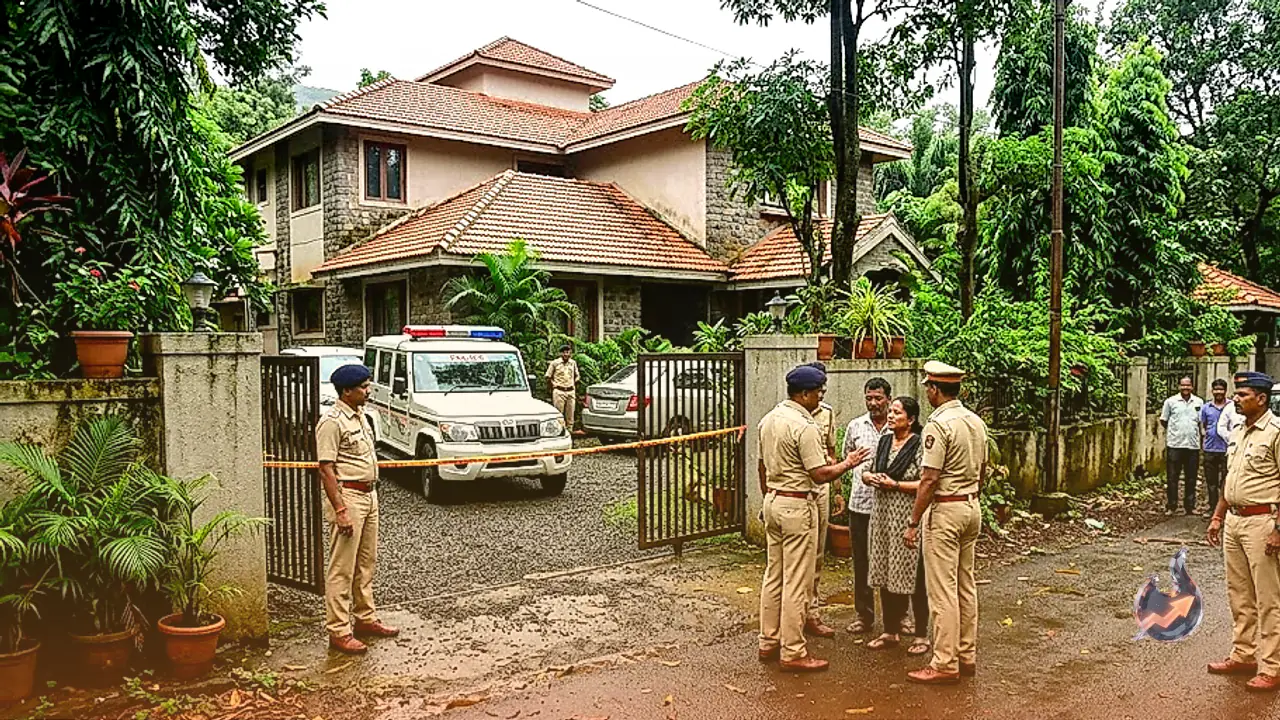
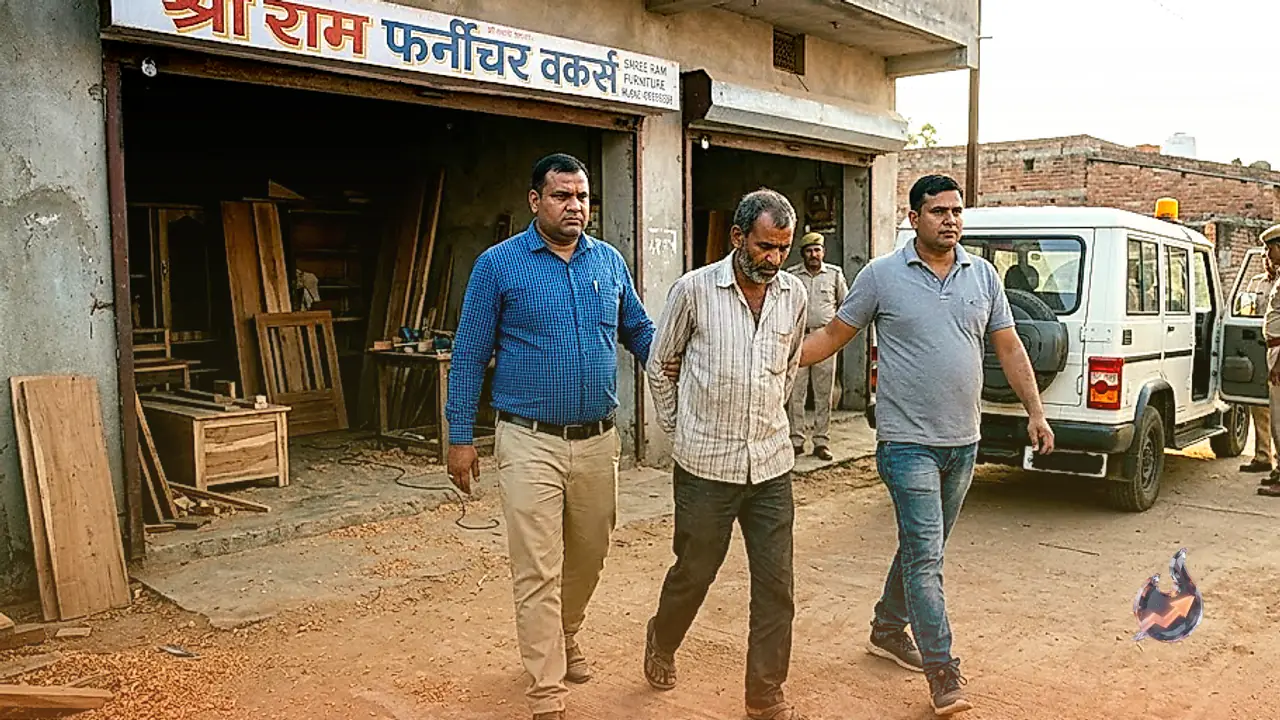
The first episode took place in Dhanpur taluka of Dahod district, Gujarat, involving the residential premises of Bachubhai Khabad, the BJP MLA representing Devgadh Baria and a former minister. A municipal fire tender from the Devgadh Baria municipality was recorded on camera spraying water across the politician's private compound. The resulting footage quickly circulated on social networks, generating public criticism over the utilization of civil defense machinery.
Providing details on how the deployment occurred, Devgadh Baria municipality president Ghamesh Kalal explained that a phone call had been received from the MLA requesting the immediate dispatch of a fire engine. Operating under the assumption that a serious emergency had broken out at the premises, the civic chief promptly sent the vehicle to the location. However, upon arrival, the responding fire personnel alerted senior officials that they were being instructed to wash the residential building rather than douse any blaze. Civic authorities immediately intervened to halt the water spraying. Following public outrage over the incident, the municipality imposed and collected a fine of 2,700 rupees from MLA Bachubhai Khabad.
Fire Hose Used to Wash MLA Vehicle in Singrauli
A similar occurrence came to light earlier in Madhya Pradesh on August 26, 2026, outside the official residence of BJP MLA Ramniwas Shah in Singrauli. In that instance, municipal corporation staff members were recorded using the high-pressure hose of an emergency fire tender to thoroughly wash a white Toyota Innova car belonging to the elected representative. The spectacle of municipal disaster personnel scrubbing a private automobile prompted swift political fallout.
Criticizing the incident, opposition leader Umang Singhar took aim at the civic administration, pointing out that while municipal fire brigades frequently fail to reach the homes of ordinary citizens in time during real fire outbreaks, the service appeared to have been converted into a private vehicle washing facility for a ruling party legislator. Addressing the mounting criticism, MLA Ramniwas Shah offered an unusual defense, asking whether an MLA washes his own car personally. He further maintained that he had no prior knowledge of the activity because he was not physically present at his residence at the time. Shah also posited that the fire vehicle might have been dispatched there to deliver water to administrative officers due to an interruption in municipal tank supplies.
VIP Culture and Public Resource Management
The occurrences in Dahod and Singrauli demonstrate a recurring tendency to treat vital civic assets as tools of personal convenience. Emergency responders and high-capacity water tenders are strategically stationed across municipal boundaries to respond to unforeseen crises where every second counts. Diverting these specialized vehicles and personnel away from active standby duties to attend to domestic chores compromises emergency readiness and erodes public trust. Without stringent enforcement and structural deterrents against such practices, emergency infrastructure remains vulnerable to recurring administrative misuse.