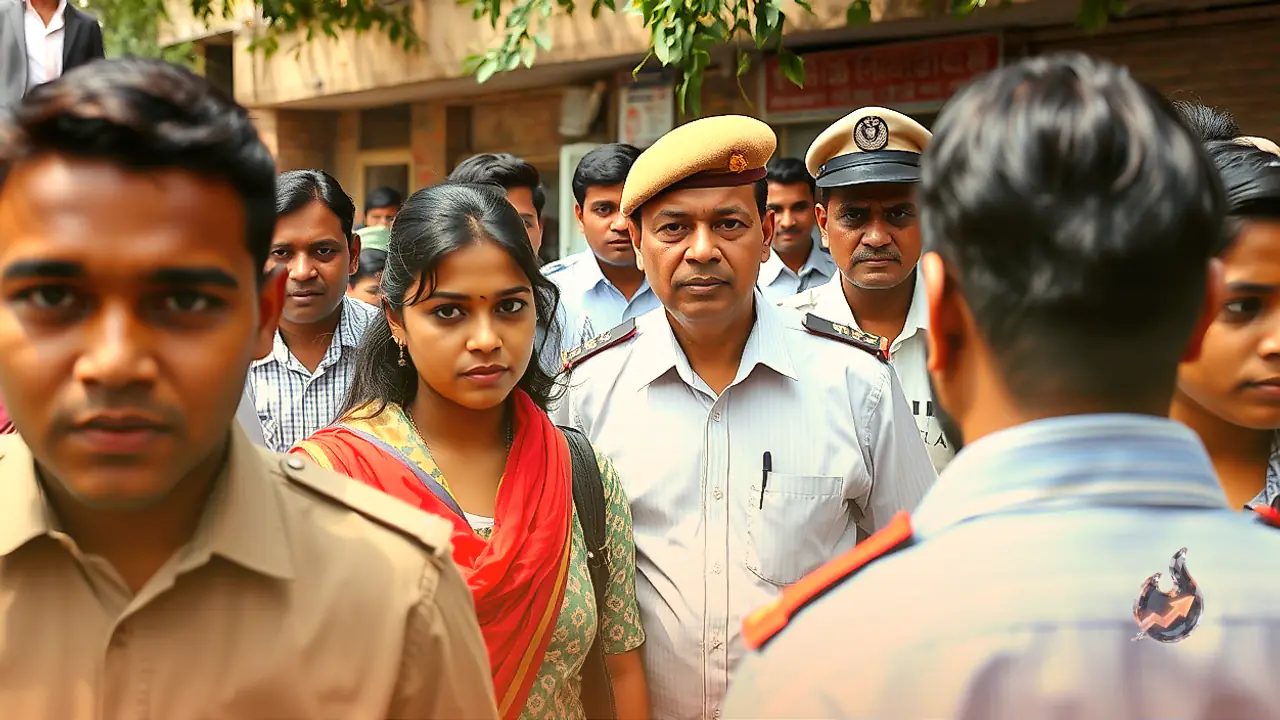
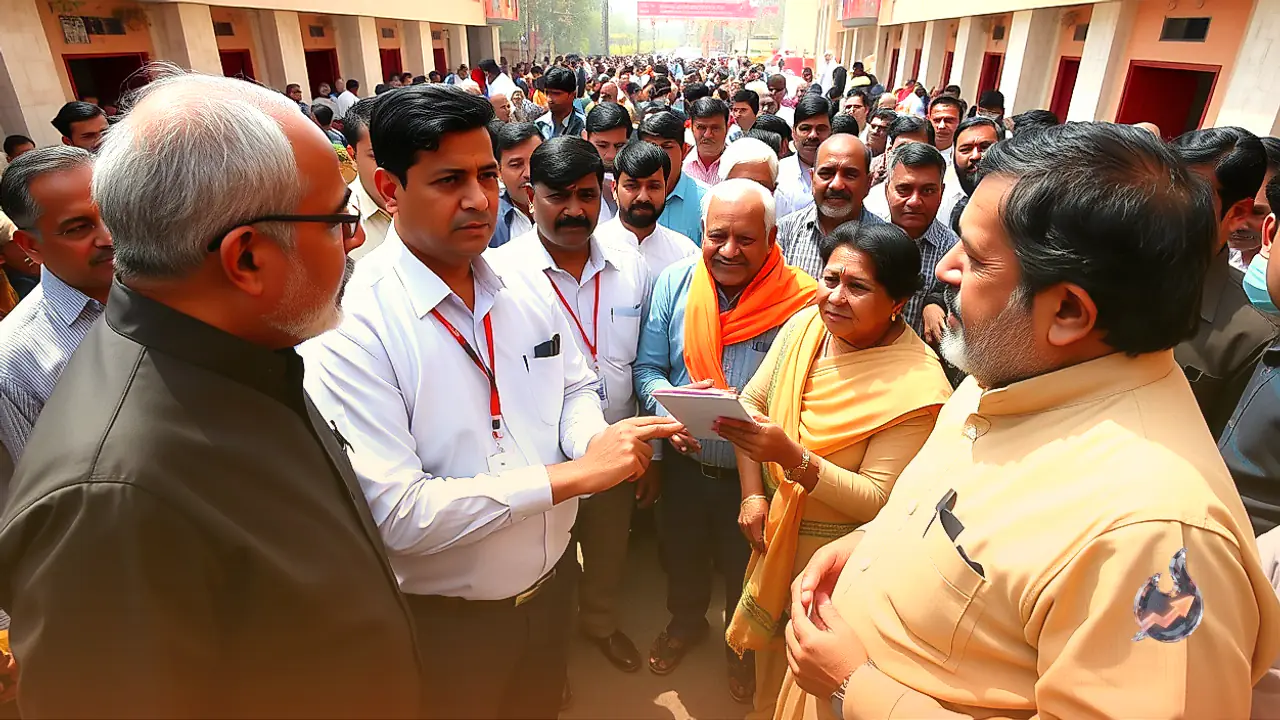



















Chief Justice of India Surya Kant has stated that a reasoned reply was provided explaining the decision to decline an appointment sought by Leader of Opposition in the Lok Sabha Rahul Gandhi. The Chief Justice reiterated that the apex court remains fully accessible to every citizen and functions as an institution dedicated to serving the common public.
Supreme Court Remains an Institution for the Public
Emphasizing the accessibility of the judiciary, Chief Justice Surya Kant highlighted that the Supreme Court belongs to the people and is open to all. The primary role of the institution is to uphold justice through established rules that apply uniformly to every person who seeks legal redress.
These developments unfolded amid an escalating political dispute regarding alleged discrepancies in electoral rolls and the conduct of the Special Intensive Revision exercise. Seeking to present a formal memorandum highlighting their objections, Rahul Gandhi alongside fellow opposition figures requested an audience with the Chief Justice. The request was turned down with the explanation that the underlying grievances either already sit before the court or must be introduced through standard judicial channels. The political leaders were advised to file a proper petition before the Supreme Court rather than attempting to resolve such concerns through an administrative meeting.
Opposition Protests and the Election Commission Stance
The opposition parties have pressed for an immediate end to alleged voter list manipulation, a complete suspension of the Special Intensive Revision, and the resignation of Chief Election Commissioner Gyanesh Kumar. Backing these demands, the INDIA bloc organized a march heading toward the Supreme Court.
The call for demonstrations coincided with protests led by the Cockroach Janta Party, a youth-oriented movement that has been challenging the Election Commission over alleged flaws in the voter list revision drive. These protests prompted the deployment of heightened security across Delhi, where police placed barricades at multiple checkpoints and detained demonstrators. Rahul Gandhi alleged that law enforcement personnel used force against protesters and claimed that members associated with the ruling political fold engaged in violence during the demonstrations.
The Election Commission has firmly rejected allegations of political bias. The poll body maintained that its procedures remain impartial, reminding citizens that any individual whose name was mistakenly omitted retains the right to submit an application for re-enrollment. The Bharatiya Janata Party similarly dismissed the claims made by the opposition, contending that political rivals are trying to cast doubt upon lawful and regular electoral administration.
Legal Protocol and Arguments on Procedural Propriety
The decision to seek an administrative meeting with the Chief Justice and conduct a protest march toward the judicial complex also drew critical responses from senior legal figures. Former Solicitor General Harish Salve voiced strong reservations regarding the strategy adopted by the political leadership. He questioned why experienced public figures and advocates bypassed formal court procedures to demand an administrative appointment.
Salve pointed out that the Chief Justice does not personally adjudicate every matter brought to attention in an informal capacity. Cases are allocated to designated benches, which subsequently examine the facts and issue formal judicial rulings. He argued that whenever political entities desire judicial remedies, they must adhere strictly to established legal protocols rather than attempting to present political grievances directly to the head of the judiciary.