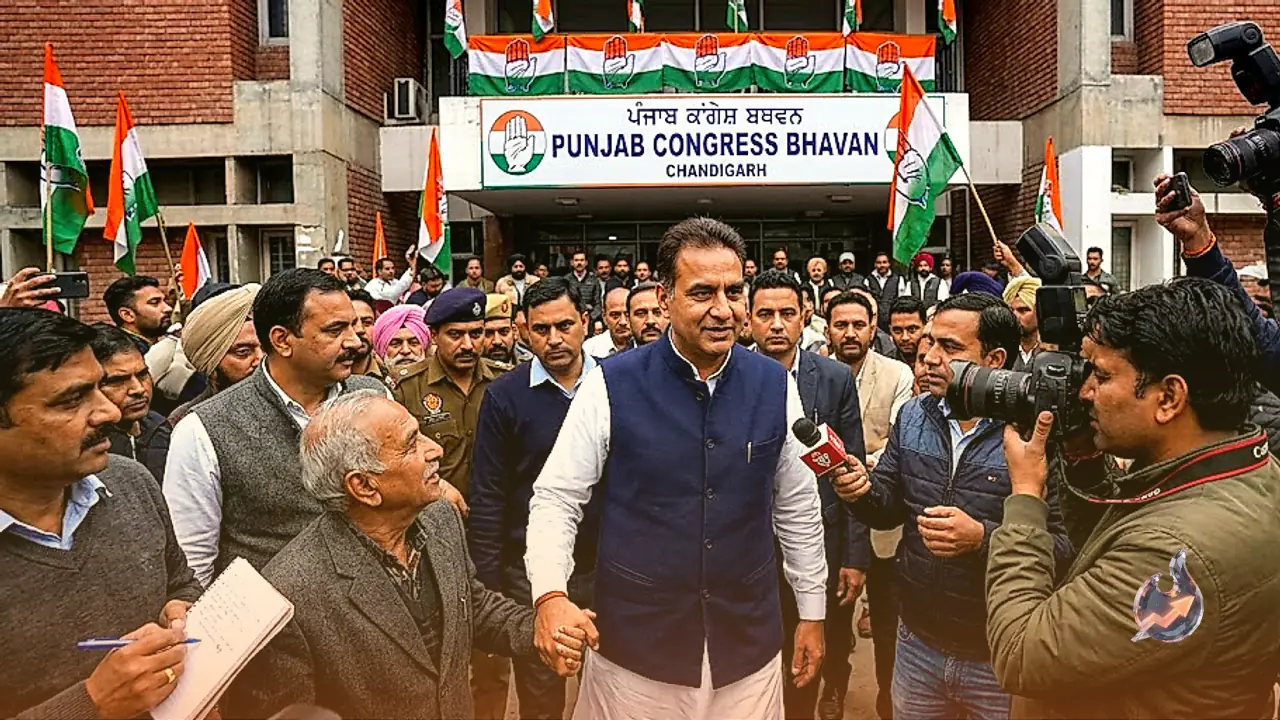















A sophisticated financial manipulation scheme exploiting election laws has come under intense scrutiny in Gujarat, where registered paper political parties were utilised as conduits for large-scale income tax evasion. Operating without legitimate organizational cadres or electoral ambitions, these entities fielded token candidates simply to maintain their formal status. Their core operation consisted of accepting massive financial donations via cheques, deducting a fixed operational cut, and funneling the remaining capital back to donors in cash. These entities operated out of modest single-room or two-room premises despite recording transactions running into hundreds of crores.
The Mechanics of Systematic Tax Evasion
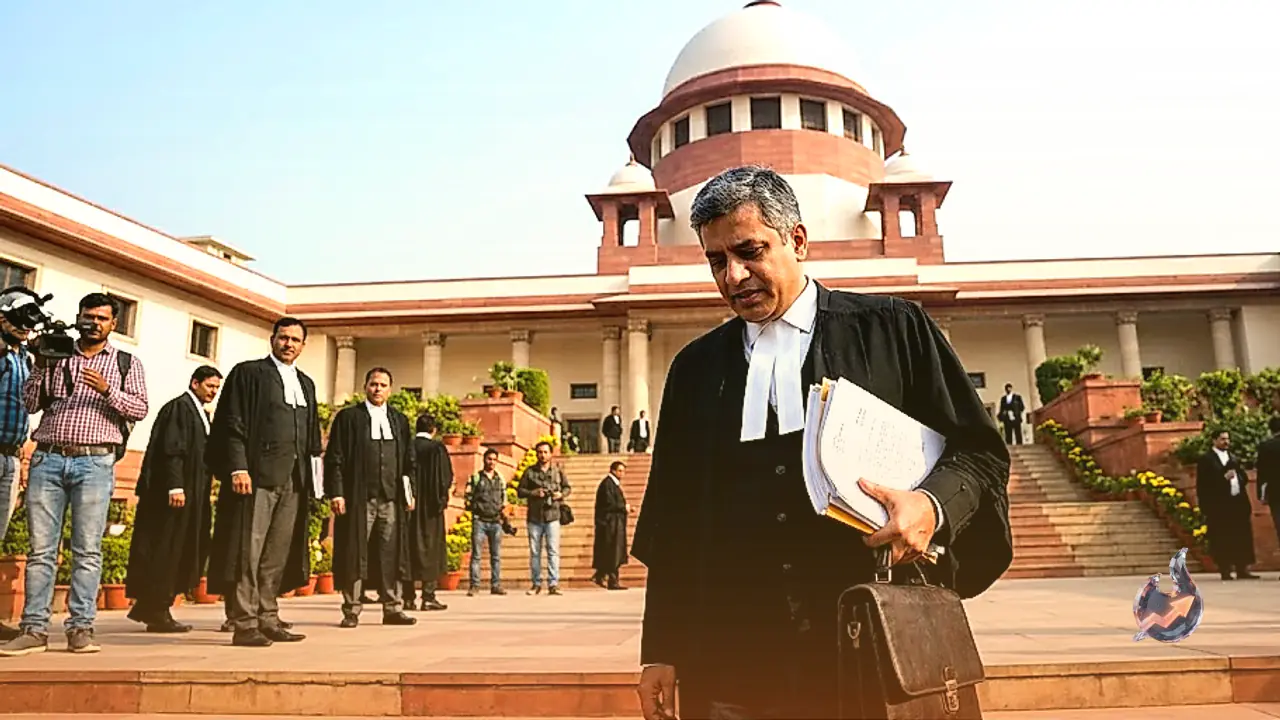
Under existing tax statutes, financial contributions made to registered political outfits are eligible for substantial tax exemptions. Organizers of these shell parties capitalized on this specific loophole to engineer a lucrative parallel cash pipeline. Individual entities recorded donations ranging from two hundred and fifty crore rupees to over a thousand crore rupees, while possessing neither political visibility nor authentic public support. The Ahmedabad Crime Branch has registered multiple First Information Reports to track down the proprietors and facilitators orchestrating the network.
Among the primary entities investigated, the Bharatiya National Janata Dal engaged in this systematic misconduct across a ten-year span. Ahead of the 2019 and 2024 general elections, the party secured 1143 crore rupees in donations from 56000 individuals. Operating from a modest two-room residential flat, the facilitators shuttered the premises and absconded once investigative scrutiny intensified. Following a four-year inquiry by the Income Tax Department, 4 distinct FIRs were formally registered against the operators.
The Complex Web of Shell Entities and Distributed Cheques
Further investigations revealed similar patterns at the Swatantra Abhivyakti Party, which amassed 519 crore rupees in recorded contributions. Searches conducted by tax authorities at the premises of chartered accountant Mukesh Khatri yielded compromising documentation linking multiple political outfits to these funding transactions. Legal proceedings were initiated against party president Surendra Tiwari and two associated individuals, all of whom remain untraceable. Another organization, the Garib Kalyan Party, collected 206 crore rupees over a three-year timeframe before its operational premises were found locked and abandoned.
Law enforcement officials indicated that the financial infrastructure was intentionally fragmented to avoid detection by surveillance mechanisms. Rather than accepting solitary high-value deposits, operators gathered thousands of smaller cheque payments spread across vast rosters of individuals. The incoming capital was routed through dozens of shell corporations, from which cash was withdrawn under fabricated commercial expenditures. After deducting a commission fee, the net cash sums were returned to the original donors. This extensive layering across thousands of bank accounts and corporate entities created an intricate money trail that complicated tracking efforts.
Political Allegations and Investigative Findings
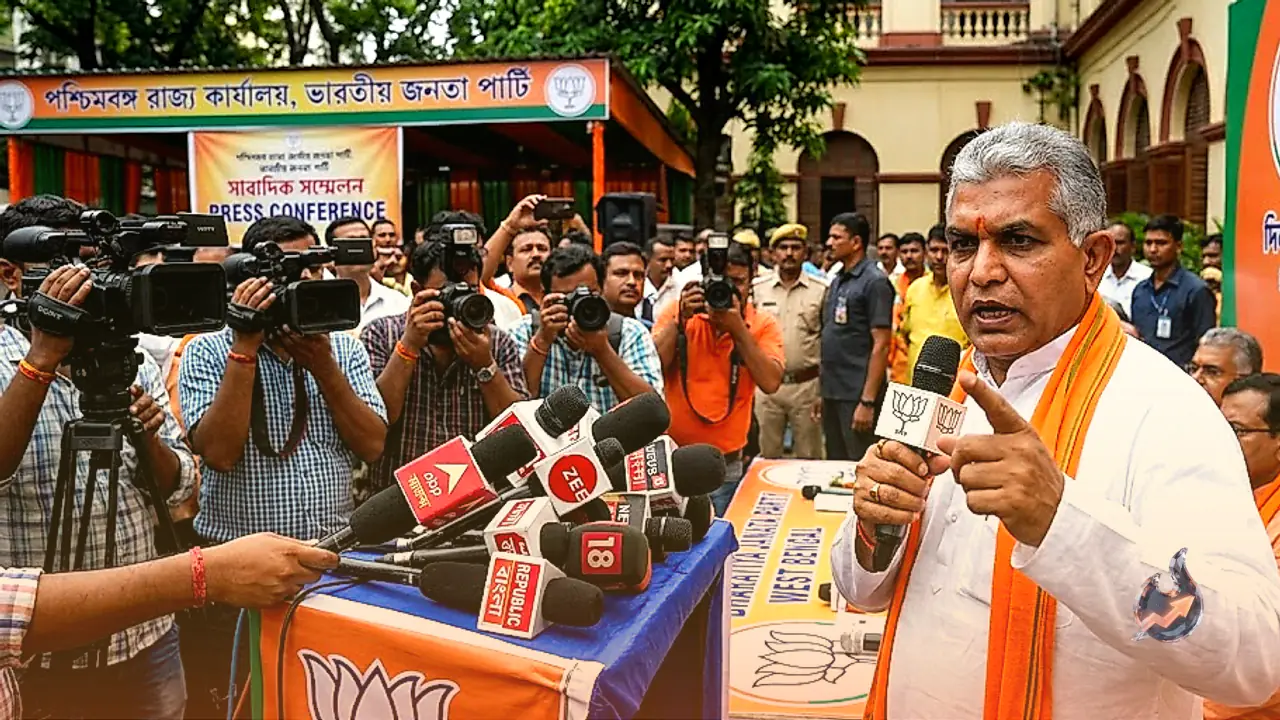
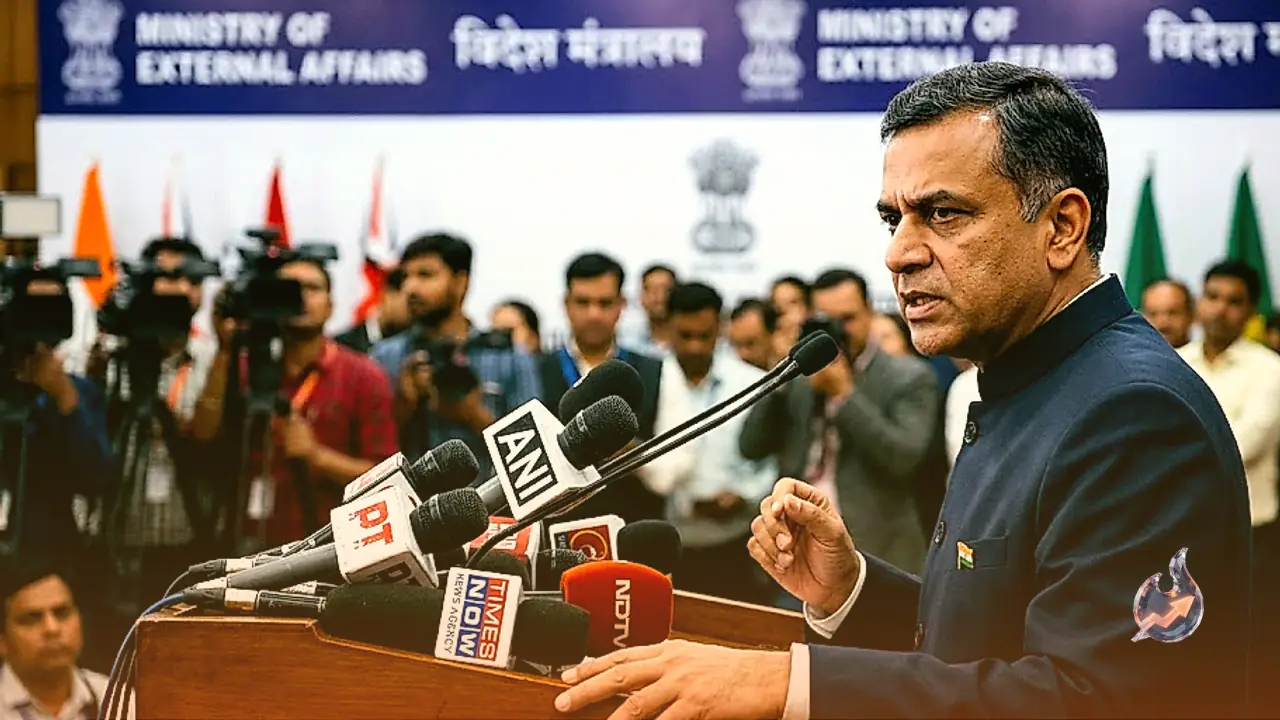
Initial disclosures regarding the paper entities and tax evasion scheme prompted political adversaries to allege administrative complicity and political linkages within Gujarat. International coverage intensified these assumptions, suggesting covert patronage behind the corporate network. However, official investigations initiated by the state government and detailed financial analyses conducted by the Criminal Investigation Department refuted these claims.
Scrutiny of financial records and corporate filings established that the operation was completely devoid of institutional political connections. The apparatus operated purely as an illicit commercial venture utilizing fabricated entities, forged instruments, and non-genuine donations to facilitate unlawful tax reduction. Those who leveled premature political accusations have found their narratives dismantled by the forensic paper trail.
Social Media Incitement and Road Widening in Ujjain
In Madhya Pradesh, law enforcement intervened in Ujjain following deliberate attempts to incite public disorder through digital misinformation. Fabricated videos generated using artificial intelligence tools were distributed across online platforms from handles associated with Imran Khan and Sajid Khan. Sajid Khan, a resident of Mochiwada, published a video reel alleging that the Shahi Mosque was slated for imminent demolition with earthmoving machinery already staged, urging the public to gather at the site.
Imran, also from Mochiwada, uploaded subsequent footage depicting heavy machinery and excavators, claiming they were deployed to level the religious structure. Additional social media personalities, including Gulrez Khan, Billu Pathan, and Arif Pathan, circulated provocative commentaries drawing parallels between the Shahi Jama Mosque and the historic Babri Mosque controversy. These recordings were disseminated across more than 100 accounts on Instagram and Facebook, drawing an agitated crowd. Police registered 8 FIRs and apprehended 20 individuals, including Billu Pathan, Gulrez Khan, Arif, Sajid, and Imran.
Administrative Facts on Civic Infrastructure Works
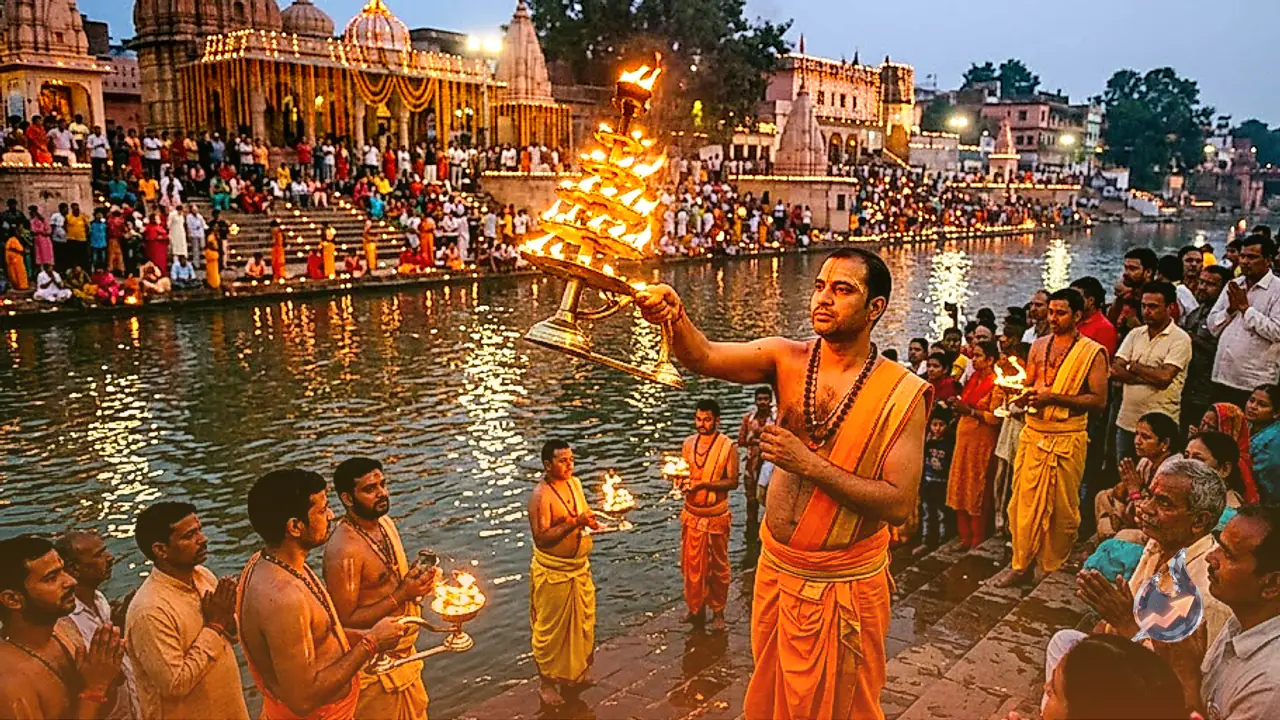
Ujjain District Magistrate Roshan Kumar Singh confirmed that public order remains fully restored as citizens recognized the falsity of the online rumors. Civic authorities are widening thoroughfares to accommodate logistical requirements for the forthcoming Simhastha Kumbh gathering, which necessitated structural modifications to private properties and designated segments of 30 religious structures. The District Magistrate emphasized that more than 20 temples are among these affected sites, dismissing notions of selective administrative enforcement.
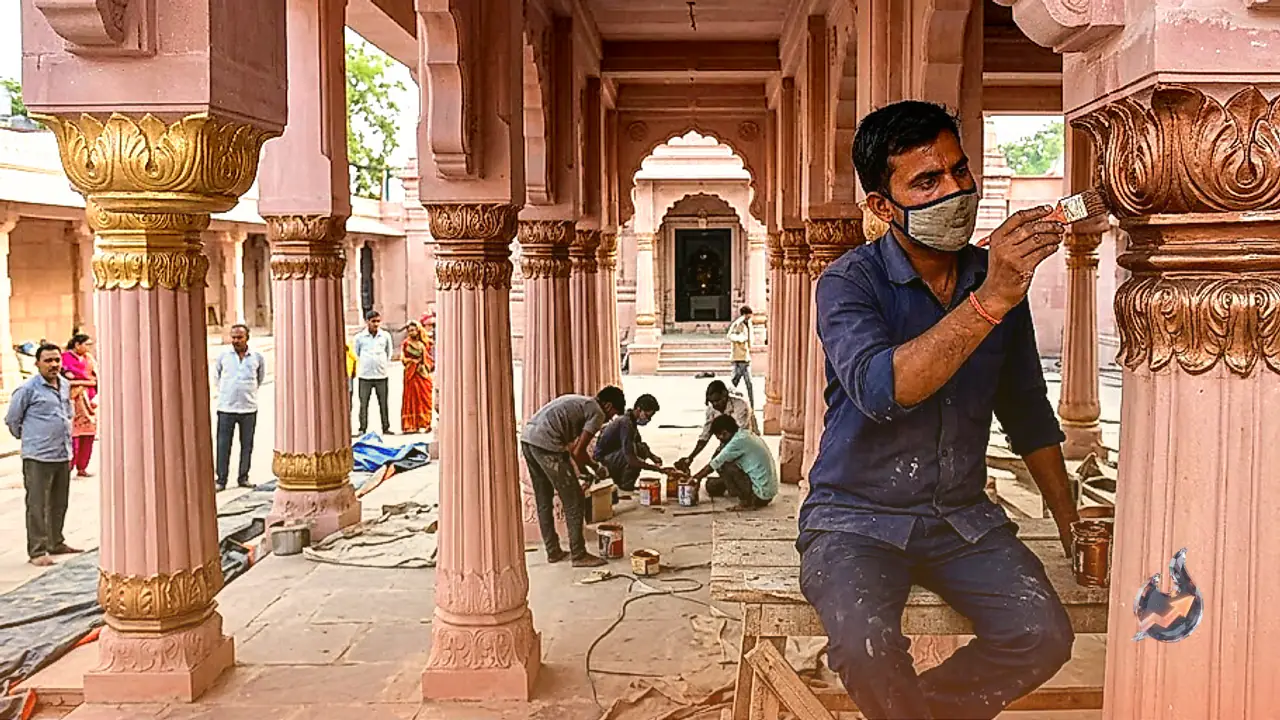
Structures undergoing modification include the 250-year-old Chintaharan Ganesh Temple and the 150-year-old Sankat Mochan Hanuman Temple. Devotees voluntarily relocated sacred deities and dismantled encroaching structural portions to clear the traditional procession route for monastic orders during the Kumbh festival. Portions of the 100-year-old Radha Krishna Pranami Temple were reduced by ten feet, and the 80-year-old Maa Singh Bhavani Temple on Kotwali Road had twelve feet removed, with several shrines undergoing formal relocation without civic protest. The affected portion of the Shahi Mosque was similarly dismantled by mosque committee representatives following administrative consultations, exposing attempts by external actors to manufacture unrest.
Discourse Over Religious Heritage and Political Rhetoric
Political discussions also centered on theological interpretations across regional lines following remarks by Telangana Chief Minister Revanth Reddy. The Chief Minister contended that Prime Minister Narendra Modi invokes Lord Ram rather than Lord Shiva, asserting that southern communities revere Lord Shiva as a deity of the common people, whereas northern populations worship Lord Ram as an elite patron.
Uttar Pradesh Chief Minister Yogi Adityanath countered these assertions during an address commemorating Mahant Digvijaynath in Gorakhpur. He stated that attempting to divide Sanatan traditions along geographic, caste, or economic boundaries undermines social cohesion. Traditional philosophical frameworks consider Lord Ram and Lord Shiva mutually revered, while the Prime Minister represents the constituency of Kashi Vishwanath where invocations of Lord Shiva are deeply woven into public and spiritual life.