

















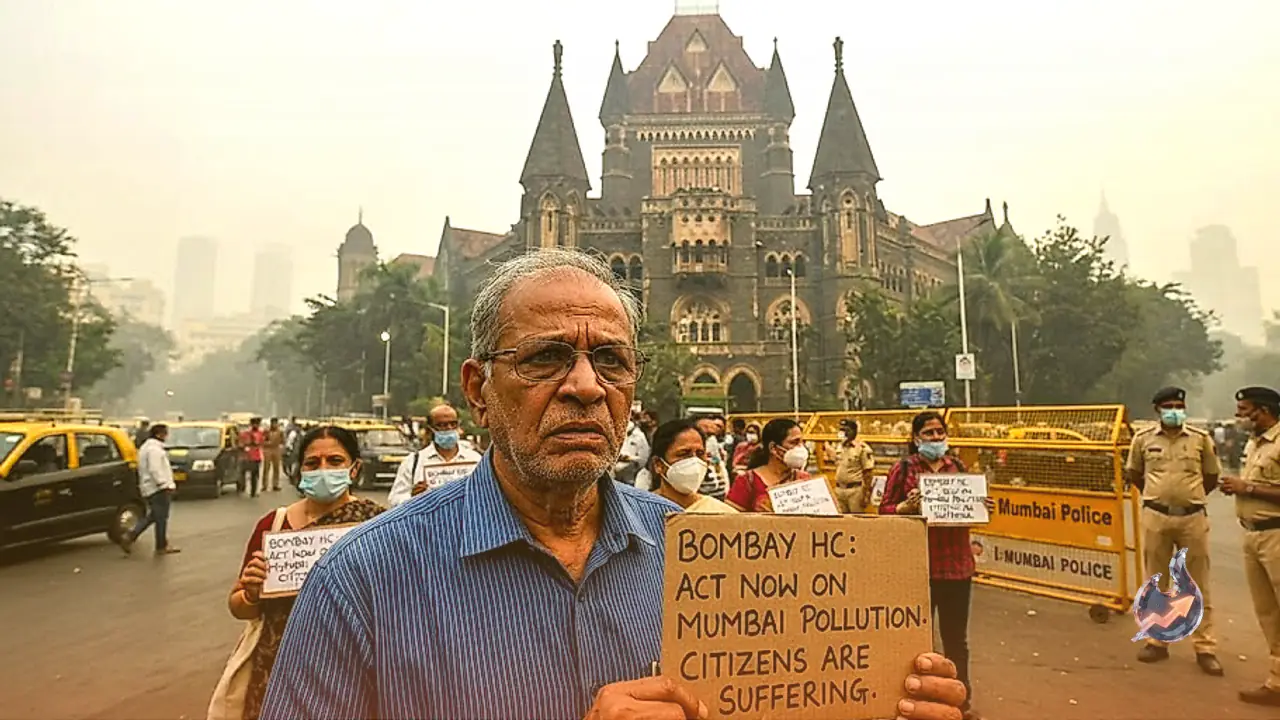

The Bombay High Court has taken a stern view of the escalating air and noise pollution levels in Mumbai, the country's financial capital. Expressing deep shock over the deteriorating air quality, the court questioned how officials tasked with controlling pollution could sleep peacefully while millions of residents struggle with hazardous conditions. The bench strongly reprimanded the Brihanmumbai Municipal Corporation, the Maharashtra Pollution Control Board, and the Mumbai Police for their failure to effectively implement pollution control measures on the ground.
Suo Motu Hearing by the High Court Bench
The matter came up before a division bench comprising Justice Girish S. Kulkarni and Justice Neela Gokhale, which took suo motu cognizance of the issue as a public interest litigation. During the proceedings, the court raised serious questions regarding alleged laxity in enforcing directives aimed at curbing noise pollution and the bursting of firecrackers on public streets. The bench underscored that merely issuing administrative rules and orders is not enough unless they are strictly executed at the ground level.
Alarm Over Falling Visibility and Haze
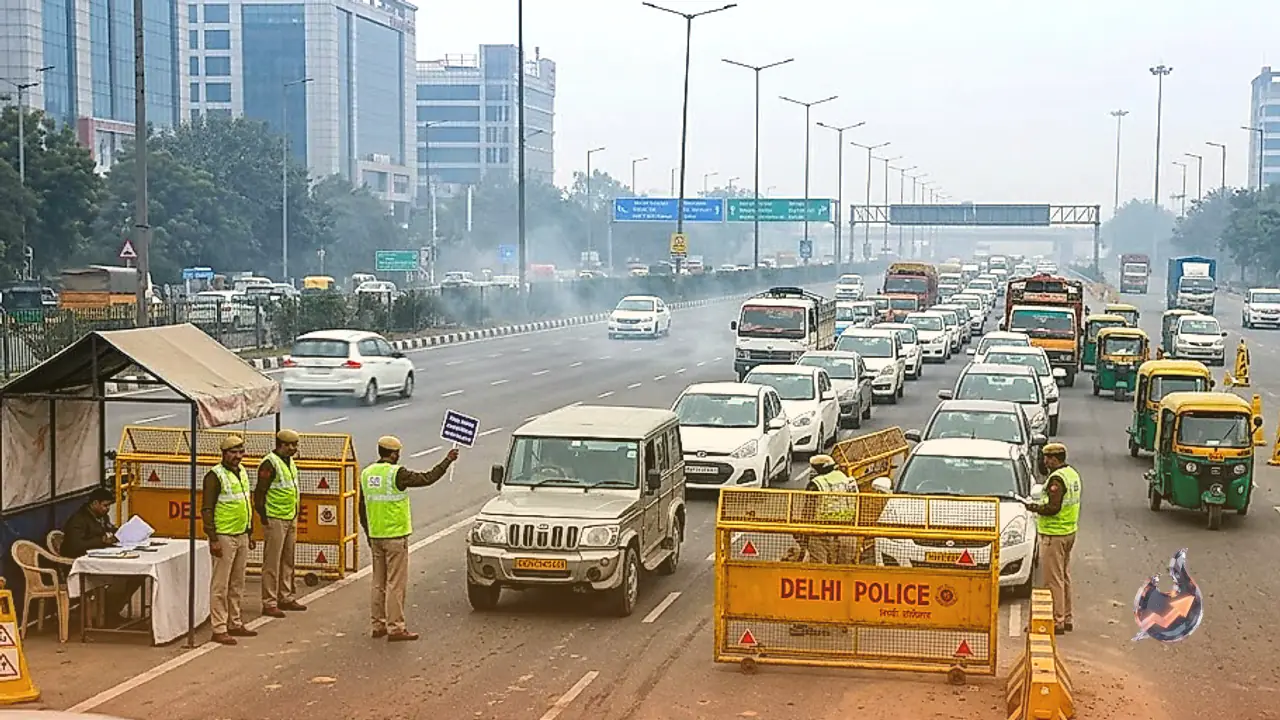
The court's concerns extended far beyond noise and firecrackers, touching upon the rising smog, thick haze, and a sharp drop in visibility. Noting that visibility had plummeted below 500 meters on Tuesday, the bench remarked that the situation is alarming and asserted that citizens should not be forced to check the Air Quality Index before stepping out of their homes. The deteriorating environment poses a direct threat to public health across the metropolis.
Scrutiny of BMC, MPCB, and Mumbai Police
The High Court's remarks come at a time when worsening pollution in major Indian cities remains a persistent challenge to public health. Questioning the proactive stance of the local administration, the bench slammed the BMC, the Maharashtra Pollution Control Board, and the Mumbai Police for failing to curb pollution during festive periods. The court noted that administrative inaction directly infringes upon the fundamental rights of ordinary citizens.
Invocation of Constitutional Articles 14 and 21
Emphasizing the gravity of the situation, the bench specifically cited Articles 14 and 21 of the Constitution of India. The court clarified that administrative negligence in controlling pollution must be viewed seriously through the lens of citizen rights. While Article 14 guarantees equality before the law and equal protection of laws, Article 21 relates to the right to life and personal liberty, which encompasses the right to a clean, safe, and healthy environment.
Strict Directives Issued to Mumbai Police Commissioner
To ensure strict compliance with its pollution control orders, the High Court directed the Mumbai Police Commissioner to hold a meeting with all police station heads across the city. The court intends to establish accountability at the local police level to ensure that regulations concerning noise pollution and bursting crackers in public spaces are rigorously enforced without exceptions.
The court has scheduled the next hearing of the matter for October 26. Furthermore, the BMC Commissioner and the chief of the Maharashtra Pollution Control Board have been ordered to remain personally present during the next hearing and submit comprehensive status reports detailing the actions taken so far to combat pollution and the future steps planned to enforce compliance.