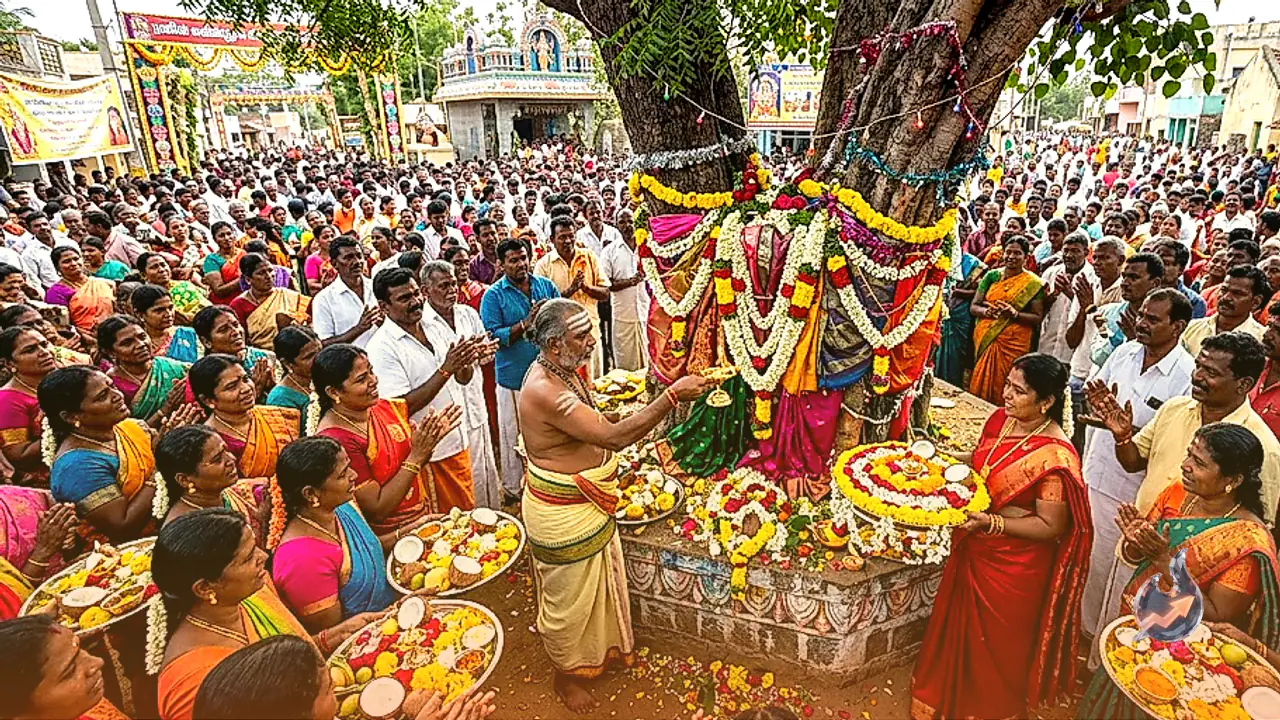
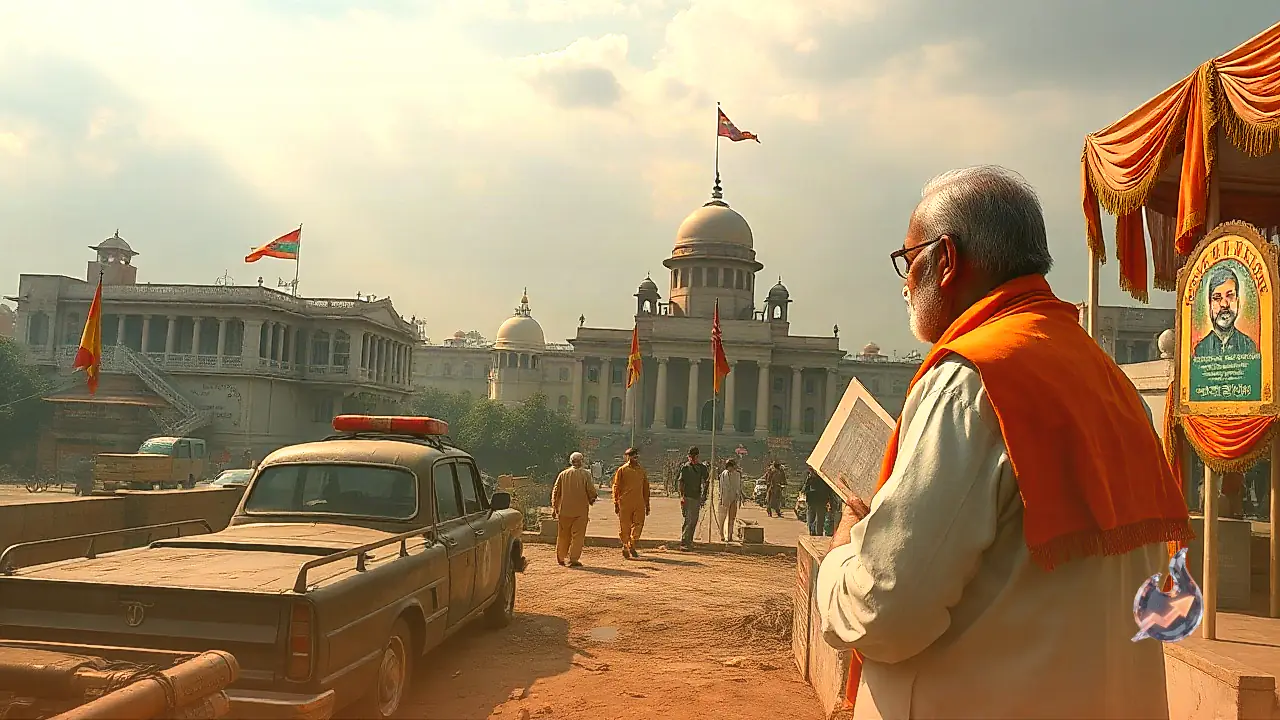
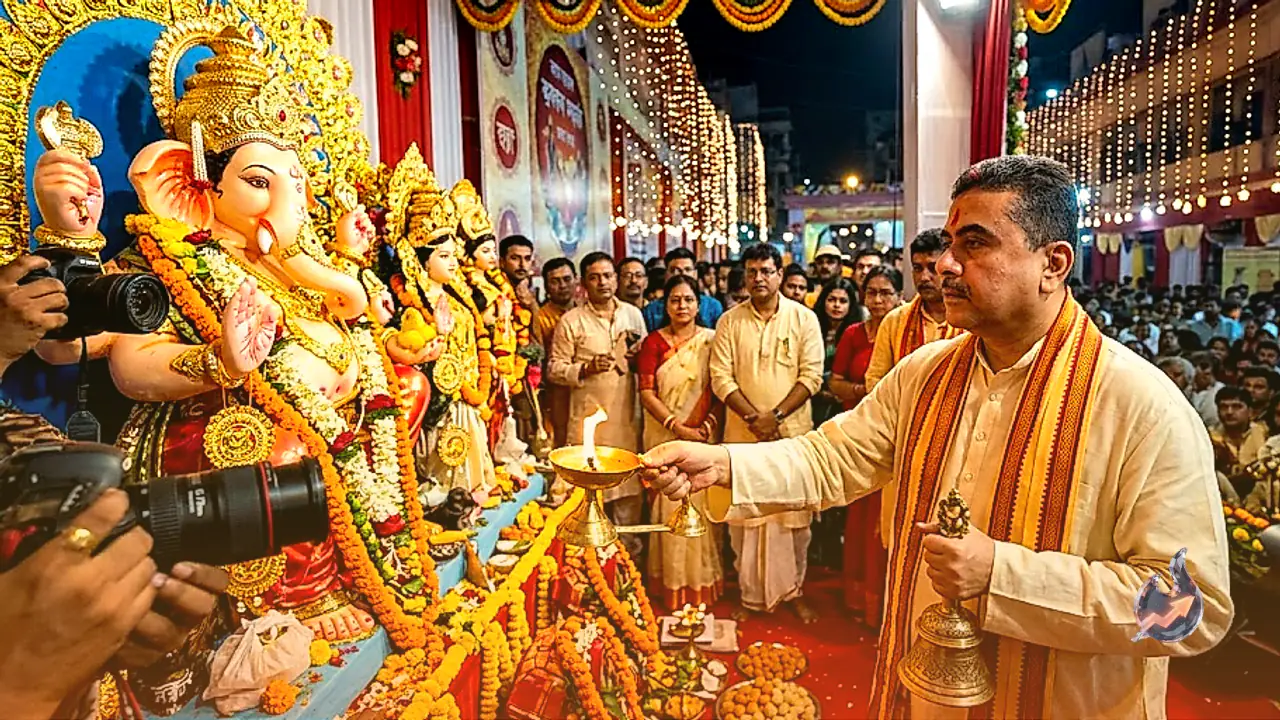














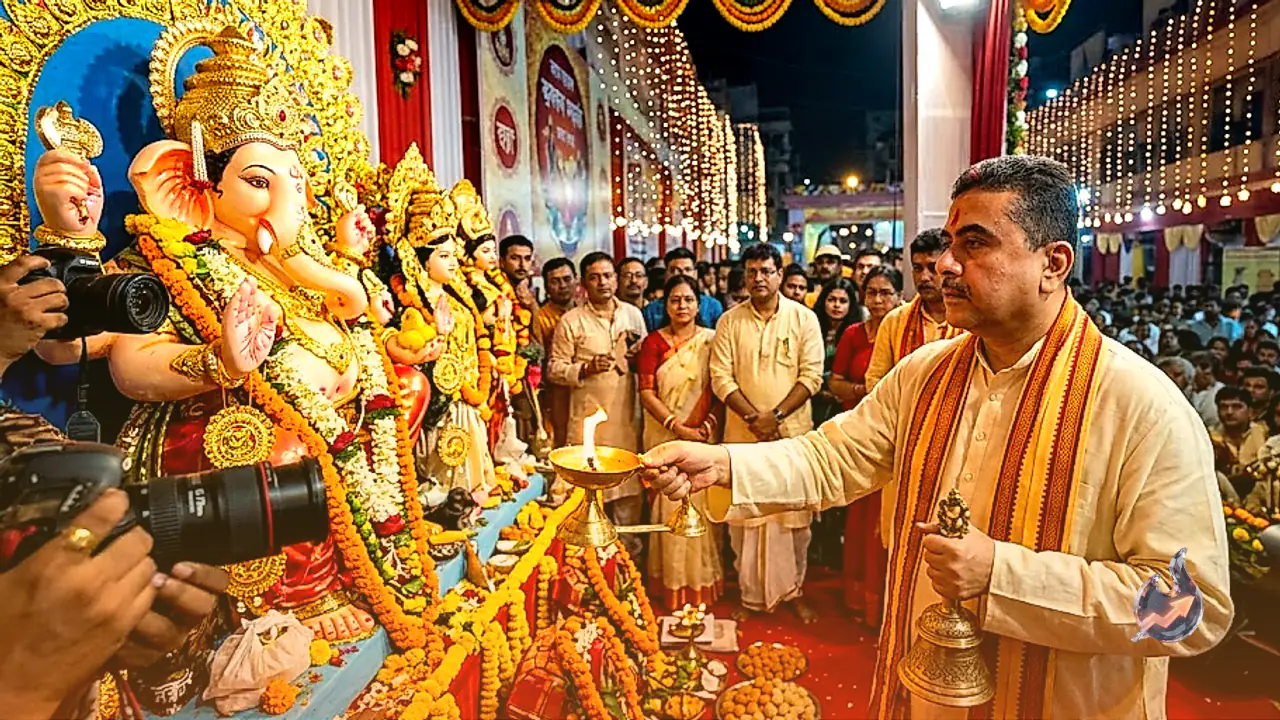

The political atmosphere in West Bengal shifted into a new gear when Chief Minister Suvendu Adhikari arrived at a major Ganesh festival in Kolkata dressed in traditional Bengali attire consisting of a dhoti, kurta, and shawl. The event immediately drew massive public attention, filling the venue with chants celebrating traditional culture and creating ripples across the state's political landscape.
A Resurgence of Ganesh Celebrations
Public enthusiasm for the festival reached levels not seen in years across the state. Observers noted that for a long time, large celebrations such as Durga Puja and other Hindu festivals were often marred by controversies and administrative curbs. Following the recent change in leadership, however, a renewed sense of freedom has emerged among the public. The governing leadership maintains that previous administrations had entangled local religious and cultural traditions within a web of political appeasement, a trend they aim to reverse.
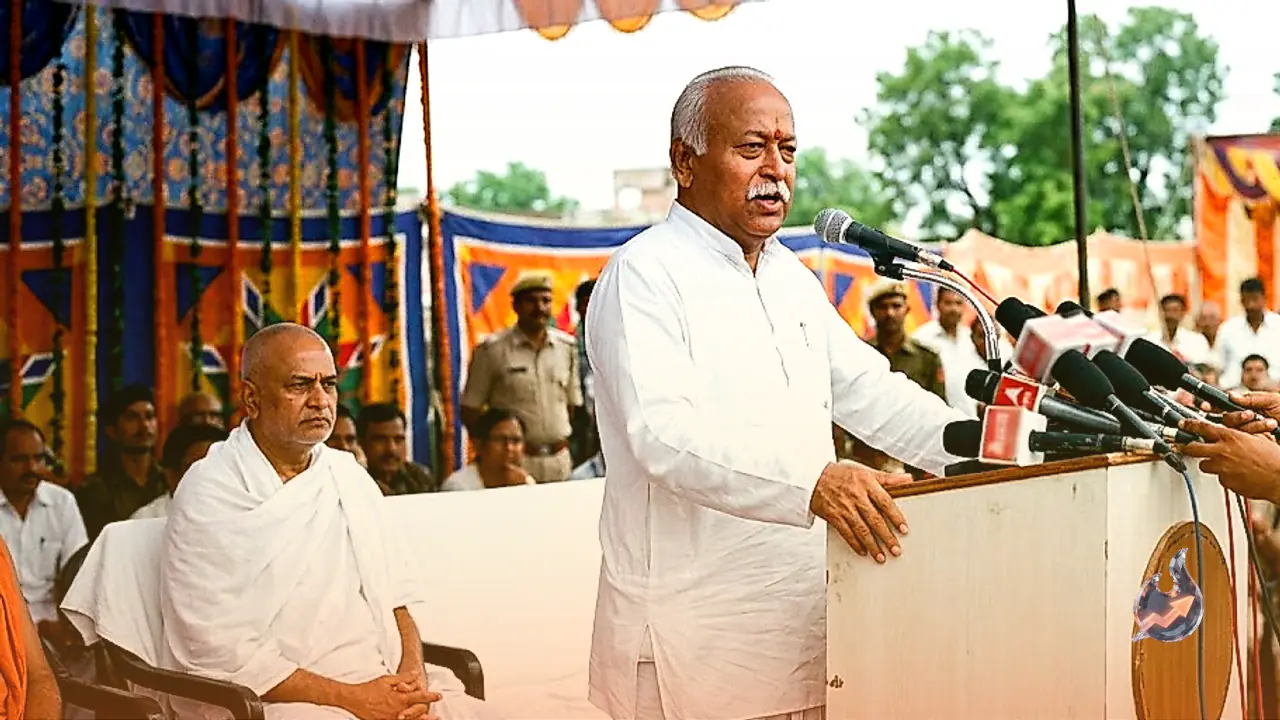
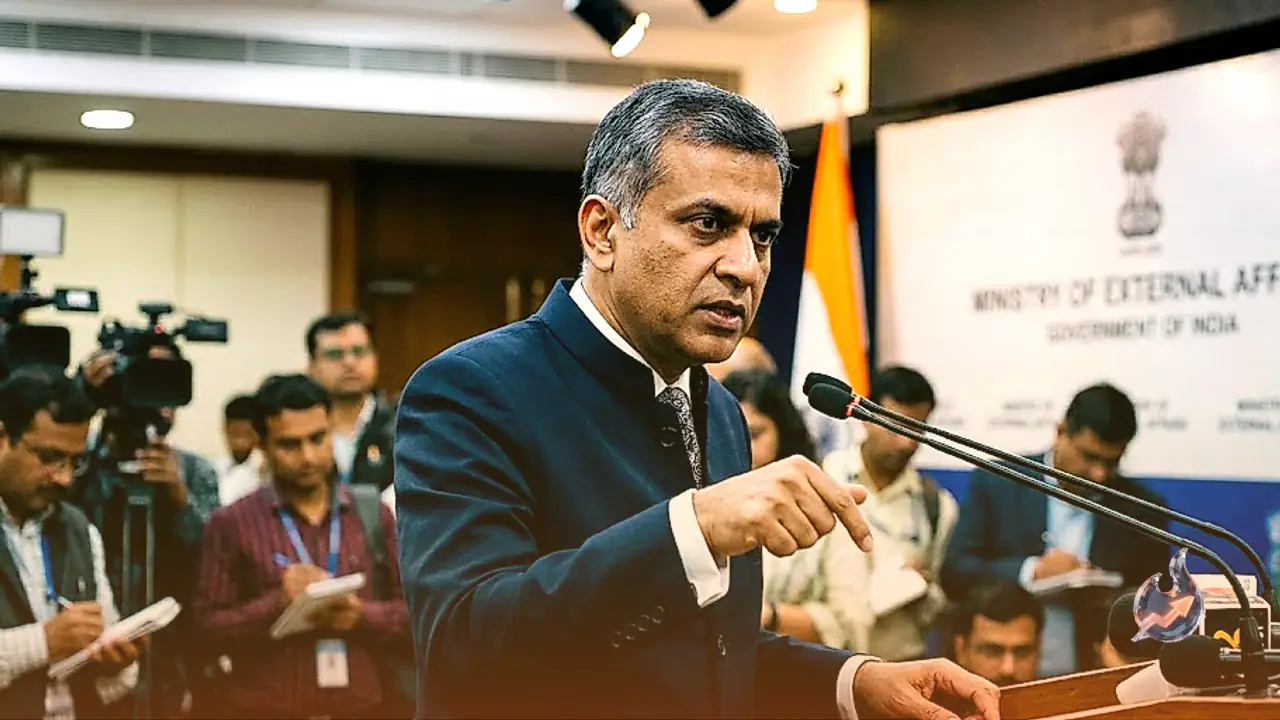
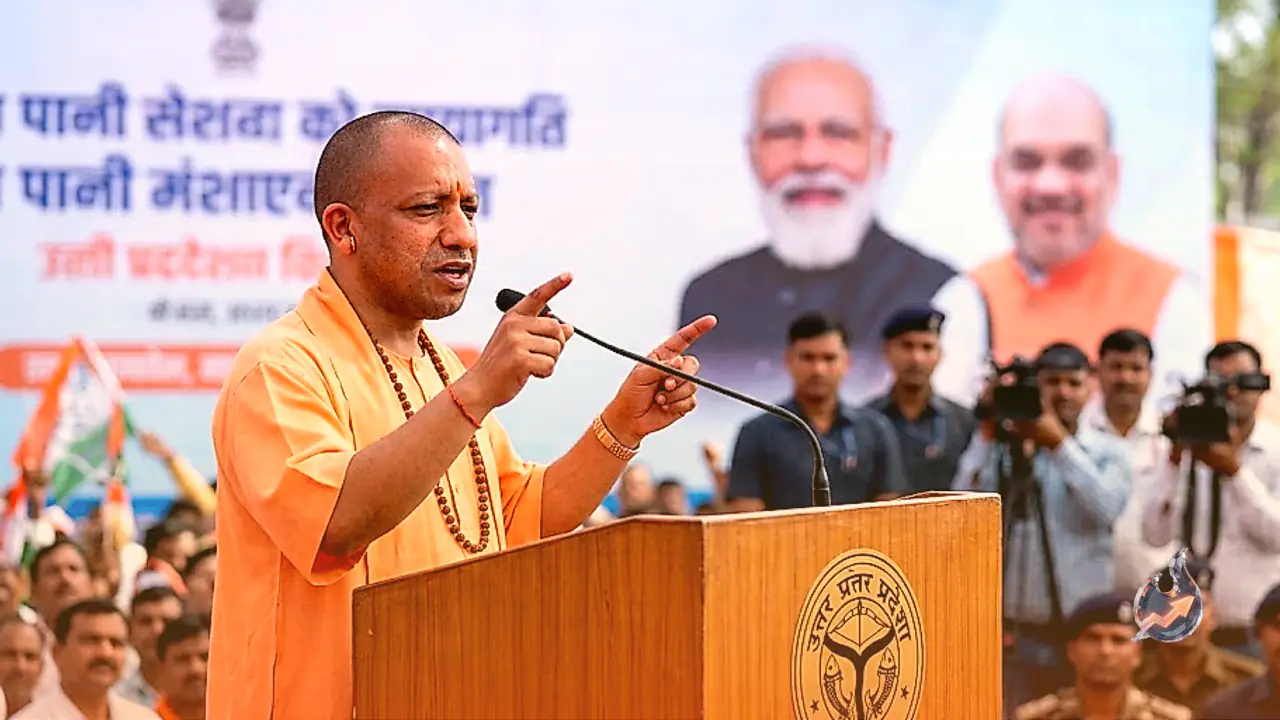
Addressing the gathering from the podium, the Chief Minister highlighted past restrictions and administrative hurdles faced during religious processions and idol immersion ceremonies over the previous fifteen years. Restrictions and time limits were frequently imposed on immersion dates due to overlapping processions, creating friction. Current leaders assert that religious rituals can now proceed freely without bureaucratic interference. Footage from the event was shared publicly via PTI News on social media.
Shifting Cultural Dynamics
Under the prior administration, public processions for festivals like Ram Navami, Hanuman Jayanti, and Ganesh Puja frequently encountered police action and legal hurdles. Observers point out that backing social and religious institutions like the Bharat Sevashram Sangha has ignited a cultural awakening. Critics of the past government argued that majority community festivals were sidelined to secure specific voting blocs, a dynamic that the current leadership is actively dismantling.
Addressing a large crowd during the celebrations, the Chief Minister emphasized that the public had moved past the fear and political maneuvering of earlier years. Looking ahead to the upcoming festivities, he remarked that the upcoming celebrations would transcend a typical holiday. He characterized the upcoming event as a testament to liberation and a major cultural renaissance for the region after years of perceived suppression.
Challenging the Outsider Narrative
Political opponents have historically attempted to brand the ruling party leadership as outsiders while portraying former leaders as the sole protectors of local heritage. By stepping out in traditional attire at prominent cultural venues, the Chief Minister directly counters this narrative. He projects an image rooted deeply in local heritage, aligning his public identity with historical luminaries and spiritual leaders such as Swami Vivekananda, Rabindranath Tagore, and Swami Pranavanand.
The Battleground for Cultural Politics
This high-profile appearance at a major cultural institution in the state capital indicates that upcoming religious and cultural events will serve as key arenas for political positioning. Rather than functioning solely as traditional observances, these gatherings are rapidly turning into major focal points for shaping the future political identity of the region.