

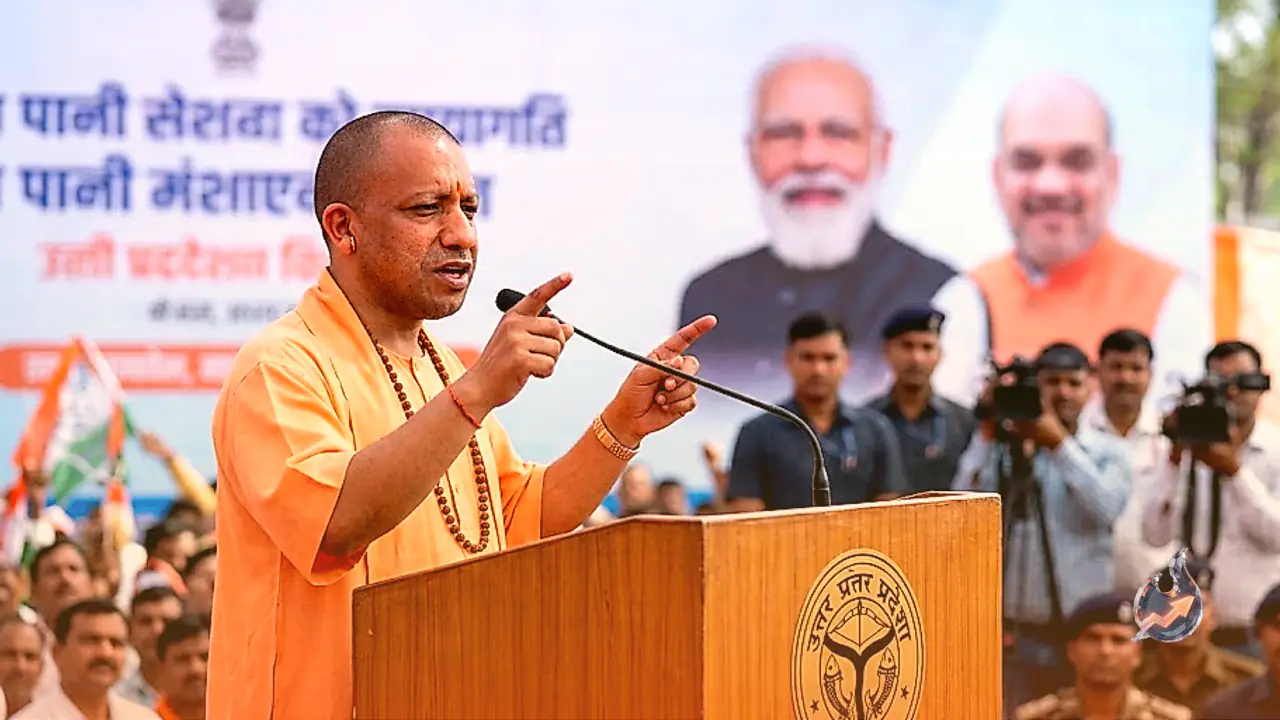

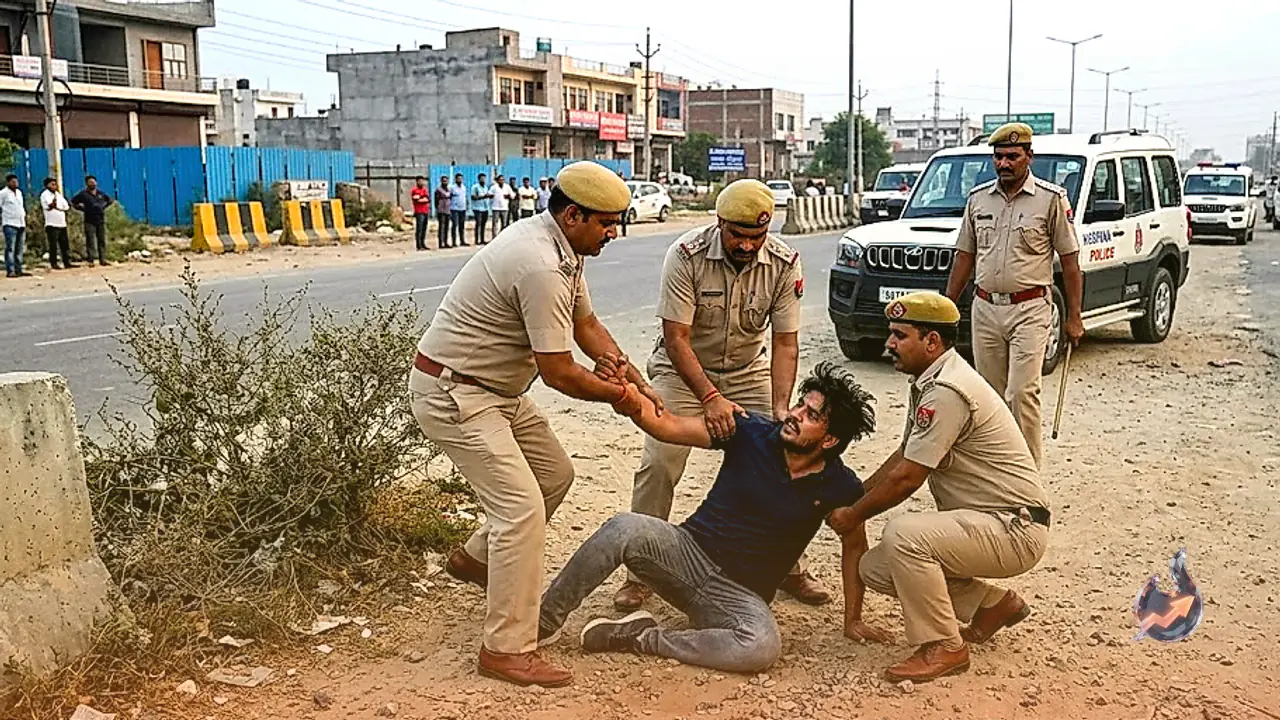

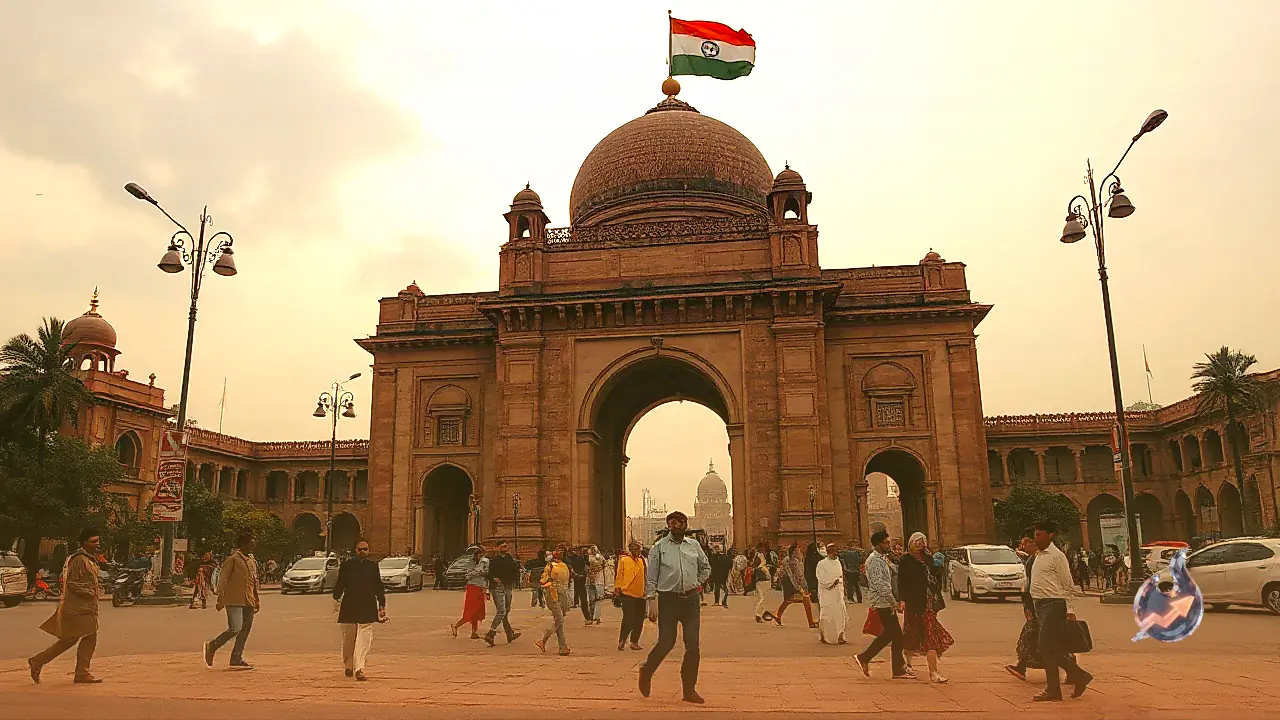














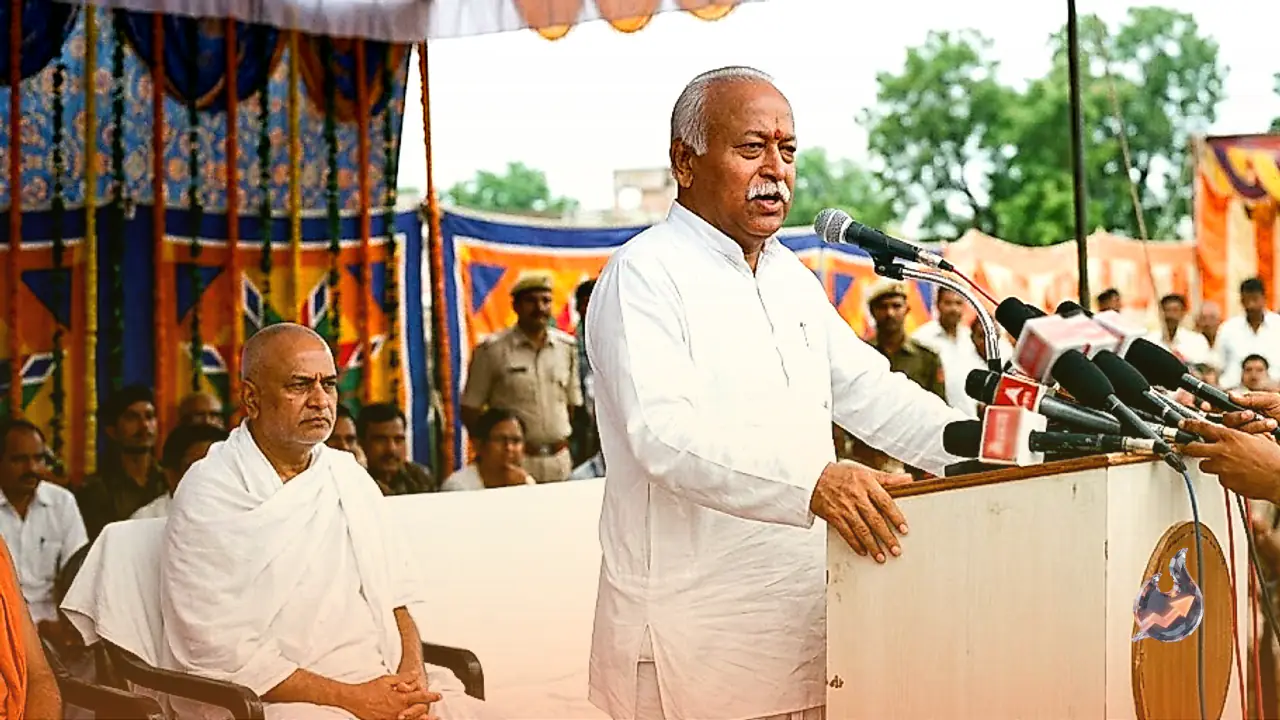

Rashtriya Swayamsevak Sangh Chief Mohan Bhagwat has addressed the ongoing nationwide discussions surrounding the proposed University Grants Commission regulations, stating clearly that the draft is merely a proposal and will not materialize into a full-fledged law. The proposed framework has triggered widespread debates and protests across Rajasthan and other parts of the country.
Meeting With Jain Saint in Bhilwara
During his visit to Bhilwara in Rajasthan on Monday, the RSS leader held a closed-door meeting with Jain Saint Acharya Pulaksagar Maharaj. The interaction lasted for approximately 40 minutes, during which both figures deliberated on the controversial UGC draft along with broader social issues, including social harmony and caste-based dynamics in contemporary society.
The topic of the contentious guidelines was specifically raised by Acharya Pulaksagar Maharaj during the discussion. In response, Mohan Bhagwat remarked that the document is only a proposal at this stage and has not received any official legislative backing, asserting that it has neither become a law nor will it ever be enacted as one.
Background of the UGC Proposal
The University Grants Commission had initially introduced these new guidelines to curb discriminatory practices within higher educational institutions. The stated objective of these rules was to eradicate bias based on caste, religion, gender, place of birth, or other markers within colleges and universities, while simultaneously strengthening the grievance redressal mechanisms available to students.
However, the release of these guidelines immediately sparked intense controversy. Several organizations raised serious objections, claiming that the provisions lacked adequate safeguards for students belonging to the general category. Critics expressed concerns that the framework could potentially be misused to file false or frivolous complaints within academic campuses.
Judicial Scrutiny and Government Stance
The ambiguity surrounding the definition of caste-based discrimination and the procedural aspects of handling grievances drew sharp criticism from various quarters. The matter eventually reached the Supreme Court, where the bench prima facie noted certain ambiguous portions in the guidelines and ordered a temporary halt on their implementation. Following this judicial intervention, the central government also indicated its willingness to review the proposed framework afresh.