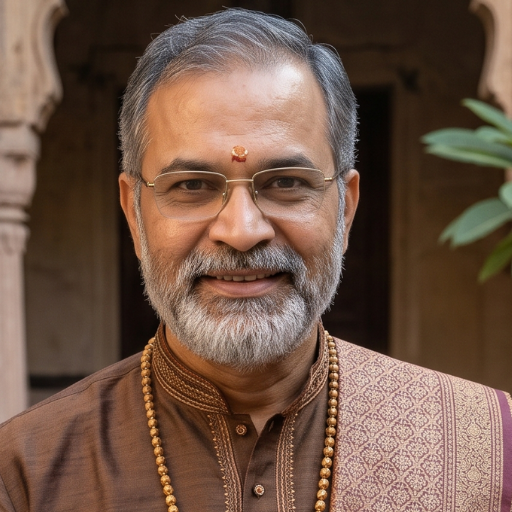























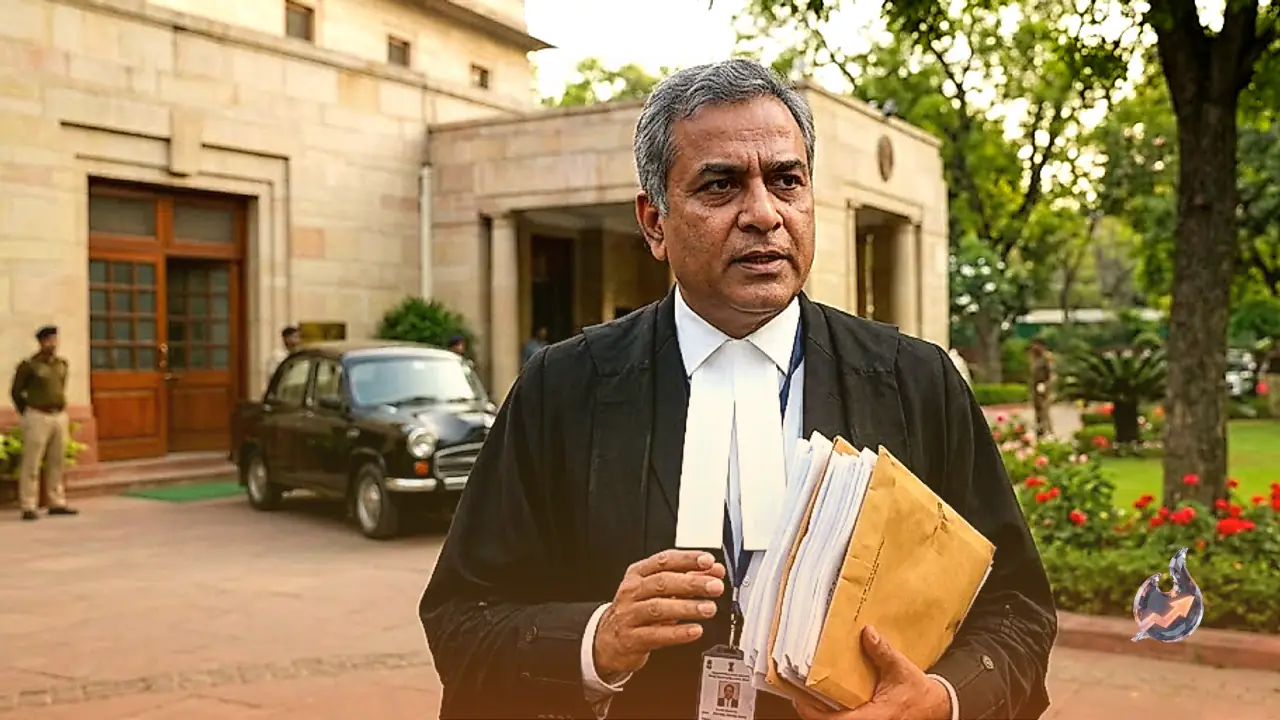

Chief Election Commissioner Gyanesh Kumar faces potential legal action as a Supreme Court lawyer has formally sought sanction from the Attorney General of India to file a criminal contempt petition against him over the alleged disregard of apex court verdicts.
Grounds of the Contempt Plea
Advocate Brajesh Singh submitted a formal letter to Attorney General R. Venkataramani on 24 September. In the communication, Singh alleged that Chief Election Commissioner Gyanesh Kumar deliberately defied Supreme Court rulings governing the operations, procedures, and functioning of the Election Commission of India. Under the statutory framework of the Contempt of Courts Act, the prior consent of the Attorney General is an essential prerequisite before an individual can initiate criminal contempt proceedings before the highest court.
Disputes Surrounding Administrative Powers and SIR
The plea emerges against the backdrop of friction over administrative handling within the poll body, particularly regarding the Special Intensive Revision (SIR) and the authority wielded by Electoral Registration Officers. Scrutiny mounted over decisions regarding field officials, highlighted by instances such as eight emails sent within seven days from Goa regarding administrative concerns that reportedly met with prolonged institutional silence. Such procedural changes have triggered intense scrutiny regarding compliance with established election jurisprudence.
Jurisprudential Precedents and Opposition Scrutiny
The current legal debate has renewed attention on the landmark T.N. Seshan versus Union of India ruling, which affirmed that the Chief Election Commissioner does not possess unbridled supremacy over fellow election commissioners. Kumar has previously faced severe political pushback as well, including an initiative where 73 opposition members in the Rajya Sabha moved a notice seeking his removal, while political parties such as the CPI-M publicly argued that he had no legitimate ground to remain in office.