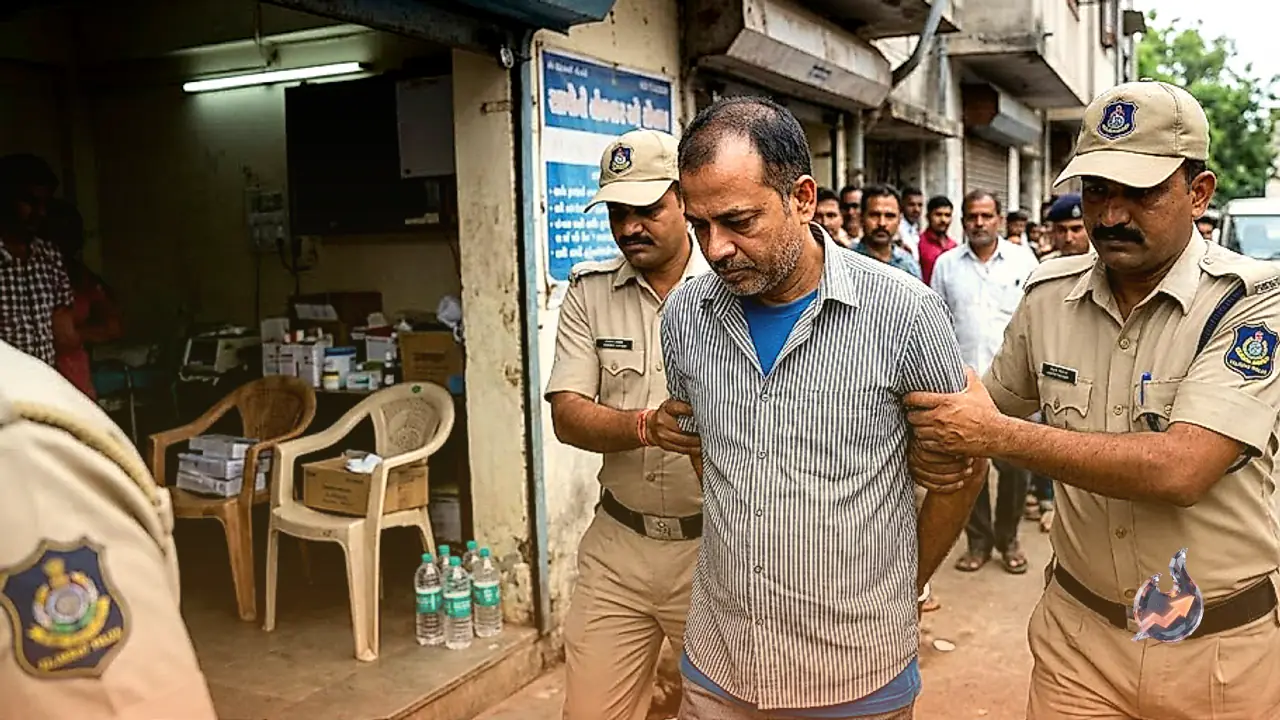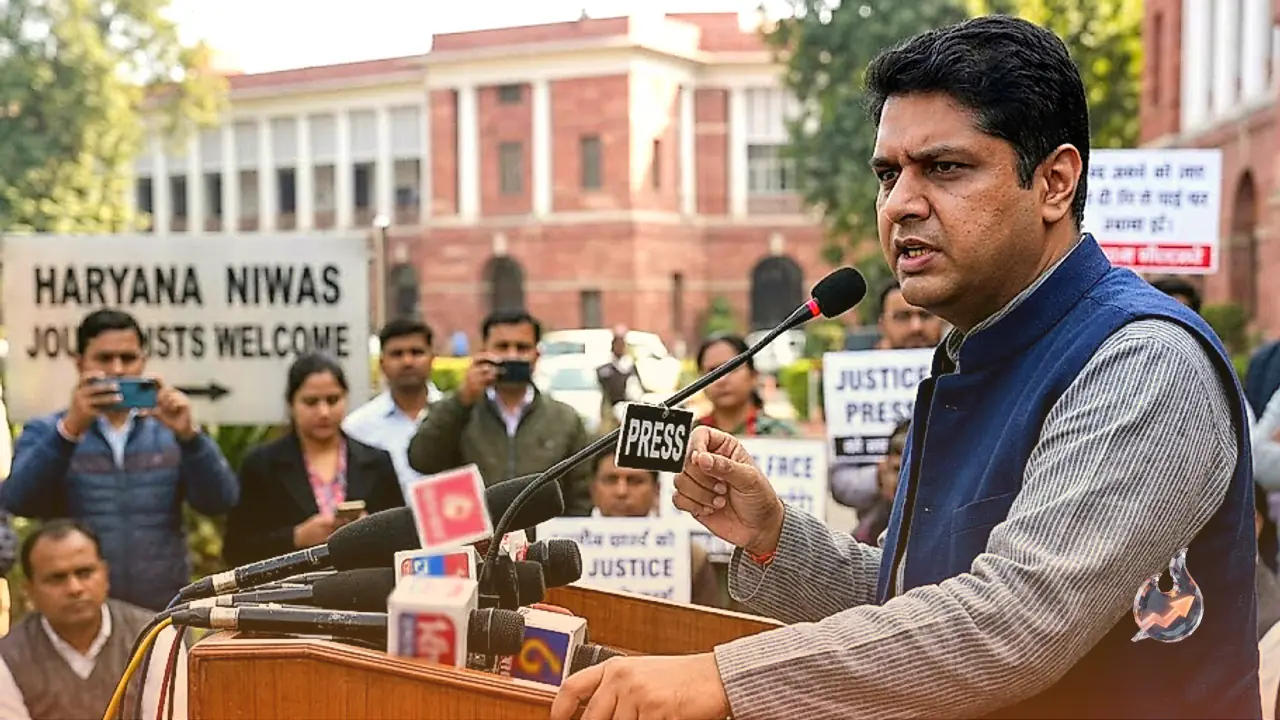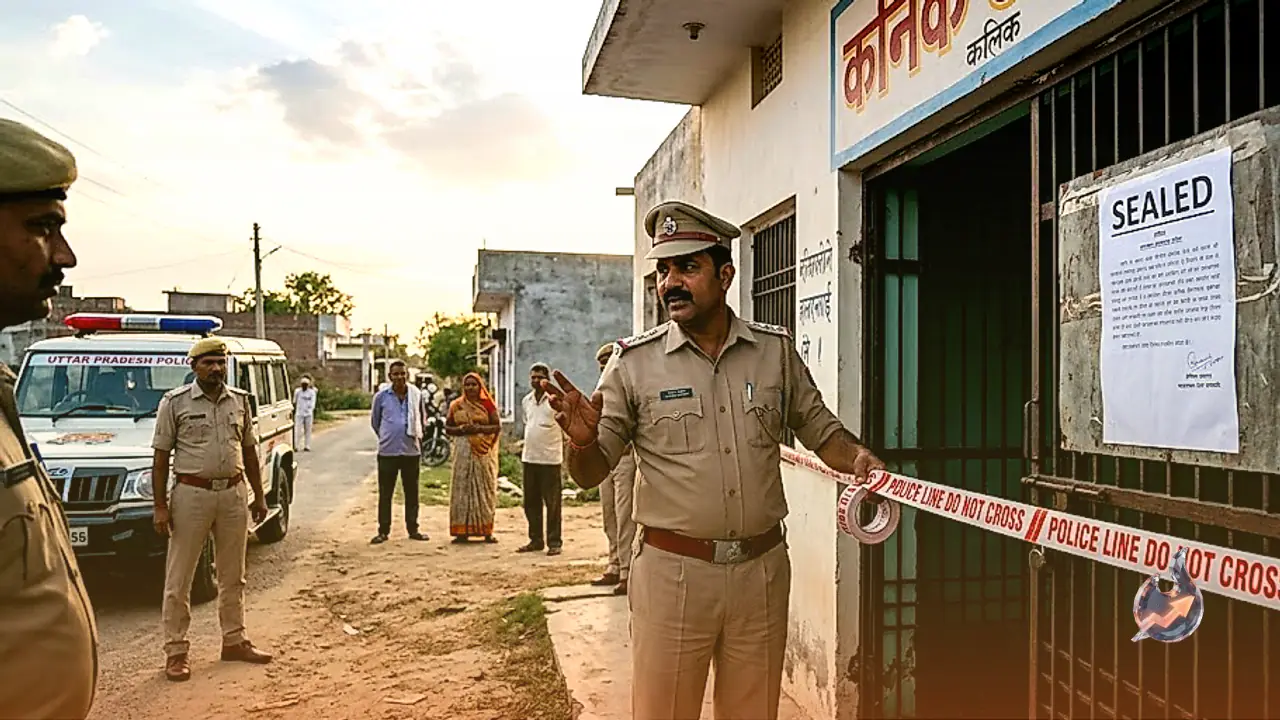




















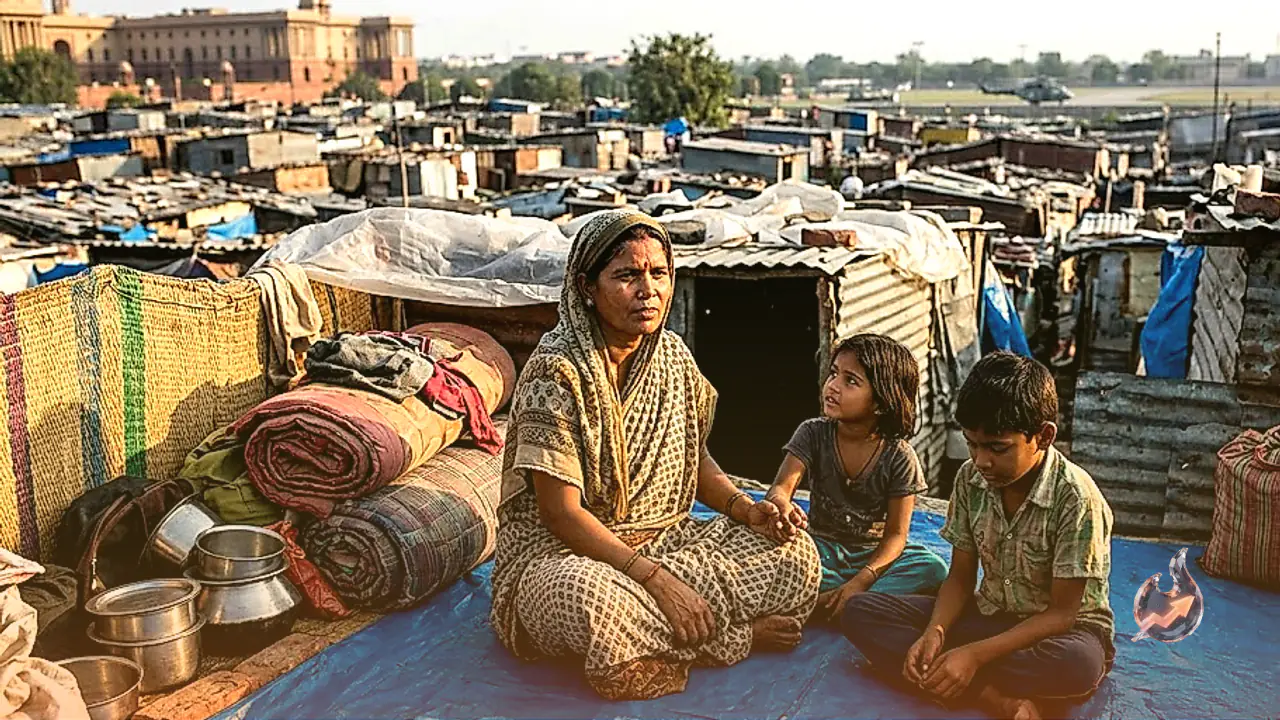

In a major legal and administrative ruling focused on national security and high-security VIP zone safety, the Delhi High Court has mandated a 6-week final deadline to clear three major slum clusters located near the Prime Minister's official residence at 7 Lok Kalyan Marg. The court's firm directive opens the path for authorities to fully clear long-standing unauthorized encroachments surrounding the high-security perimeter. The bench explicitly clarified that if the settlements are not voluntarily vacated within the stipulated 6-week timeframe, law enforcement authorities will intervene using police force to clear the land completely.
Strict Verdict Driven by National Security Concerns
The landmark judgment was delivered by a division bench comprising Chief Justice D.K. Upadhyaya and Justice Tejas Karia. The court emphasized that the affected settlements—namely Bhai Ram Camp (B.R. Camp), Masjid Camp, and the DID Colony near Lok Kalyan Marg—are situated in an ultra-sensitive security zone. Apart from their immediate proximity to the Prime Minister's residence, these clusters lie directly adjacent to an active Air Force Station. Considering national security imperatives and sensitive strategic needs, maintaining unauthorized residential clusters in such a sensitive military and diplomatic zone was deemed unsustainable.
Rehabilitation Plan at Sawda Ghevra
While upholding national security priorities, the High Court balanced strategic requirements with the human rights of the displaced residents. Approximately 700 families will be directly impacted by the eviction order. To prevent these families from being left homeless, the court ordered that eligible residents be allocated alternative housing flats at the Sawda Ghevra colony, managed by the Delhi Urban Shelter Improvement Board (DUSIB). The 6-week window provides affected residents adequate time to pack their belongings and transition smoothly into their new accommodations.
Constitution of a 7-Member Oversight Committee
To uphold the residents' fundamental right to live with dignity under Article 21 of the Indian Constitution, the High Court established a robust oversight mechanism. The court ordered the formation of a 7-member high-level rehabilitation monitoring committee headed by a former judicial officer. This committee has been tasked with supervising the entire relocation process and will actively monitor conditions at the new site for 6 months to ensure seamless resettlement without administrative lapses.
Guaranteed Basic Civic Amenities for Relocated Families
The court stressed that rehabilitation must extend beyond mere housing allotment to guarantee proper living conditions. Consequently, the High Court directed authorities to provide comprehensive essential services at the Sawda Ghevra residential complex. Relocated families must receive access to schools, reliable electricity, clean drinking water, medical dispensaries, LPG gas connections, and free passes for local bus and metro transit systems. The 7-member monitoring committee will routinely verify the implementation of these civic amenities on the ground.