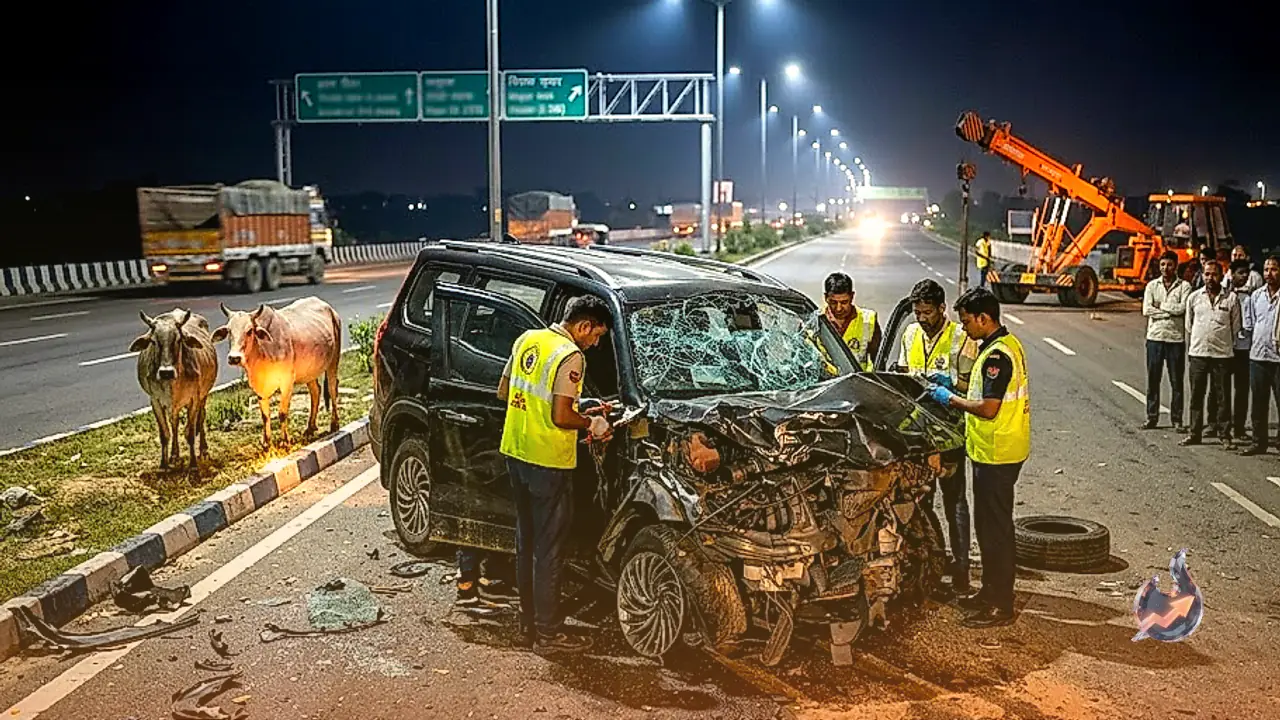





















Commuters in the national capital region are staring at a massive urban transport crisis as Sarai Kale Khan, one of Delhi's busiest transit nodes, prepares to absorb a massive surge of vehicular traffic. The upcoming integration of the Delhi-Mumbai Expressway directly into this corridor will channel high-speed vehicles right into a chronically congested zone, sharply escalating the risk of severe road accidents and unprecedented traffic gridlocks.
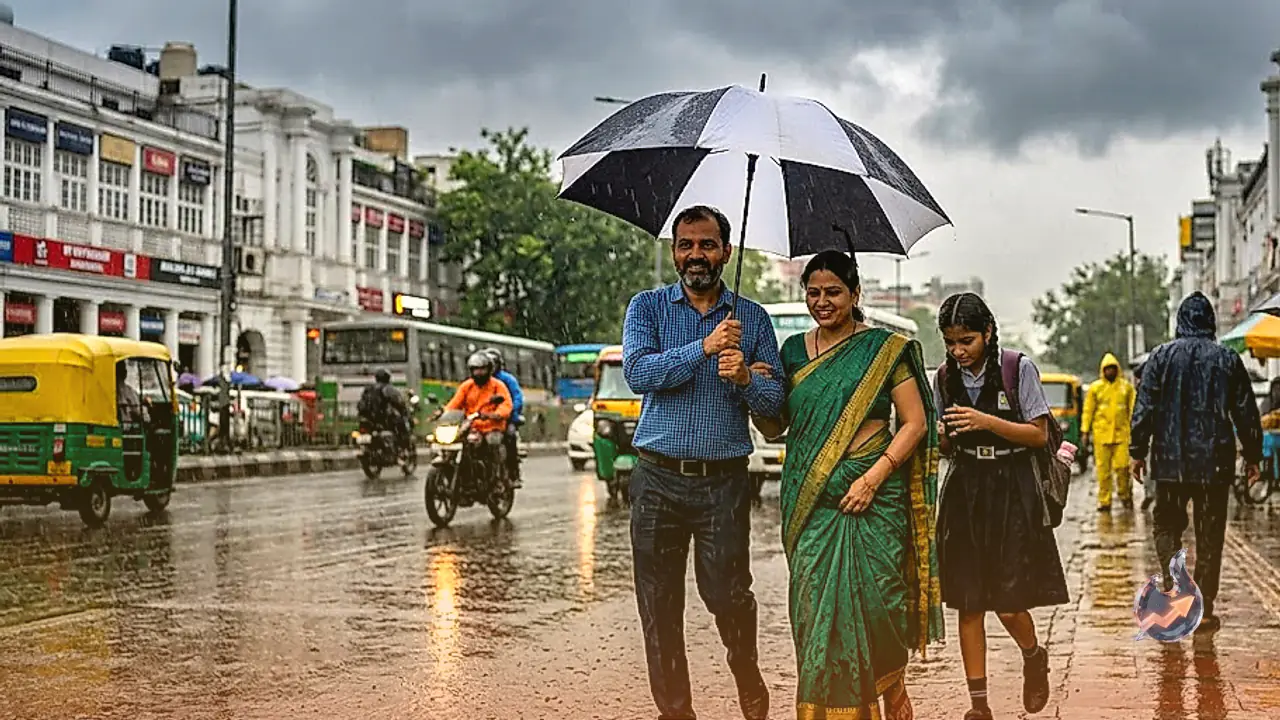
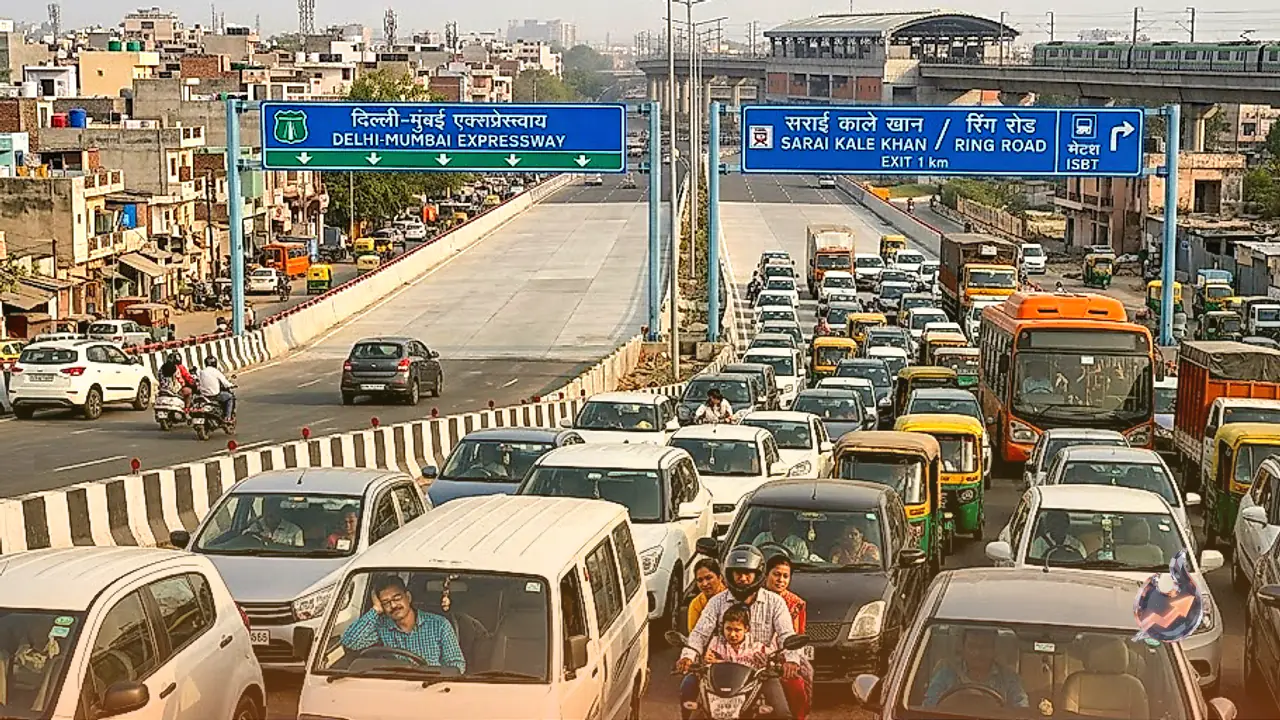
Even under normal circumstances, this junction struggles to cope with the daily rush hour pressure. Every evening around 5:30 PM, serpentine queues of vehicles begin to choke the area where traffic converging from the Ring Road, Barapullah flyover, and DND Flyway intersects. By 6:00 PM, tailbacks on the Ring Road stretch up to two kilometres, while traffic on the Barapullah corridor crawls at a snail's pace for roughly half a kilometre, cementing the area's reputation as a notorious bottleneck.
The situation is poised to deteriorate further once the five-lane traffic from the newly initiated Delhi-Mumbai Expressway empties directly onto the Ring Road. This massive influx will act as a force multiplier for congestion. Compounding the challenge, the roadway splits shortly after into two distinct routes, with one branch heading toward the Ashram flyover and the other toward New Friends Colony. The sudden convergence of speeding intercity vehicles with local urban traffic creates a high-risk mixing zone prone to collisions.
Recognizing the gravity of the impending crisis, the Delhi Traffic Police has formulated a series of preemptive measures. Law enforcement officials have warned that without adequate advance planning, chaos and mishaps will spike dramatically. The proposed interventions include comprehensive road safety audits, widening of constrained stretches, removal of persistent roadside encroachments, optimization of bus operations, and enhanced infrastructure for pedestrians. Authorities are strongly advocating for a specialized agency to conduct a thorough safety assessment before the expressway link goes fully operational.
Contributing to the daily friction is the Sarai Kale Khan ISBT, which dispatches buses every single minute. Many commercial buses frequently halt directly along active travel lanes to board or discharge passengers, bringing trailing traffic to an abrupt halt. During nighttime hours, overflowing queues of vehicles waiting to access the nearby CNG fuel station frequently spill over onto the main thoroughfare. Furthermore, unauthorized roadside vendors, eateries, and makeshift stalls encroach heavily on pedestrian and vehicular right-of-way.
The complexity of the area is further heightened by the perpetual pedestrian footfall generated by the Hazrat Nizamudidn railway station and the adjacent Pink Line metro station. A dense swarm of e-rickshaws, auto-rickshaws, cabs, and personal cars frequently halts on feeder roads, choking the throughput of the primary arteries. While proposals have been floated to construct a fresh foot overbridge to safeguard pedestrians, current ground conditions remain deeply problematic.
Urban transport specialists emphasize that simply widening asphalt or constructing additional flyovers will not provide a permanent fix for the underlying systemic issues. Experts argue that rigorous traffic enforcement, strict prohibition of curbside bus boarding, and aggressive clearance of encroachments are far more critical. Implementing smart traffic management systems is seen as the most viable path forward to mitigate the chronic congestion plaguing Sarai Kale Khan.