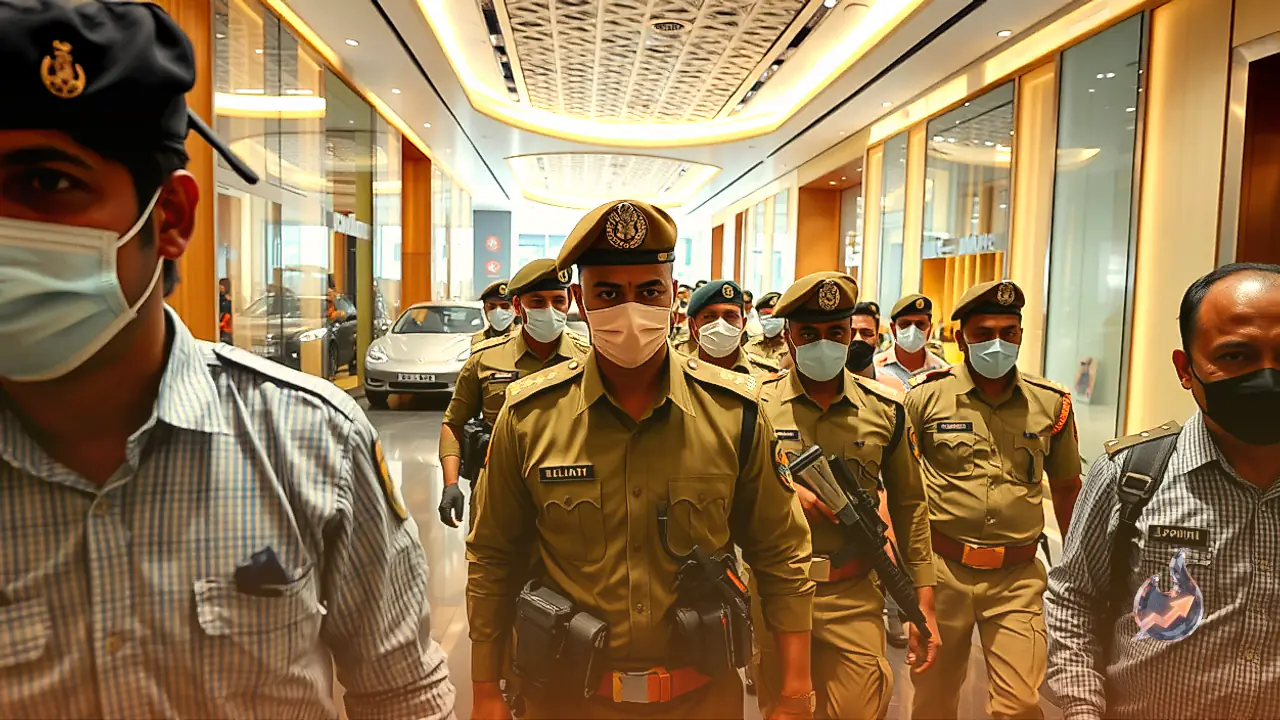
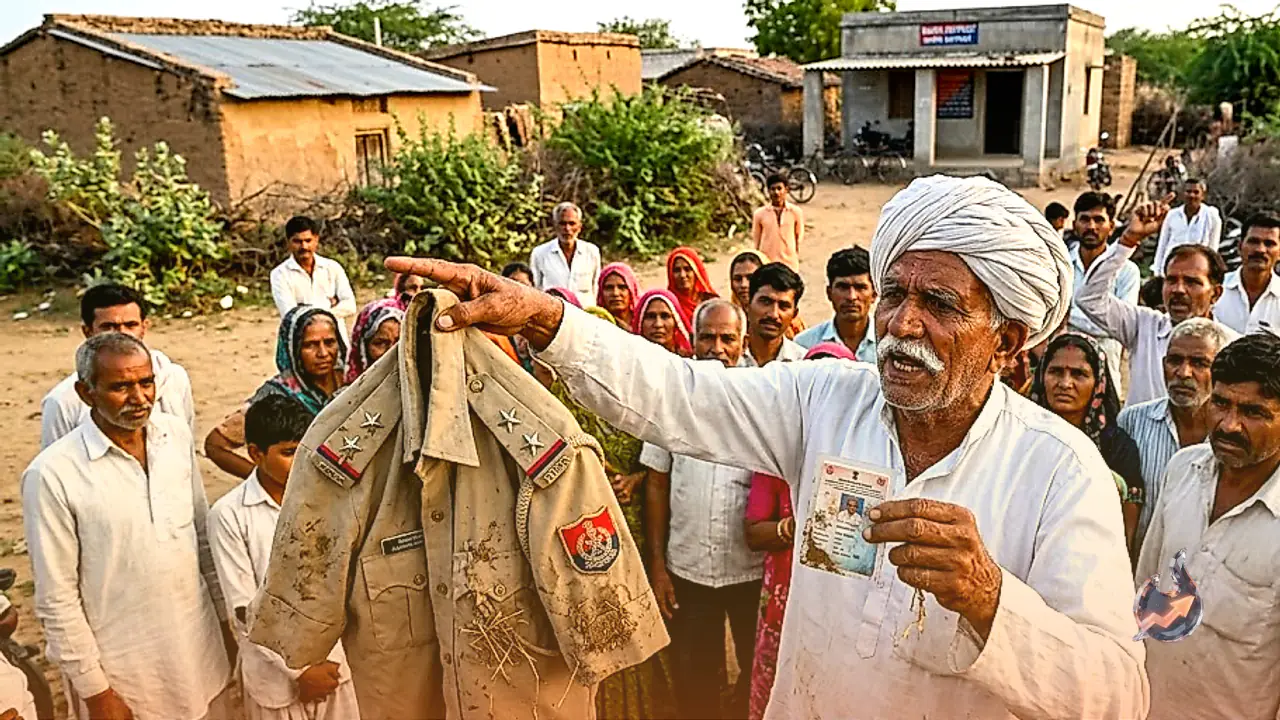


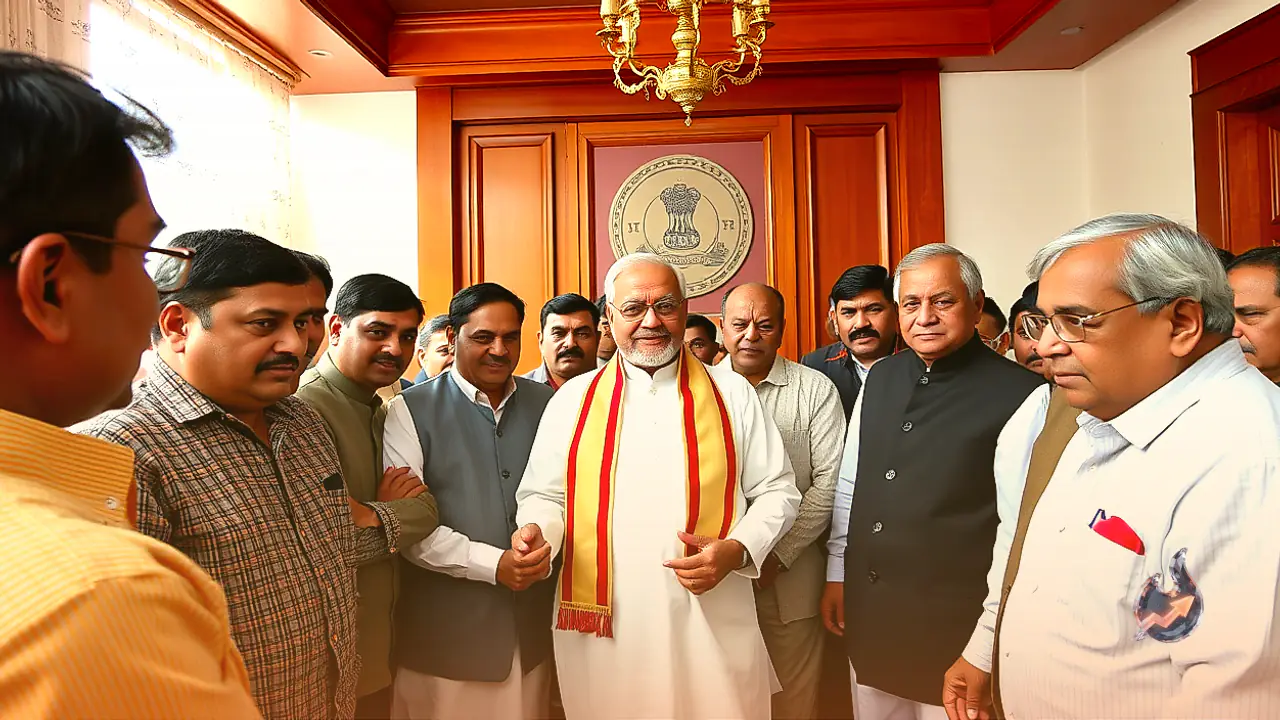


















Electoral authorities have initiated a comprehensive roll-matching drive across states where the Special Intensive Revision process has already concluded. Under the fresh directives, election officials must systematically compare previous pre-revision voter lists against current updated rolls to identify every citizen whose name was present earlier but went missing in the latest edition. The initiative aims to guarantee that no legitimate and qualified voter is disenfranchised because of administrative slips, typographical errors, or clerical oversights during the revision drive. This policy intervention follows widespread national scrutiny and debate over the execution of the intensive revision exercise. Recent claims pointed to differing views between Chief Election Commissioner Gyanesh Kumar and Election Commissioners Sukhbir Singh Sandhu and Vivek Joshi over revision workflows, though the Election Commission has formally stated that all revision resolutions were adopted unanimously by the three commissioners.
Reconciling Pre-Revision and Current Voter Rolls
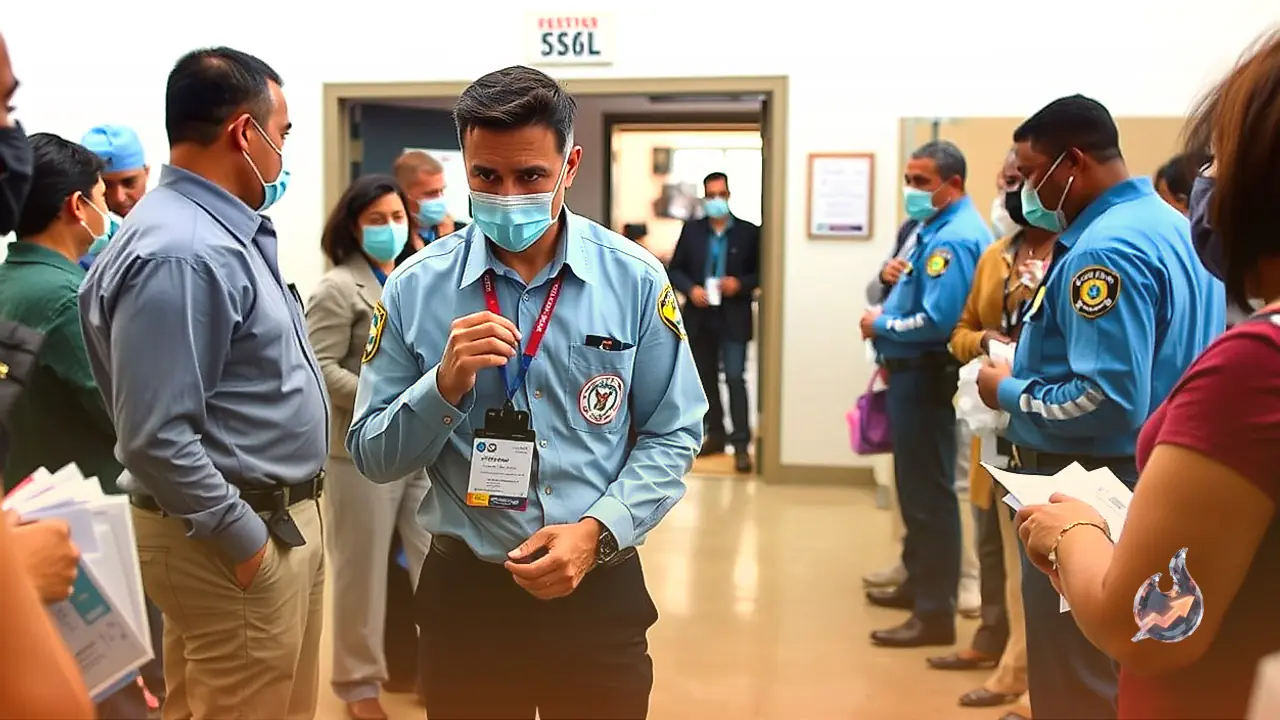
Under the operational guidelines, booth-level officers, known as BLOs, will begin by placing pre-revision voter registers alongside the newly published voter rolls. This side-by-side reconciliation will produce a dedicated roster of individuals who held active voter entries prior to the revision but are absent from the active rolls today. Officials must document the exact real-world status of each identified citizen on this master comparison record. Whenever an individual is verified as an eligible resident on ground, officers will facilitate the completion of Form 6 to restore their entry. The commission has mapped out an ambitious four-week timeframe for completing this task, setting a target for every booth officer to reach out to between 20 and 25 citizens every single week.
Re-Examining Deceased, Relocated, and Absent Classifications
A central pillar of the home verification effort is to re-audit records that were struck off under categories such as deceased, shifted, or absent. During rapid list revisions, legitimate residents are sometimes mistakenly marked as dead or assumed to have moved out of the constituency. Booth-level personnel are instructed to physically inspect the addresses of individuals placed in these categories. If an eligible resident is found alive and living at the documented residence, the officer will immediately initiate inclusion procedures using Form 6. Notably, cases involving doubtful or disputed electors that are currently pending adjudication before tribunals are not the primary target of this exercise, as administrative resources are focused on rectifying unintended clerical deletions of verified local residents.
Enrolling New Young Voters and Unlisted Citizens
In addition to retrieving excluded names, officers conducting the door-to-door drive are charged with identifying young citizens who have recently reached the legal age to vote. When qualified first-time electors are discovered during residential visits, booth officers will guide them in submitting Form 6 to ensure their names enter the electoral system without unnecessary delay. The initiative also welcomes any other resident who meets voting qualifications but never appeared on the rolls. To support local enrollment alongside residential visits, special enrollment camps will be organized at polling stations, allowing local community members to inspect records and submit required paperwork in person.
Collaborating with Recognized Political Representatives
To foster complete public transparency and maintain institutional accountability throughout the re-verification pipeline, the commission has mandated sharing preliminary data with political groups. Booth-level officers will provide their comparison lists to booth level agents, or BLAs, appointed by recognized political organizations. Once the residential verification and enrollment drive wraps up across all sectors, comprehensive booth-wise summary records will again be distributed to party representatives. This collaborative channel allows political parties to inspect omissions independently and actively assist qualified local voters who might otherwise remain overlooked.
Special Registration Camps for Destitute and Homeless Communities
District election officers have received explicit instructions to address the registration challenges faced by marginalized urban populations. Special outreach camps will be organized across night shelters, labour settlements, and neighborhoods where unhoused or destitute individuals reside. People living in poverty frequently face paperwork barriers or unstable housing arrangements that cause their removal from electoral databases. By establishing localized assistance hubs in shelter homes and working-class quarters alongside standard polling-station camps, election officials intend to provide easy access for every eligible citizen seeking to register or update their voter profile.
Procedural Clarity on Form 6 and Discrepancy Notices
The commission has also clarified the technical framework governing application forms at various stages of electoral management. Declarations accompanying Form 6 are explicitly designated for use while the revision phase remains underway. Once a jurisdiction finishes the revision process, subsequent voter registrations must follow the standard application rules codified under the Registration of Electors Rules 1960. Additionally, for electors who were served formal notices due to unmapped entries or logical database anomalies, booth-level officers will personally visit their residences to gather relevant documents. These physical proofs will be uploaded directly to the ECINet portal, equipping Electoral Registration Officers and Assistant Electoral Registration Officers to examine each case and issue formal decisions.
Implementation Framework Across 20 Participating States
This coordinated door-to-door re-verification protocol is rolling out across 20 states that have concluded their initial revision cycles. The operational road map was delivered directly during a high-level video conference convened by the commission with chief electoral officers from all 20 jurisdictions. The operational chain requires chief electoral officers to direct district election officers, who will in turn instruct and supervise booth-level staff across every municipal ward and village council. To ensure that the mandate genuinely touches every wrongfully removed voter, both chief electoral officers and district collectors will carry out regular progress reviews throughout the duration of the campaign.