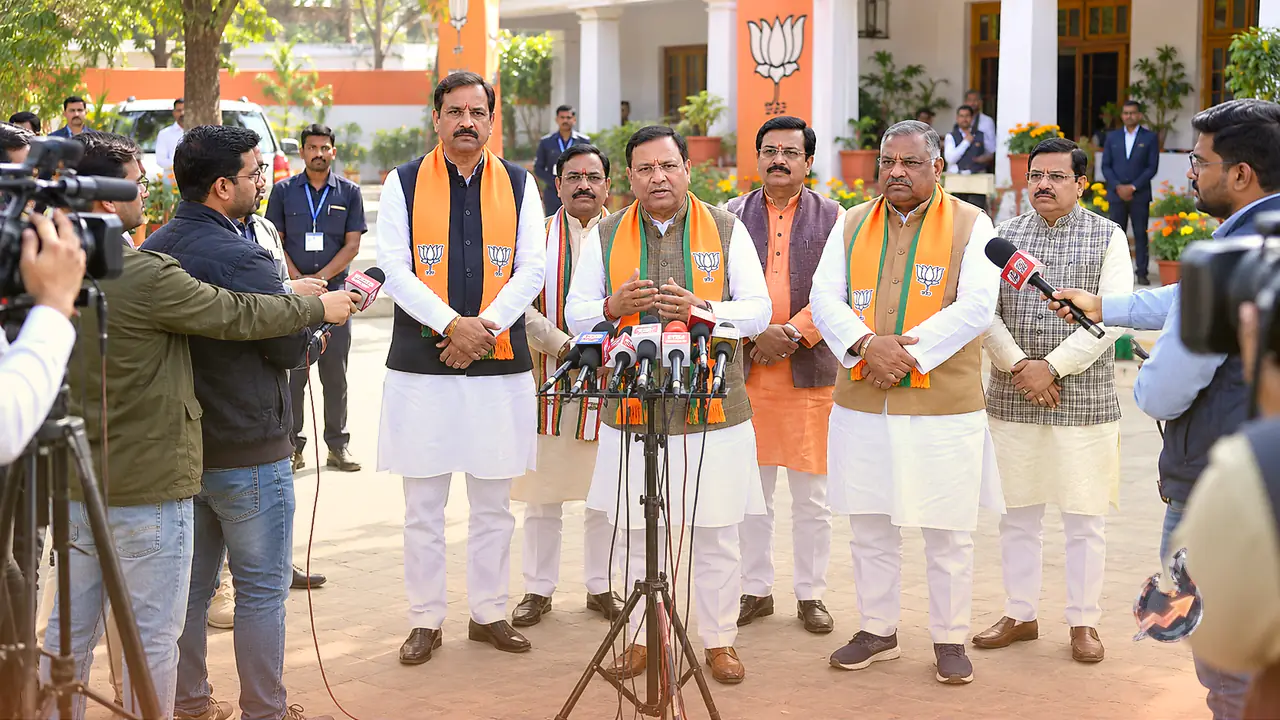





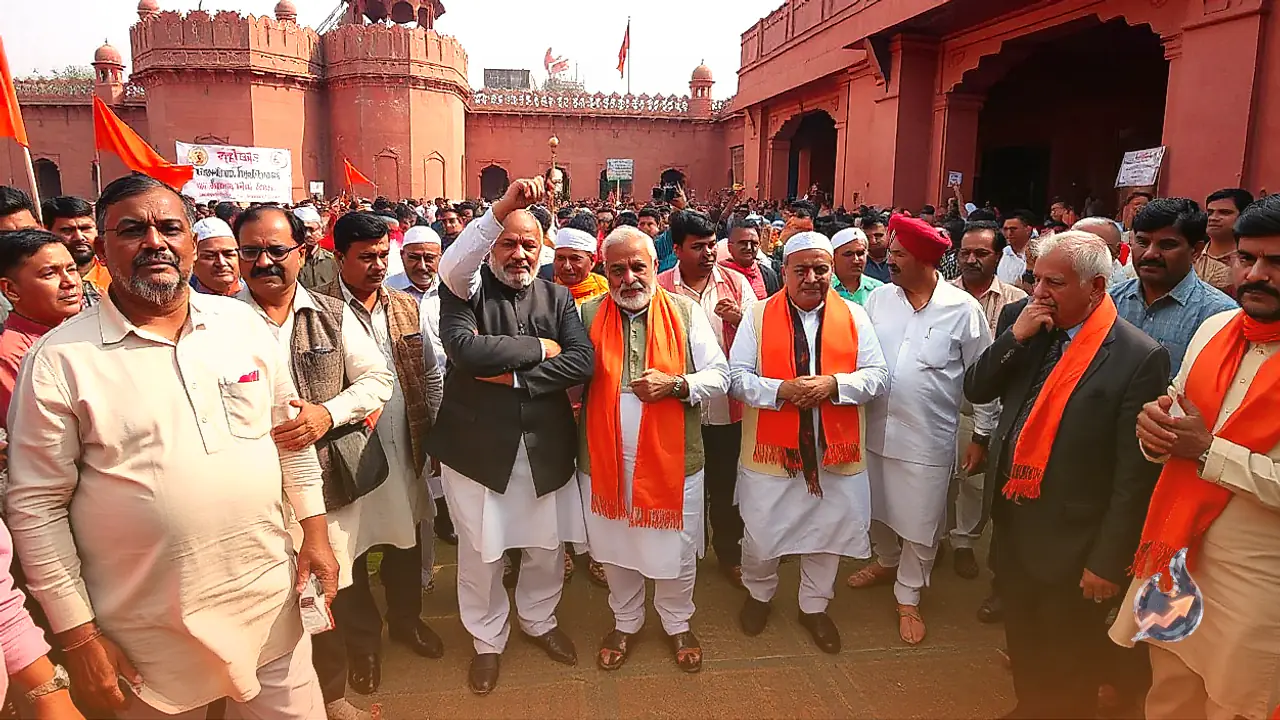
















Defense Minister Rajnath Singh, during his visit to Cebu in the Philippines, engaged in a detailed interaction with the local Indian community, focusing on the country's rising global stature and growing international influence. He asserted that India's prestige on the world stage has witnessed a continuous and remarkable upward trajectory. Today, the global community pays close attention whenever India articulates its stance on important matters, acknowledging the nation's weight in international affairs.
While speaking to the gathering, Rajnath Singh noted that an elevation in a country's global standing naturally instills a profound sense of pride among its citizens. He reiterated that India has historically embraced the philosophy of treating the entire world as one large family. This inclusive mindset and foundational ethos set India apart from other nations, giving it a distinct and respected identity across the globe.
Economic Progress and Global Standing
Highlighting the country's impressive economic journey, the Defense Minister pointed out the massive shift that has occurred over the past decade and a half. Approximately 12 years ago, India lingered around the 10th or 11th position among the world's largest economies, but today it has successfully climbed to the fifth spot. He added that had an unexpected crisis not erupted in West Asia, India's economic growth trajectory would have been even steeper. His remarks underscored the resilience of the nation's financial systems alongside its strategic advancements.
The Decisive Military Response Against Terrorism
Delving into matters of national security, Rajnath Singh referenced the decisive measures taken by India against Pakistan, specifically highlighting the military operation launched in response to cross-border acts of terror. On April 22, 2025, terrorists carried out a brutal and fatal assault on innocent civilians in Pahalgam, Jammu and Kashmir, resulting in the tragic killing of 26 people. According to accounts of the incident, the attackers inquired about the victims' religion before executing them in cold blood. A significant portion of those who lost their lives were tourists visiting the region, which triggered widespread outrage across the country.
Operation Sindur and Cross-Border Retaliation
In the wake of this harrowing tragedy, the Indian military mounted a robust and calculated response, launching Operation Sindur on May 7. This targeted counter-offensive struck nine major terrorist infrastructure sites located within Pakistan and Pakistan-administered Kashmir. The targeted camps belonged to notorious militant groups, including outfits linked to Masood Azhar, Lashkar-e-Taiba, Jaish-e-Mohammed, and Hafiz Saeed's Jamaat-ud-Dawa.
Meanwhile, in a desperate bid to retaliate, the Pakistani military launched drones and missiles toward Indian territory. However, advanced Indian air defense systems, including Akashteer and S-400, successfully intercepted and neutralized those airborne threats mid-air. In response to the provocation, India launched a powerful counter-strike that crippled between 9 and 11 Pakistani air force installations. Cornered by the severe military setback, the Pakistani military leadership sought a cessation of hostilities. Pakistan's Director General of Military Operations contacted his Indian counterpart to propose an end to the escalation, leading to an agreement on a temporary ceasefire. Furthermore, India shared concrete evidence of its military operations with the international community, making it evident that the actions were not merely defensive, but part of a resolute strategy to dismantle terror networks at their roots.