


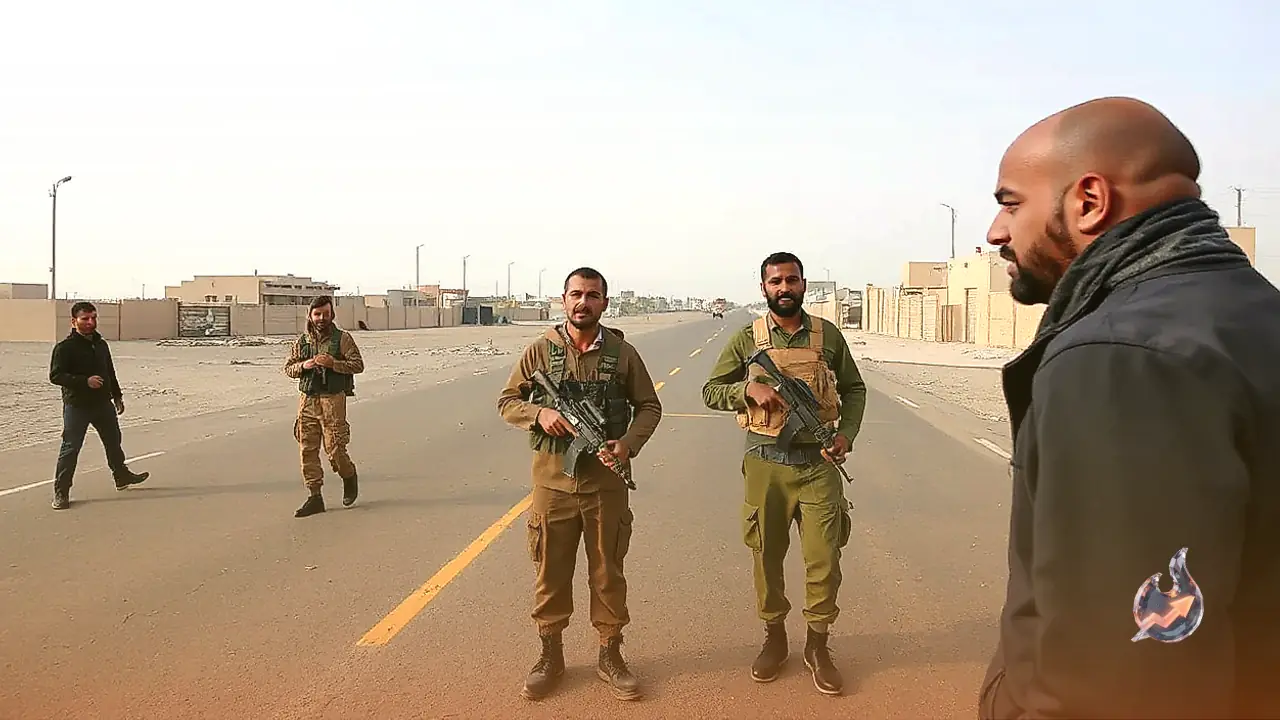















India mounted a strong critique against Pakistan at the United Nations, highlighting what it termed profound hypocrisy concerning terrorism, religious freedoms, and basic human dignity. Addressing an interactive dialogue with the Special Rapporteur on freedom of religion or belief, Indian diplomat Bhavika Mangalanandan brought global attention to the neglect of genuine victims of violence. The session specifically examined the delicate issue of rights surrounding burial and funeral ceremonies under extraordinary circumstances, providing the backdrop for India's firm intervention.
Double Standards on Human Rights and Terrorism
During her intervention, First Secretary Bhavika Mangalanandan expressed concern over selective humanitarian advocacy. She observed that extensive legal and moral debates frequently champion the rights of perpetrators of terrorism, while the plight of innocent victims who endure immense suffering is swept aside. India emphasised that nations harbouring militant networks cannot escape scrutiny through moral posturing. Mangalanandan made it clear that guaranteeing justice for affected families and dismantling extremist safe havens should remain the primary focus of international institutions, rather than indulging duplicitous rhetoric.
The Rejection of Fallen Soldiers in 1999
To directly address the theme of funeral decencies during conflicts, India brought up historical records from the 1999 Kargil confrontation. Mangalanandan reminded the international gathering that Pakistan disowned its own fallen personnel and refused to accept their mortal remains. In sharp contrast, the Indian armed forces extended dignified treatment even to adversary troops. Bhavika Mangalanandan stated, “I want to remind Pakistan that it was the Indian Army that buried several Pakistani soldiers with military honours and according to Islamic rites.” This historical reality showcased the gulf between theoretical pronouncements and real conduct on the battlefield.
Focus on Illegally Occupied Territories and Minority Rights
India dismissed recurring remarks made by Pakistani representatives regarding the Union Territory of Jammu and Kashmir. Mangalanandan advised Pakistan to redirect its focus toward the deep grievances brewing within areas under its unlawful occupation, citing unrest in places such as Rawalakot. Furthermore, India expressed deep apprehension over the systematic mistreatment and steep demographic decline of religious minorities inside Pakistan, urging accountability for domestic rights violations before preaching to other nations.
Context of the Kargil Conflict
The Kargil confrontation took place between May 3 and July 26, 1999, across steep Himalayan terrain along the Line of Control. Indian ground forces executed challenging high-altitude assaults and nighttime operations to clear strategic heights occupied by Pakistani forces. By placing these documented facts on the official UN record, India underscored that respecting human dignity entails honoring one's own citizens and soldiers, rather than exploiting global platforms for political diversion.